Short, practical messages designed for toolbox talks, shift briefings and daily team conversations.
Page 9 of 11 · Daily safety messages 97–108 of 122
· Hand-Arm Vibration
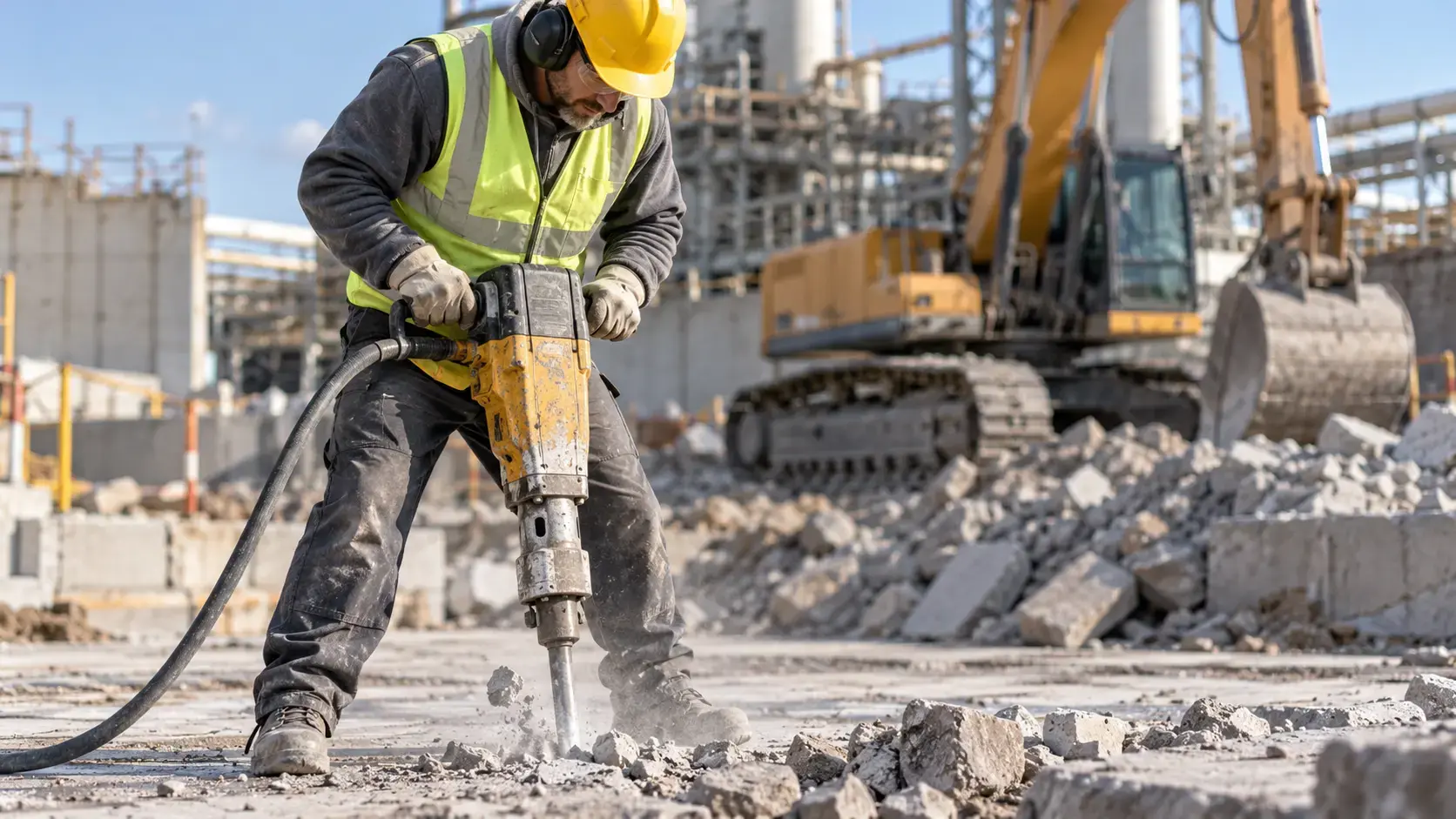
Vibration Damage Can Build Before Pain Forces a Stop
Regular use of vibrating tools can damage nerves, blood vessels and joints even when each individual task feels manageable. Cold conditions, tight grip and poorly maintained equipment can increase exposure. Effective control means reducing vibration at source, limiting trigger time and acting on early symptoms rather than waiting for permanent harm.
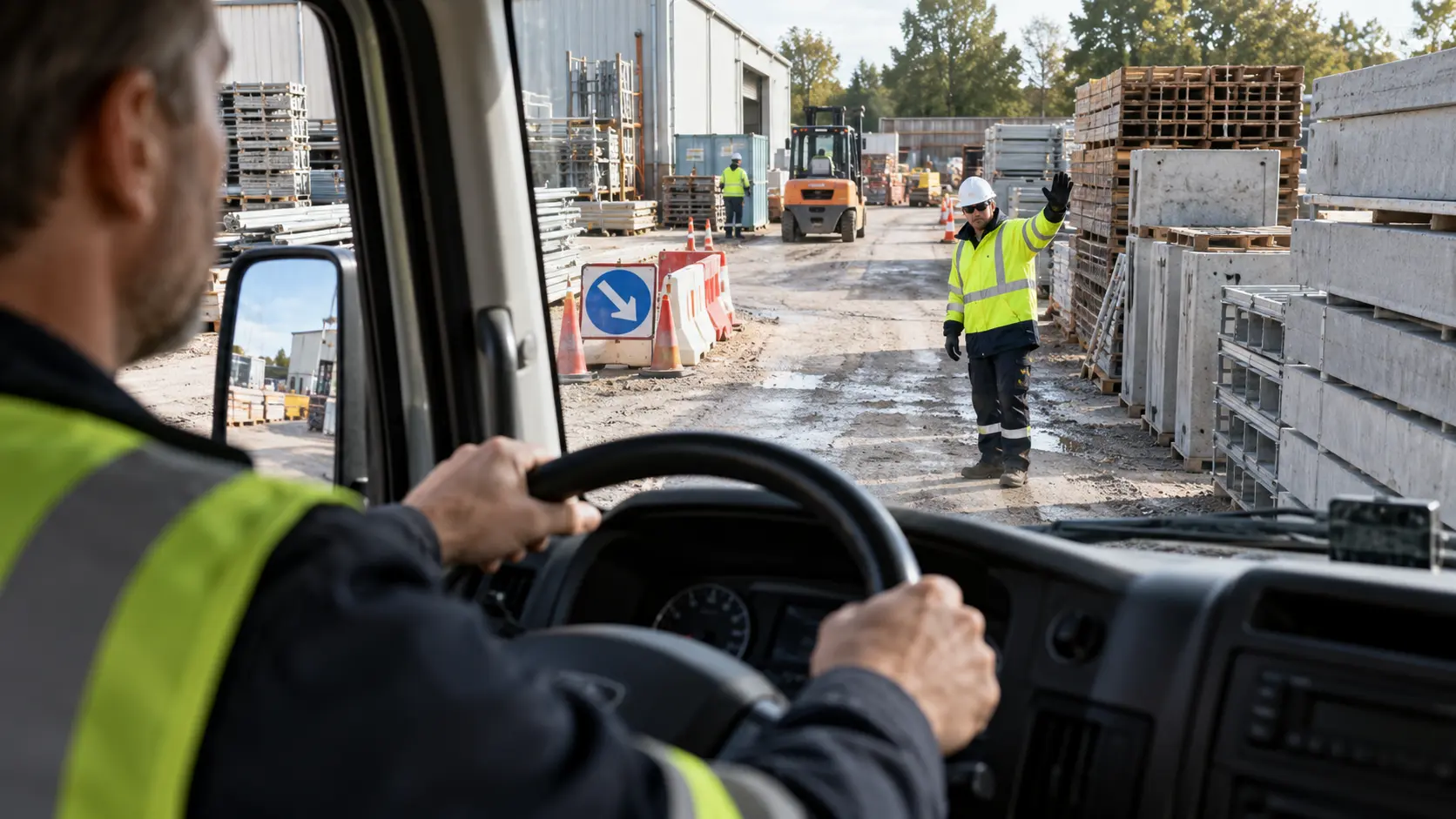
A Familiar Route Can Still Change Faster Than the Driver Expects
Routine journeys can encourage assumptions about road condition, travel time and personal readiness. Weather, traffic, security conditions, vehicle defects and fatigue can change a familiar trip into a higher-risk task. Journey management should confirm that the driver, vehicle, route and communication plan are suitable before departure and remain suitable throughout the journey.
After an Interruption, the Job Is Not Where You Left It
A break, weather delay, shift change, emergency alarm or competing task can alter the worksite while attention is elsewhere. Tools may have moved, isolations may have changed and another team may have entered the area. Restart should therefore be treated as a fresh decision: re-establish the shared picture, verify the controls and confirm that everyone is ready.
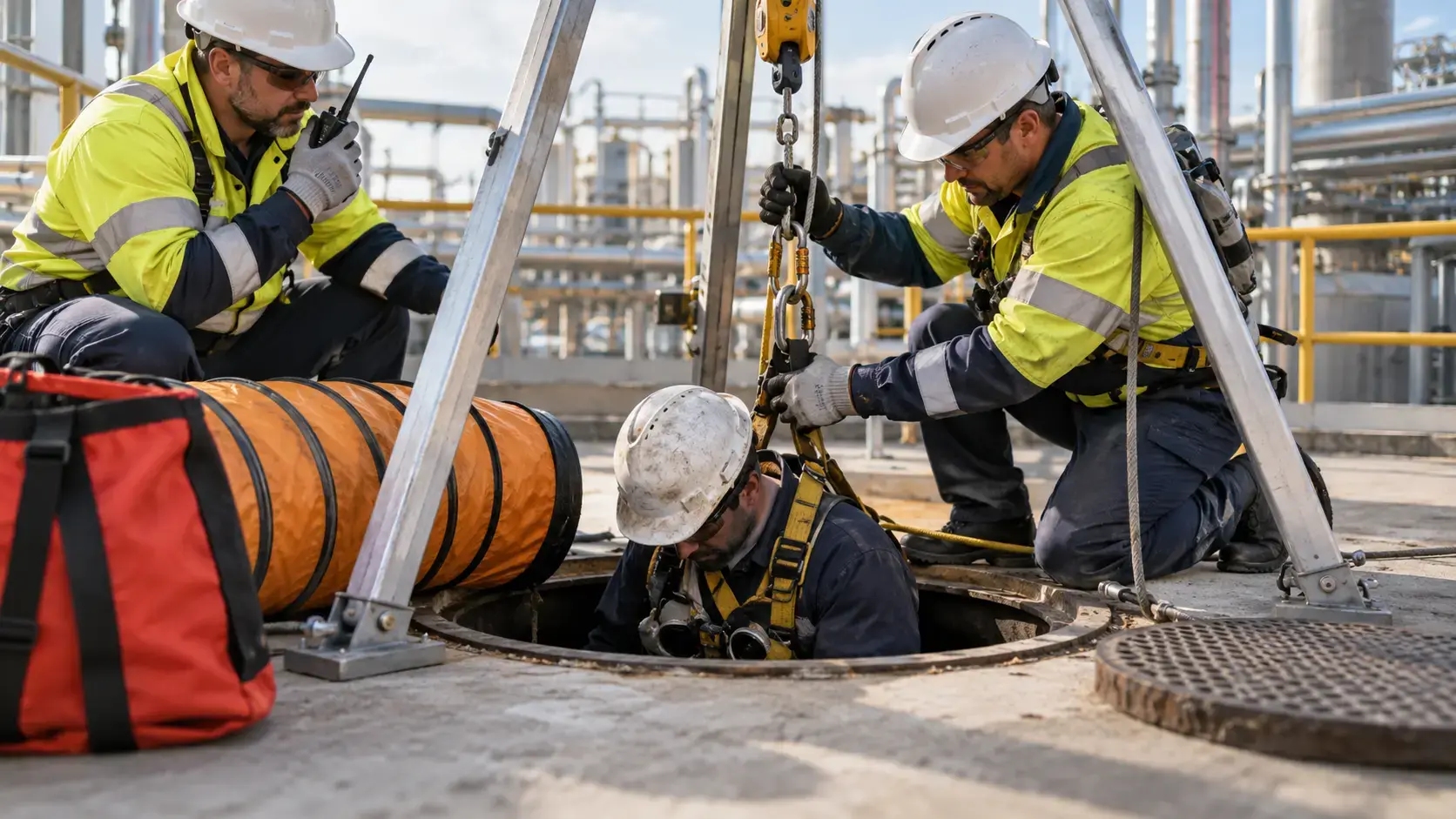
An Unprotected Rescuer Can Become the Next Casualty
When someone collapses near a tank, vessel, drain, pit or chemical work area, the instinct to rush in can expose more people to the same invisible hazard. A rescue must begin with alarm, hazard recognition and the approved emergency response—not an unplanned entry. Protecting the rescuer is part of protecting the casualty, because a second collapse delays the competent response and increases the number of people in danger.
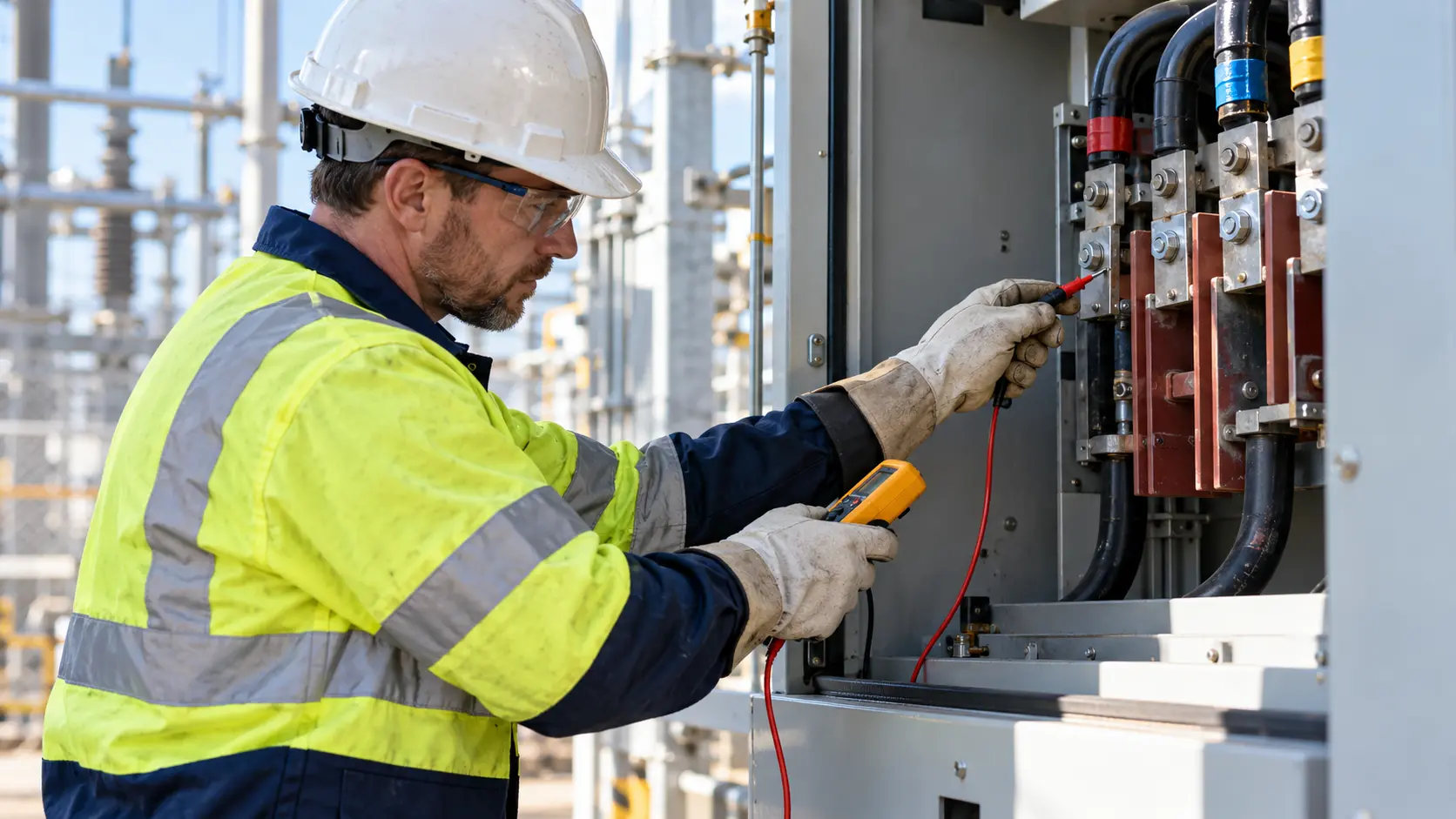
Stopping equipment or seeing a gauge at zero does not prove that every form of energy has been removed. Pressure can remain trapped between valves, accumulators can recharge a line, suspended parts can move and blocked instruments can give a false reading. Before opening, disconnecting or entering equipment, the work party must isolate every source, release or restrain stored energy and prove the safe condition at the point of work.
Heat strain can build before a worker appears seriously unwell. Temperature, humidity, radiant heat, physical effort and protective clothing all add to the load, while new or returning workers may not yet be acclimatised. Good heat management begins before the task: reduce the exposure, make recovery possible and ensure the team responds to early symptoms instead of waiting for someone to collapse.
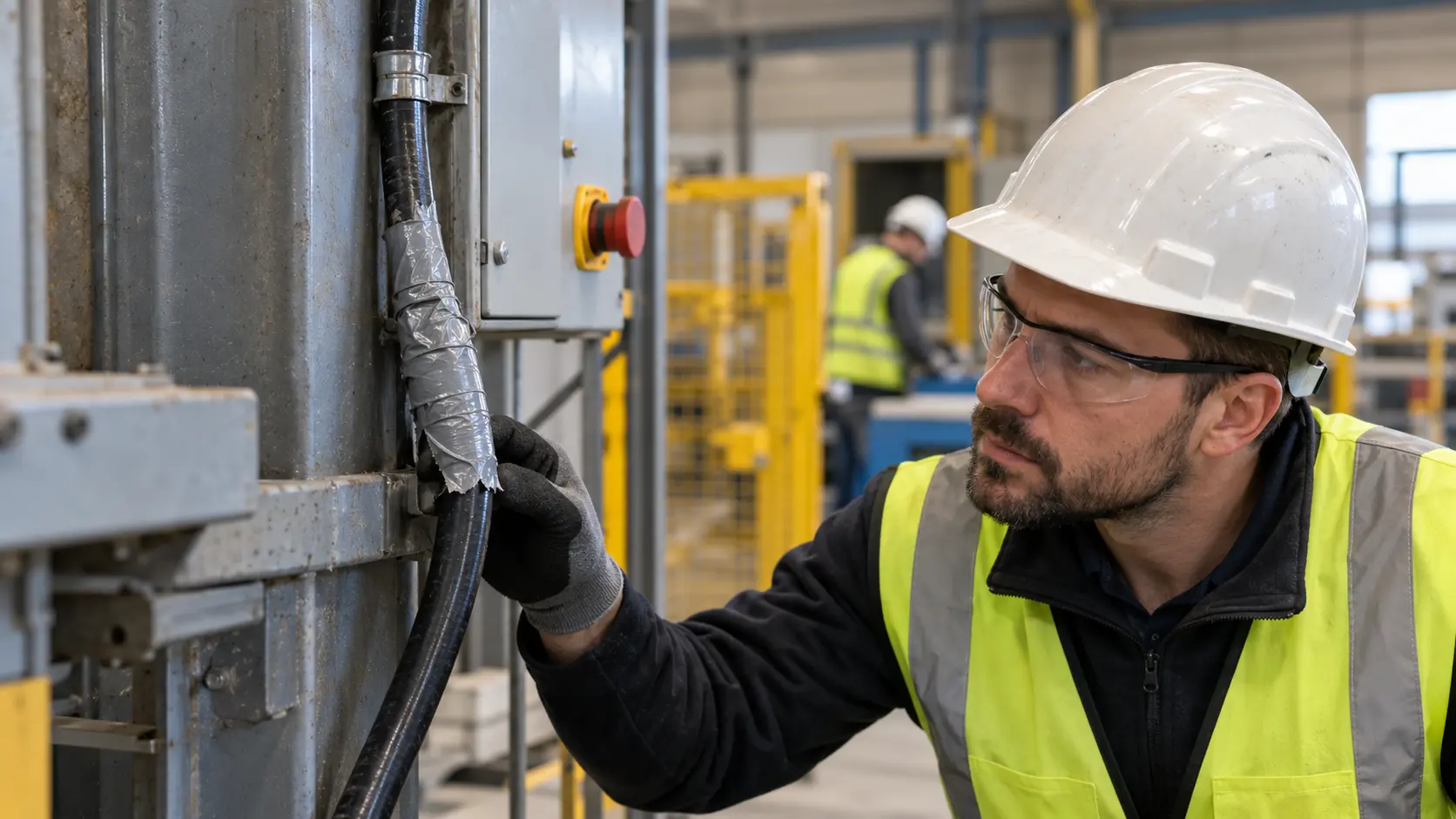
A temporary repair can restore limited function, but it does not restore the original design condition. Without defined limits, inspection and a firm route to permanent correction, a short-term measure can quietly become normal operation. Treat every temporary repair as a controlled deviation: understand what has changed, keep the remaining barriers effective and remove the repair before assumptions replace engineering judgement.
A Handover Is Not Complete Until the Critical Status Is Confirmed
A rushed handover can leave the incoming team with an outdated picture of the job. Isolations, overrides, impaired safeguards, active permits and unfinished work must be understood as current operating conditions—not treated as notes for later. The safest handover combines accurate records with direct confirmation, clear ownership and time for the incoming team to question anything that does not match the field or control-room status.
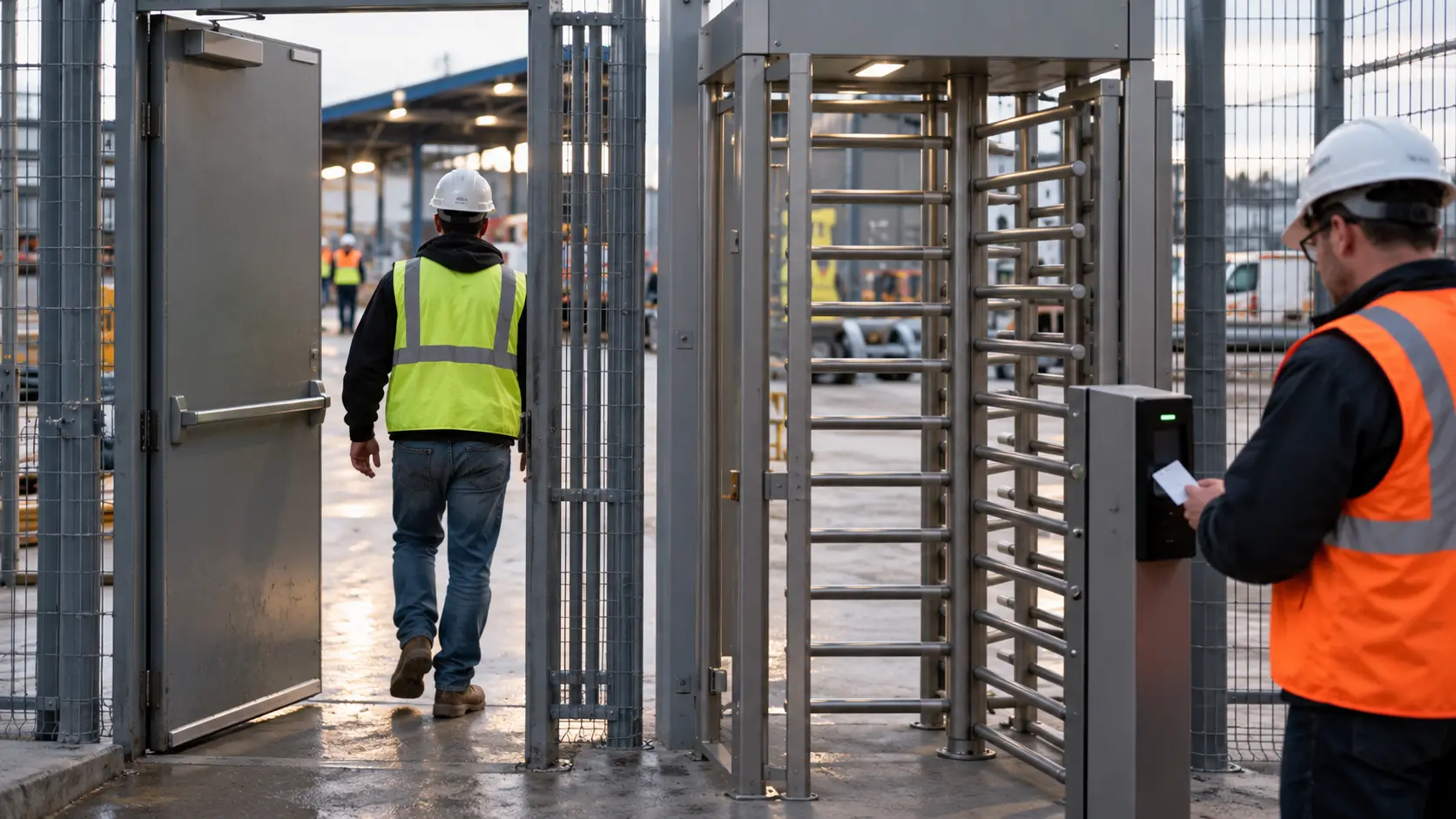
Access controls protect people, operations and sensitive areas only when every entry is individually verified. Holding a controlled door for an unknown person, sharing credentials or assuming someone belongs on site can bypass several security barriers at once. Professional courtesy means helping a visitor follow the correct process—not allowing unverified access.
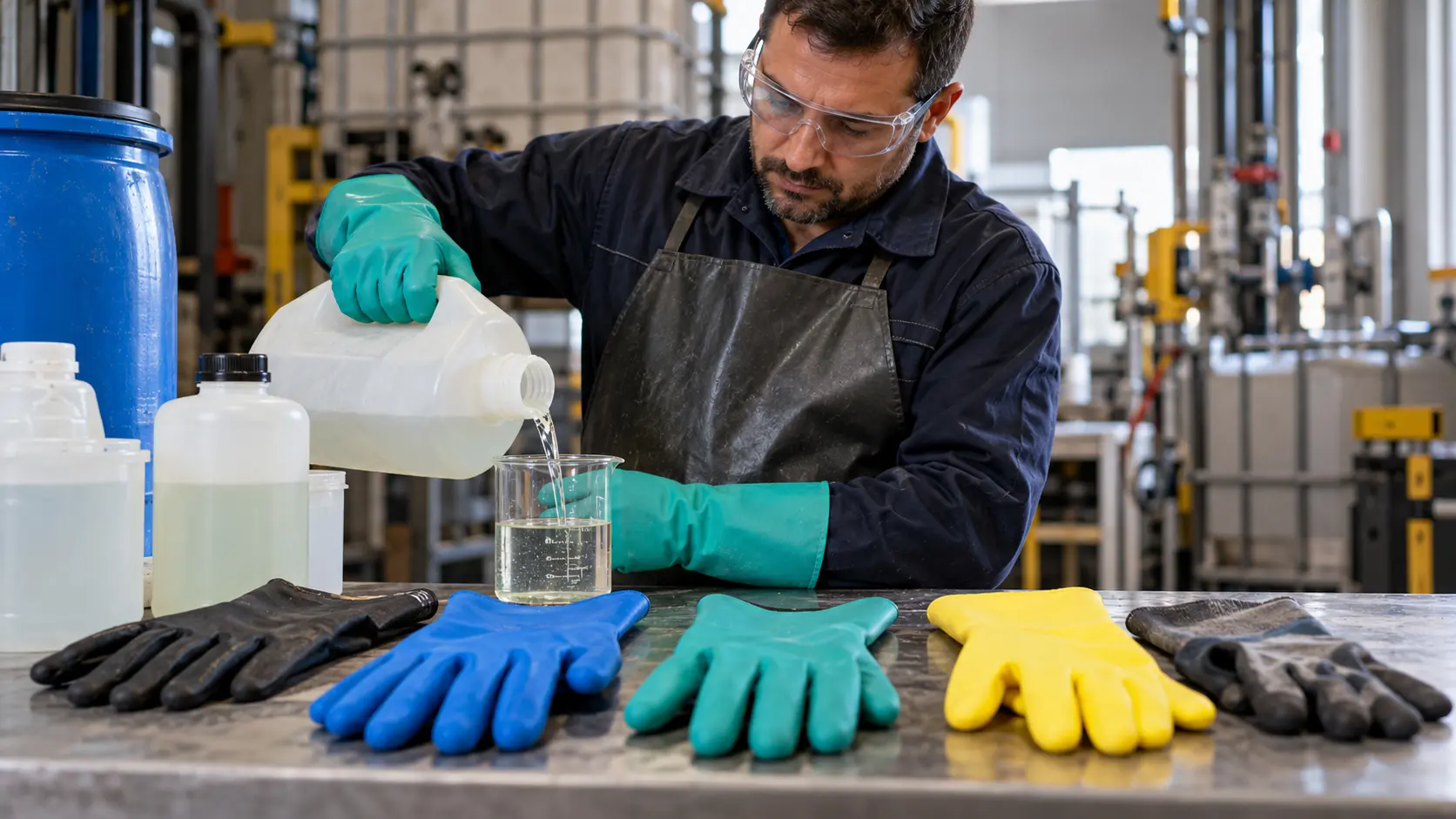
A Glove Is Not Protection Unless It Matches the Chemical
Gloves that look strong may still allow a chemical to pass through, degrade or create a false sense of security. Effective hand protection depends on the substance, concentration, task duration and likely contact. Before handling begins, confirm the approved glove specification and make sure the work method prevents contamination from reaching the skin during use, removal or disposal.
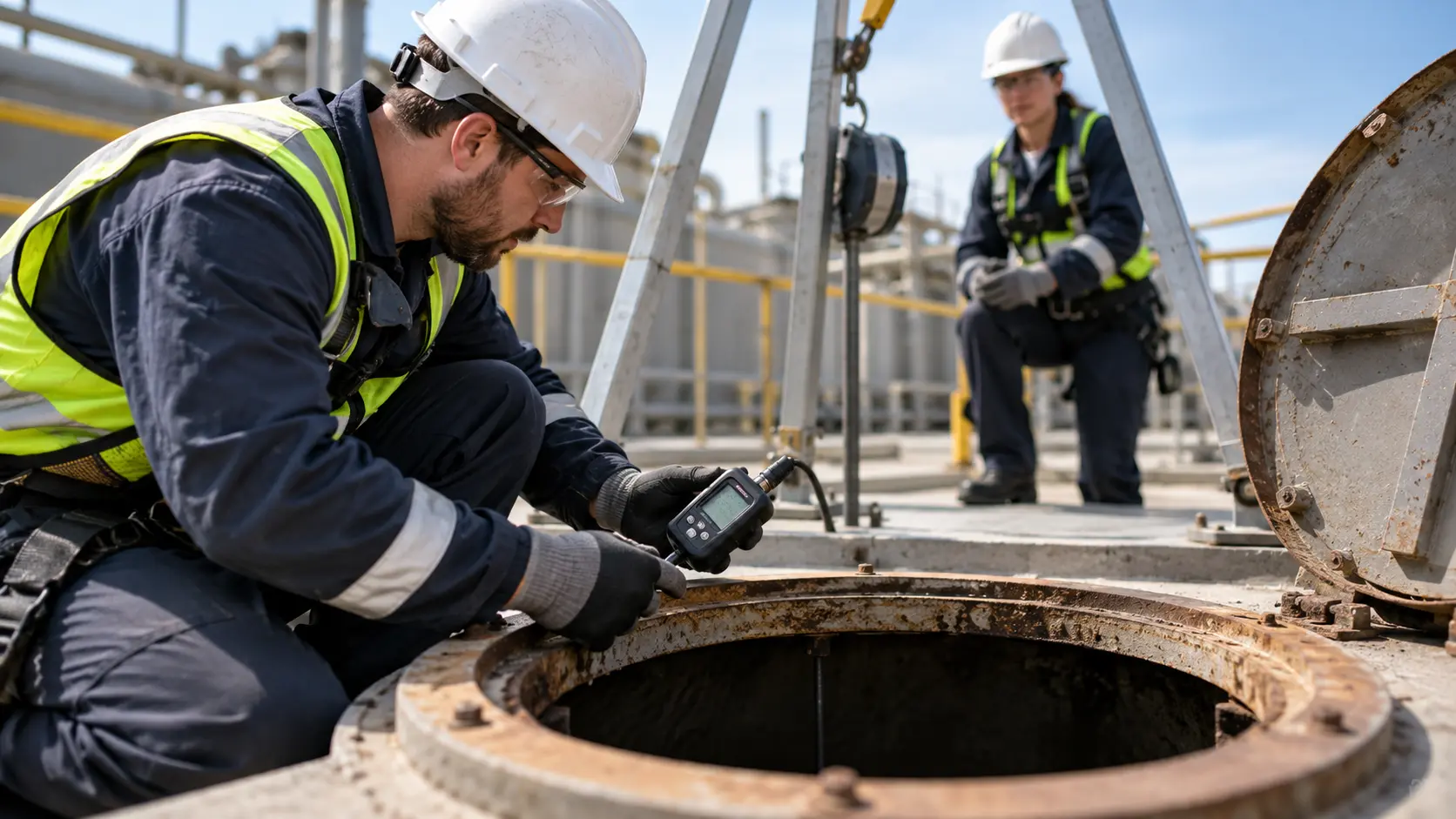
An acceptable atmosphere at the start of a task does not guarantee that conditions will remain acceptable. Process changes, nearby work, loss of ventilation, leaks or disturbance of residues can change the atmosphere without obvious warning. Gas testing must match the hazard, location and work phase, and the team must know when repeat or continuous monitoring is required and what will trigger an immediate stop.
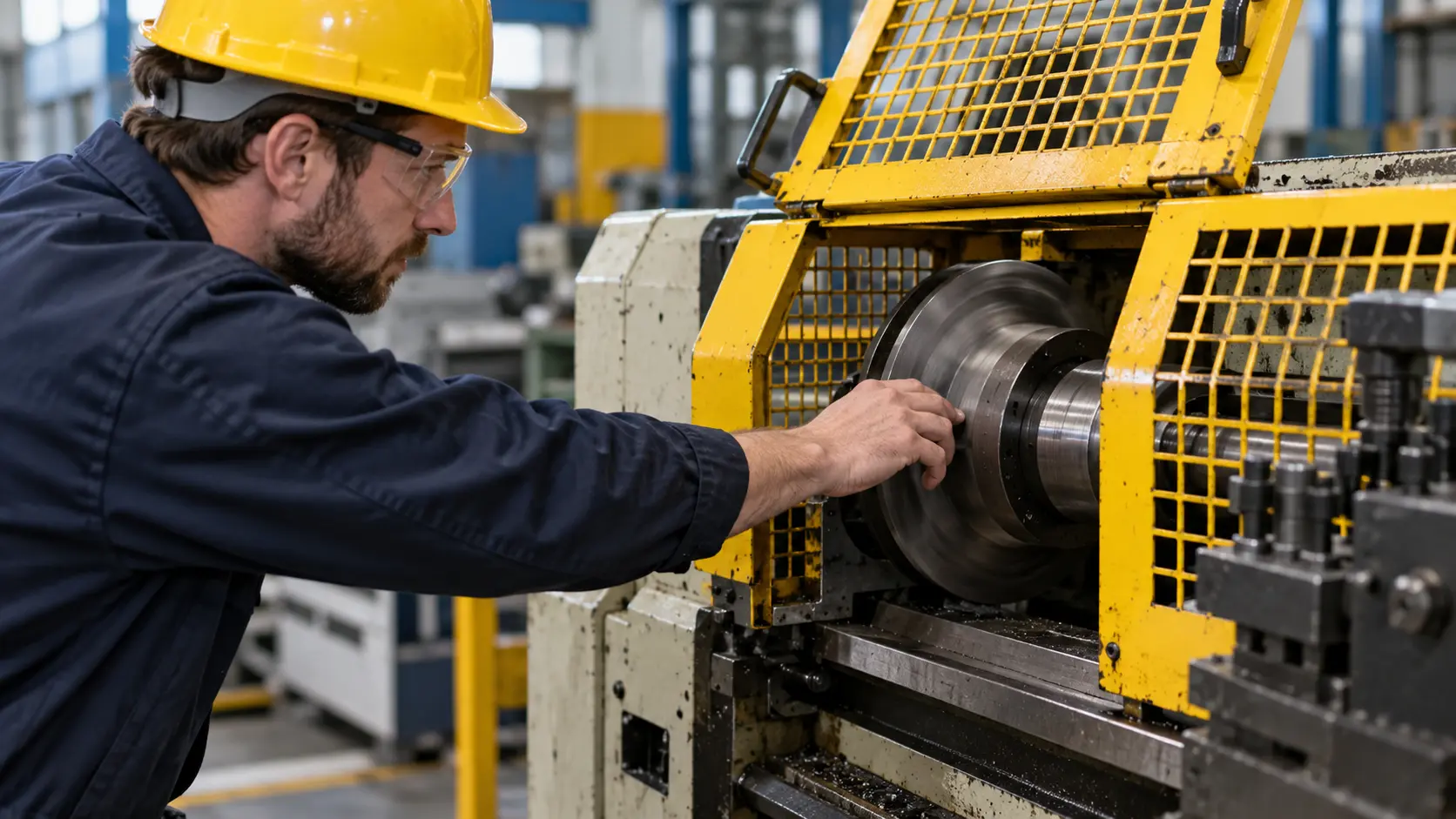
If You Can Reach the Moving Part, the Guard Is Not Doing Its Job
Conveyors, rollers, couplings and other moving parts can draw a person into danger before there is time to react. Familiarity, slow speed or a quick adjustment does not make access safe. Before equipment runs, confirm that guards prevent contact, that routine tasks can be completed without reaching into the danger zone and that isolation is used whenever access is required.
 · Hand-Arm Vibration



Your experience matters
Share your thoughts on this page
Have a question, a useful experience or a suggestion? Add your input below.
Comments are public. Keep them respectful and relevant. Do not share contact details, confidential information or emergency reports.
Comments on this page
Loading comments…