Aspects & impacts
Identify how activities interact with air, water, land, resources, communities and biodiversity.
Protect resources · Prevent pollution · Improve performance
Practical guidance for understanding environmental impacts, strengthening operational controls and building continual improvement into everyday work.
A dedicated knowledge hub
Environmental management connects work planning, resource efficiency, legal compliance and operational discipline. This hub brings those subjects together so visitors can move from awareness to practical action.
Identify how activities interact with air, water, land, resources, communities and biodiversity.
Apply controls at source to prevent spills, releases, nuisance and environmental harm.
Reduce waste generation, segregate correctly and recover value wherever responsible options exist.
Protect surface water and groundwater while managing consumption, drainage and wastewater.
Understand energy use and emissions, then prioritise practical reduction opportunities.
Translate legal and other requirements into controls, inspections, records and corrective actions.
Management system thinking
A strong system follows the Plan–Do–Check–Act cycle and makes environmental responsibility part of normal operational decision-making.
Define the activities, environmental setting, interested parties and obligations that shape the system.
Evaluate aspects, impacts, risks and opportunities using a consistent, documented method.
Apply operational controls and measurable improvement plans to the most important issues.
Monitor performance, investigate deviations, audit the system and act on lessons learned.
Featured learning
 6 min read ·
 World Cleanup Day on 20 September reminds us that collecting litter matters—but preventing waste from escaping control creates the lasting environmental benefit.
Read article → 6 min read ·
 Cleanup treats the visible consequence. Prevention addresses the source—and turns World Cleanup Day into lasting environmental improvement.
Read article →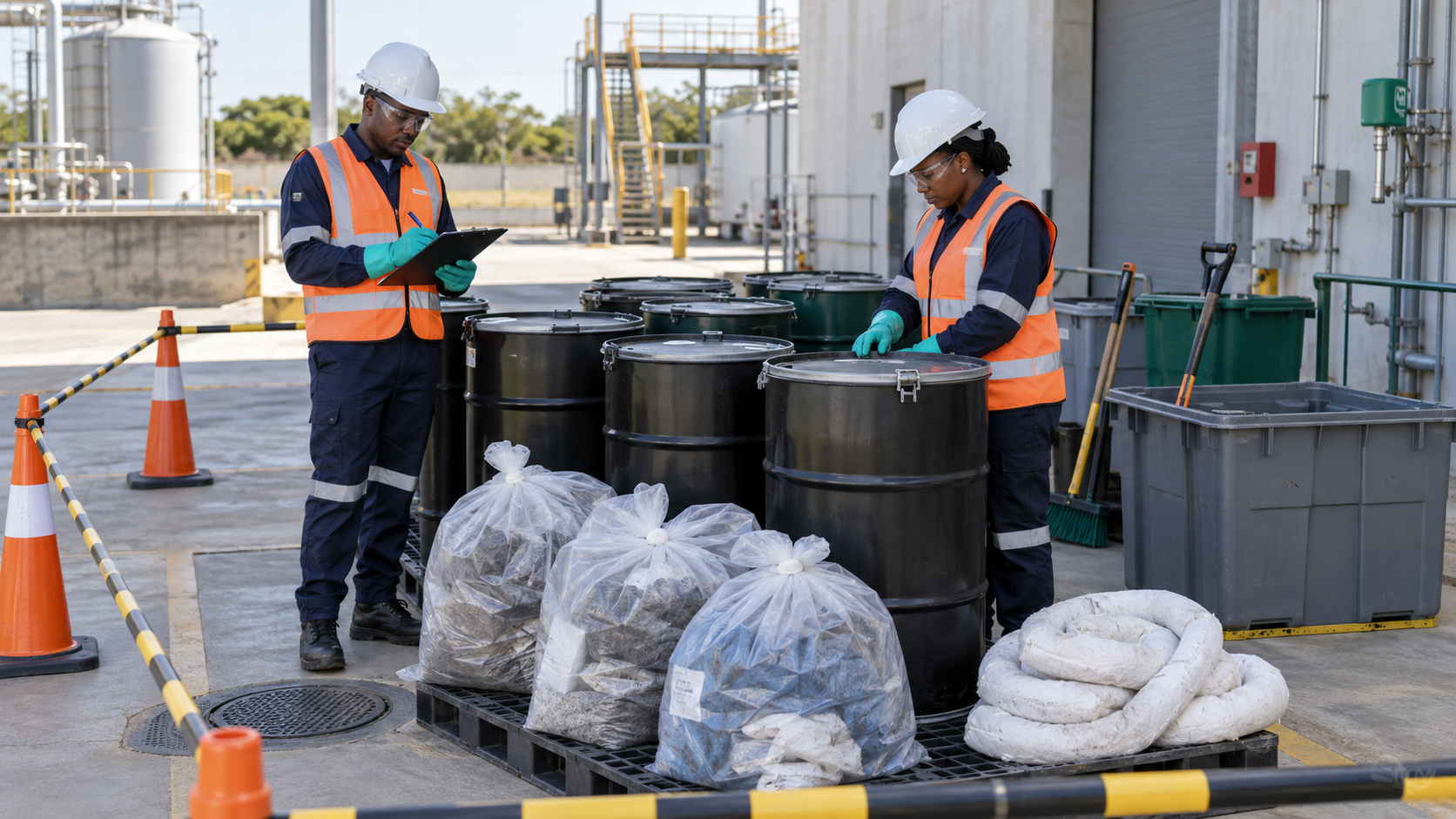 6 min read ·
 Poorly managed waste can injure workers, contaminate water, obstruct drainage, attract disease vectors and create harmful smoke when burned.
Read article →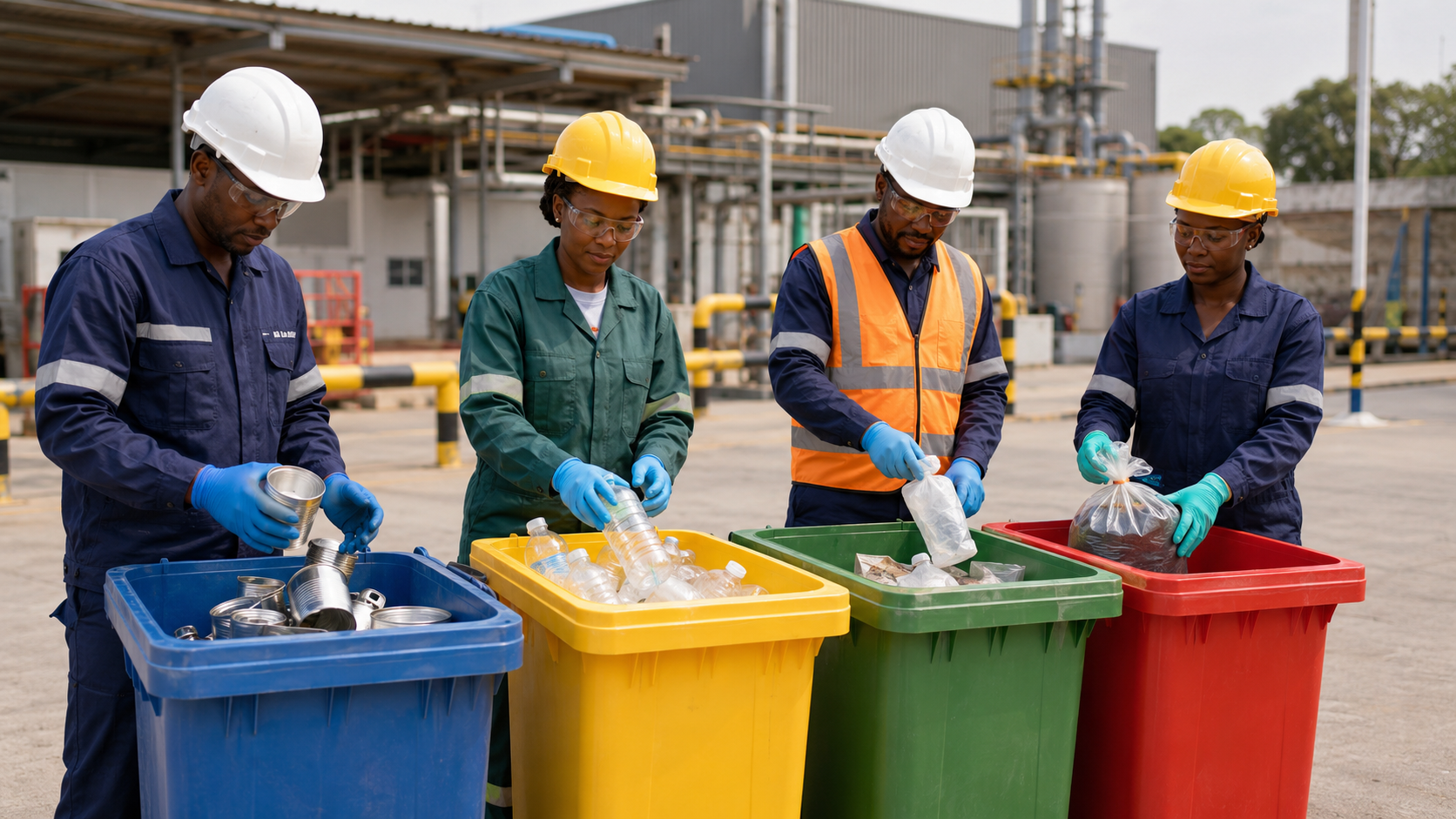 5 min read ·
 Individual choices may look small, but repeated across a workforce or community they create either pollution—or a culture of care.
Read article → 6 min read ·
 A successful World Cleanup Day campaign is measured by the systems and behaviours that remain after the photographs and collected bags are gone.
Read article →3 min read · Why repeated refrigerant charging deserves investigation, reliable records and verified repairs. A practical World Ozone Day guide for workplace teams.
Read article →3 min read · Protect the ozone layer through better cooling-equipment purchasing, installation, maintenance and end-of-life recovery.
Read article →3 min read · Choose lower-impact cooling through engineering review, management of change and refrigerant-specific competence.
Read article →3 min read · Connect operators, maintenance, procurement, contractors and HSSE teams through clear refrigerant-management responsibilities.
Read article →3 min read · Trace recovered refrigerants from equipment to cylinders, receiving facilities and responsible processing.
Read article →4 min read · Ahead of World Ozone Day on 16 September, review how your workplace buys, maintains and retires cooling equipment. An invisible release still deserves a visible control.
Read article → 4 min read ·
 World Cleanup Day on 20 September is a chance to improve waste prevention, food-waste management and safe collection. The lasting achievement is a better system after the cleanup ends.
Read article →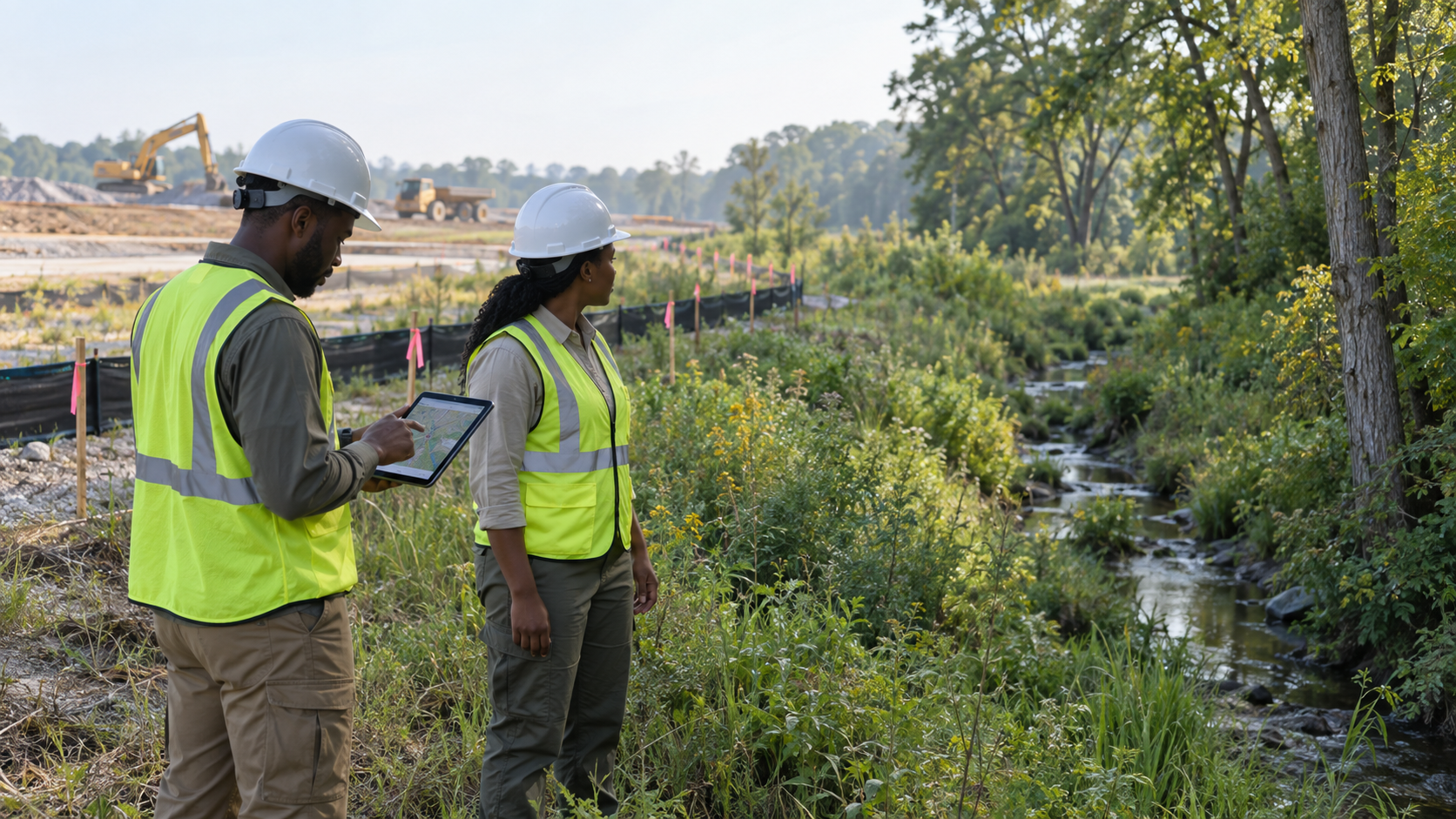 8 min read ·
 A practical method for finding ecological constraints early, translating them into work controls and verifying that construction and maintenance protect habitats beyond the marked footprint.
Nature Positive by 2030: the race is on! · WWF
 8 min read ·
 How environmental teams can turn spill plans, drainage knowledge, equipment readiness and realistic exercises into dependable pollution-prevention controls.
Global Partnership on Marine Litter · UN Environment Programme
6 min read · A closer look at containment, inspection, housekeeping and response readiness as parts of responsible environmental management.
Global Partnership on Marine Litter · UN Environment Programme
WWF responded to a reported change in interpretation of the United States Endangered Species Act, arguing that limiting prohibited harm to intentional actions would undermine the law’s ability to protect endangered species and the habitats and natural systems on which they depend.
Official source ↗UNEP OzonAction set out the 2026 World Ozone Day theme, ‘Global action for a cooler planet,’ and marked ten years since adoption of the Kigali Amendment. Its material connects continued implementation of the Montreal Protocol with lower-impact refrigerants, energy-efficient cooling, responsible servicing, refrigerant recovery and stronger technical capacity.
Official source ↗EPA announced a time-critical removal action at the former Rumsey Mill in Montana after sampling identified arsenic, lead and mercury contamination and continuing movement of material into the Fred Burr Creek area. Planned work includes excavation, consolidation in a protected repository, erosion and surface-water controls, and restoration of disturbed ground and the stream corridor.
Official source ↗Ahead of Climate Week NYC and the UN General Assembly high-level week, WWF outlines why climate action and nature protection should be planned together. The article highlights nature-based resilience, freshwater and ocean priorities, biodiversity finance and the need for organisations to move from public commitments into strategy, budgets and implementation.
Official source ↗Put it into practice
Daily HSSE updates
Subscribe for the daily message, selected HSSE news and occasional new-resource alerts from Worksite Safety Hub.