The complete series
Seventeen lessons for credible progress
Read in sequence or begin with the lesson most relevant to your team today.
 Lesson 1 · 7 min read
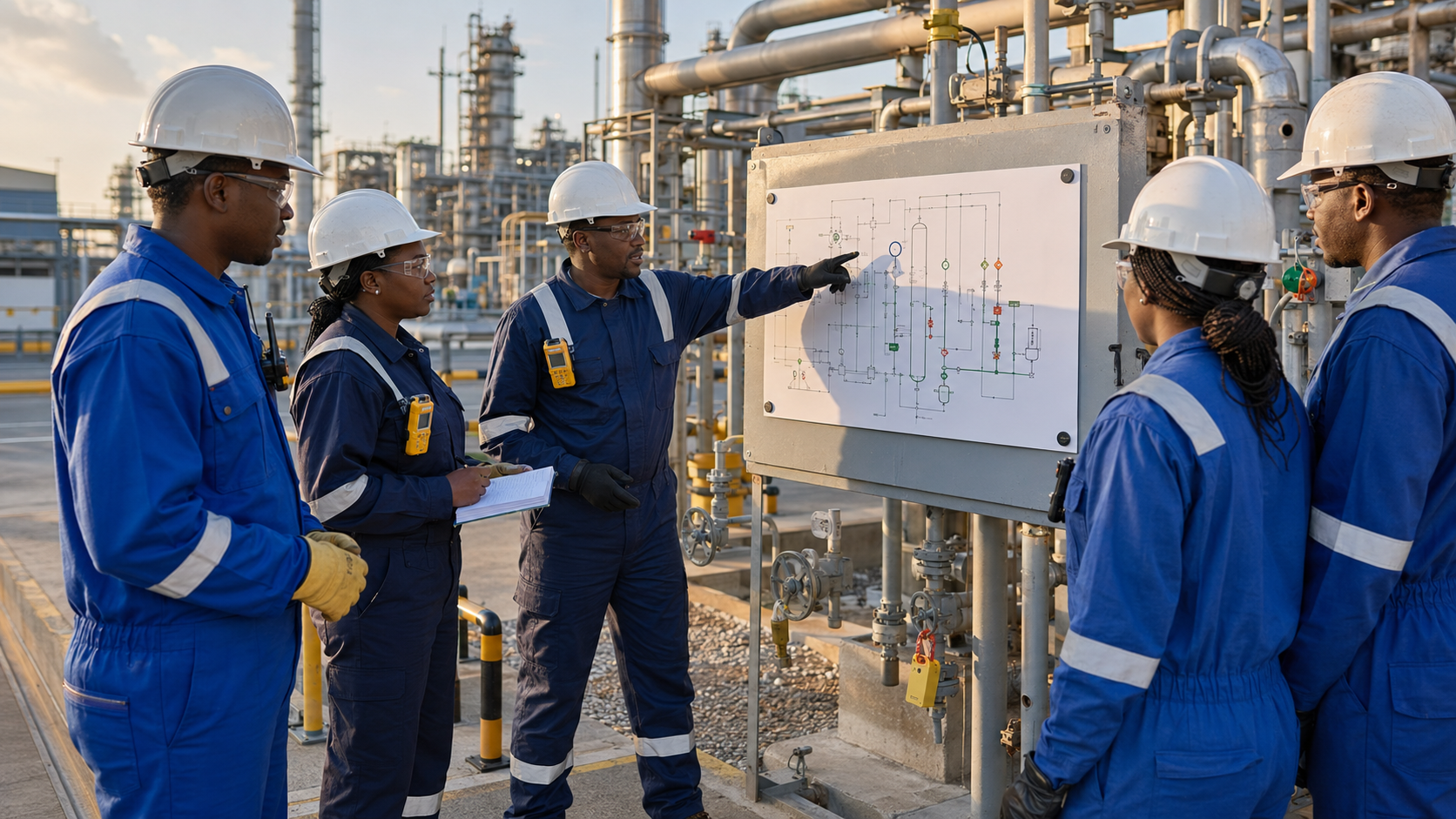
Real progress is not measured by output alone. It depends on protecting people, keeping critical barriers effective and preserving the capacity to operate safely tomorrow.
Read the full article → Lesson 2 · 7 min read
Complex operations succeed through connected decisions. Strong handovers, respectful challenge and timely information-sharing convert individual competence into dependable team performance.
Read the full article →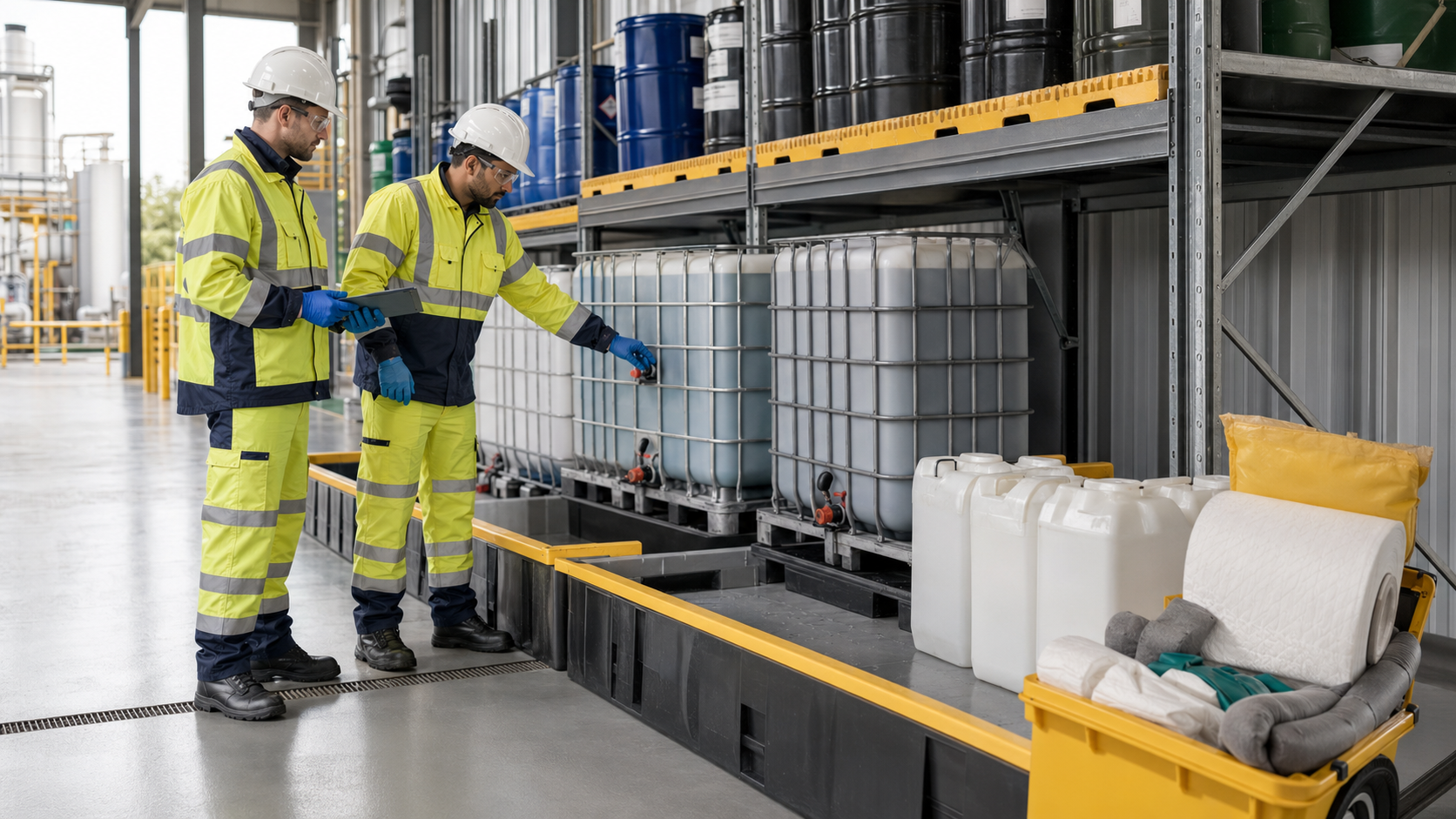 Lesson 3 · 8 min read
Emissions performance is built into daily operations. Preventing leaks, avoiding unnecessary flaring and using energy efficiently can protect value while reducing environmental impact.
Read the full article →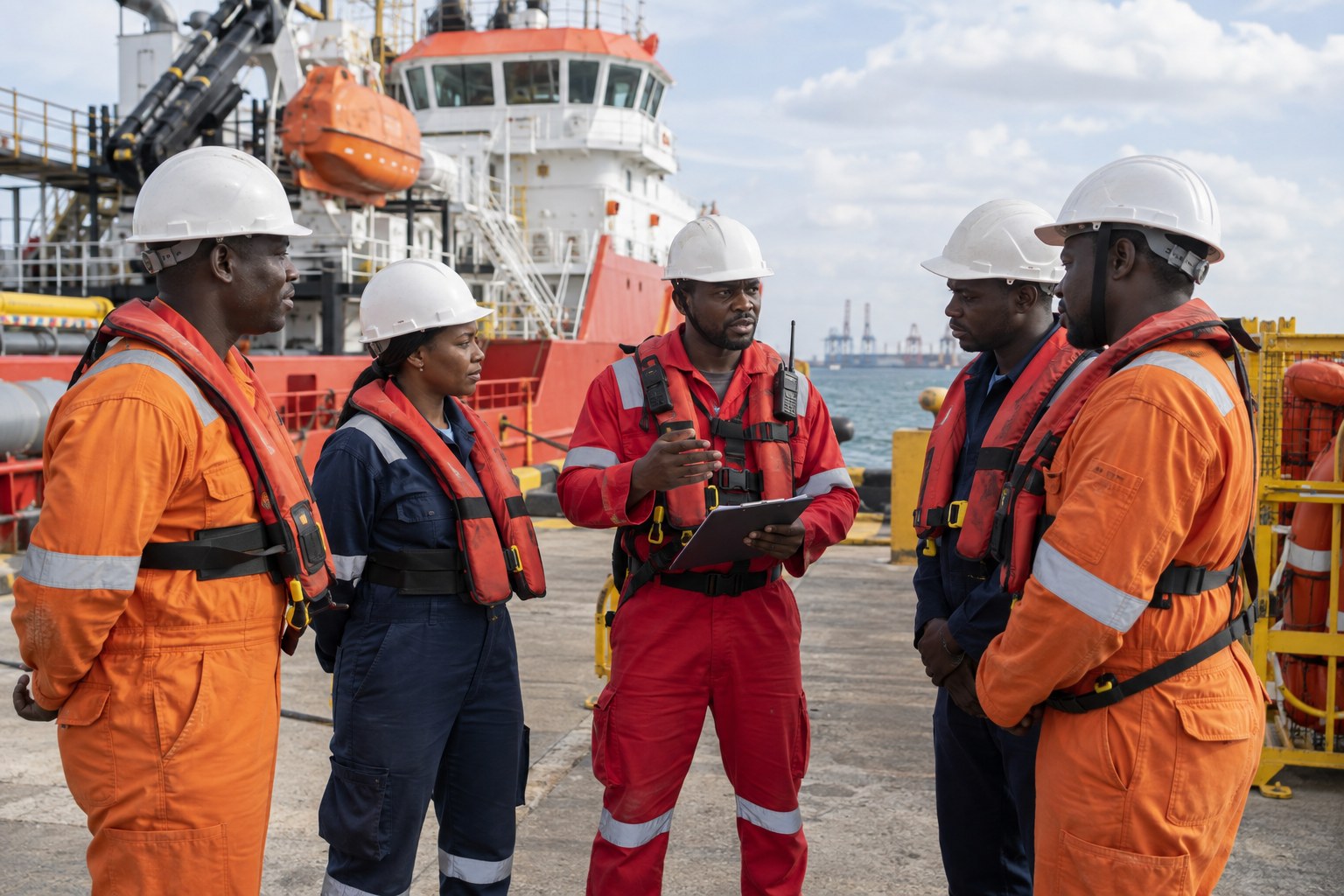 Lesson 4 · 7 min read
Energy reliability supports homes, services, businesses and livelihoods. Operational excellence gains meaning when teams connect safe delivery with the people and communities who depend on it.
Read the full article →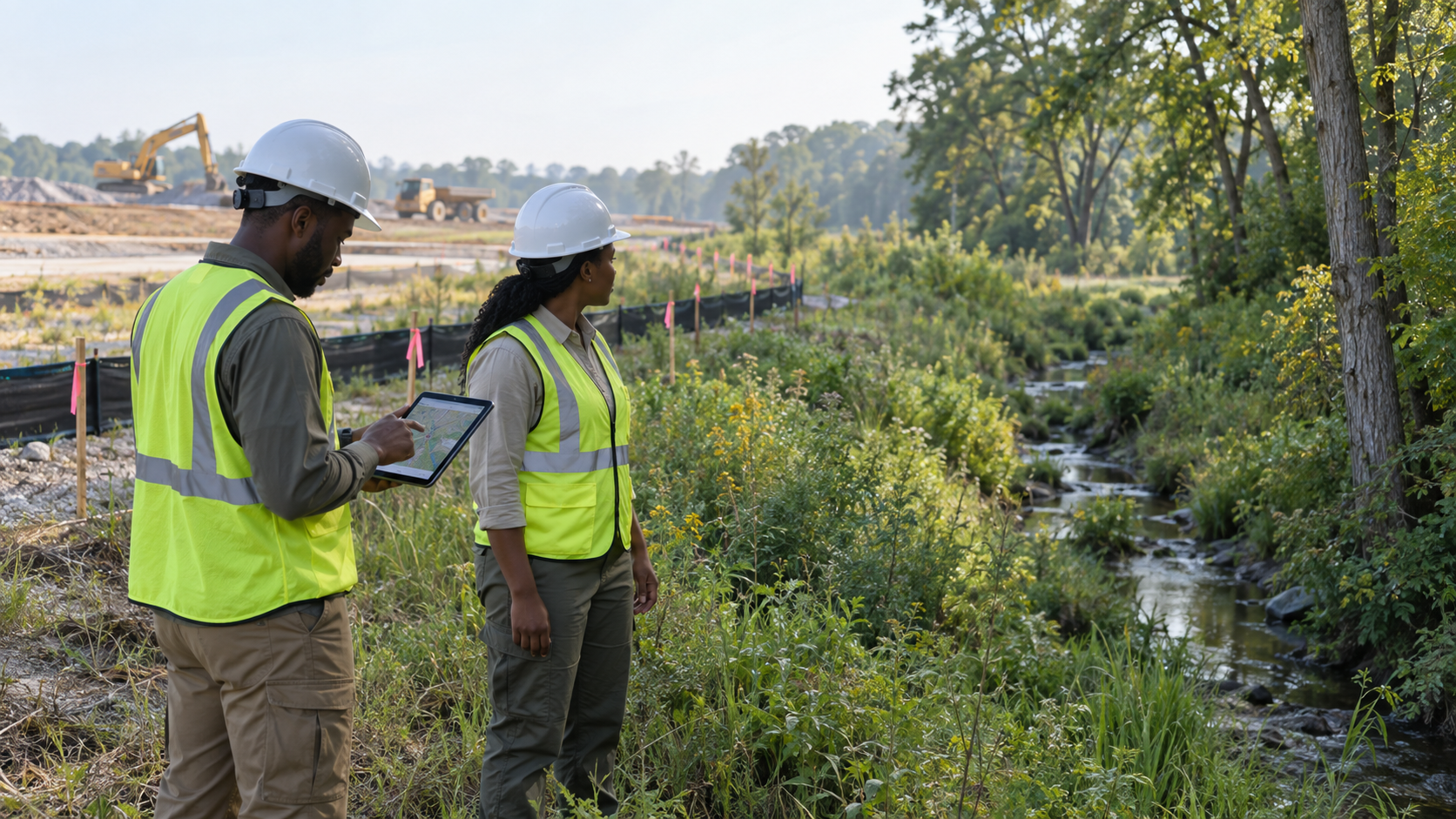 Lesson 5 · 8 min read
Environmental protection is strongest when it is designed into scope, access, materials, controls and restoration—before equipment and people mobilise.
Read the full article → Lesson 6 · 7 min read
Performance is trustworthy only when it reflects actual conditions. Integrity turns weak signals, barrier status and frontline concerns into decisions before they become consequences.
Read the full article → Lesson 7 · 7 min read
Reliable performance is built by noticing small changes early, understanding what they mean and acting before deterioration removes safer options.
Read the full article →Lesson 8 · 7 min readOperating limits preserve safe options. Teams protect progress by recognising adverse trends early and taking the approved action before margins disappear.
Read the full article →Lesson 9 · 7 min readTrue efficiency removes preventable loss without weakening safety or reliability. It simplifies work, conserves resources and releases capacity for higher-value activity.
Read the full article →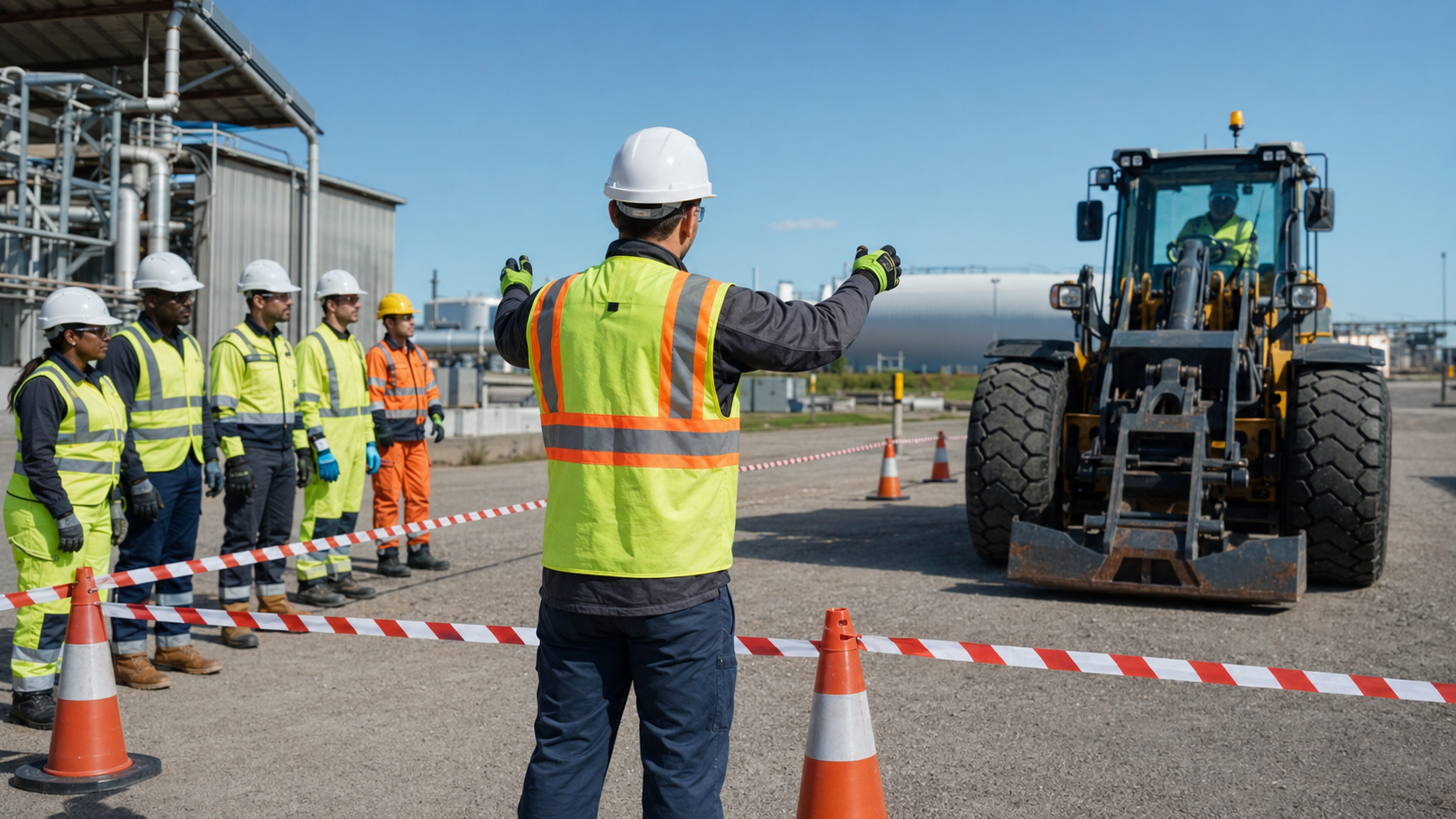 Lesson 10 · 8 min read
An investigation creates value only when its actions change conditions in the field and the improvement remains effective after attention moves elsewhere.
Read the full article →Lesson 11 · 7 min readSpeaking up protects people, barriers and value—but only when concerns receive a respectful response, competent review and visible closure.
Read the full article →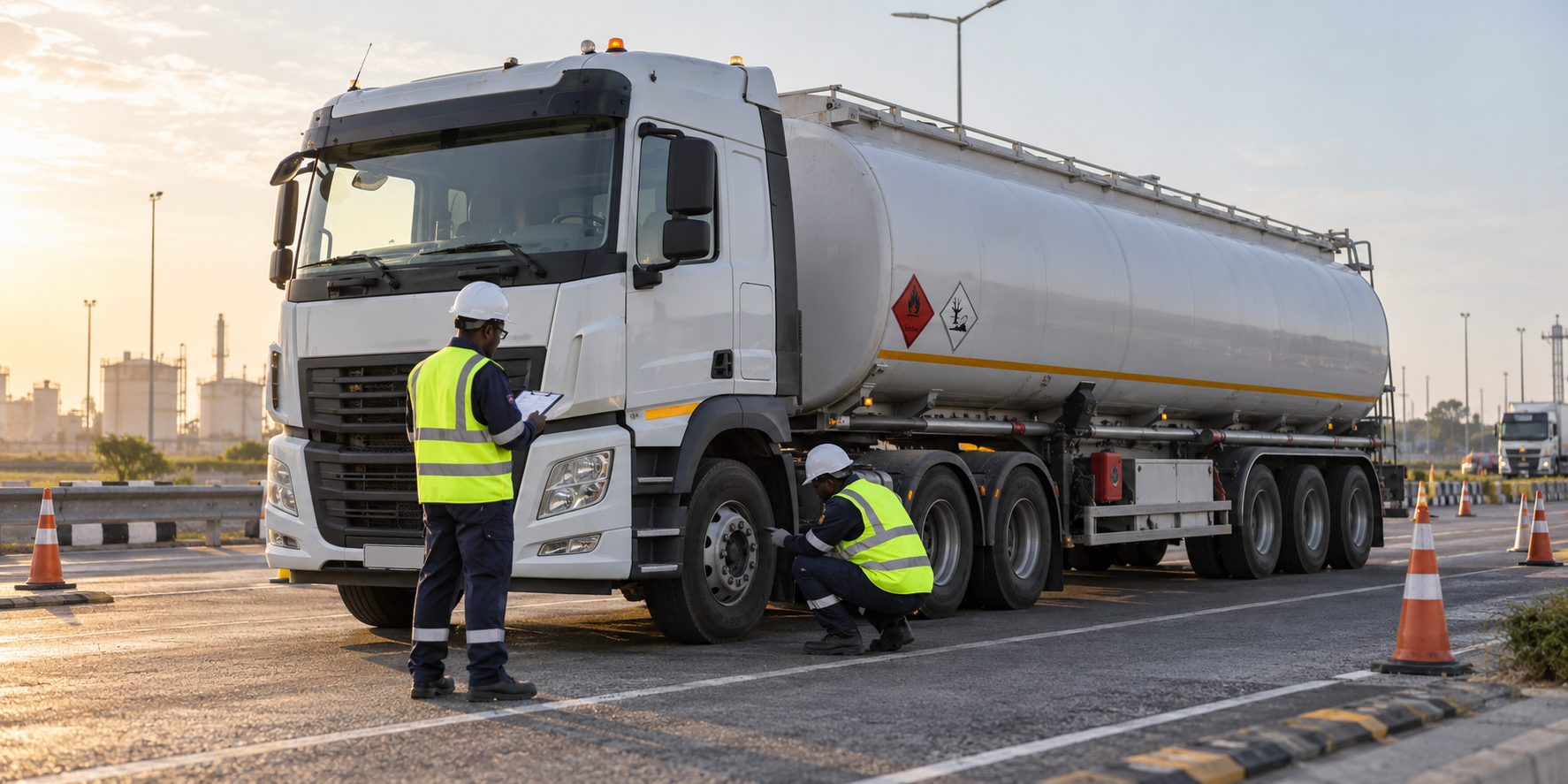 Lesson 12 · 8 min read
Maintenance preserves the functions that make production safe and sustainable. Deferral becomes risk when condition, consequence and restoration are not actively controlled.
Read the full article →Lesson 13 · 8 min readChange can invalidate yesterday’s assumptions. Progress remains controlled when technical, procedural and organisational changes are assessed before implementation.
Read the full article →Lesson 14 · 7 min readData creates value only when it is trustworthy, interpreted in context and connected to a clear decision, owner and response threshold.
Read the full article →Lesson 15 · 7 min readOperators, technicians and contractors hold practical knowledge that plans and dashboards cannot fully capture. Early involvement improves controls and ownership.
Read the full article →Lesson 16 · 8 min readWork is complete only when safeguards are restored, residual risks are visible and the receiving team understands the condition it inherits.
Read the full article →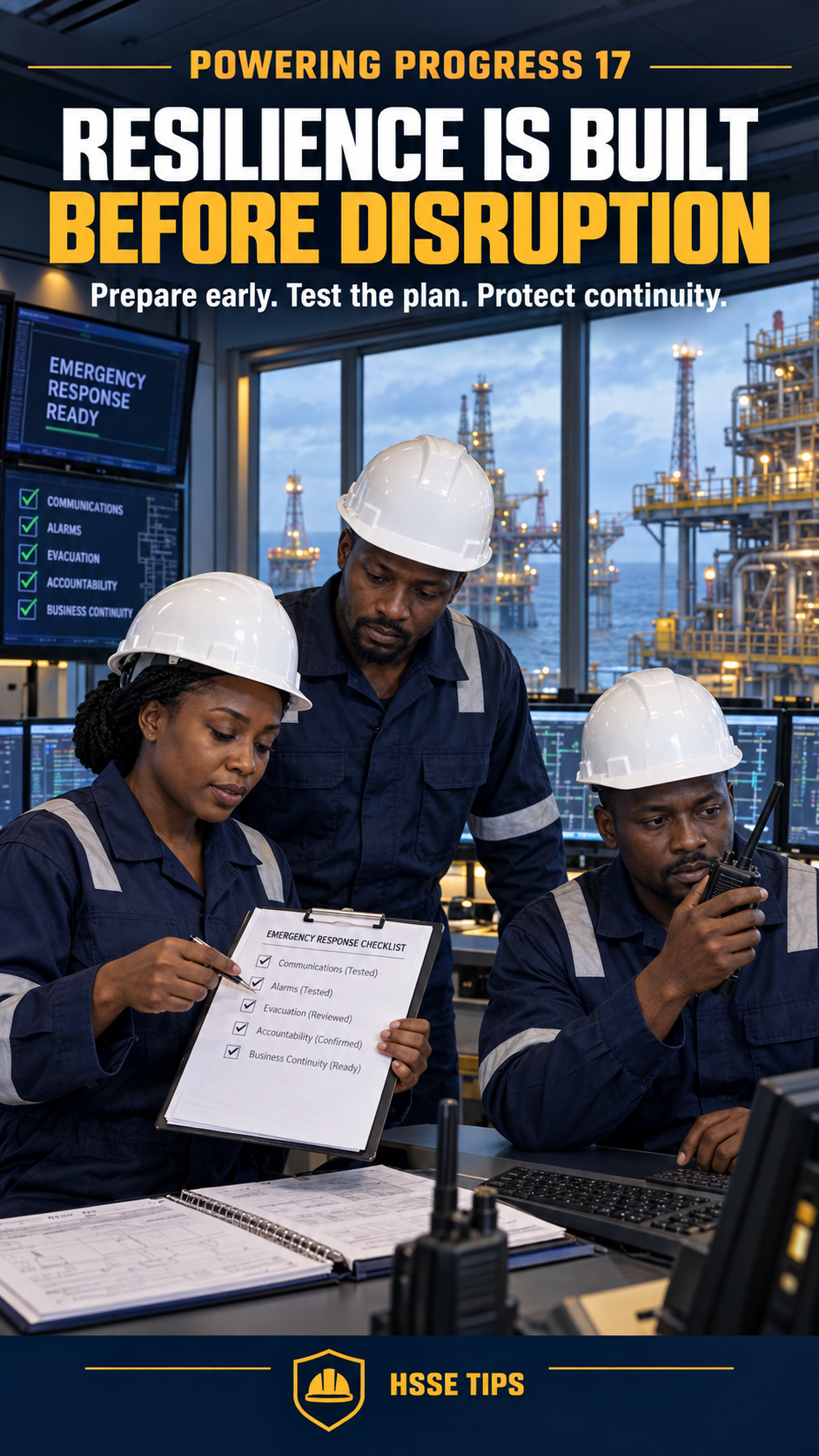 Lesson 17 · 8 min read
Operational resilience is created before an emergency. Prepared teams understand critical dependencies, test realistic response plans and learn from drills before disruption removes their options.
Read the full article →