Short, practical messages designed for toolbox talks, shift briefings and daily team conversations.
Page 10 of 11 · Daily safety messages 109–120 of 121
· Habitat Connectivity
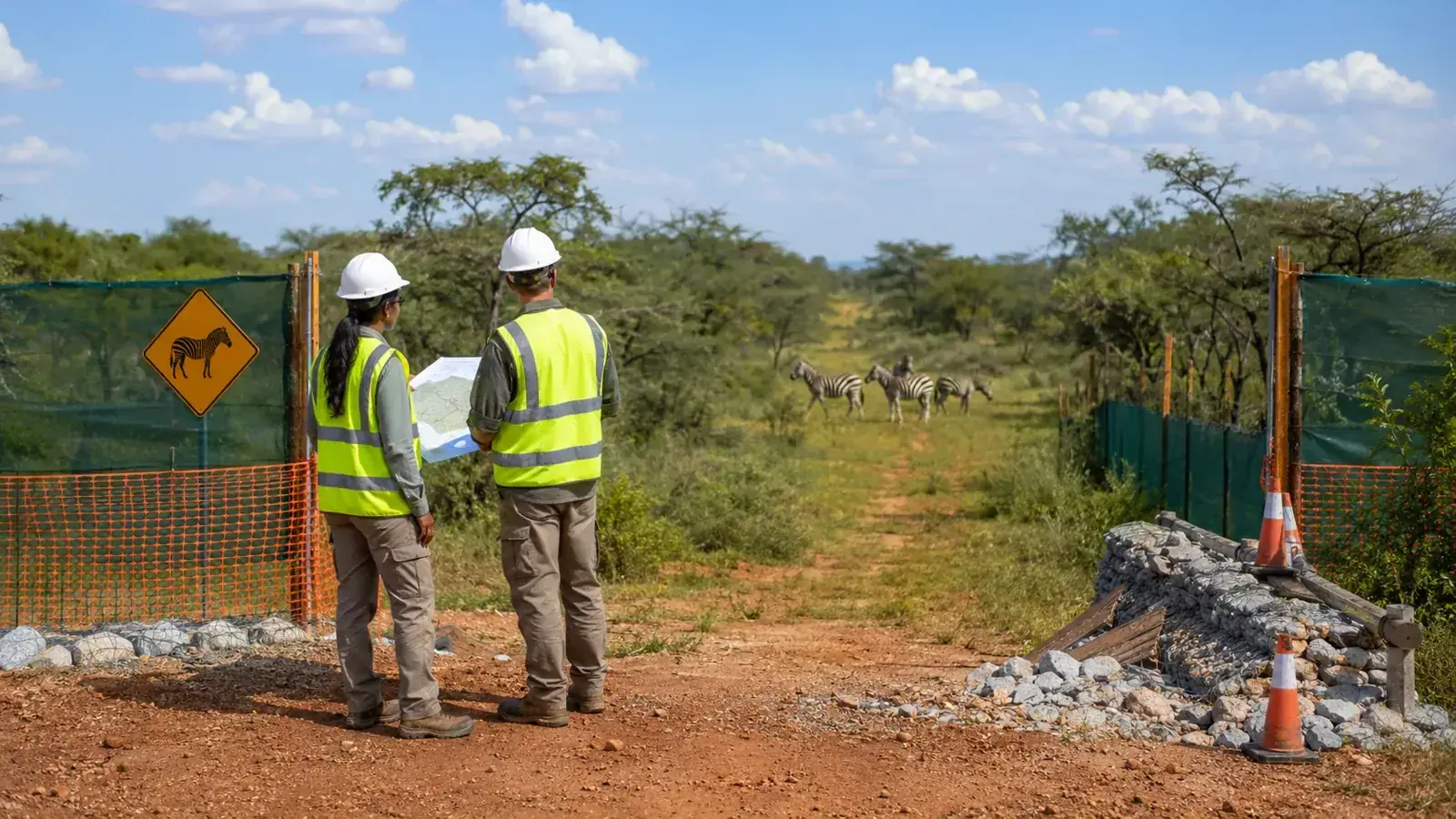
A Worksite Boundary Can Become a Wildlife Barrier
Temporary roads, fences, lighting and storage areas can interrupt routes that wildlife use to reach food, water and shelter. The impact may extend beyond the visible work footprint if animals are diverted into unsafe or unsuitable areas. Before changing site access or boundaries, understand the surrounding habitat and keep approved movement corridors functional.
Working alone or away from the main team can make a small problem harder to detect and slower to address. A check-in plan is a live safeguard, not a courtesy message. Before the task begins, agree when contact is expected, how it will be made and what action follows if the person cannot be reached.
Noise can damage hearing gradually, and the absence of pain does not mean the exposure is safe. Earplugs and earmuffs are important when specified, but they should support—not replace—quieter equipment, separation and well-planned work. Before entering a noisy area or starting a high-noise task, understand the exposure and confirm that every required control is ready.
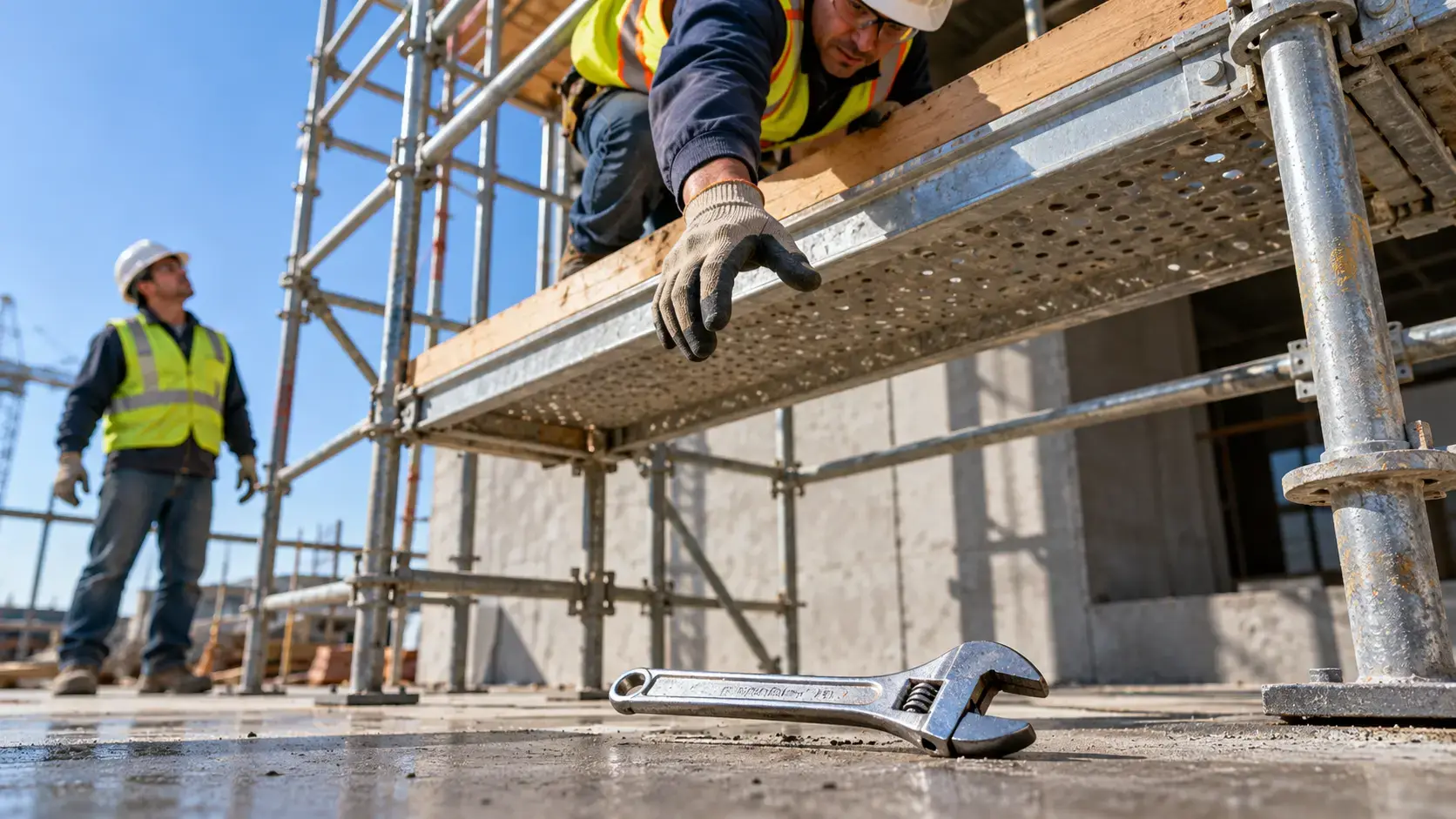
A small tool, fitting or loose item can create serious risk when work takes place above people, equipment or active areas. Hard hats are not a complete dropped-object control. Before starting, identify everything that could fall, secure what must be used and prevent access below until the overhead exposure has been removed.
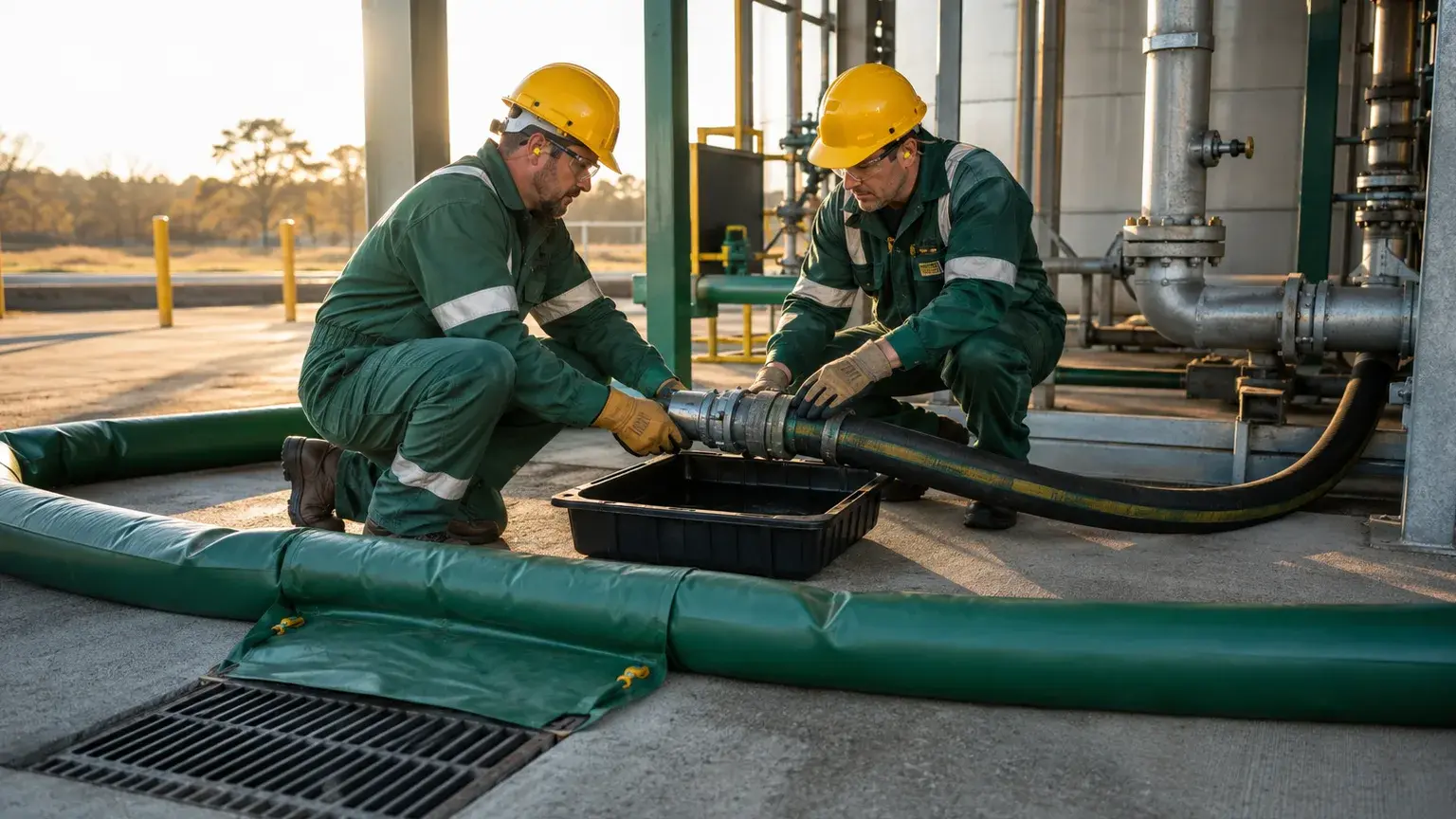
A drain can turn a small loss at the worksite into a much wider environmental impact. Before transferring fuel, chemicals, waste liquids or process fluids, identify every pathway the material could follow and place the controls before opening a valve or connection. Prevention is strongest when containment, drain protection and response materials are ready before the product starts moving.
Dismantling Is a Planned Sequence, Not Reverse Assembly
Taking a structure or temporary installation apart can release loads and remove the stability that earlier steps depended on. Familiarity with how something was assembled is not a safe dismantling method. Before work begins, define the sequence, verify the equipment that will control each load and keep people away from anything that could shift, fall or become unstable.
Procedures, alarms, isolations, interlocks, containment and competent supervision are designed to prevent an unwanted event or reduce its consequences. A barrier may still appear on a checklist even when it is impaired, bypassed or poorly understood. Before relying on any critical control, confirm that it is available, effective and supported by a clear response if conditions move outside the safe plan.
Worksite security depends on everyday awareness, not only gates and cameras. An unfamiliar person in a restricted area, a door left unsecured, an unattended access card or an unexpected request for site information may be an early warning. Challenge concerns respectfully, protect sensitive information and report unusual activity promptly so it can be checked before it becomes a larger problem.
Fatigue can narrow attention, slow decisions and make familiar work feel easier than it really is. Fitness for work is not only about arriving for the shift; it means being able to stay alert, follow the plan and recognise when conditions change. Teams should make it normal to speak up early when tiredness, workload or reduced concentration could affect safe performance.
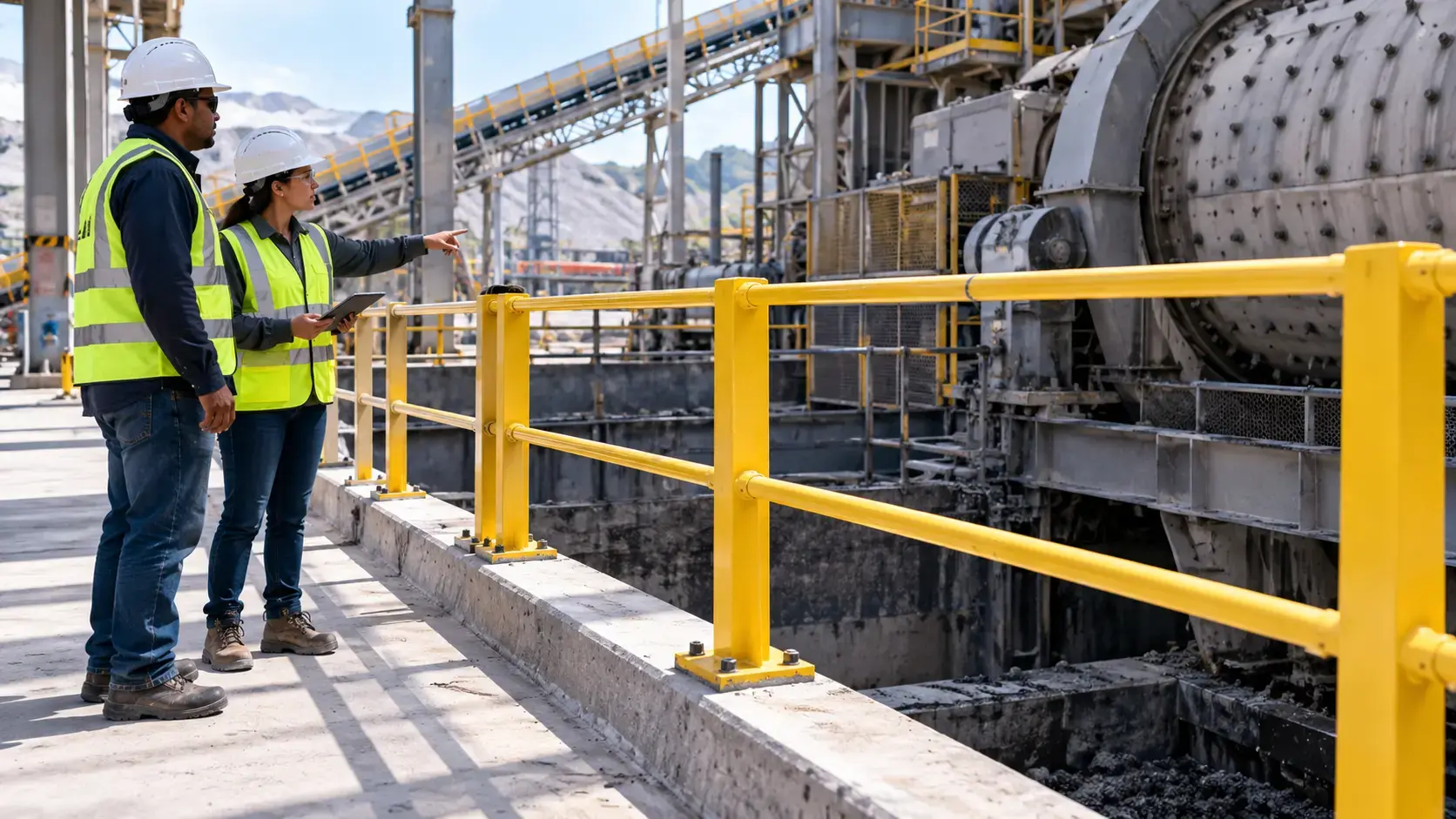
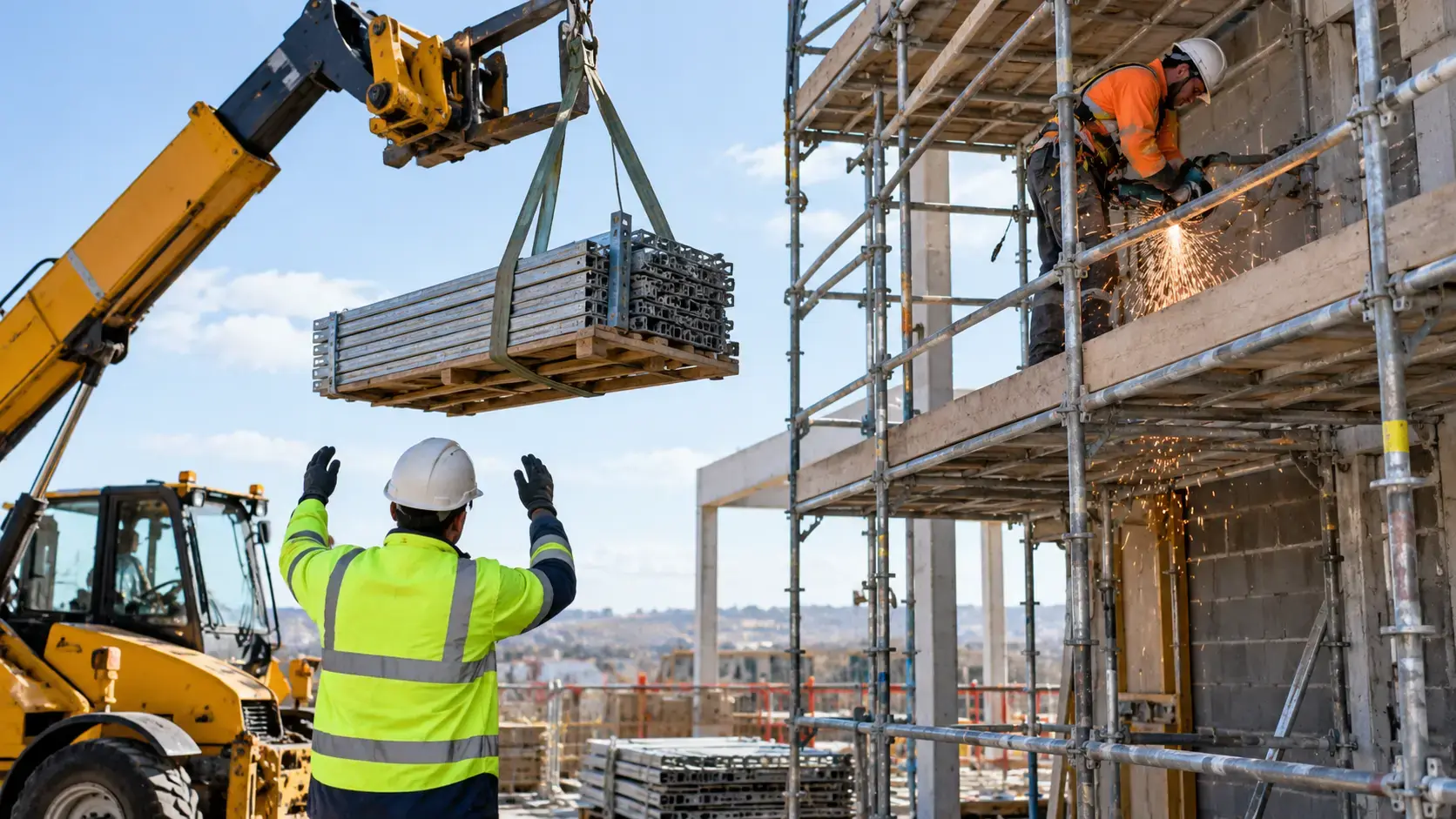
A task may be properly planned in isolation and still become unsafe when nearby work changes the conditions. Lifting, testing, draining, energising, vehicle movement and maintenance can introduce energy, access restrictions or exposure into another team’s work area. Before starting and whenever the workfront changes, teams must check how their activities interact and agree who controls the shared risk.
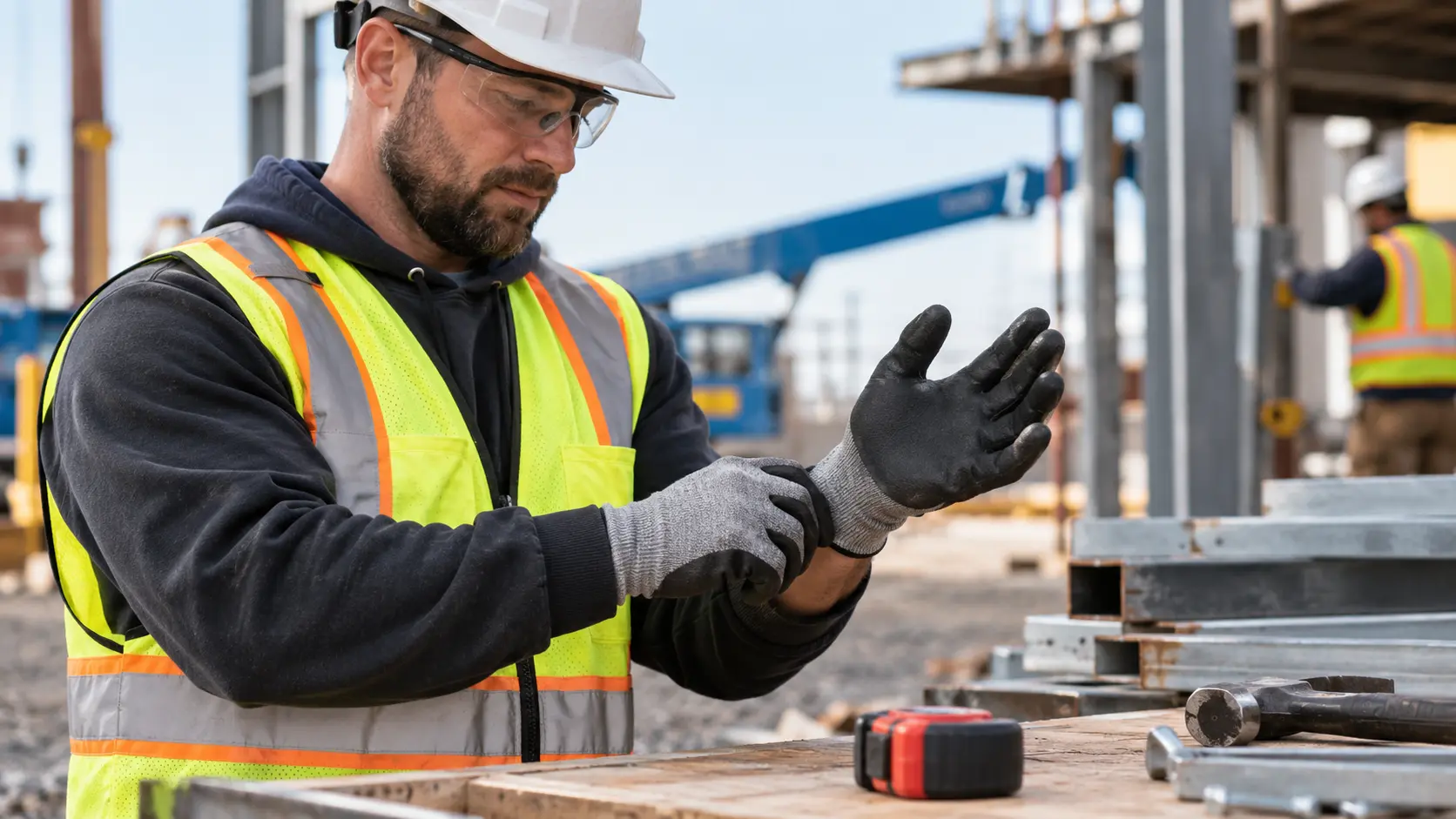
Hands are often placed close to tools, moving parts, sharp edges and stored energy because the job appears familiar or quick. Gloves can reduce some exposures, but they cannot make an unsafe hand position safe. Before touching, lifting, aligning or clearing anything, identify where the item could move and choose a method that keeps hands away from pinch, cut and crush zones.
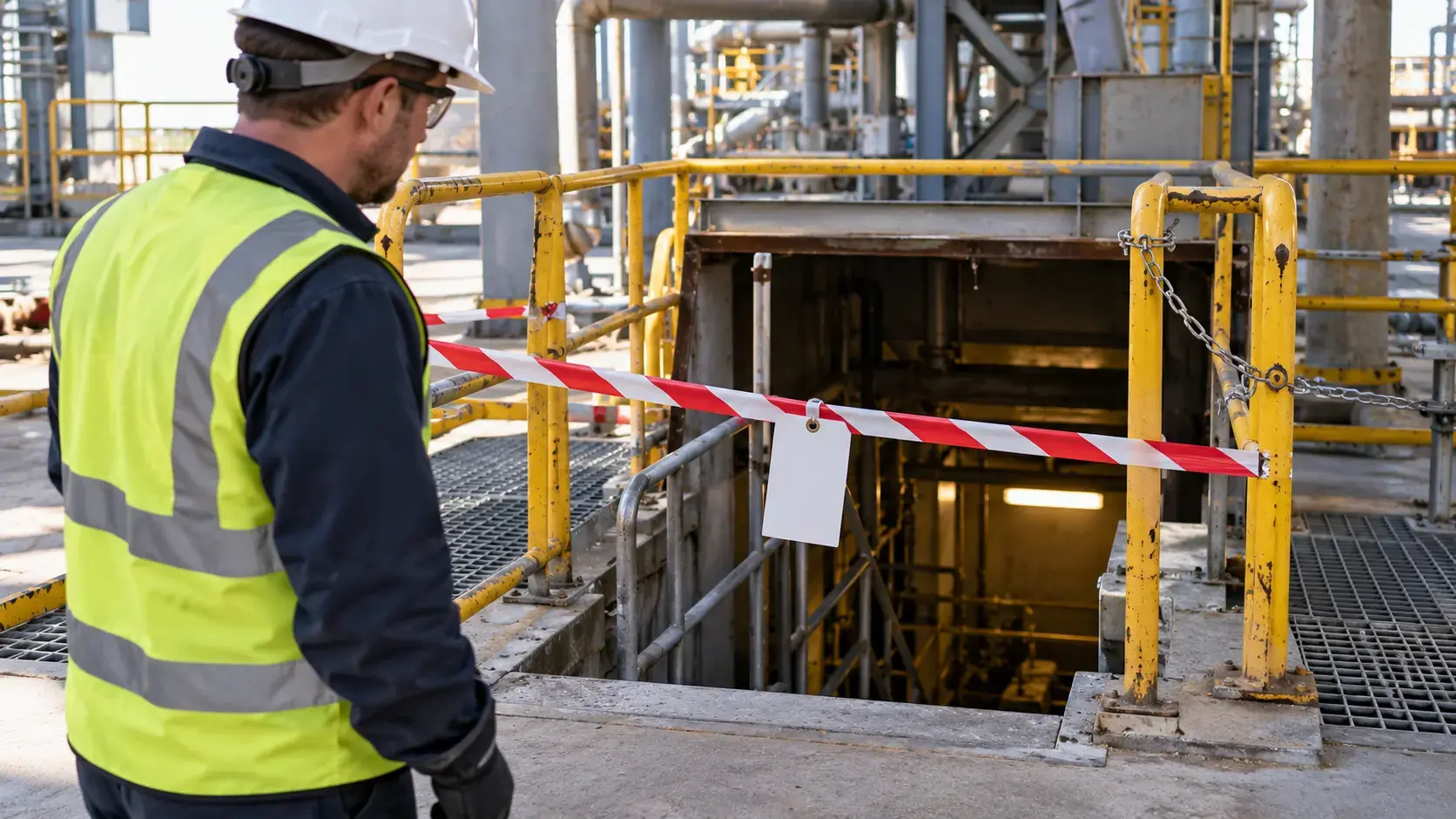
A permit to work is effective only when the conditions written on it match the conditions at the job site. Before work begins, the performing team and area authority must confirm the scope, hazards, isolations, simultaneous activities and required precautions together. If the task, location, equipment or surrounding conditions change, stop and have the permit reassessed before continuing.
 · Habitat Connectivity





Your experience matters
Share your thoughts on this page
Have a question, a useful experience or a suggestion? Add your input below.
Comments are public. Keep them respectful and relevant. Do not share contact details, confidential information or emergency reports.
Comments on this page
Loading comments…