Short, practical messages designed for toolbox talks, shift briefings and daily team conversations.
Page 8 of 11 · Daily safety messages 85–96 of 122
· Heat Stress and Recovery
Cooling Down Is Part of the Job, Not Time Away from It
Heat strain can continue building after the hardest part of a task has finished, especially when protective clothing limits evaporation or the next job begins before the body has recovered. Thirst alone is not a reliable early warning. Safe heat management plans the work, recovery and observation together so that a worker does not carry an unseen heat burden into the next activity.
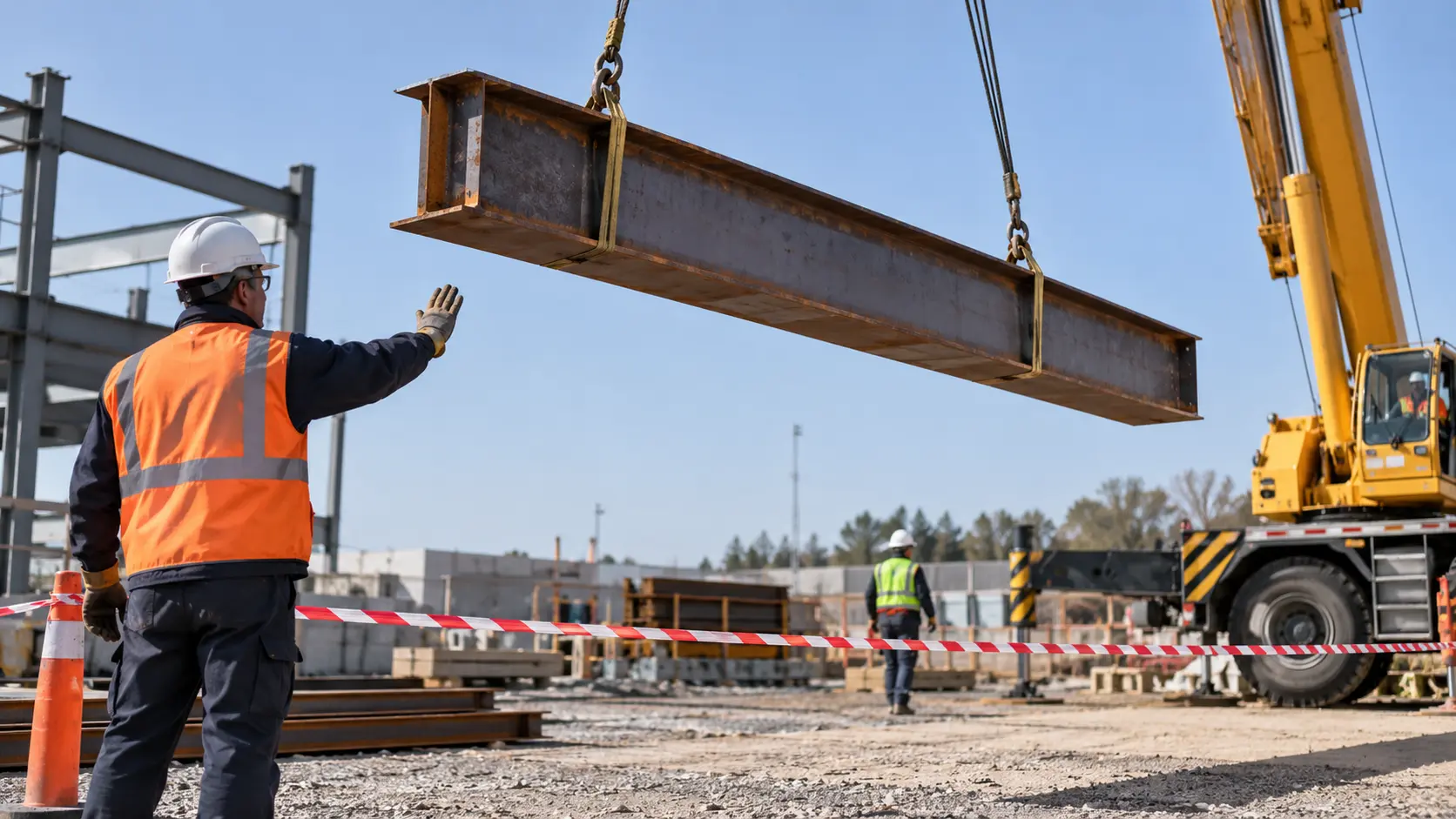
A load can swing, rotate, snag or shift even when the crane and rigging appear stable. Walking beneath it, reaching between it and a fixed object, or using hands to steady it places the body where one unexpected movement can cause crushing or fatal injury. A safe lift keeps people separated from the load path and controls movement through planning, communication and suitable equipment.
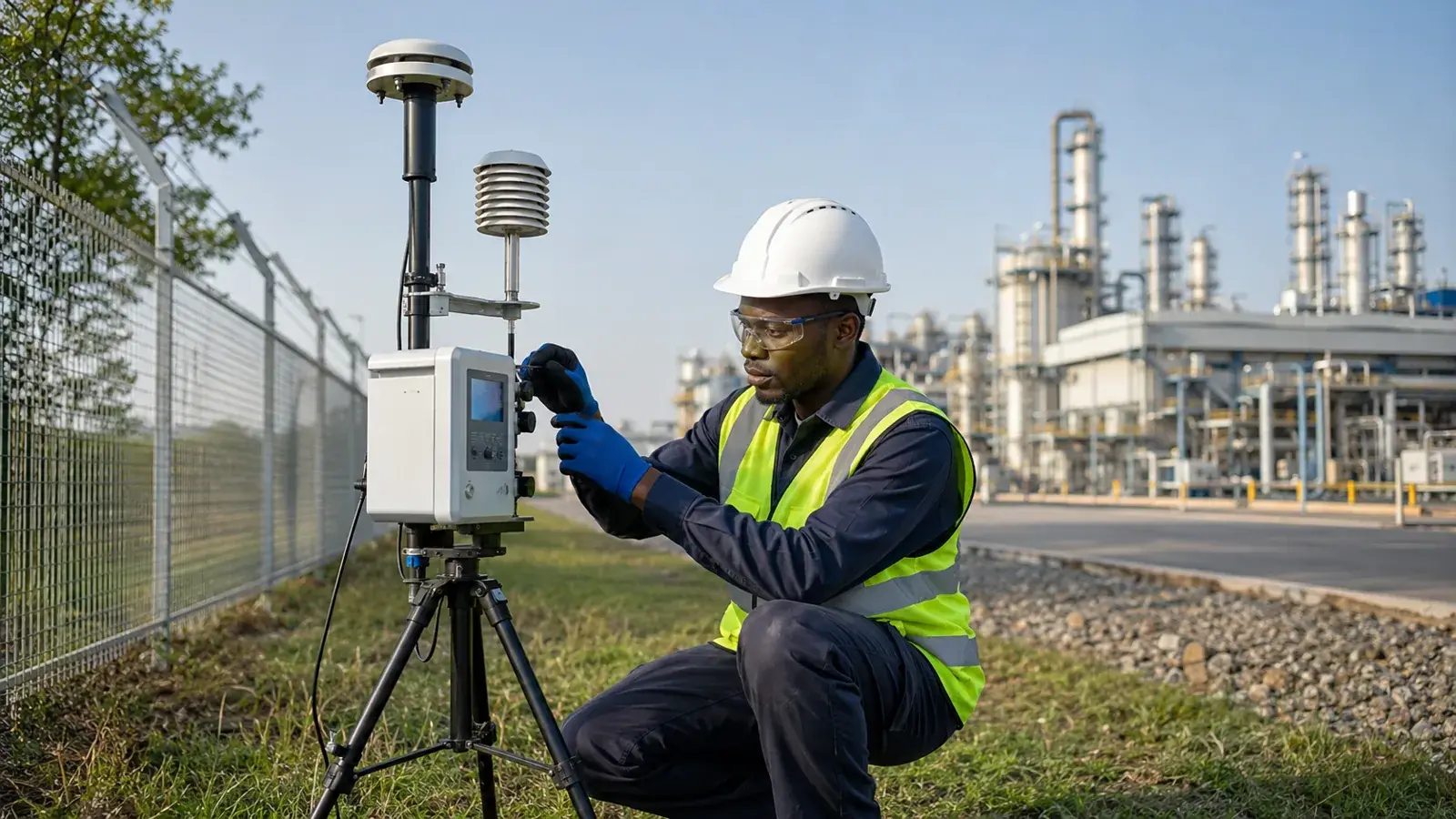
An Environmental Reading Is Only as Reliable as the Way It Was Collected
A monitor can display a precise number while still giving a misleading picture if it is poorly sited, out of calibration, affected by weather or used outside its intended purpose. Environmental decisions should therefore consider the whole measurement process—not only the value on the screen. Reliable monitoring begins with a clear objective, suitable equipment and documented quality checks that allow an unusual result to be verified and acted on responsibly.
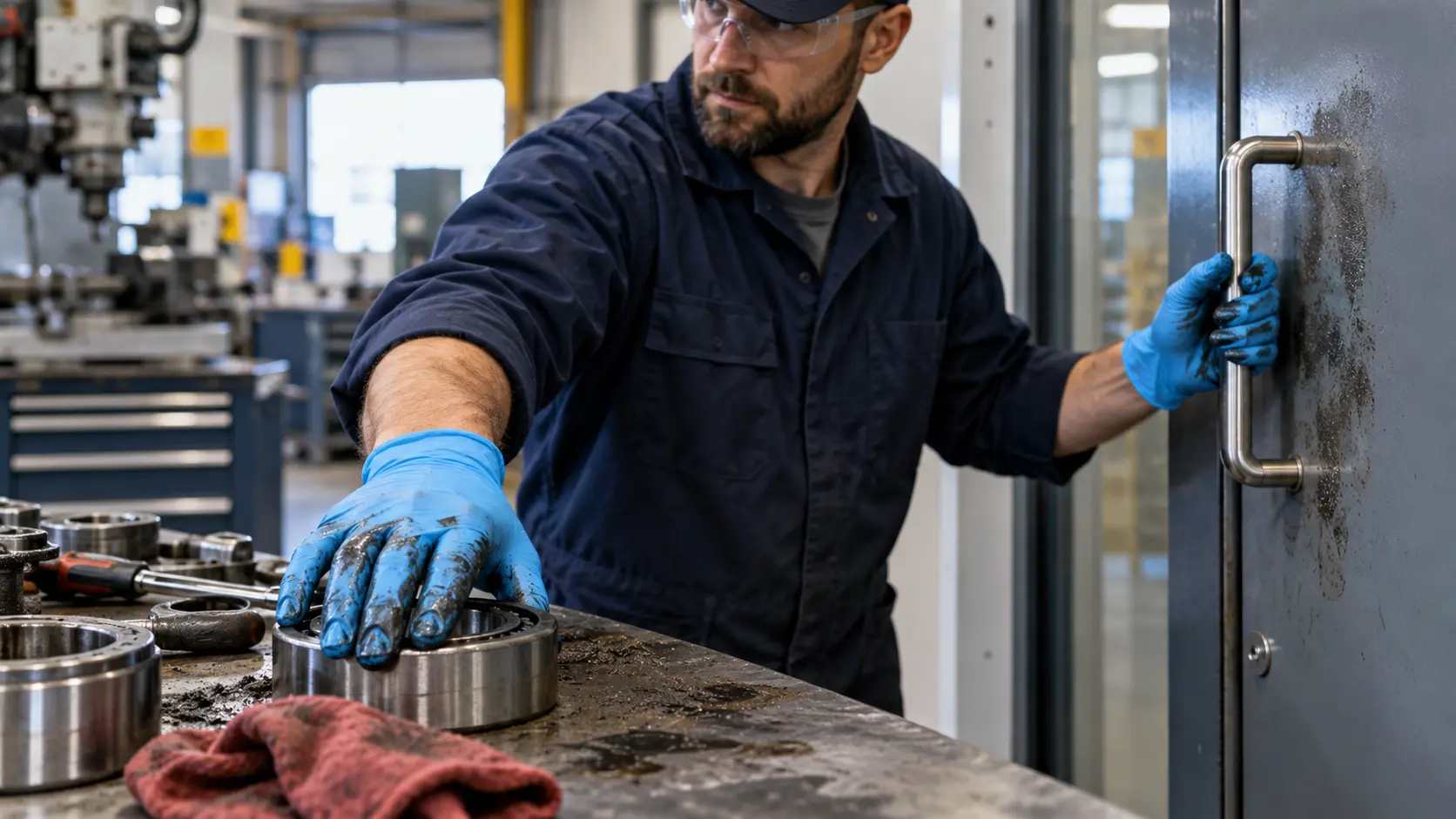
A Glove Can Protect the Hand and Contaminate Everything Else
Chemical-resistant gloves are a barrier only while they are suitable, intact and used without spreading contamination. A gloved hand that touches a radio, door handle, face, notebook or clean control can carry the substance beyond the task and expose other people. Effective protection therefore includes choosing the correct glove, limiting what it touches and removing it without transferring contamination to skin or shared surfaces.
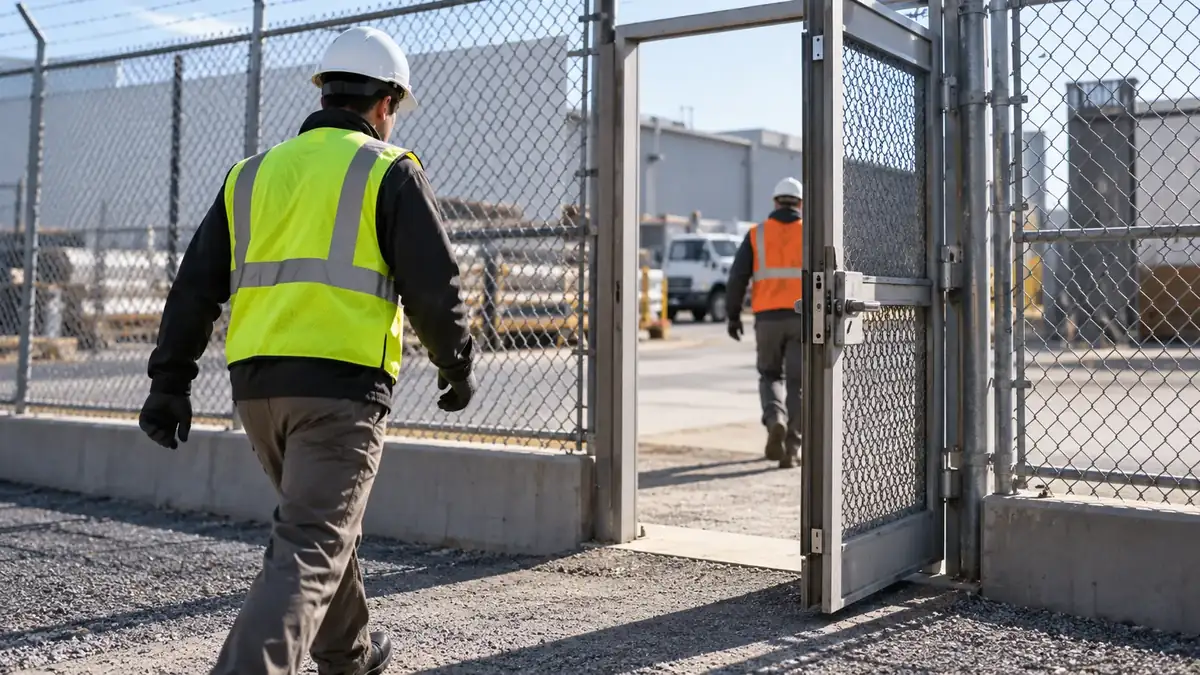
A familiar face, delivery, urgent request or polite gesture can make unauthorised entry feel harmless. Yet every controlled door is part of the site security barrier, and allowing someone to follow without verification removes the opportunity to confirm identity, purpose and access rights. Good security is respectful and consistent: every person uses the approved entry process, and uncertainty is referred rather than guessed.
A Small Object at Height Can Create a Large Consequence
A hand tool, fitting or loose component does not need to be heavy to cause serious harm when it falls. Prevention starts before anyone works above another person: identify what could drop, remove what is unnecessary and secure the items that must be used. Barricades provide important separation, but they do not replace control at the source.
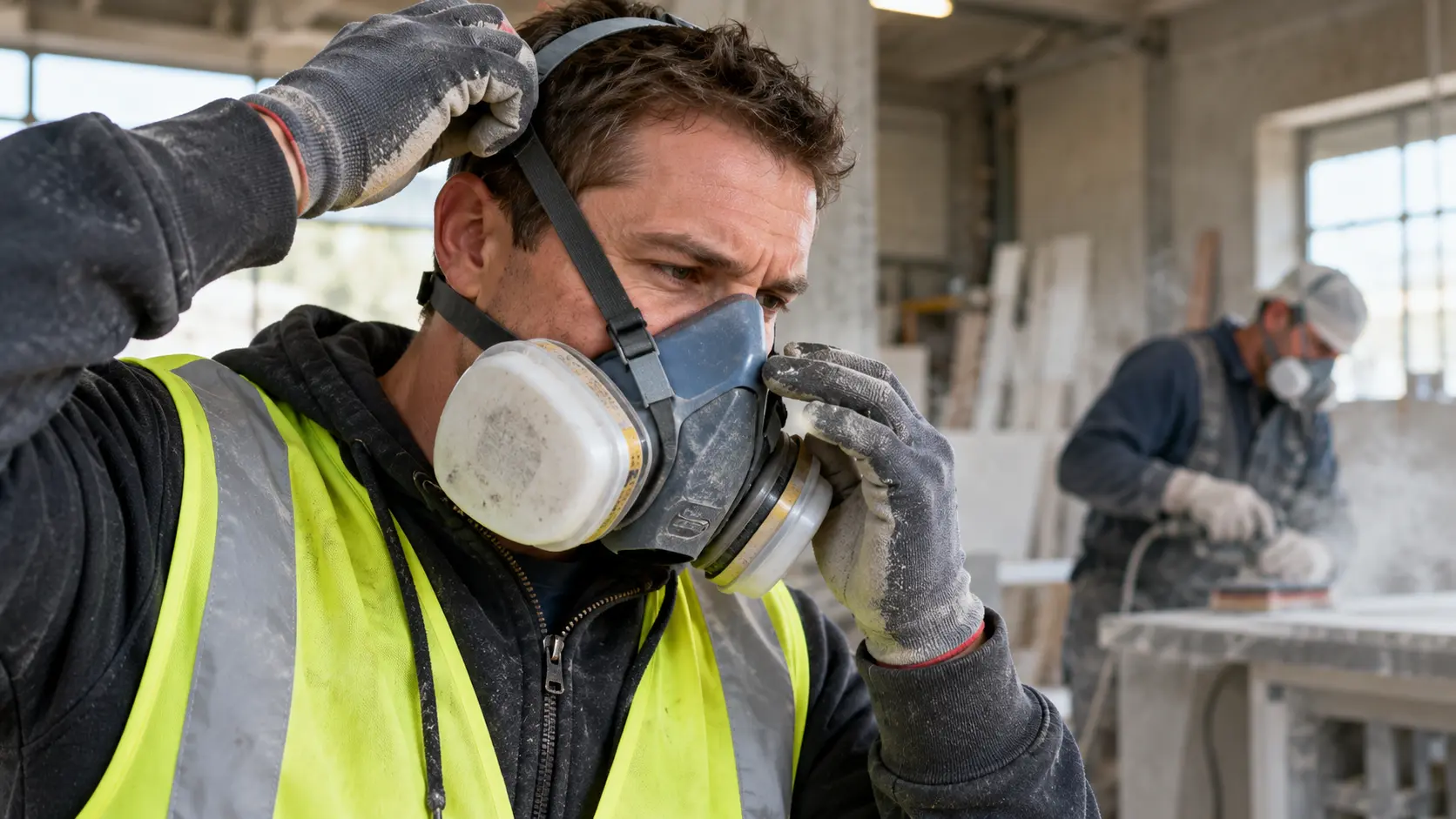
A suitable respirator can still fail when facial hair, damaged components, poor positioning or an incorrect size prevents an effective seal. Protection begins with controlling the airborne hazard at source; where respiratory protection is also required, the selected equipment must match the contaminant, fit the individual and remain correctly worn throughout the exposure.
A trip, alarm, interlock or protective function is installed because a credible hazardous condition must be detected or stopped. Temporarily overriding that safeguard may be necessary for controlled testing or approved operations, but it creates a period of increased vulnerability. The decision must be authorised, visible and supported by effective compensating controls until the safeguard is fully restored.
The Response to a Stop-Work Call Determines Whether People Speak Up Again
Stop-work authority is only credible when the person who raises a concern is treated with respect. A defensive reaction may silence the next warning, even if today’s concern is eventually resolved. Leaders should make the safe pause visible, examine the condition with the work party and communicate what must be verified before the task resumes.
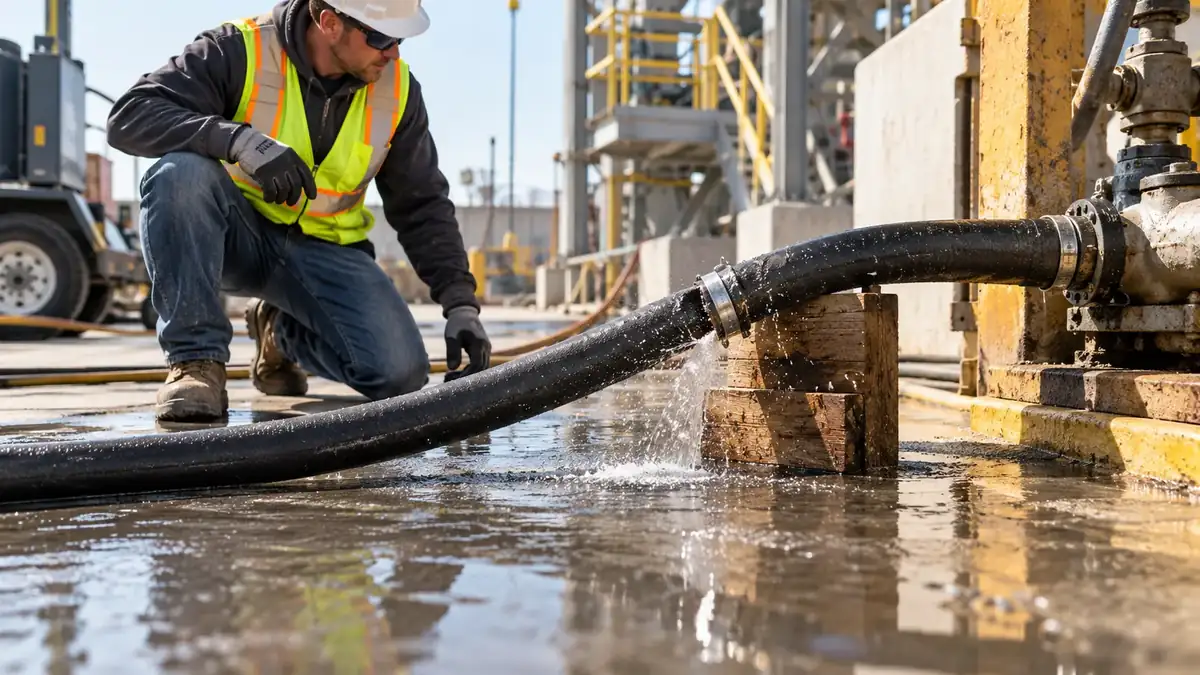
Temporary hoses are often installed to solve an immediate operating need, but poor routing, incompatible materials, unsecured couplings or an undefined removal date can introduce new loss-of-containment and line-of-fire risks. Treat every temporary connection as engineered equipment with known duty, protected routing and active ownership.
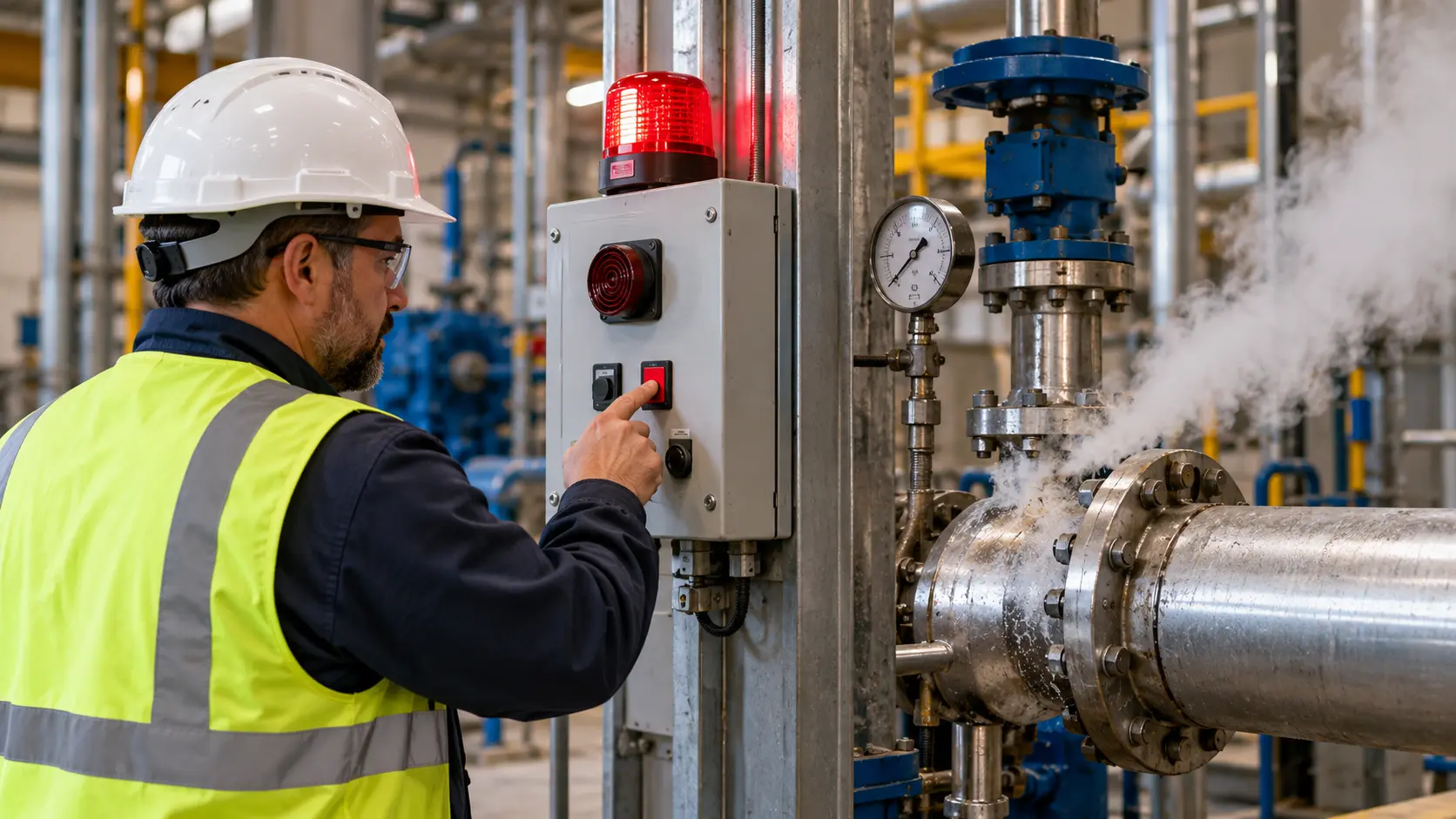
An alarm is a demand for attention, not an inconvenience to be acknowledged and forgotten. Repeated alarms can become familiar, but familiarity does not prove that the underlying condition is safe. Operators must identify the cause, apply the approved response and keep the abnormal condition visible until it is corrected or formally managed.
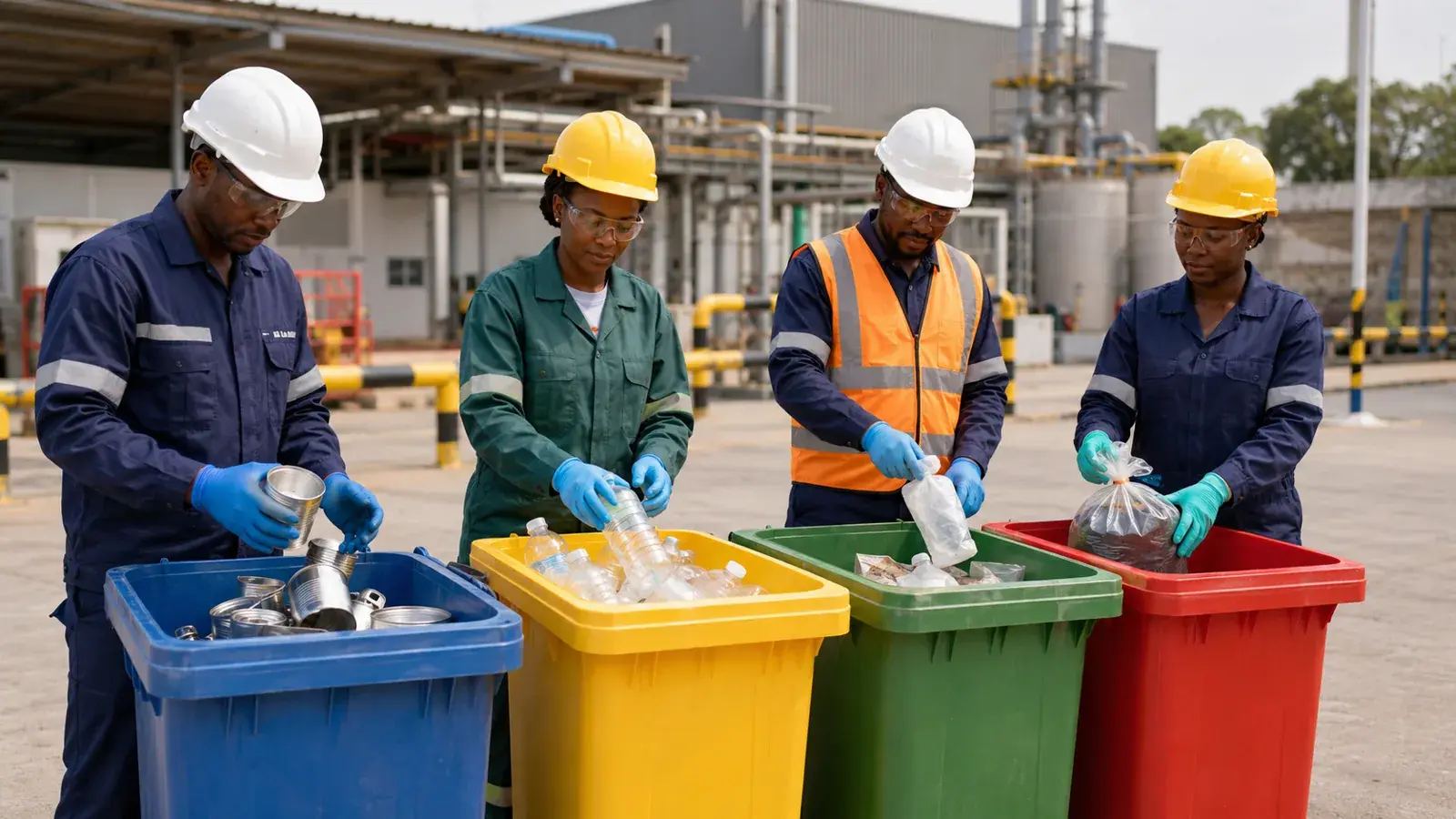
Waste Becomes Harder to Control the Moment It Is Mixed
Segregation at the point of generation protects people, prevents incompatible materials from interacting and keeps recoverable resources out of disposal streams. Once clean recyclables, general waste and contaminated materials are mixed, later sorting may be unsafe, impractical or impossible. The work party should know the waste route before the first item is discarded.
 · Heat Stress and Recovery



Your experience matters
Share your thoughts on this page
Have a question, a useful experience or a suggestion? Add your input below.
Comments are public. Keep them respectful and relevant. Do not share contact details, confidential information or emergency reports.
Comments on this page
Loading comments…