Short, practical messages designed for toolbox talks, shift briefings and daily team conversations.
Page 7 of 11 · Daily safety messages 73–84 of 122
· Welding Fume and Breathing-Zone Exposure
A Clear View of the Weld Is Not Clean Air
Welding fume can enter a worker’s breathing zone even when the work area looks open and the plume appears to drift away. Changes in position, airflow, material, coating or welding method can redirect the exposure toward the welder or nearby workers. Control the fume where it forms, check that the controls remain effective for the actual task, and never treat the absence of visible smoke as proof of clean air.
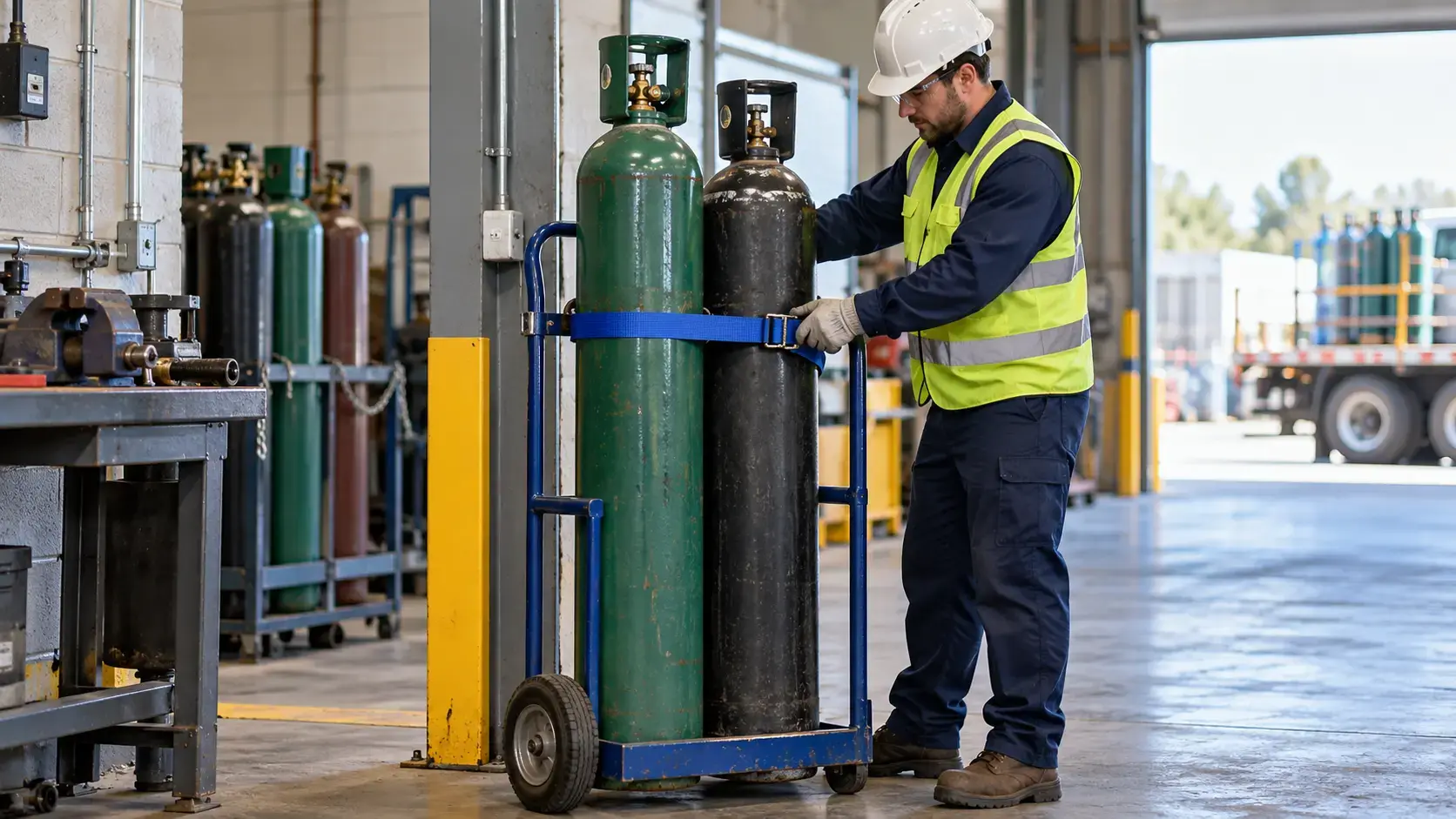
A Cylinder Without Control Can Become a Moving Hazard
A compressed-gas cylinder can release energy violently if it falls, its valve is damaged or the wrong equipment is fitted. The danger is not limited to the gas itself: an unsecured cylinder can strike a person, a leaking connection can create a fire, toxic or oxygen-displacement hazard, and improvised handling can damage the valve before use begins. Safe work keeps the cylinder identified, restrained and compatible from receipt through return.
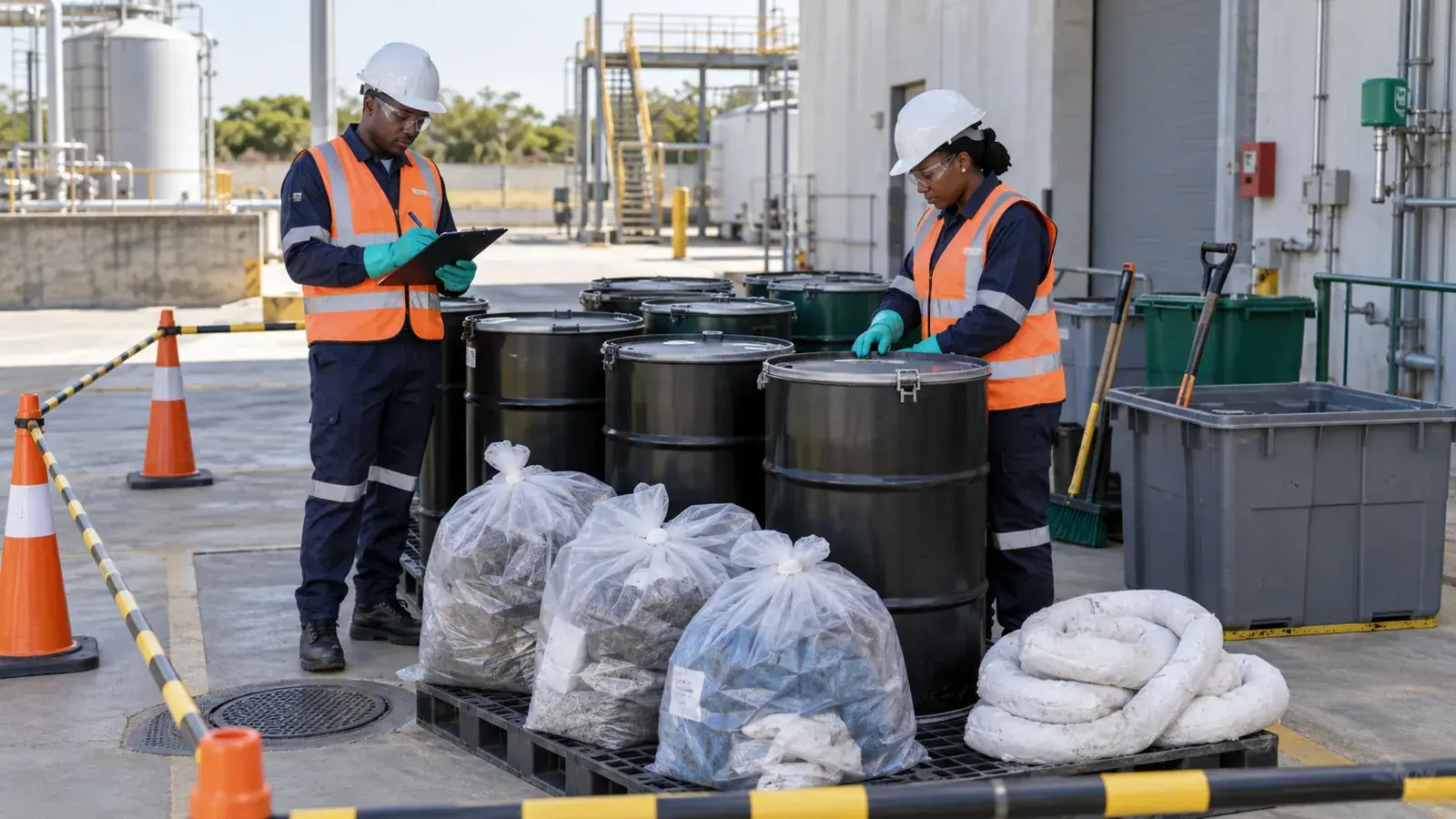
Stopping a release is only the first part of environmental recovery. Used absorbents, contaminated protective equipment, recovered liquid, soil, wash water and damaged materials can continue moving the hazard if they are mixed, left exposed or sent through an unverified route. A disciplined response plans for these materials from the beginning, keeps their identity and custody clear, and closes the incident only when every waste stream has reached an approved outcome.
A Discarded Printout Can Outlive Its Business Purpose
A permit copy, shift note, visitor list, equipment label or marked-up drawing may look harmless after the task is finished, yet it can still reveal names, routines, access arrangements, asset details and operational weaknesses. Putting sensitive material in an ordinary bin or leaving it beside a printer transfers that information beyond the controls that protected it during use. Secure disposal is therefore the final step in the information lifecycle, not a housekeeping preference.
The Body Counts Repetition Even When the Load Feels Light
Musculoskeletal strain is not limited to one heavy lift. Repeated reaching, gripping, twisting or working in the same posture can gradually overload muscles, tendons and joints, especially when pace, vibration or limited recovery is added. A task that feels acceptable once may become harmful across a shift, so prevention must consider force, posture, repetition and duration together.
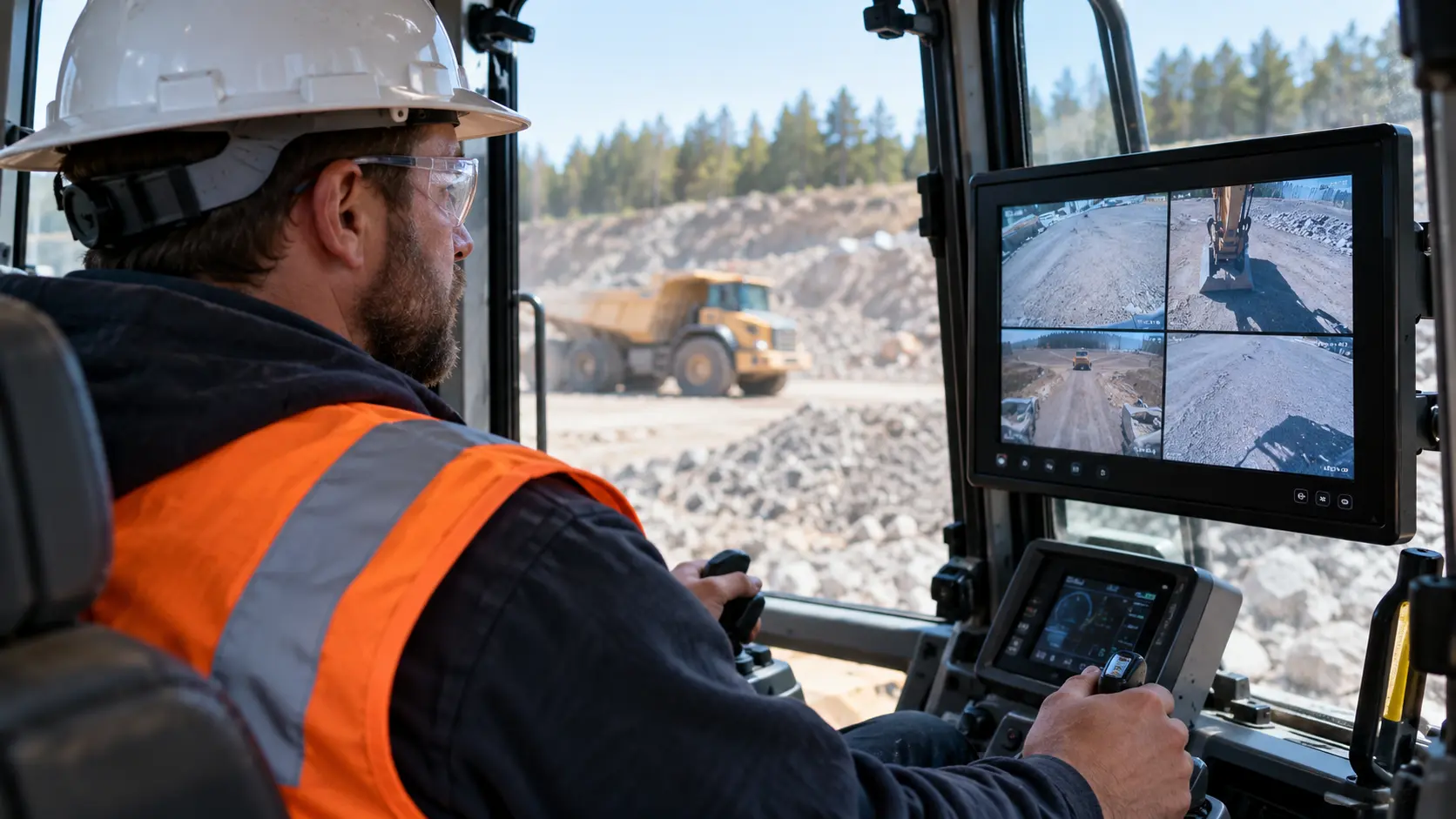
If the Operator Cannot See You, the Machine Cannot Avoid You
A reversing vehicle, loader or forklift can move into a person’s space before either party has time to correct a misunderstanding. Mirrors, cameras and alarms help, but none of them makes every blind spot visible or guarantees that a distracted pedestrian will be detected. Reliable control begins by separating people from moving equipment and requires positive communication whenever work brings them together.
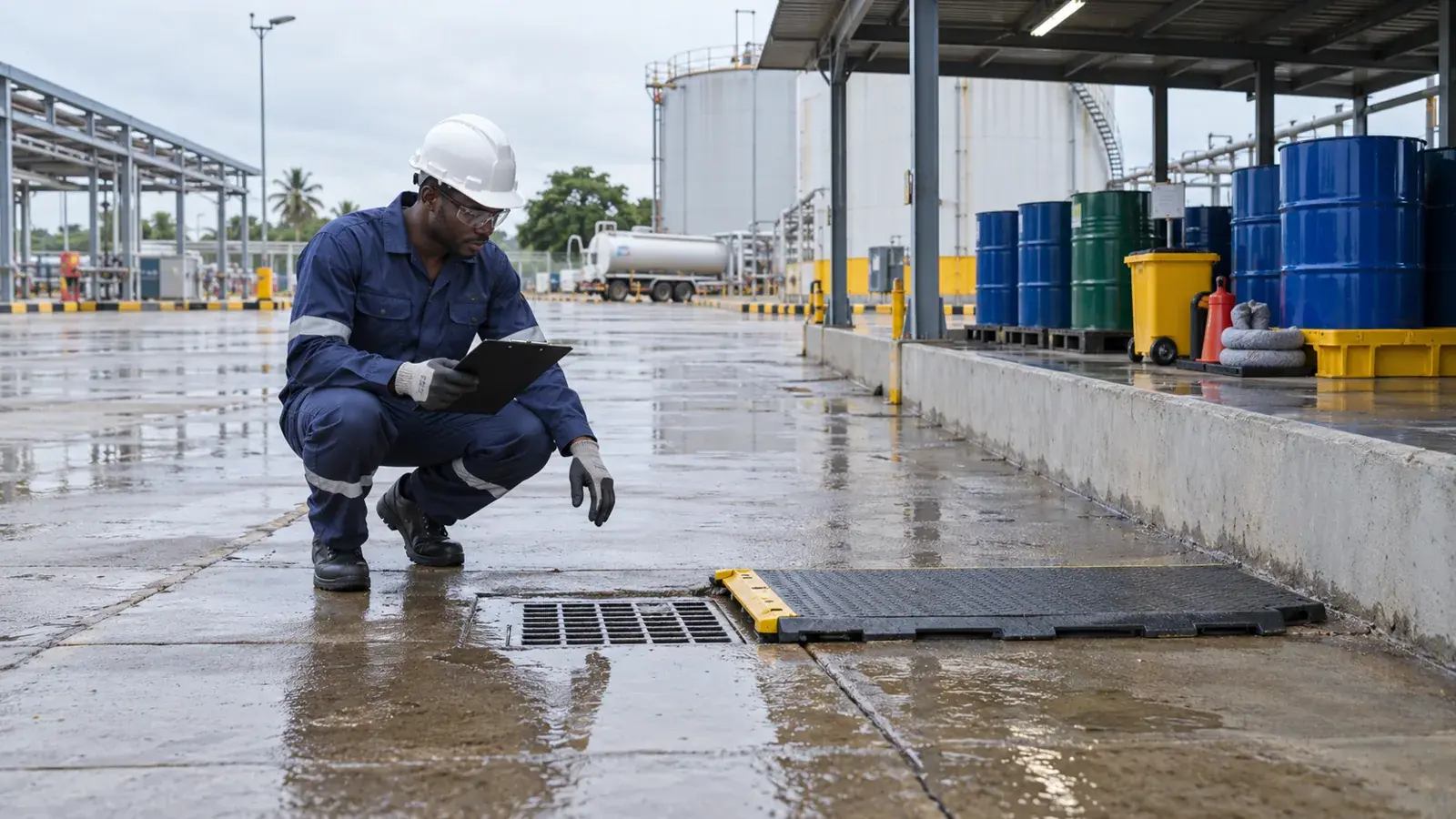
Rainwater does not stay where it lands. As it crosses yards, roofs and work areas, it can collect oil, chemicals, waste and sediment before flowing through a drain to surrounding soil or water. A clean-looking drain is therefore an environmental pathway, not a disposal point. Good stormwater control keeps pollutants away from rain, protects the drainage route and responds before contaminated runoff leaves the site.
A Photo Can Become a Site Map for Someone You Never Met
A routine work image can reveal more than its subject: badges, control screens, equipment tags, access points, layouts, schedules, personnel and location data may all be visible. Once the image is posted publicly or sent through an unapproved channel, control of that information can be lost. Safe photography requires an authorised purpose, a deliberate check of the full frame and metadata, and approved release before sharing.
Long periods of close visual work can produce dry eyes, headaches, blurred focus and slower recognition even when the display itself remains sharp. In a control room, office or inspection station, that discomfort can make small changes, alarm details and abnormal trends easier to miss. Visual health is supported by a readable workstation, regular changes of focus and prompt attention to symptoms—not by leaning closer and forcing concentration.
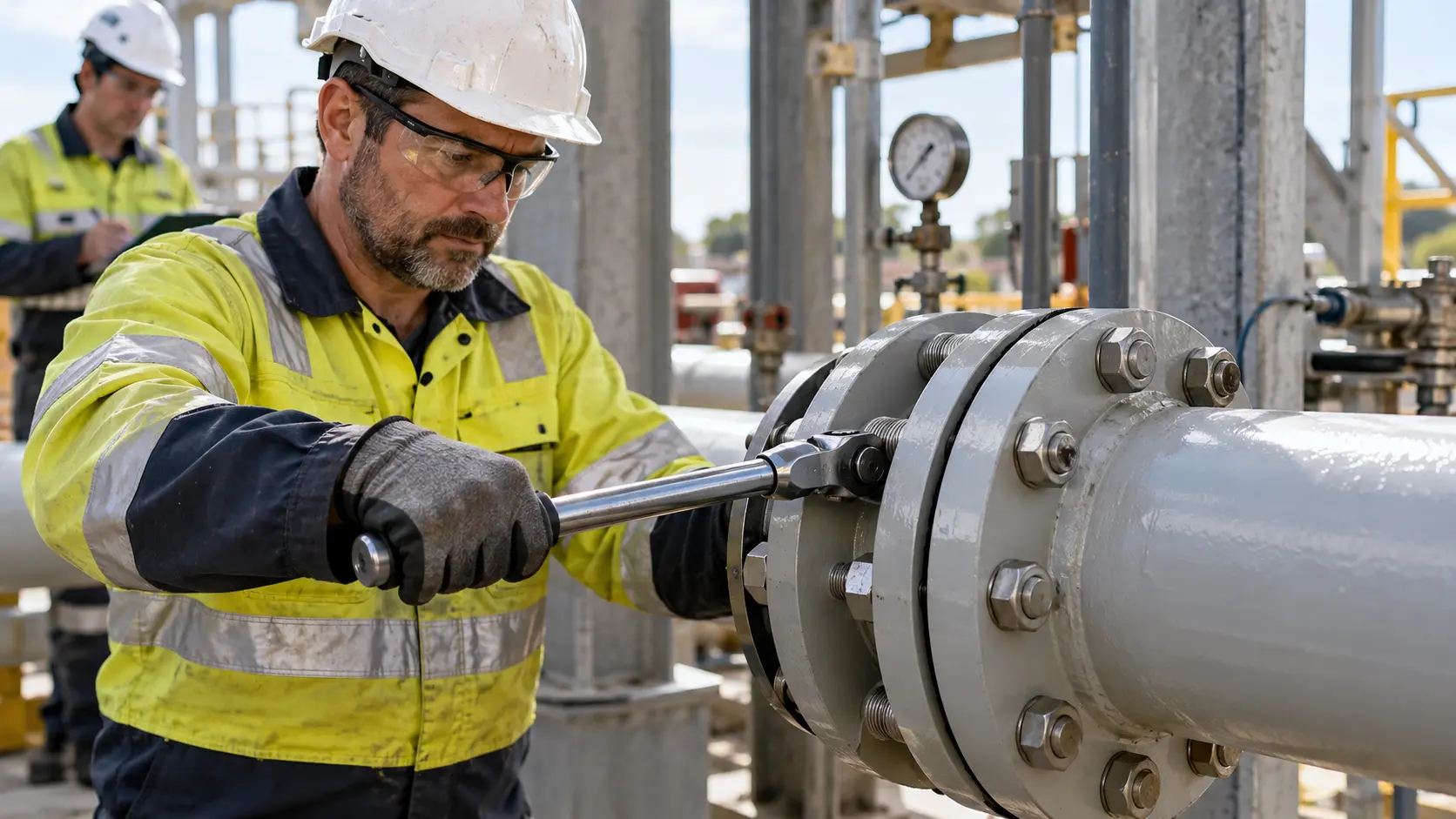
The First Turn of a Bolt Must Never Be the Pressure Test
A pipe, hose, filter or vessel can retain pressure and hazardous contents after the normal process has been stopped and a gauge appears clear. The first movement of a bolt, clamp or fitting must never be used to discover whether the isolation worked. Safe opening depends on positive identification, controlled isolation and an independent means of proving the equipment is depressurised, drained and suitable to open before anyone enters the line of fire.
The Best Waste Container Is the One the Process Never Needs
Waste management often begins too late—after material has been purchased, opened, damaged, contaminated or mixed. Segregation supports recovery, but the stronger environmental result is to avoid creating the waste through better purchasing, inventory control, work methods and reuse. A useful waste review therefore looks upstream at why material lost its value, not only downstream at which container received it.
A Found USB Drive Is an Unknown Device, Not Free Storage
A removable drive can look harmless while carrying malicious software, altered files or sensitive information that should never leave its owner. Plugging an unknown device into an office computer, engineering workstation or control-system support laptop can bypass normal network defences and create a route into operations. Curiosity is not a valid reason to connect it; identification and handling belong to the approved security process.
 · Welding Fume and Breathing-Zone Exposure






Your experience matters
Share your thoughts on this page
Have a question, a useful experience or a suggestion? Add your input below.
Comments are public. Keep them respectful and relevant. Do not share contact details, confidential information or emergency reports.
Comments on this page
Loading comments…