Short, practical messages designed for toolbox talks, shift briefings and daily team conversations.
Page 6 of 11 · Daily safety messages 61–72 of 122
· Underground Services and Safe Excavation
A Line on a Drawing Is Not a Located Service
An excavation plan can show where a cable or pipe is expected, but the actual service may be offset, unrecorded or at a different depth. Striking it can cause electric shock, fire, a gas release, flooding or loss of critical supply. Before breaking ground, combine current service information with a competent site survey, mark what is found and use a controlled digging method that accounts for uncertainty.
A portable tool can appear ready while its plug, lead or socket has been crushed, cut, overheated or pulled loose. On a busy worksite, temporary cables also cross wet areas and vehicle routes, where further damage can occur. Check the complete power path before use, choose equipment suitable for the conditions, and remove suspect items from service. A residual-current device reduces some shock risks but does not make damaged equipment safe.
Hearing Protection Is the Last Barrier, Not the Noise-Control Plan
Noise-induced hearing damage can build gradually and remain unnoticed until communication, warning-signal recognition and quality of life are already affected. Earplugs or earmuffs can reduce exposure only when they are suitable, fitted correctly and worn for the full time in the hazard area. Start with the task and the source: remove or reduce the noise where practicable, control how exposure reaches people, and use verified hearing protection for the risk that remains.
Temporary edge protection can appear complete while a loose fixing, missing toe board, excessive gap or unapproved alteration has already weakened it. People naturally treat a rail as permission to approach an edge, so a defective barrier may increase exposure by creating false confidence. Treat temporary guardrails as safety-critical equipment: install them to an approved arrangement, inspect them after anything that could disturb them, and control every change until the protection is formally restored.
World Cleanup Day turns attention toward waste that has escaped control, but a well-intended cleanup can expose people to traffic, sharp objects, contaminated material, heat and unsafe lifting. Treat the activity as planned work: decide what volunteers may collect, keep them away from hazards they are not equipped to handle, and follow every bag or container to an approved destination. The strongest result is not simply a cleaner photograph—it is a safer cleanup and a system that prevents the same waste from returning.
A drained steam or hot-liquid line can remain hot enough to cause serious injury after its pressure has fallen. Trapped condensate, poor drainage, heat retained in metal and flow through a leaking isolation can reintroduce energy at the point of work. Treat temperature as an energy source that must be removed and verified, not as a condition inferred from a gauge or elapsed time.
Contractor, visitor and temporary access often receives close attention at mobilisation but less scrutiny when the work ends. A badge, shared code, remote account, key or vehicle pass that remains active after demobilisation becomes an unmonitored route back into the site or its information systems. Close access as a deliberate part of job completion, not as an administrative task to catch up later.
A Chronic Condition Should Never Depend on Memory Alone
World Patient Safety Day 2026 focuses on safe care for noncommunicable diseases under the slogan ‘Safe care for life!’ For workers managing a long-term condition, safety can be weakened when medication information, follow-up plans or work restrictions are remembered differently across rotations, clinics and supervisors. The workplace should support continuity without turning private medical details into general operational information: clinical decisions belong with qualified health professionals, while leaders ensure the agreed work controls remain available.
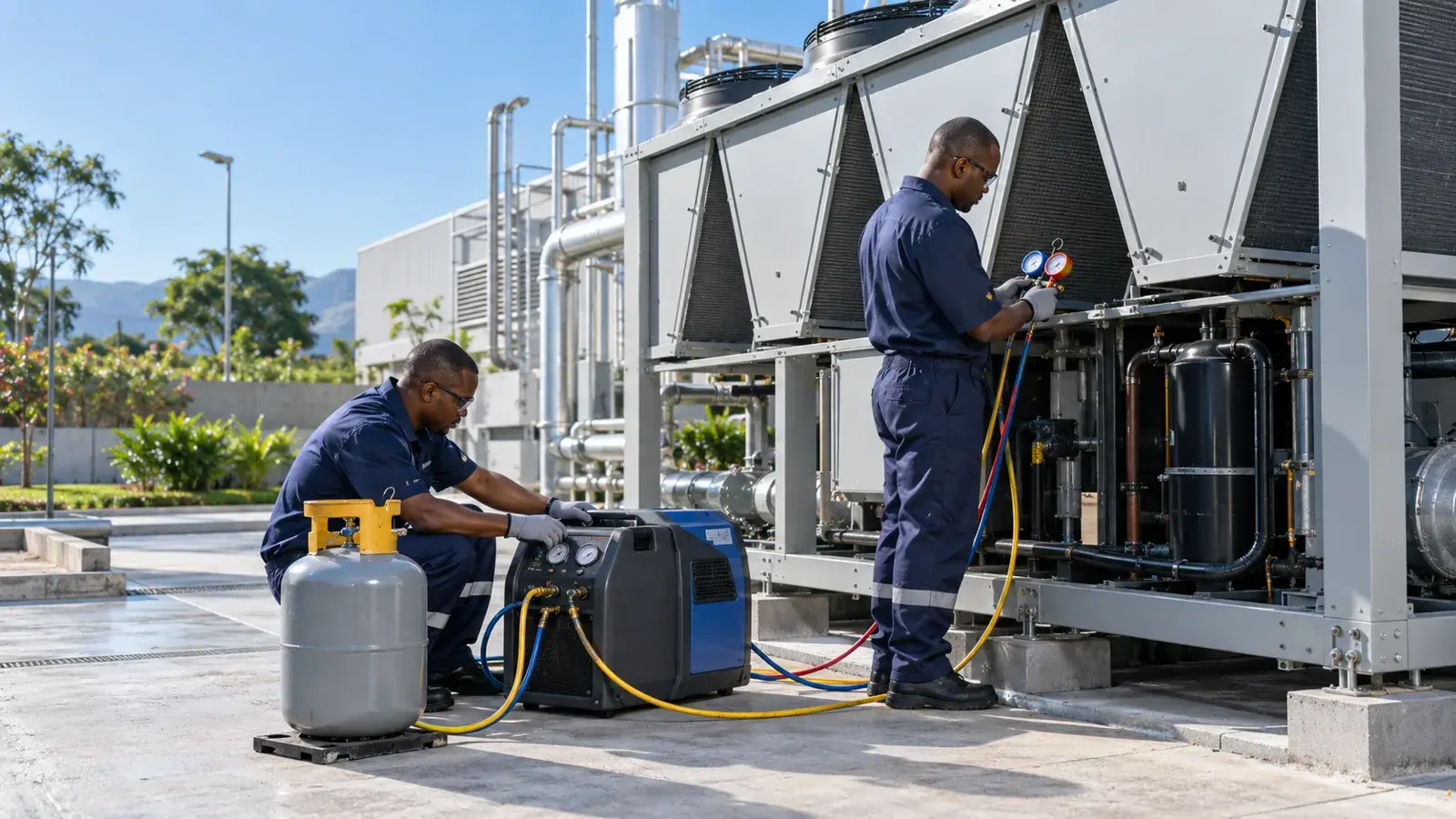
A Cooler Planet Depends on What Stays Inside the Cooling System
World Ozone Day 2026 is observed under the theme ‘Global action for a cooler planet,’ marking ten years of the Kigali Amendment. At worksite level, that global action becomes practical: know which refrigerants are in use, prevent avoidable releases, improve cooling efficiency and recover refrigerant when equipment is serviced or retired. A system that only works after repeated topping-up is signalling an environmental defect, not a completed repair.
Working Through Illness Can Transfer Risk to the Whole Team
Reporting illness early is a protective action, not a lack of commitment. A worker who hides symptoms or an exposure may become less fit for critical tasks and may pass illness to colleagues who share vehicles, tools, controls or welfare facilities. Use the site's health-reporting route, respect medical confidentiality and make fitness-for-work decisions through the appropriate competent support rather than informal pressure or self-diagnosis.
An extinguished lamp, stopped motor or blank display shows a change in operation, not that electrical danger has been removed. A failed indicator, separate supply or stored energy can leave a hazard behind. Work on electrical equipment belongs to competent authorised people using the approved isolation and verification process, never to someone relying on what the equipment appears to be doing.
A phone call, voice message or radio request can sound familiar and still come from someone without authority. Pressure to act quickly can turn a routine request for access, operational information or a change in instructions into a security breach. Treat identity and authorisation as separate checks: knowing who appears to be speaking does not establish permission to carry out the request.
 · Underground Services and Safe Excavation










Your experience matters
Share your thoughts on this page
Have a question, a useful experience or a suggestion? Add your input below.
Comments are public. Keep them respectful and relevant. Do not share contact details, confidential information or emergency reports.
Comments on this page
Loading comments…