Short, practical messages designed for toolbox talks, shift briefings and daily team conversations.
Page 5 of 11 · Daily safety messages 49–60 of 122
· Forklift Load Stability and Capacity
A Forklift Capacity Plate Does Not Cover Every Load
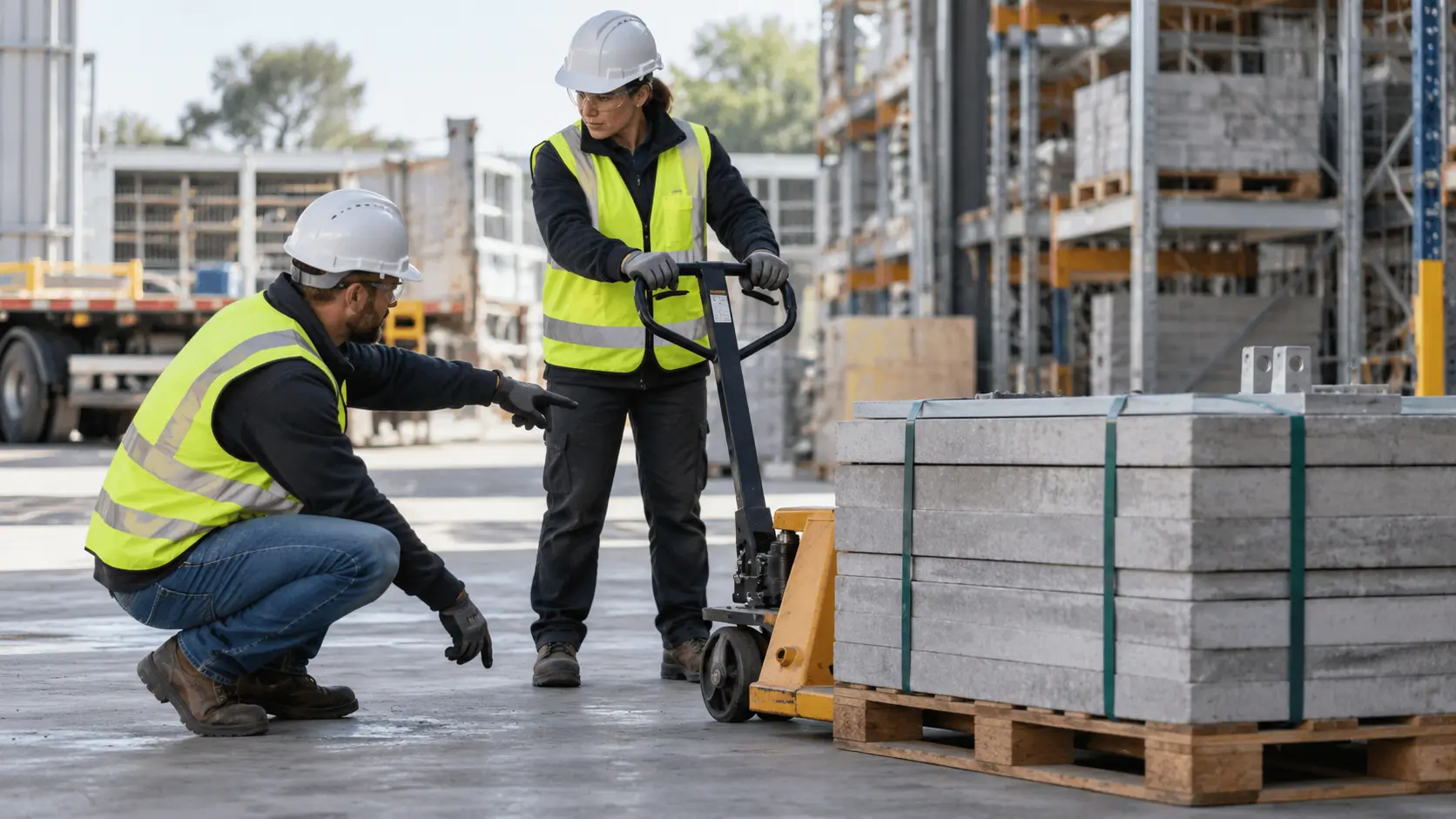
A forklift's marked capacity applies only under the conditions stated on its data plate. A longer load, an off-centre centre of gravity, an unapproved attachment or a load carried too far forward can reduce the truck's safe capacity even when the stated weight appears acceptable. Stability also changes as the load is raised, tilted or moved across uneven ground. Before lifting, the operator must understand the load, the truck and the route as one system. If the weight, load centre or stability cannot be confirmed, do not test the answer by lifting.
An emergency exit route is a life-safety system, not spare storage space. A corridor narrowed by materials, a door secured against escape, failed exit lighting or a fire door wedged open may look harmless during normal work but can delay evacuation when smoke, noise and confusion reduce visibility and decision time. Everyone should be able to move continuously from the work area to a safe place without searching for a key, moving equipment or guessing which route remains available. Check the full route before work begins and protect it throughout the shift.
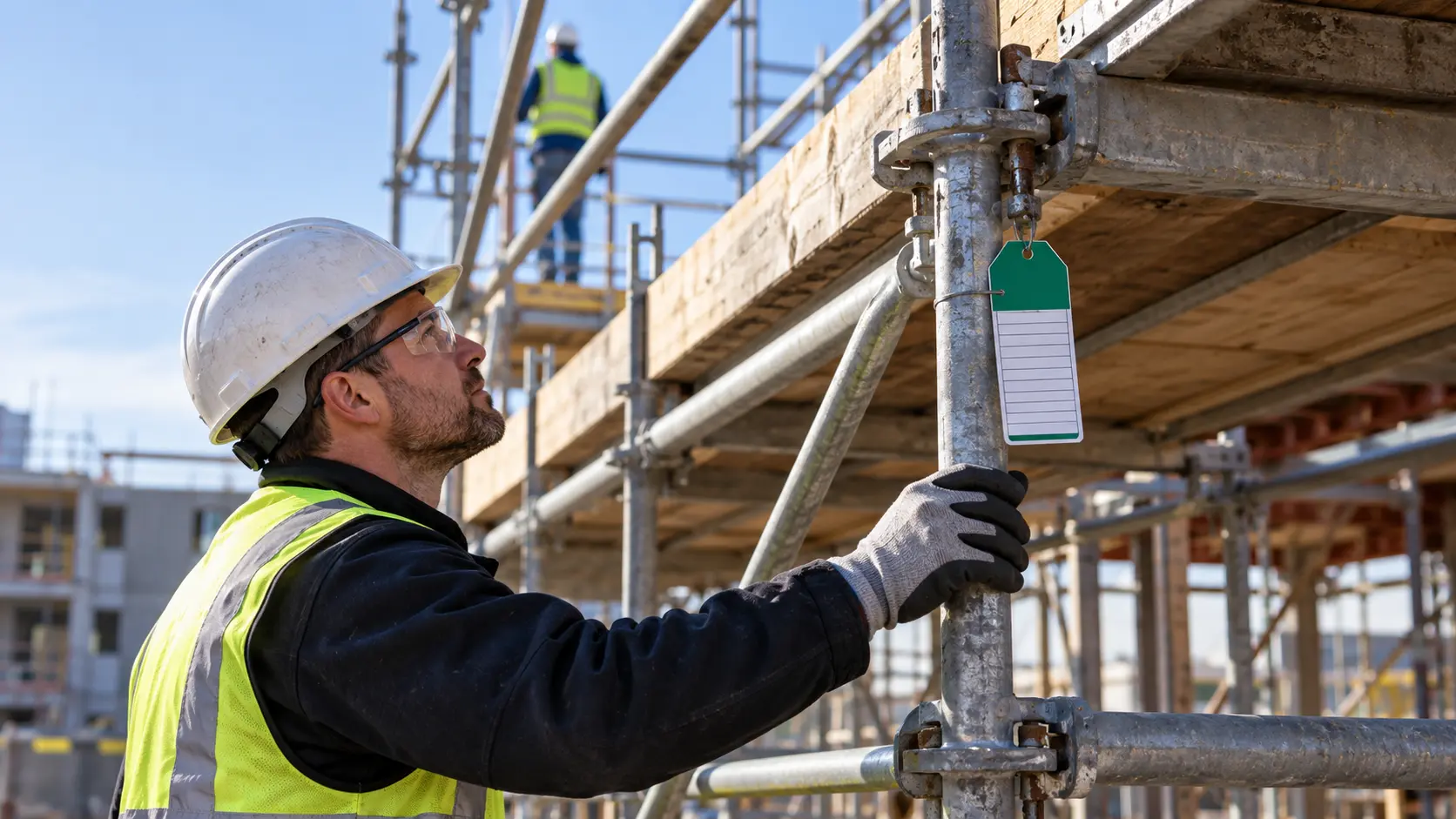
A scaffold may carry a valid status tag and still have changed since it was last checked. Materials may have been loaded onto the platform, a tie or guardrail may have been disturbed, ground may have softened, or weather and nearby work may have affected stability. Treat the tag as part of the control system, not as permission to climb without looking. Before each work shift, and after any occurrence that could affect structural integrity, the scaffold and its components must be inspected by a competent person. Every user should also stay alert and stop when the scaffold no longer matches the safe condition they were briefed to expect.
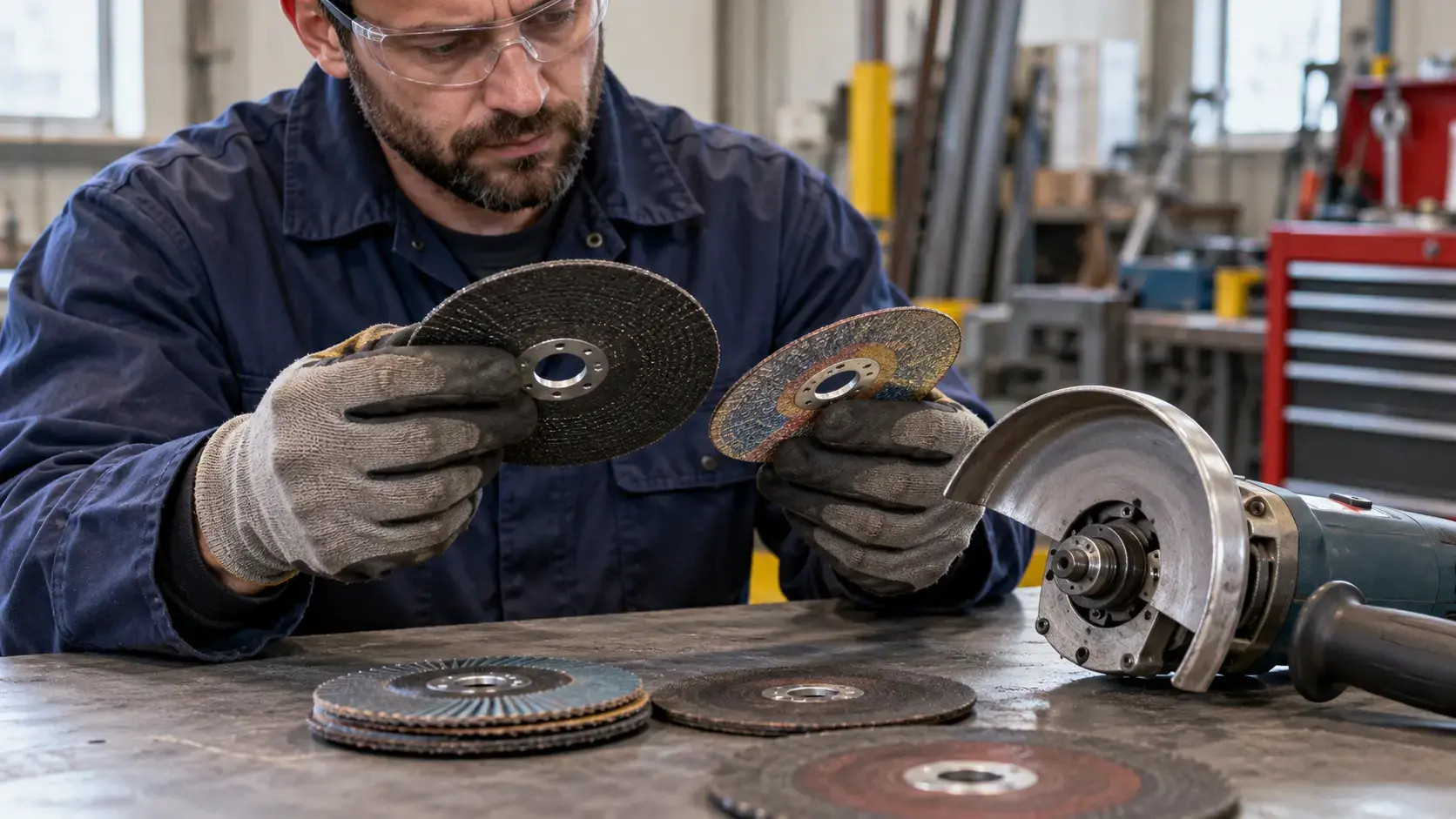
An abrasive wheel can fit a grinder and still be unsuitable for its speed or the intended job. Choosing by diameter alone leaves a critical check unfinished. Before mounting a wheel, verify its identity, condition and compatibility with the machine. The grinder's spindle speed must not exceed the wheel's marked maximum operating speed. If a marking cannot be read or a wheel's condition is doubtful, pause the job and obtain a verified replacement. A short delay before starting is better than discovering a mismatch while the wheel is rotating.
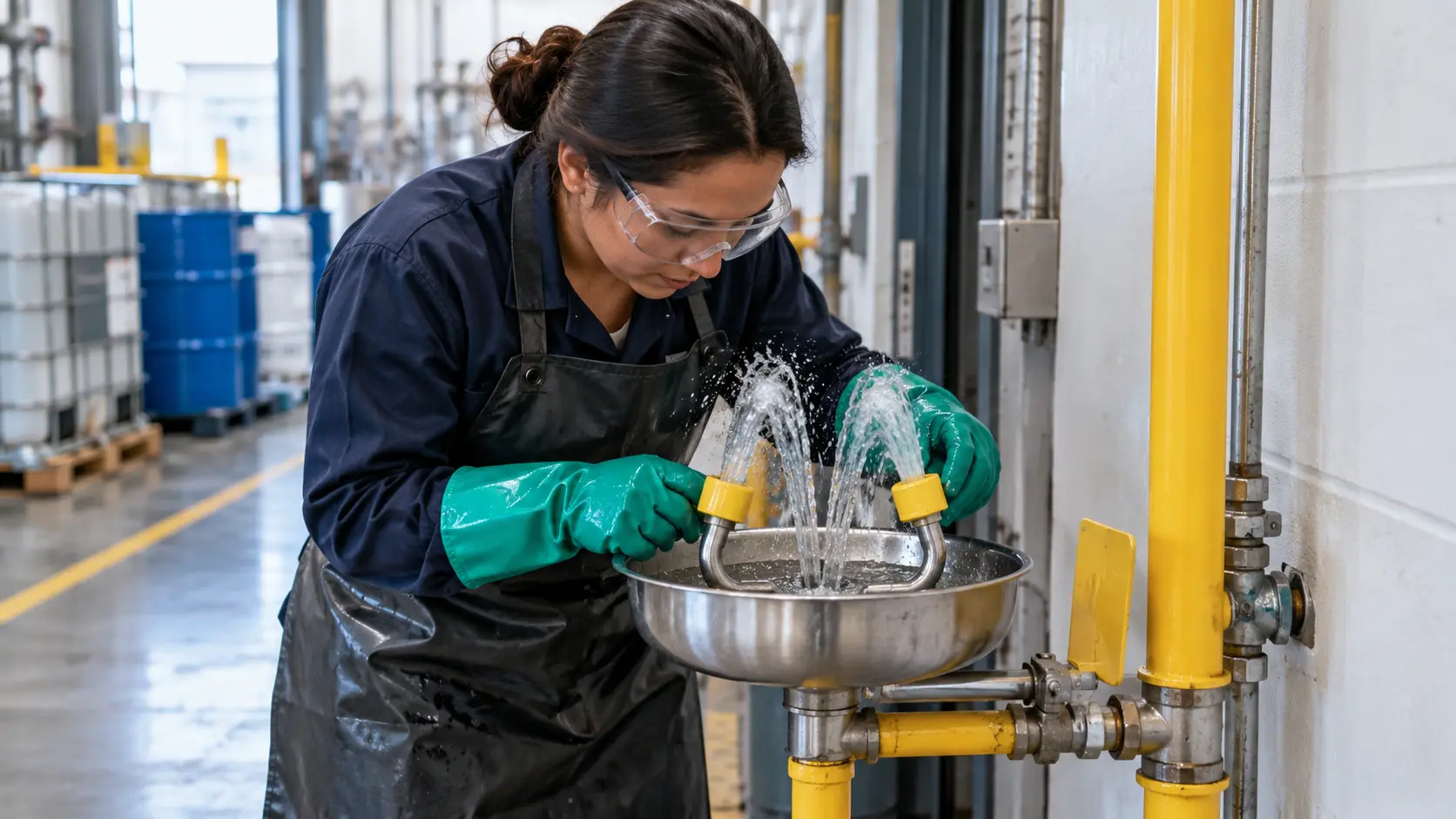
When corrosive material reaches the eyes or skin, emergency equipment must be available for immediate use. A visible eyewash sign does not prove that the route is clear, the unit is serviceable or the worker knows how to activate it. Before work with corrosive chemicals begins, check the emergency arrangements as carefully as the task equipment. Prevent exposure first, and make sure the response will work if prevention fails.
An Unlabelled Bottle Leaves the Next Person Guessing
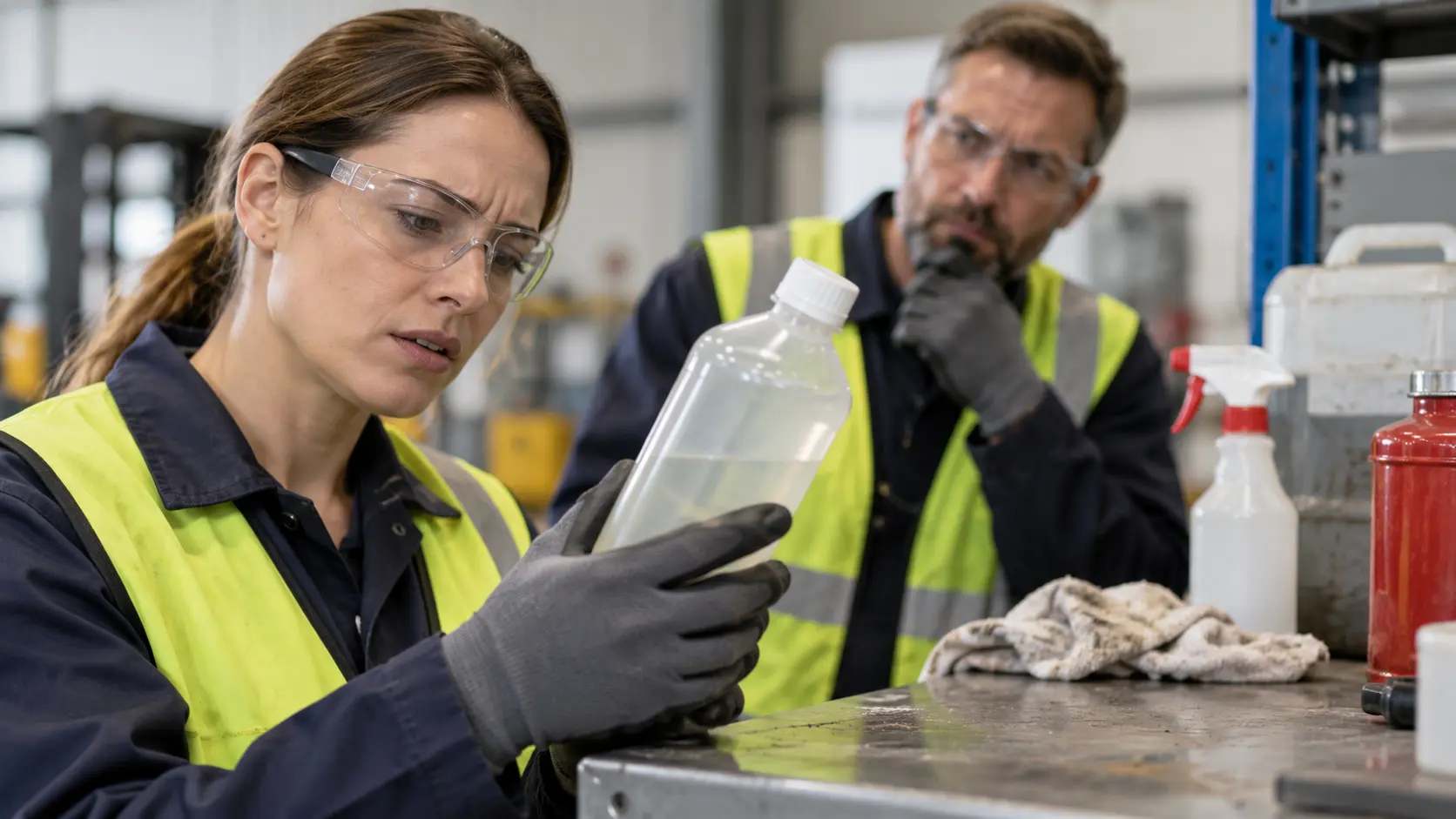
The person who fills a container may know what is inside; the next person may not. A familiar colour or smell is not reliable identification, and a missing label can lead to the wrong PPE, storage or emergency response. Preserve chemical identity and hazard information during every transfer. Treat an unidentified container as a problem to isolate and resolve, never as a substance to test by opening, sniffing or using it.
A load does not become safe because someone is willing to lift it. Its shape, grip, starting height, destination and route can turn a short move into an injury. Before using bodily force, ask whether the move can be avoided or completed with suitable equipment. If manual handling remains necessary, assess the whole task and the people doing it. A lifting technique demonstration cannot compensate for an awkward load or a poorly designed job.
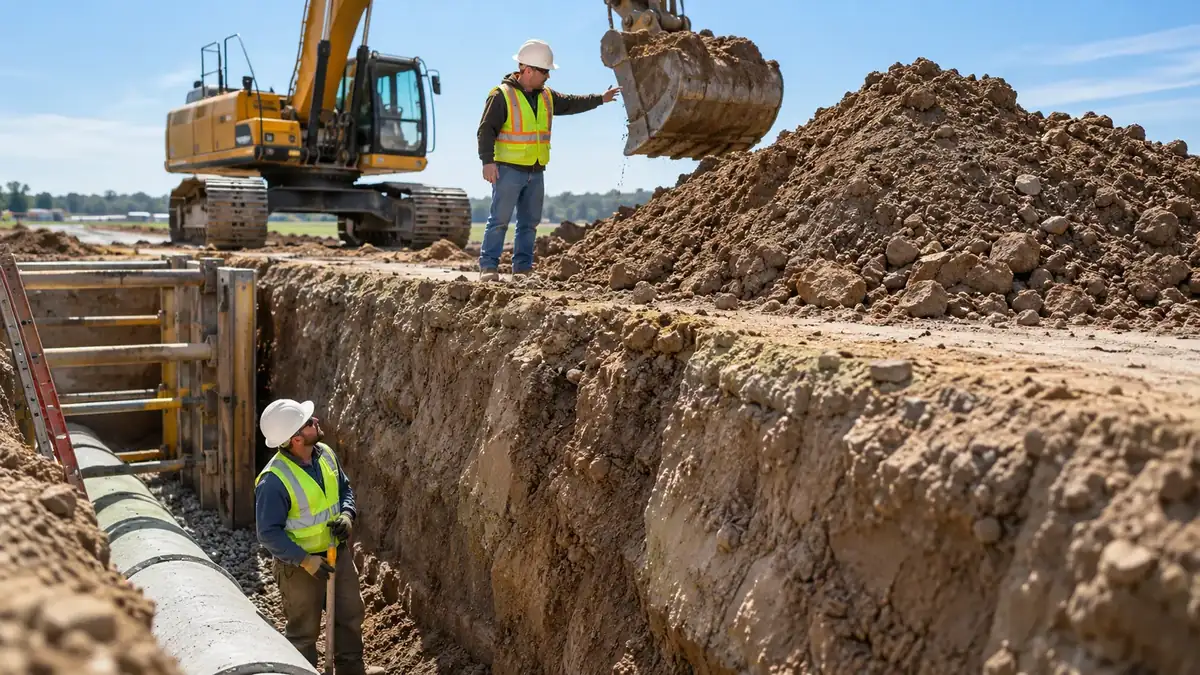
A trench can look properly supported while its edge is being loaded with excavated soil, tools or equipment. Loose material can fall onto people below, and changing ground conditions can undermine the protection the crew relied on earlier. Treat the ground around an excavation as part of the work area to control, not as convenient storage. Before entry and whenever the job or weather changes, confirm that the excavation, its edge and its protective system have been assessed by a competent person.
A Clear Walkway Is a Safety Control, Not a Cosmetic Standard
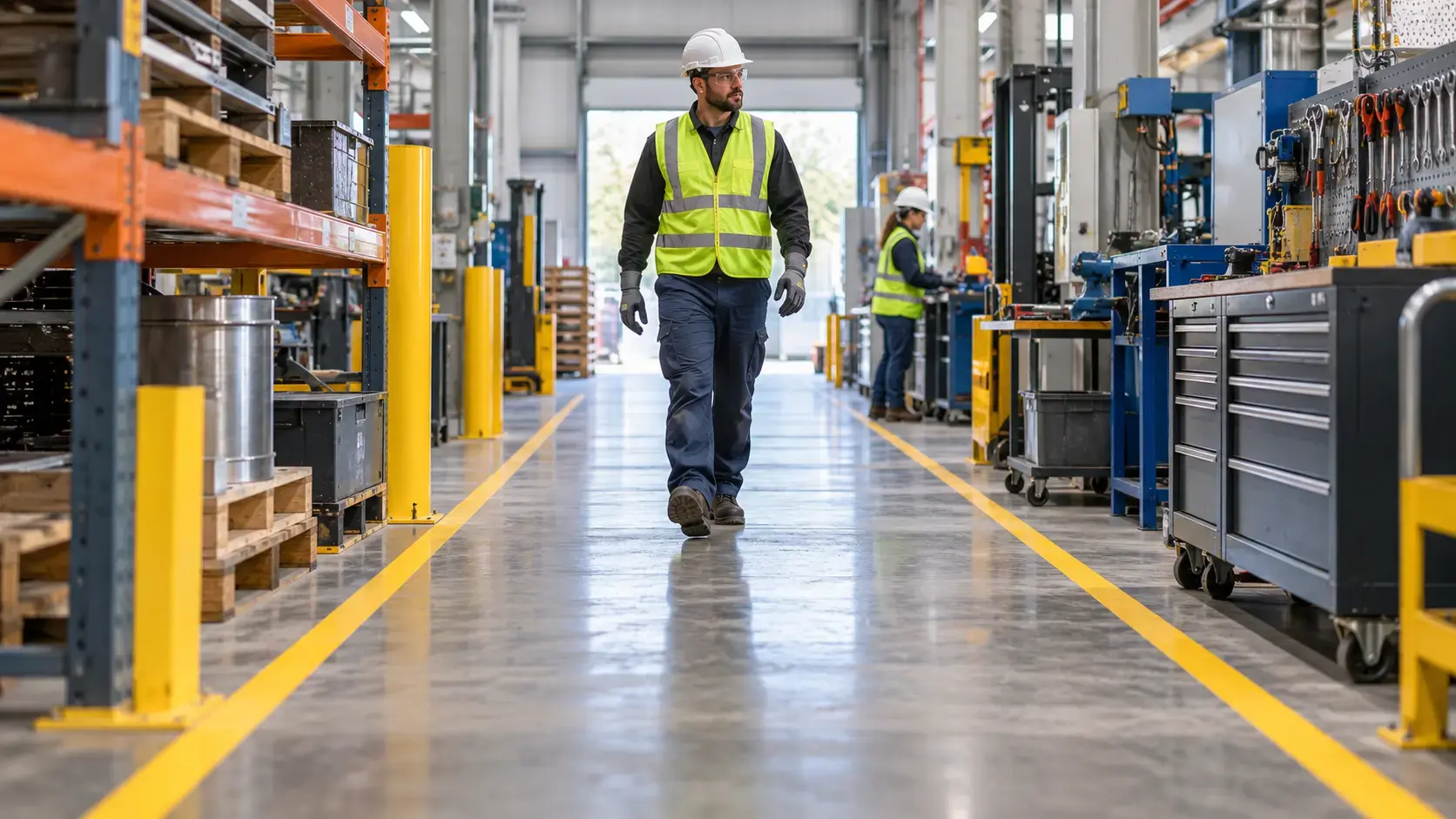
A spill, trailing lead, loose off-cut or poorly placed tool can turn an ordinary route into a fall or blocked escape path. Good housekeeping is not something saved for the end of the shift. Walking and working surfaces must remain orderly, and floors should be kept dry so far as feasible, while the job is underway. When work creates a new obstruction or contamination, control it immediately instead of expecting the next person to notice it in time.
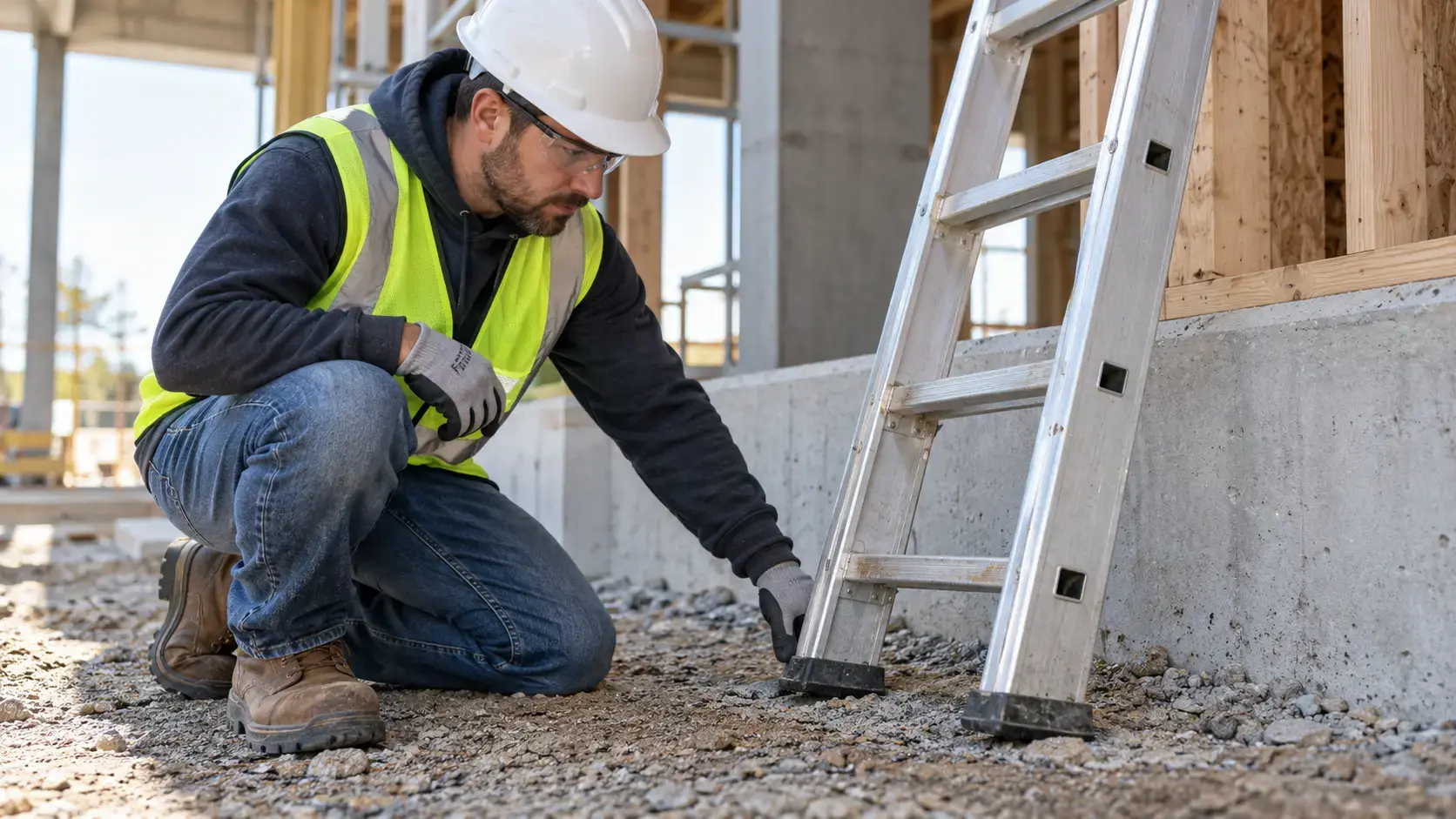
A sound ladder can still slip or tip if it is placed on uneven ground, set at the wrong angle or used beside an unprotected doorway. Before climbing, check that a ladder is suitable for the task, inspect its condition and confirm that its position will stay safe while work continues. If the task needs both hands for long periods or involves heavy work, choose a safer working platform.
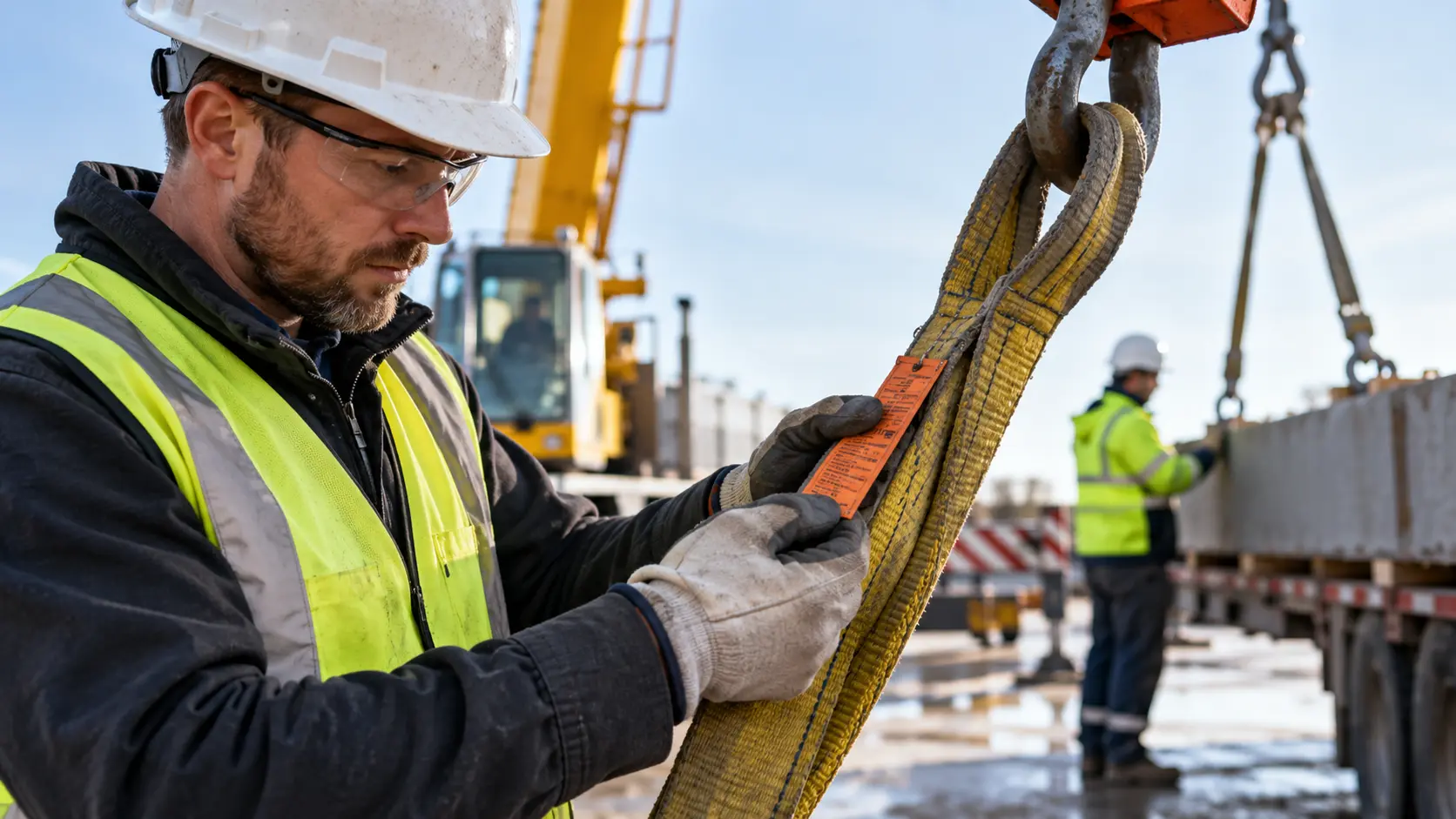
A Sling Tag Is a Starting Point, Not a Safety Check
A marked lifting sling may still be unsafe if its webbing is cut, its stitching is worn, a fitting is distorted, or its capacity does not suit the load and rigging arrangement. A previous examination does not replace a check before today's lift. The lifting team should select the right accessory, inspect the sling and its connections, and remove defective equipment from service before the load leaves the ground.
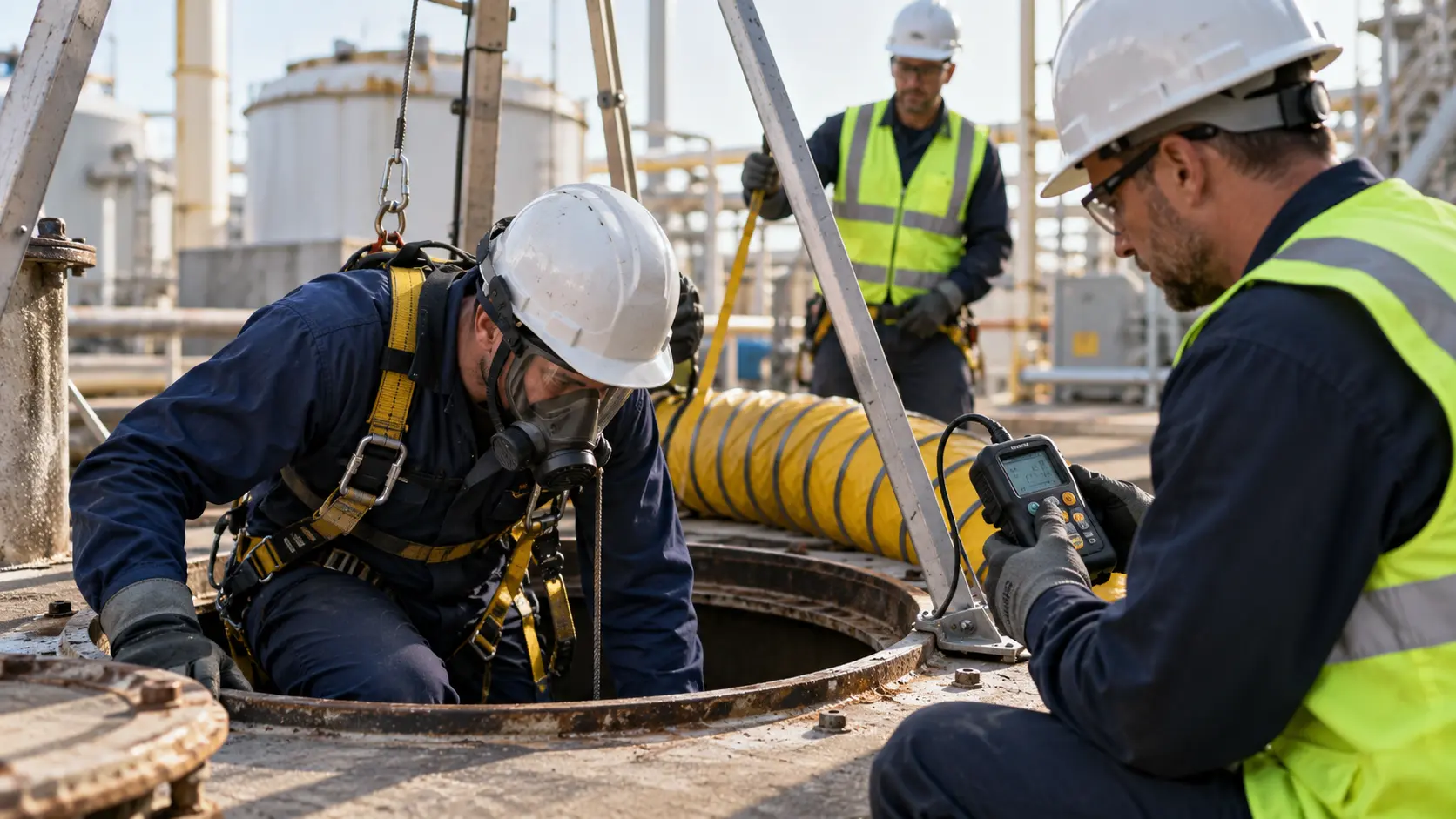
A confined space may test safe before entry and change when work disturbs residue, ventilation stops, a connected line leaks or a nearby activity introduces fumes. Entry must follow a site-specific assessment and authorised procedure, with hazards isolated, atmospheric conditions tested and monitored as required, and a ready means to summon and perform rescue. A signed permit is a record of controlled conditions, not a guarantee that they will remain unchanged.
 · Forklift Load Stability and Capacity
Your experience matters
Share your thoughts on this page
Have a question, a useful experience or a suggestion? Add your input below.
Comments are public. Keep them respectful and relevant. Do not share contact details, confidential information or emergency reports.
Comments on this page
Loading comments…