Residual Heat During Steam and Hot-Liquid Maintenance
Zero Pressure Is Not Zero Temperature
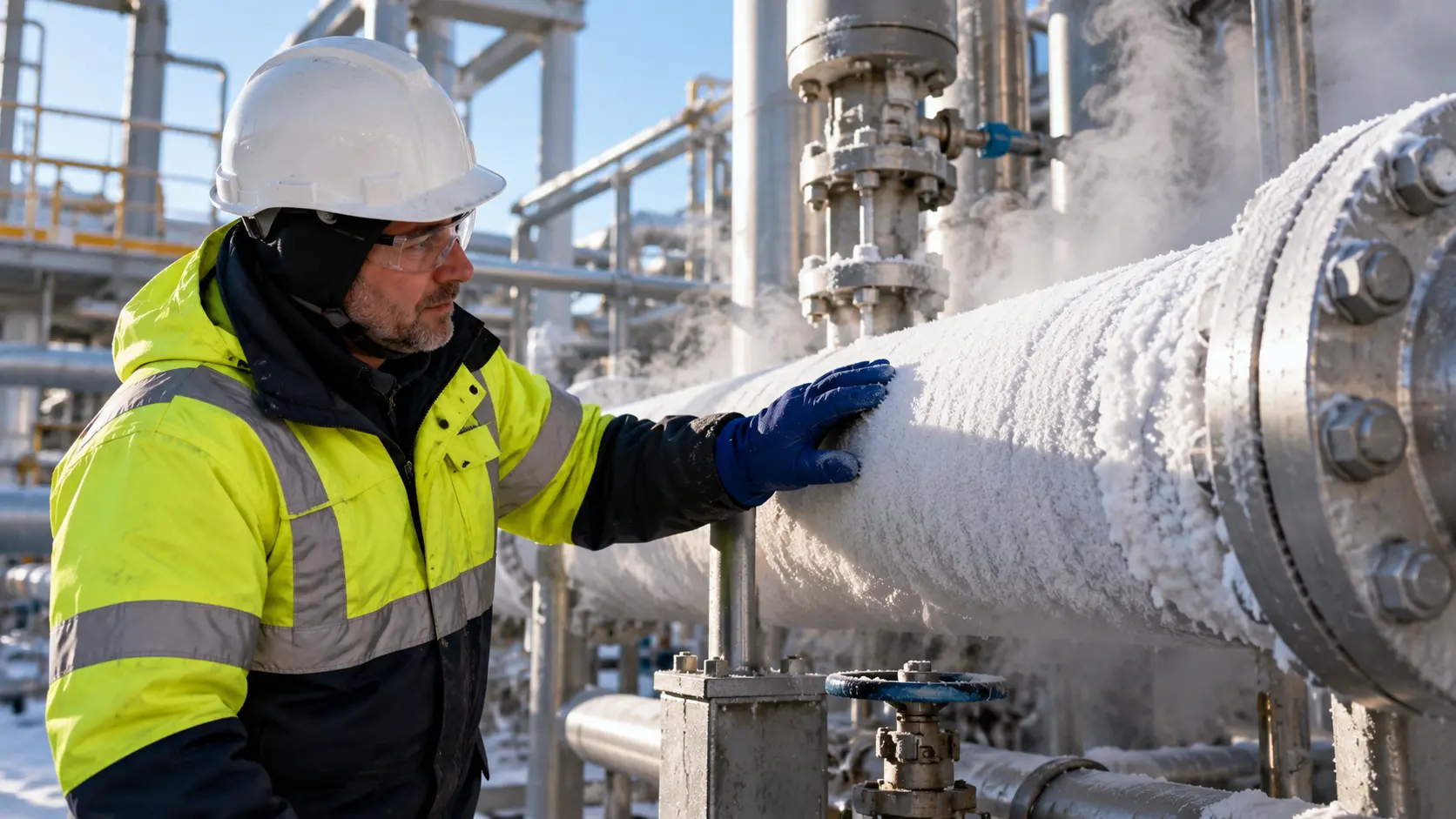
A drained steam or hot-liquid line can remain hot enough to cause serious injury after its pressure has fallen. Trapped condensate, poor drainage, heat retained in metal and flow through a leaking isolation can reintroduce energy at the point of work. Treat temperature as an energy source that must be removed and verified, not as a condition inferred from a gauge or elapsed time.
Controls to confirm
- Identify every source of pressure, heat, condensate and possible backflow before opening the system; use the approved isolation plan and include connected utilities, bypasses and low points.
- Isolate, secure, depressurise, drain, vent and allow the equipment to cool by the approved method; route releases safely and keep people clear of discharge and splash zones.
- Have a competent person verify pressure and temperature at the point of work with suitable means before breaking containment, then stop and reassess if heat, flow or pressure returns.
Today’s action
Review one planned line-opening task today and confirm that the permit identifies how both zero pressure and a safe temperature will be verified at the point of work.
Future HSSE email updates
Register interest in HSSE email updates.
Record your interest in future Worksite Safety Hub messages, selected HSSE news and new-resource alerts. Email delivery is not connected yet.
Your experience matters
Share your thoughts on this page
Have a question, a useful experience or a suggestion? Add your input below.
Comments are public. Keep them respectful and relevant. Do not share contact details, confidential information or emergency reports.
Comments on this page
Loading comments…