WHO’s 2026 climate-health update shows accelerating heat and extreme-weather harm. Translate the evidence into practical worksite triggers, health protection and continuity controls.
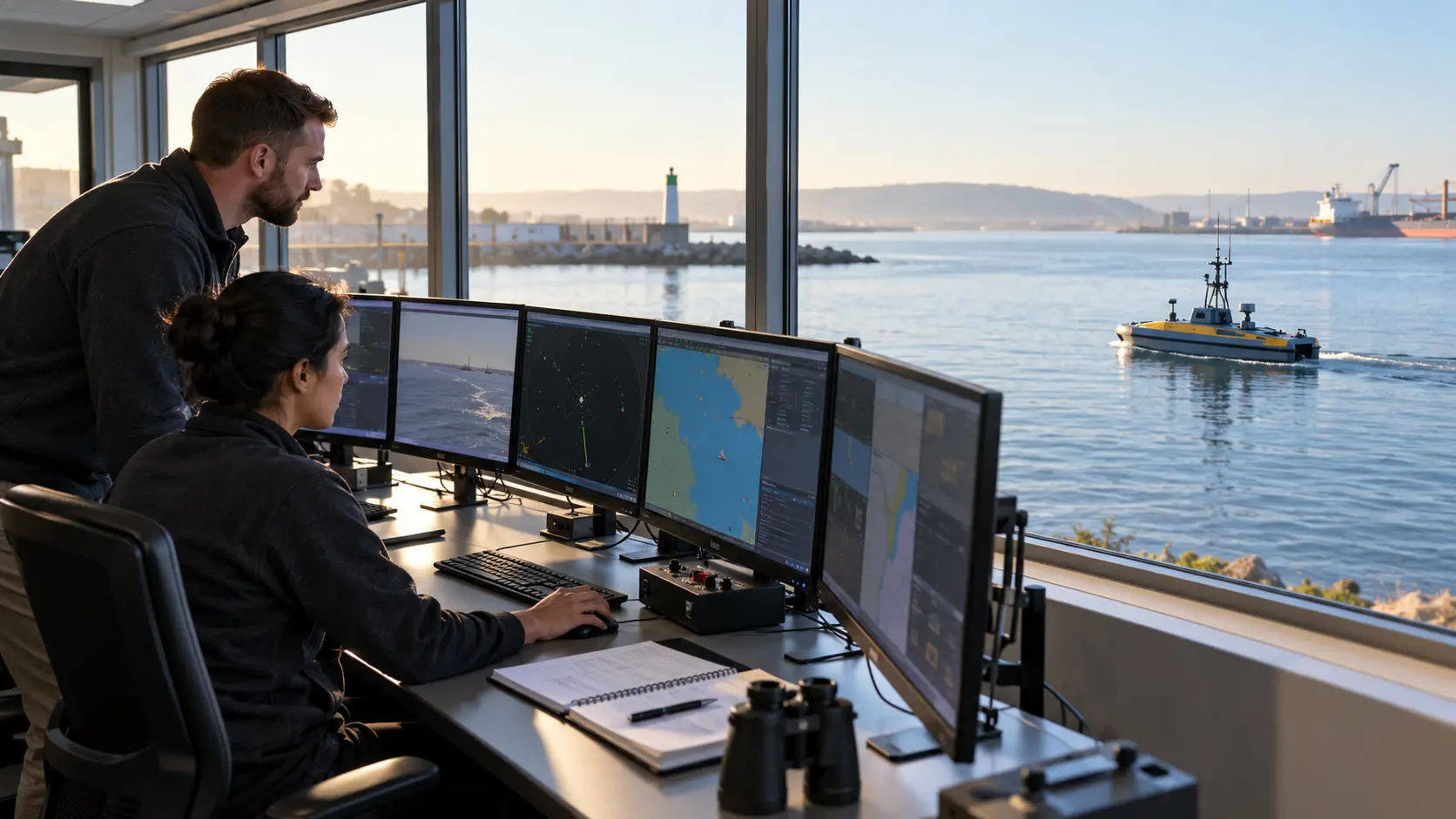
NTSB findings from a Lake Erie collision show why uncrewed vessels need tested perceptibility, active monitoring and collision controls matched to each operating mode.
WMO’s 2026 greenhouse-gas bulletin highlights record SF6 growth and rising atmospheric hydrogen. Turn the finding into practical leak-prevention and integrity controls.
South Australia delayed new limits for grain dust, flour dust and methyl bromide. Learn why exposure controls, monitoring and worker protection must continue.
WMO’s 2026 El Niño outlook signals increased risks of flood, drought, heat, smoke and water stress. Use regional forecasts to trigger practical worksite action.
A TSB fatal-engine-failure report shows why sealant boundaries, clean fasteners, torque integrity and modification verification must be controlled as one maintenance system.
PAGASA’s final bulletin says Rosal exited PAR and no wind signal remains, but strong gusts and rough seas still require activity-specific restart checks.
Two new UKMTO tanker reports show why fire status, crew safety, damage and environmental impact must be verified separately before the next voyage decision.
WHO and partners launched the first global priority indicators for heat risks in pregnancy and childhood. Check workplace data, controls and confidential support.
 Health ·








Your experience matters
Share your thoughts on this page
Have a question, a useful experience or a suggestion? Add your input below.
Comments are public. Keep them respectful and relevant. Do not share contact details, confidential information or emergency reports.
Comments on this page
Loading comments…