Short, practical messages designed for toolbox talks, shift briefings and daily team conversations.
Page 3 of 11 · Daily safety messages 25–36 of 121
· Static Electricity Control During Flammable Liquid Transfer
Bond Before the Liquid Starts to Flow
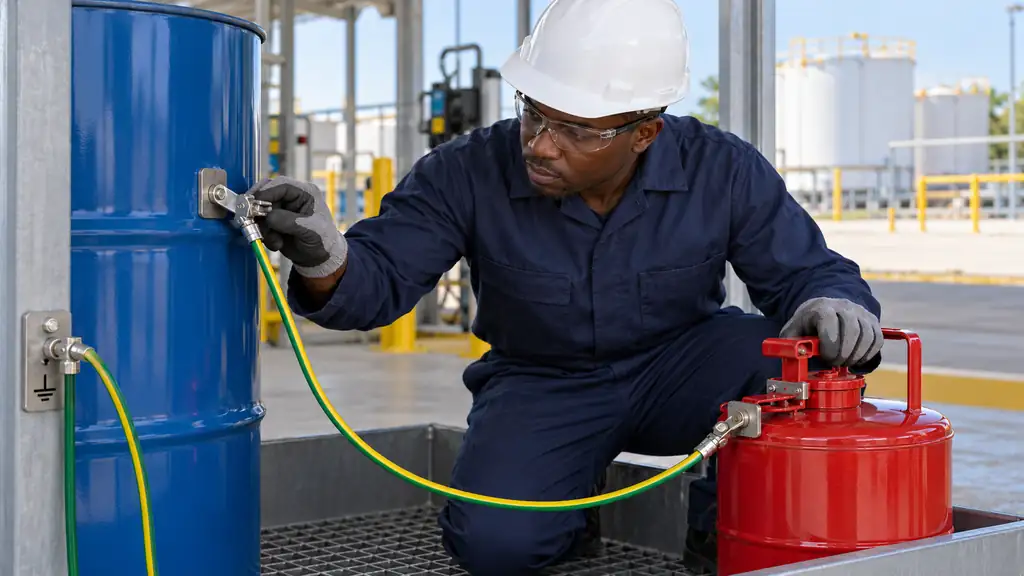
A flammable-liquid transfer can look quiet while an ignition source is developing. Pumping or pouring can build static charge; a discharge near an ignitable vapour-air mixture can start a fire. Before opening a container or starting a pump, check the complete transfer arrangement. A cable lying nearby is not evidence that the required electrical connections are effective.
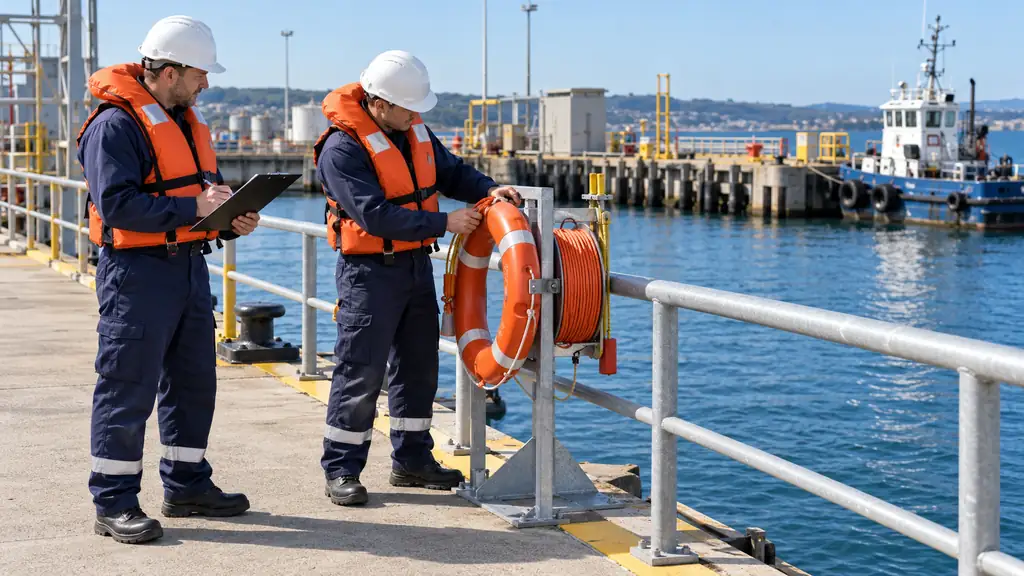
A task beside a quay, channel or water-filled excavation can become a rescue emergency after one fall. Injury during the fall, waterlogged clothing and delayed recovery can make getting out much harder than expected. Decide how to prevent entry into the water and how someone would be recovered before the work starts. Rescue readiness belongs in the task plan, alongside the tools and access arrangements.
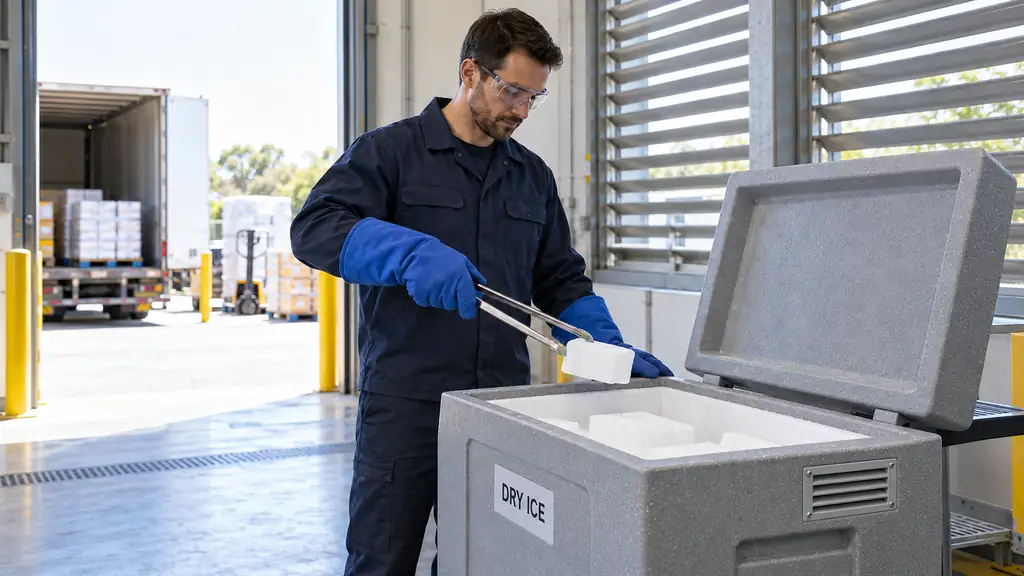
A delivery of dry ice keeps releasing carbon dioxide as the solid turns directly into gas. In a small or poorly ventilated room, that gas can build up to dangerous concentrations. Carbon dioxide itself cannot be seen or smelled, and high concentrations can harm people as well as displace oxygen. Treat the storage location as part of the job: an insulated box controls heat transfer, not the room’s breathing atmosphere.
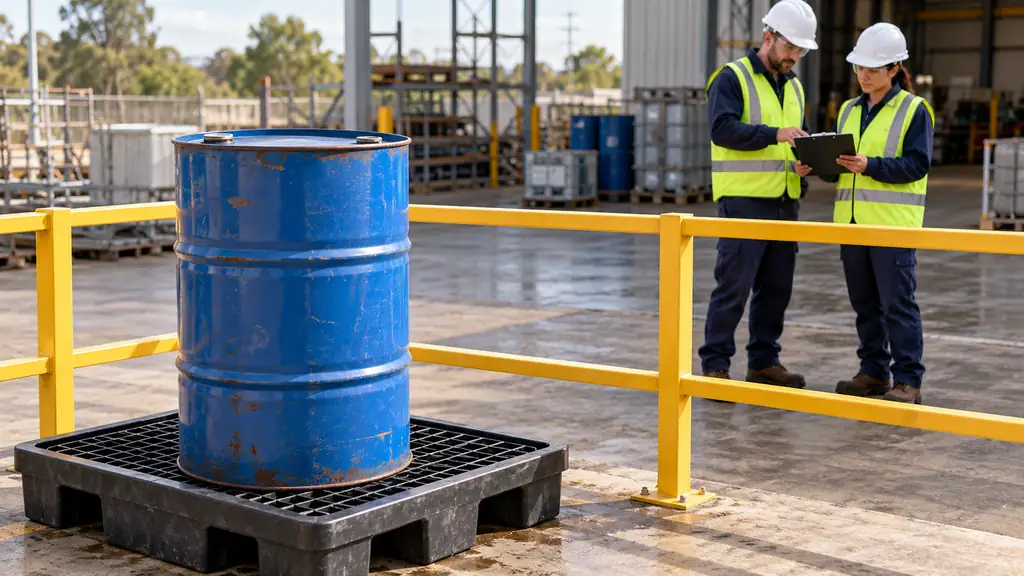
A drum can stop pouring and still contain enough residue to make cutting or welding deadly. Material trapped in seams and crevices can release flammable vapour when heated. The original label may not describe everything the drum has held. Before anyone reaches for a grinder or torch, treat the container’s history and preparation as essential parts of the job—not as details settled by the word “empty”.
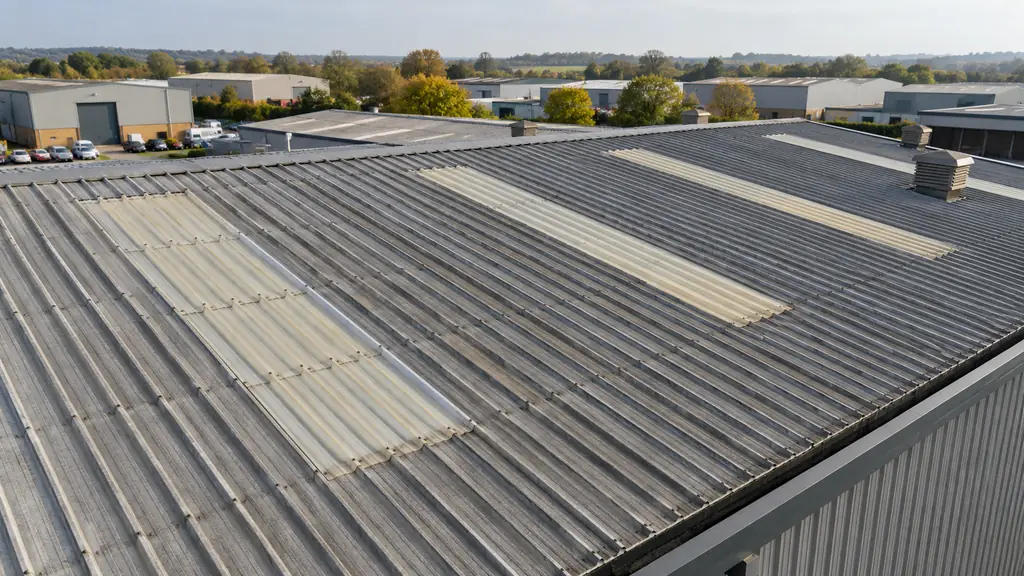
A rooflight can blend into the surrounding roof, especially when it is weathered, dirty or painted. Its appearance does not prove that it can support a person. A short inspection or quick cleaning job still needs protection against falling through the roof, as well as over its edge. Before anyone climbs up, decide how the work can be done without standing on fragile material.
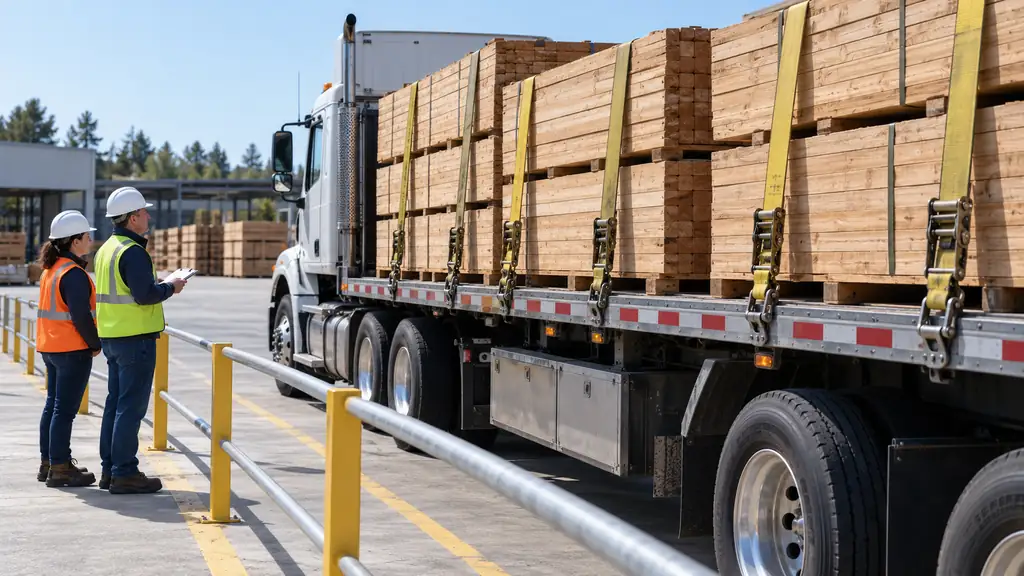
A truck can reach the unloading bay with its load in a different condition from when it left. Movement during the journey may leave goods leaning, displaced or ready to fall when a restraint is released. Arriving safely does not prove that unloading is safe. Pause before touching a ratchet: check what will keep the goods stable when the straps come off.
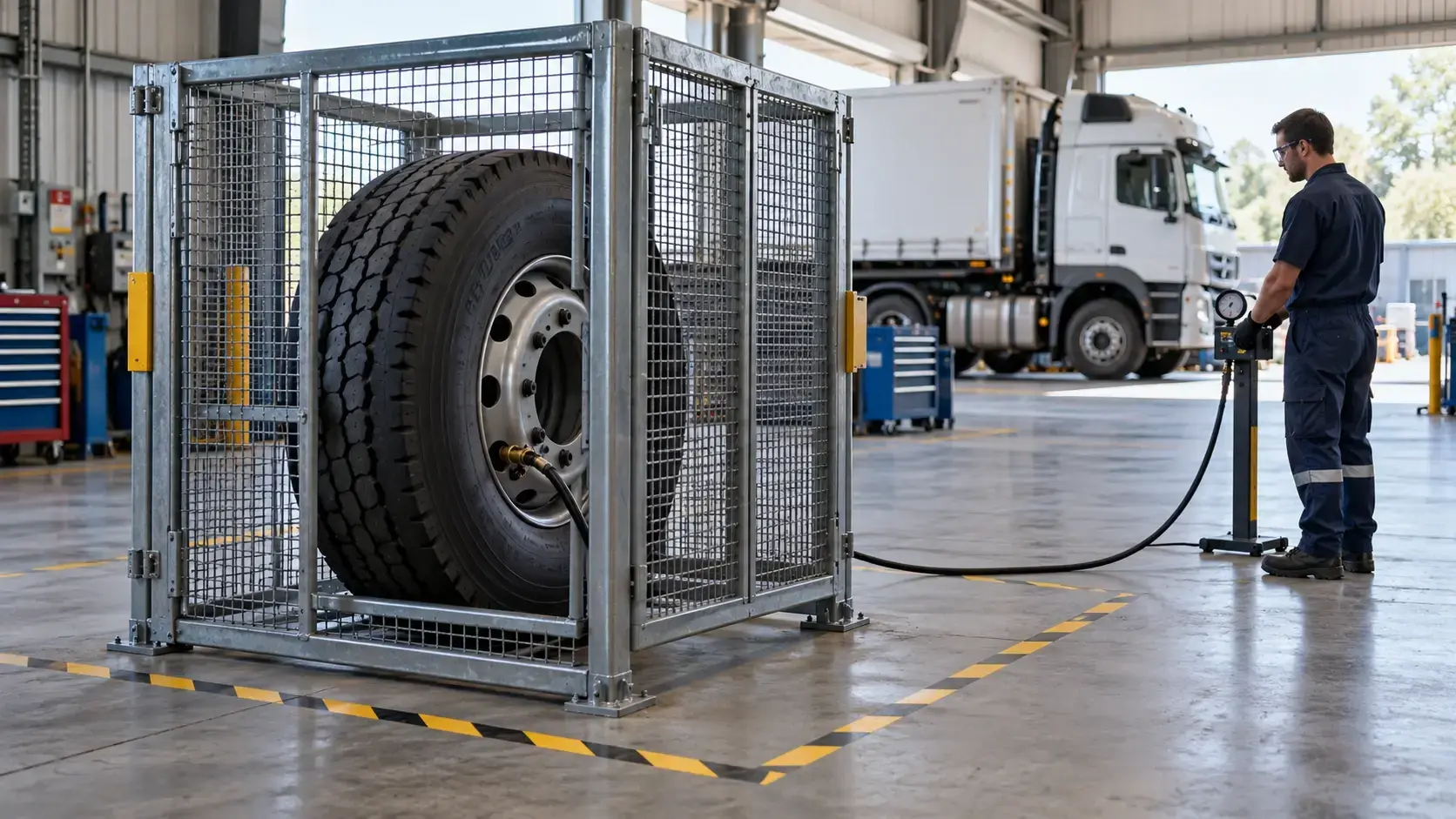
Adding air to a truck tyre can look routine while a serious failure is developing inside it. A damaged casing or separating wheel component can release stored energy violently. A tyre that has run flat or badly underinflated needs assessment before anyone tries to restore its pressure. Treat the inflation bay as a controlled work area: the technician and everyone nearby need protection from the possible blast and flying parts.
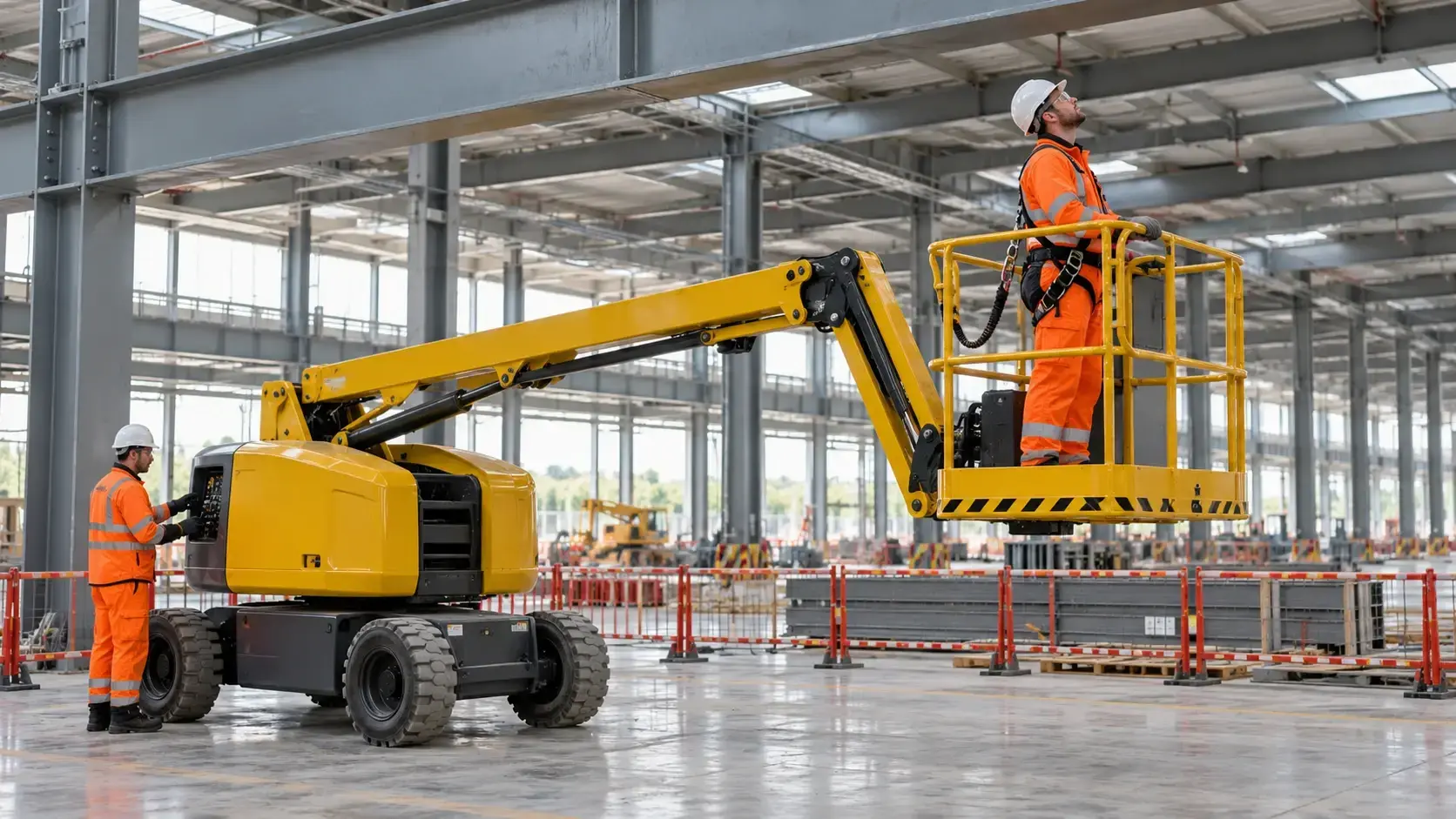
A basket can have room to rise while the person inside does not. When a mobile elevating work platform (MEWP) moves near beams or pipework, an operator can become trapped between the structure and the basket or controls. Reaching the job is only part of the plan: the operator needs clearance throughout the movement, and the ground team needs a practised way to help. Stop before a restricted gap becomes a trapping point.
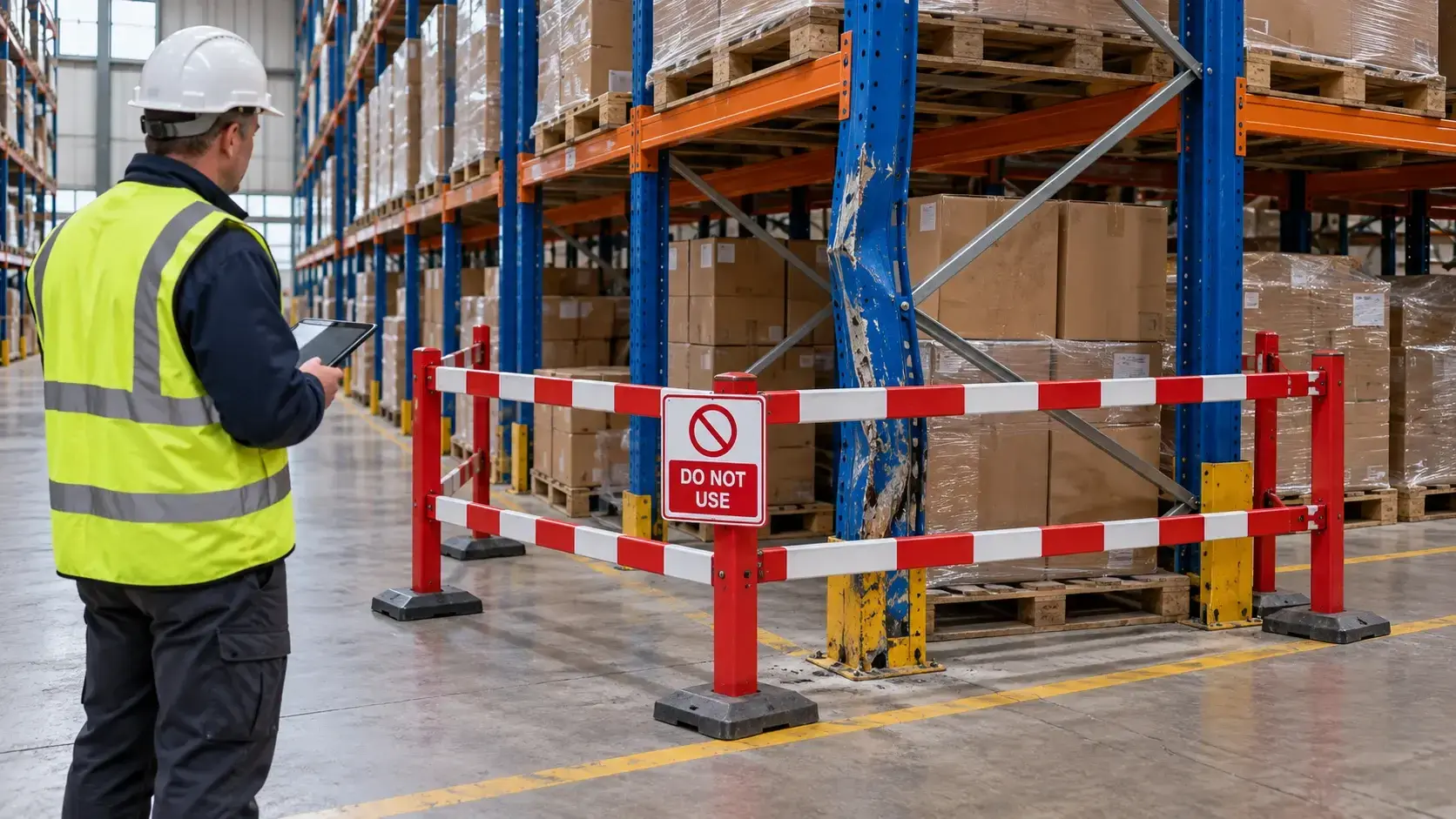
A Bent Rack Upright Needs Action Before the Next Load
A forklift clips a rack upright, leaves a bend and carries on. The pallets may still look steady, but damaged racking can lose load-carrying strength. Another pallet is not a test of whether it is safe. Report the impact immediately and stop using the affected location while the responsible person arranges an assessment. A delivery deadline must never decide whether damaged storage stays in service.
A nail gun can injure the person holding the timber as well as the operator. With a contact or bump trigger, a squeezed trigger and an accidental touch of the nose can discharge a nail. A fastener can also pass through timber or deflect from a knot or metal fitting. Familiarity with the tool is not a safeguard. Before fastening begins, confirm the trigger system, secure the work and keep everyone outside the nail path.
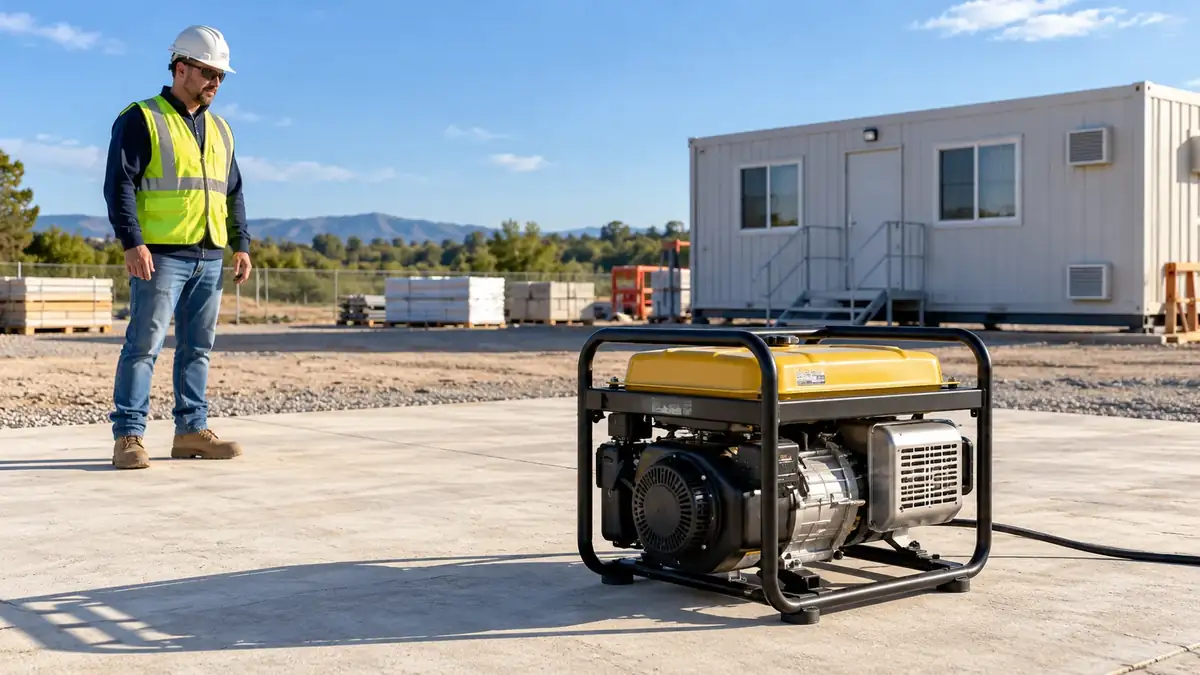
An Open Door Does Not Make a Generator Safe Indoors
A power cut can turn a convenient generator location into a serious exposure. A fuel-powered portable generator produces carbon monoxide: a poisonous gas that you cannot see or smell. Running it inside a workshop, garage or site cabin with the door open does not make that location safe. Even an outdoor generator can send exhaust through a nearby opening. Choose its position before power is needed, not after people begin feeling unwell.
Fresh concrete can look like ordinary mud, but its wet cement can burn skin. Inside a boot or under soaked clothing, it can remain pressed against the body while work continues. Pain is not a reliable warning: cement burns may not hurt straight away. Do not wait until the pour is finished to deal with contamination. Plan to prevent contact, and make it easy for anyone exposed to stop, wash and get help.
 · Static Electricity Control During Flammable Liquid Transfer


Your experience matters
Share your thoughts on this page
Have a question, a useful experience or a suggestion? Add your input below.
Comments are public. Keep them respectful and relevant. Do not share contact details, confidential information or emergency reports.
Comments on this page
Loading comments…