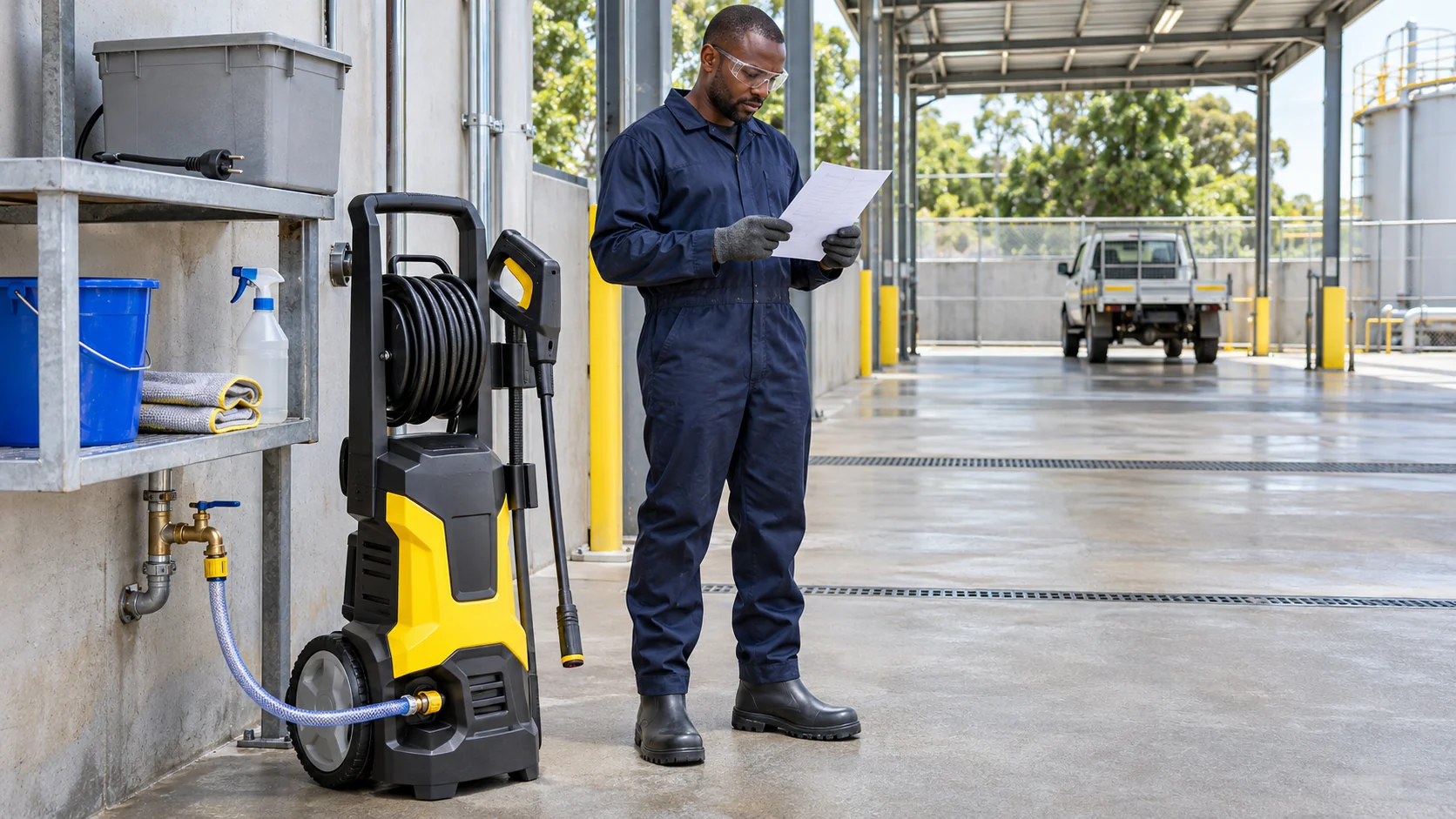
A quick spray at a muddy boot can cause a serious wound. Pressure-washer jets can penetrate skin and throw debris beyond the surface being cleaned. The injury may look small at first. Plan the wash area before starting, and never use the jet to clean a person or shift an object.
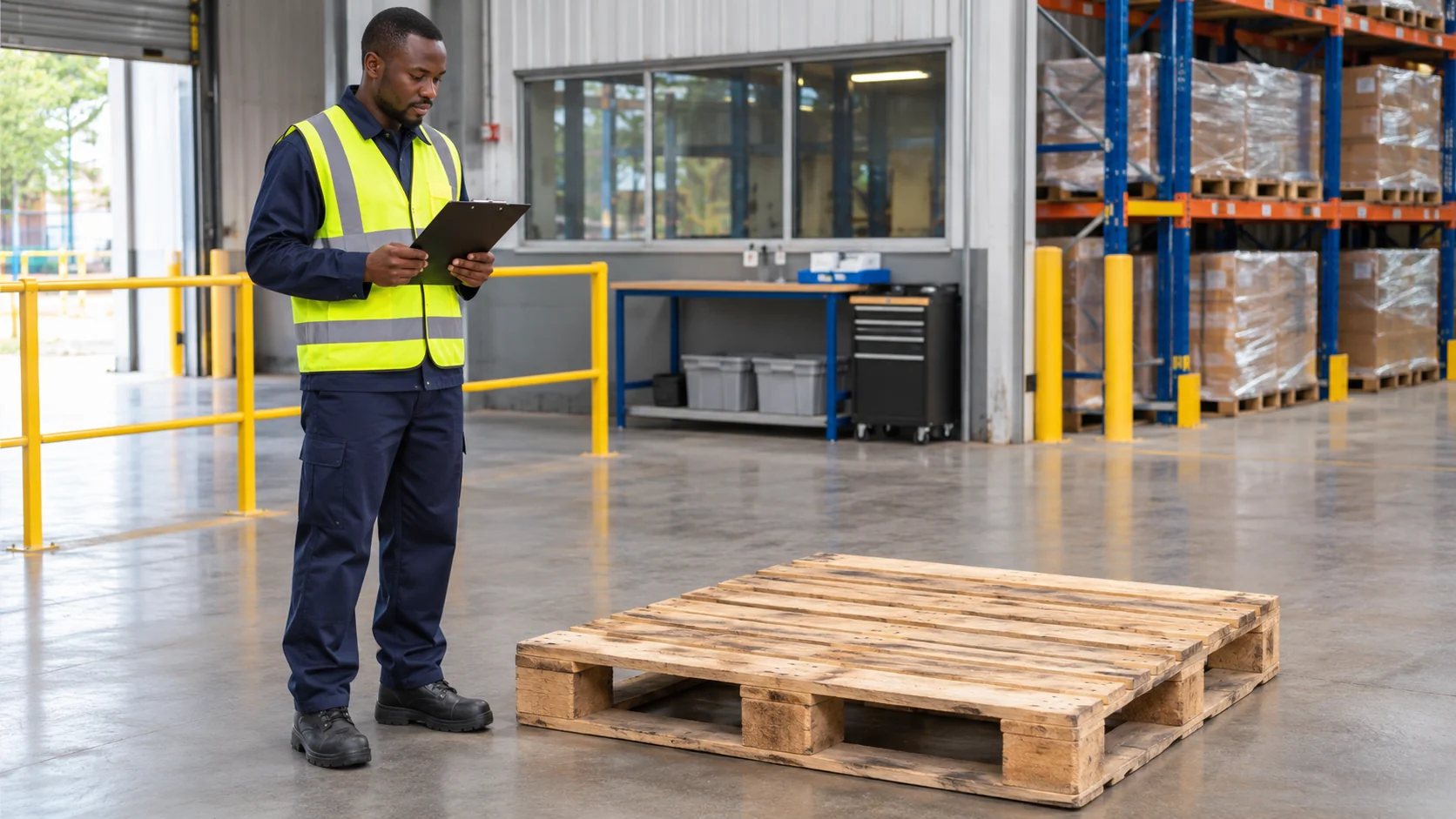
Stretch wrap holds goods together; it does not restore a damaged pallet's strength. A load can look tidy while the boards or blocks beneath it are failing. Check the base before loading, lifting or storing it. A pallet that survived the last journey may not be fit for the next one.
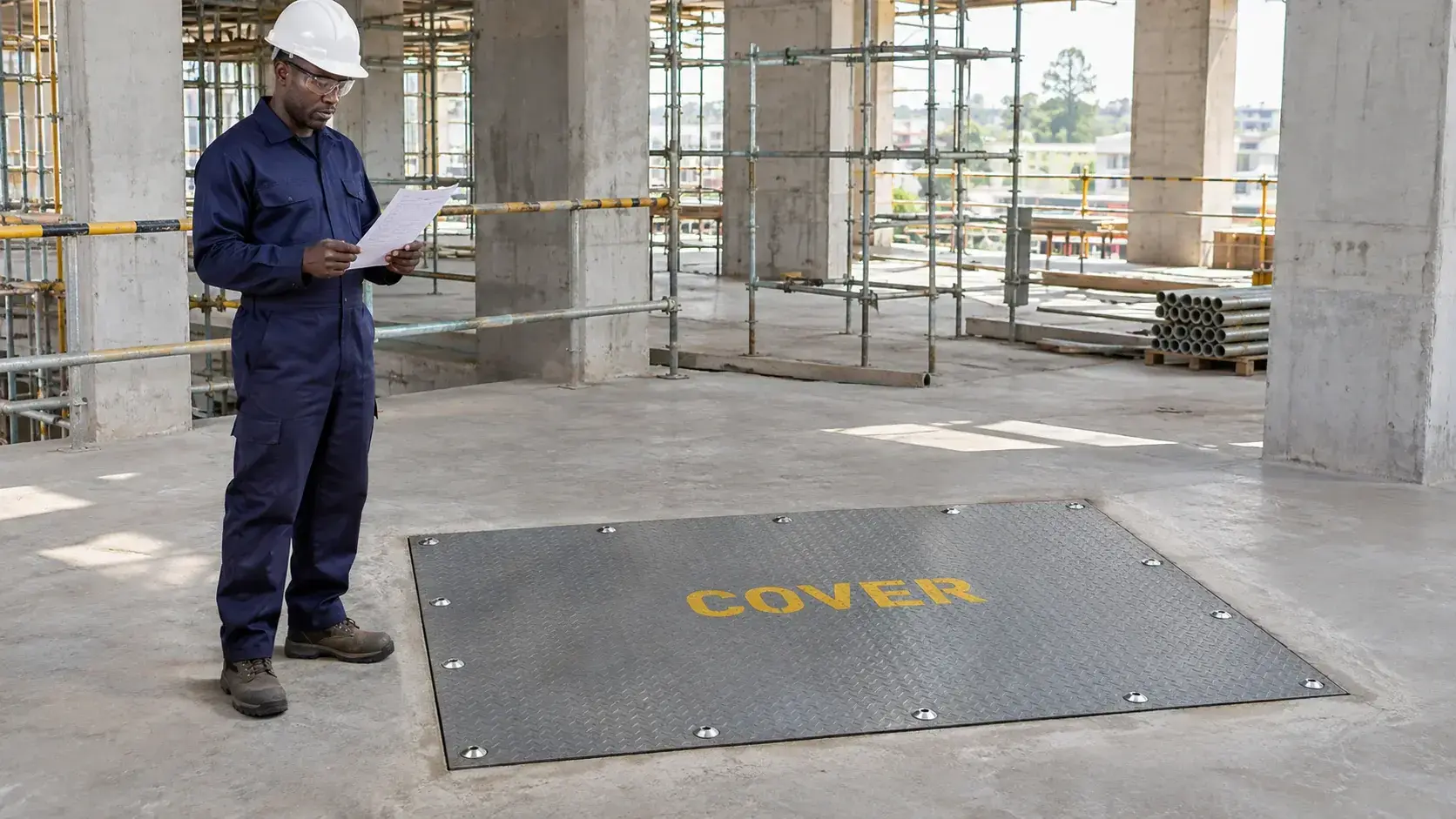
A sheet across a floor opening may hide the drop without making the route safe. The next person may arrive with a loaded trolley rather than empty hands. Before anyone crosses, confirm that the cover and its supports suit the opening and the loads expected there. Appearance is not a load rating.
A wet sleeve can keep metalworking fluid against your skin long after the splash. Repeated contact can cause dermatitis, even when the fluid looks clean. Do not wait for a rash or the end of the shift: prevent contact at the machine and deal with contamination promptly.
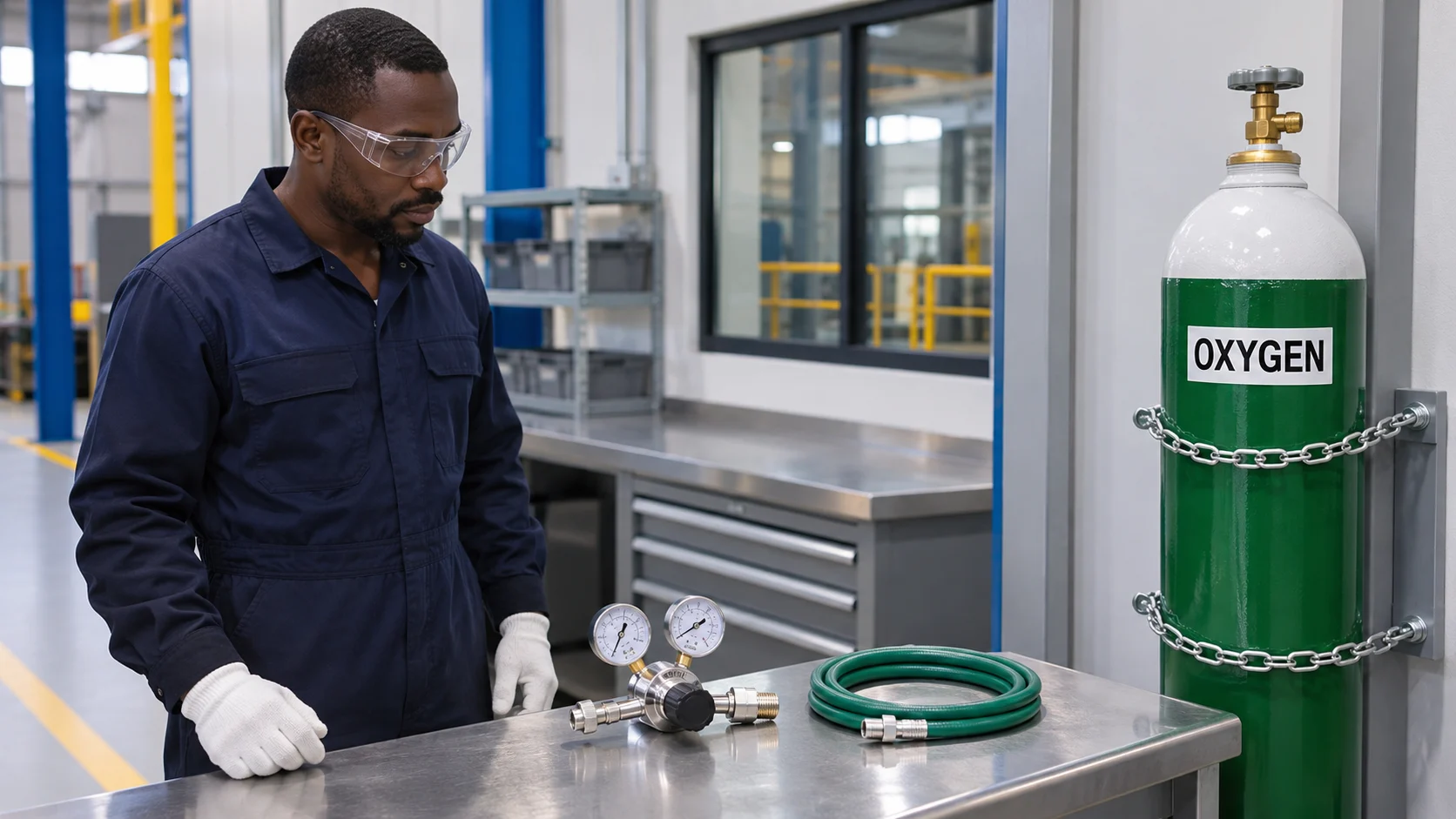
The glove that handled a greasy fitting should not be used to assemble oxygen equipment. Oil and grease can react violently with high-pressure oxygen. A leak also makes surrounding materials easier to ignite and burn fiercely; oxygen is not a substitute for compressed air.
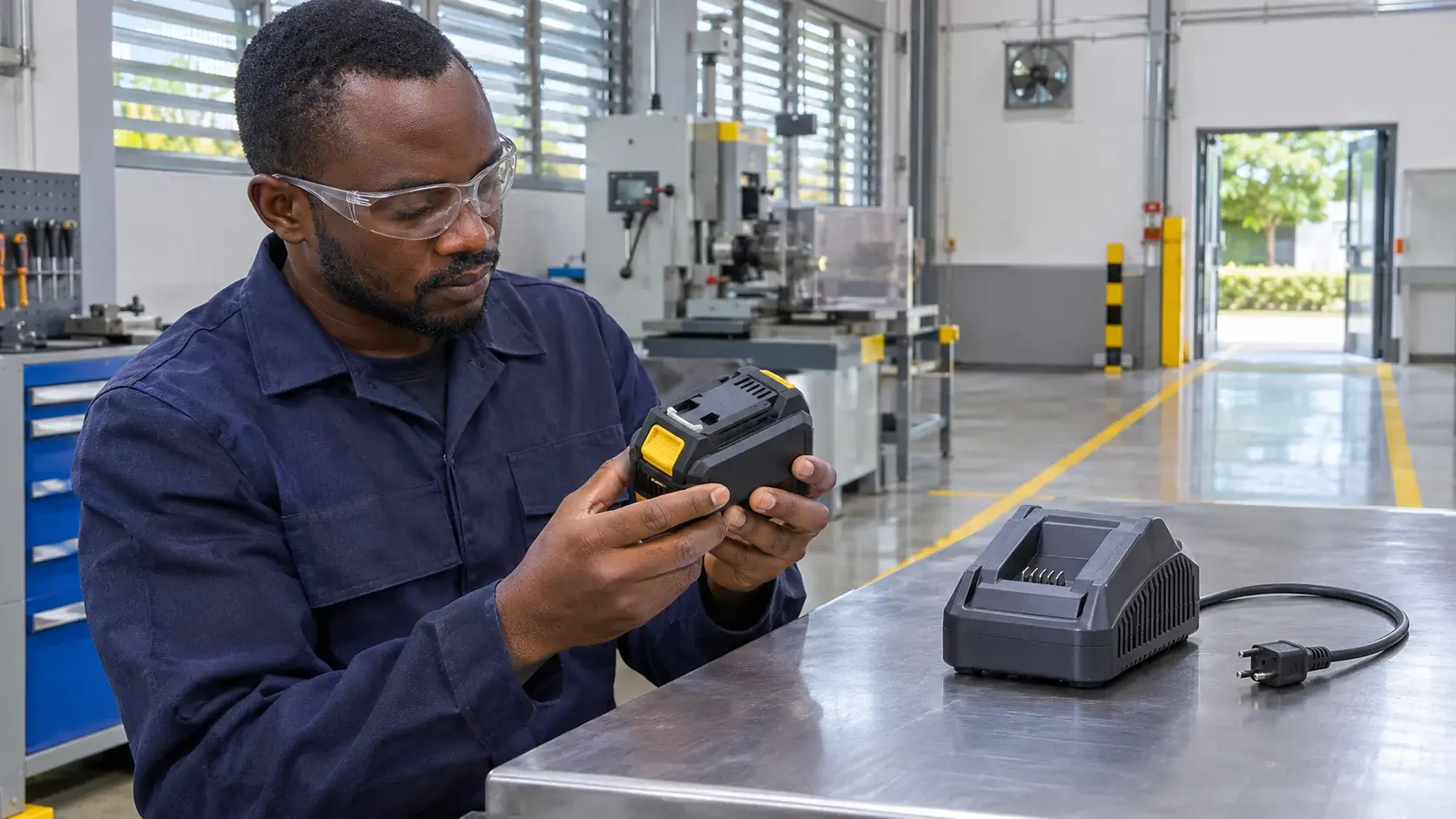
A cordless tool may still run after its battery has been dropped or damaged. That does not prove the pack is safe to recharge. Lithium-ion battery failure can release heat, fire and hazardous smoke; the charging decision starts with the pack's condition, not the charger light.
A loaded roll cage can feel manageable on a smooth floor, then become difficult to control at a threshold, corner or ramp. Wheels reduce carrying, but they do not remove the load's weight or the risk of crushing. Plan the whole journey before the first push.
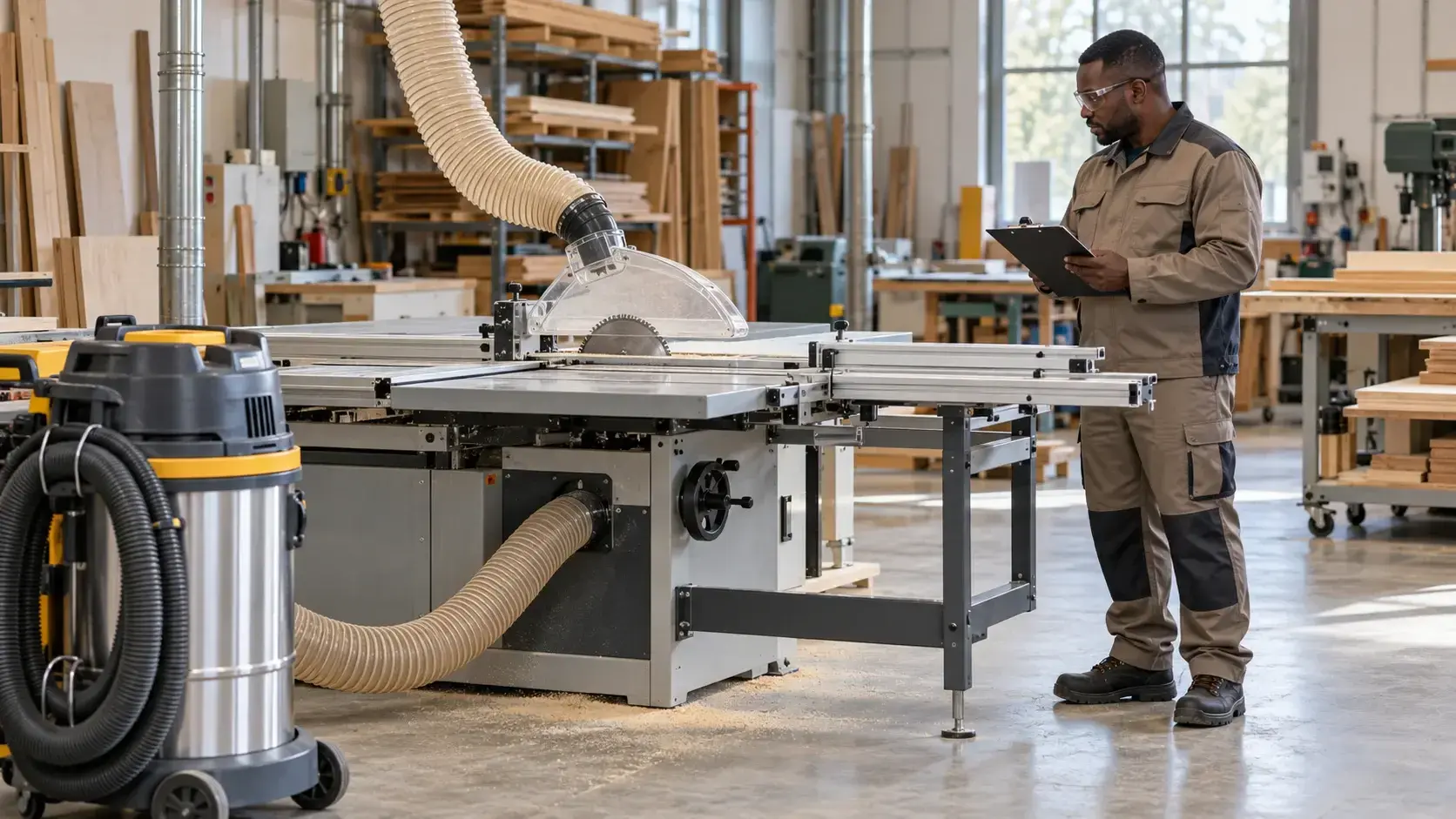
A layer of sawdust is not simply a sign that work has been productive. Settled dust can be disturbed and breathed in, while fine wood dust can also burn or form an explosive cloud. Control the dust where it starts, then remove deposits without sending them back into the air.
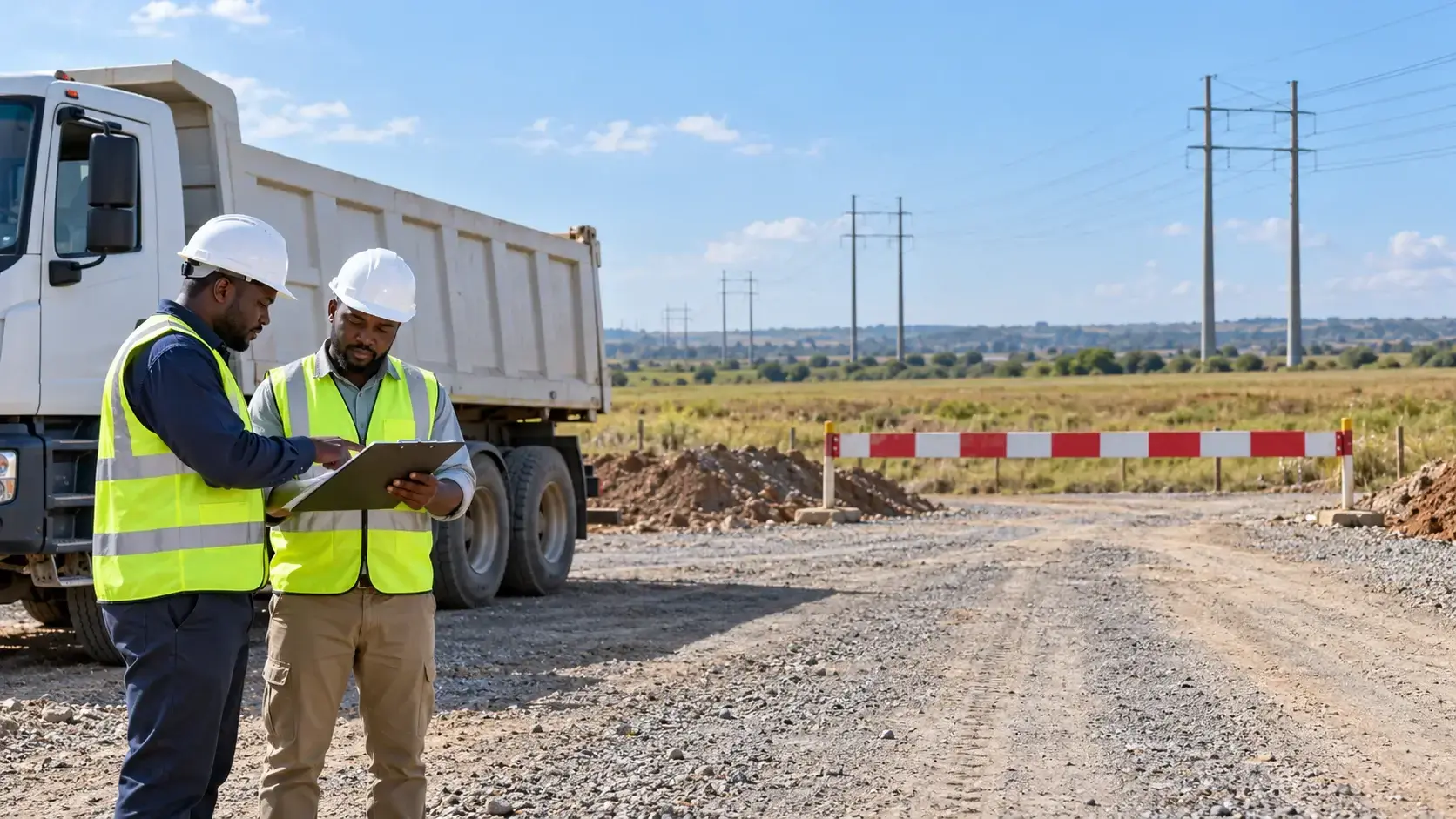
An overhead cable is part of the job even when the task is on the ground. A raised tipper body, extended boom or long tool can enter the danger area. Electricity can flash across a gap; avoiding physical contact is not enough.
A Bucket That Moves Is Not Proof the Hitch Is Locked
After a bucket change, a successful first movement can create false confidence. An attachment may stay on an unsecured quick hitch temporarily before releasing without warning. Before digging resumes, confirm the actual locking arrangement on that machine; a familiar cab switch is not evidence that every attachment is secure.
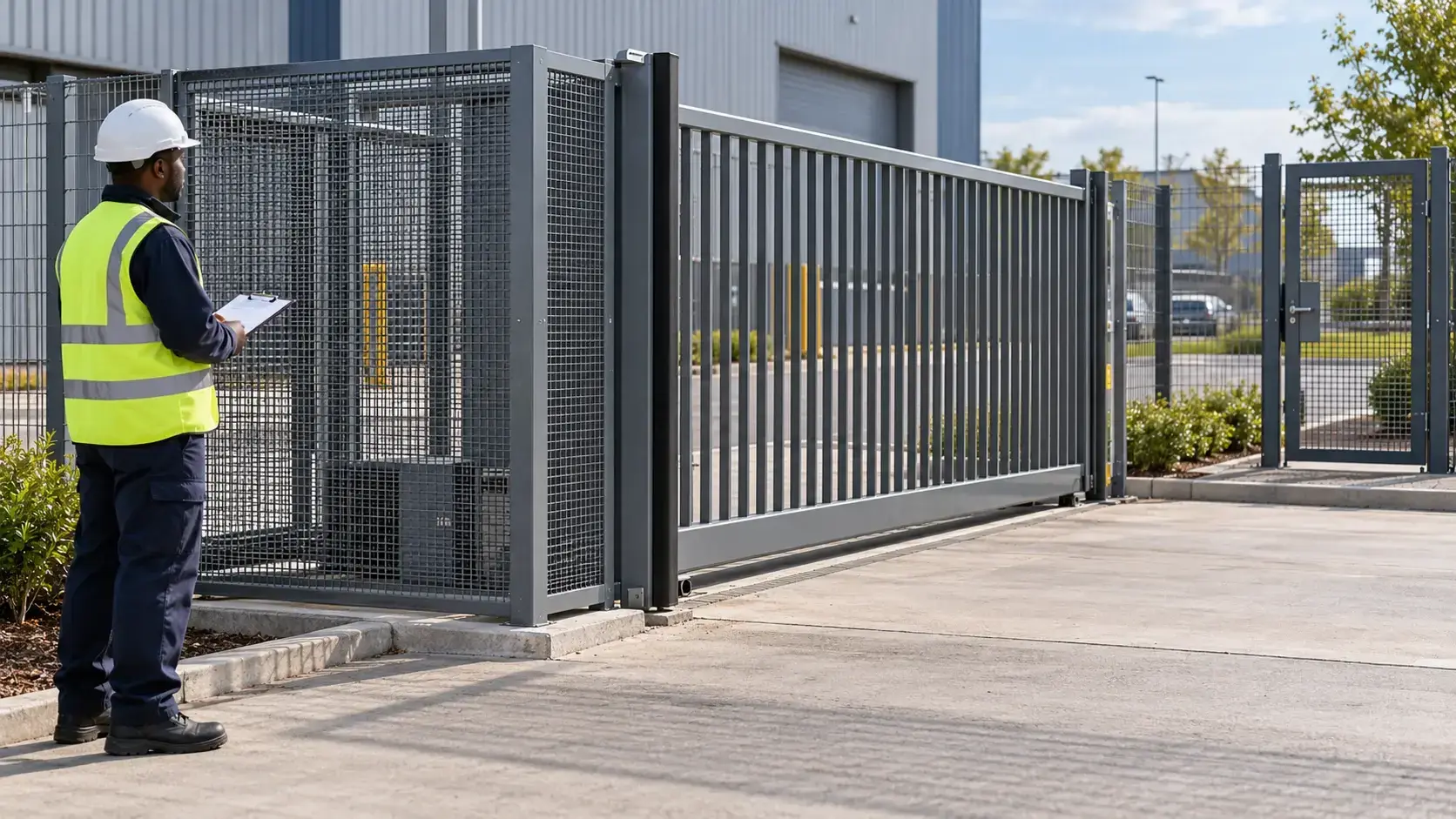
At shift change, a worker may try to follow a vehicle through an automatic gate. The closing edge is only one danger: the opening movement can also trap someone beside a wall or fence. Treat the whole travel area as machinery space, including the section where a sliding gate runs back.
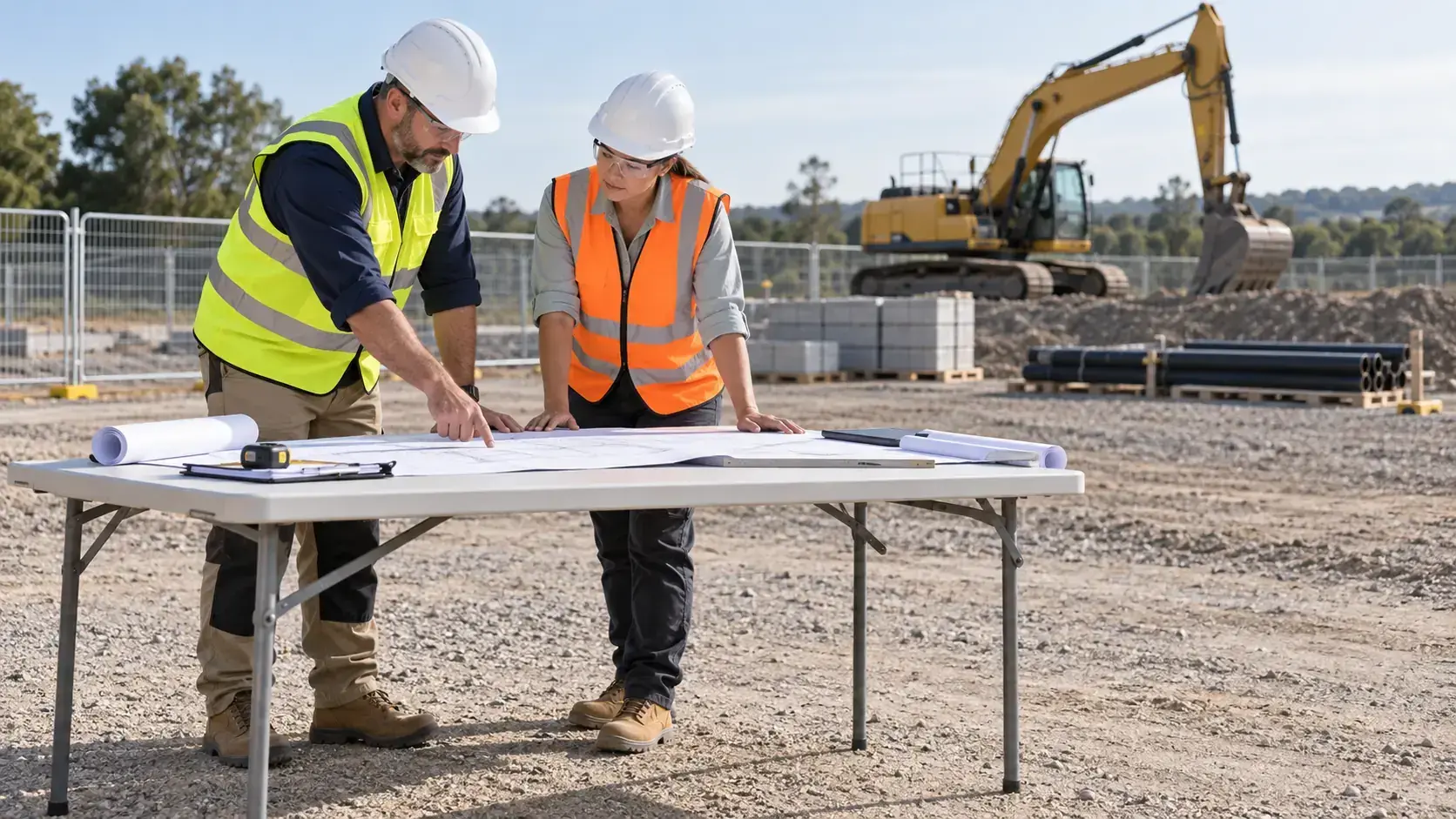 Safety · Excavation and Contractor Coordination ·



Your experience matters
Share your thoughts on this page
Have a question, a useful experience or a suggestion? Add your input below.
Comments are public. Keep them respectful and relevant. Do not share contact details, confidential information or emergency reports.
Comments on this page
Loading comments…