Powering Progress · Lesson 3 · 8 min read
More Value, Less Emissions: Operational Discipline for Leaks, Flaring and Energy Use
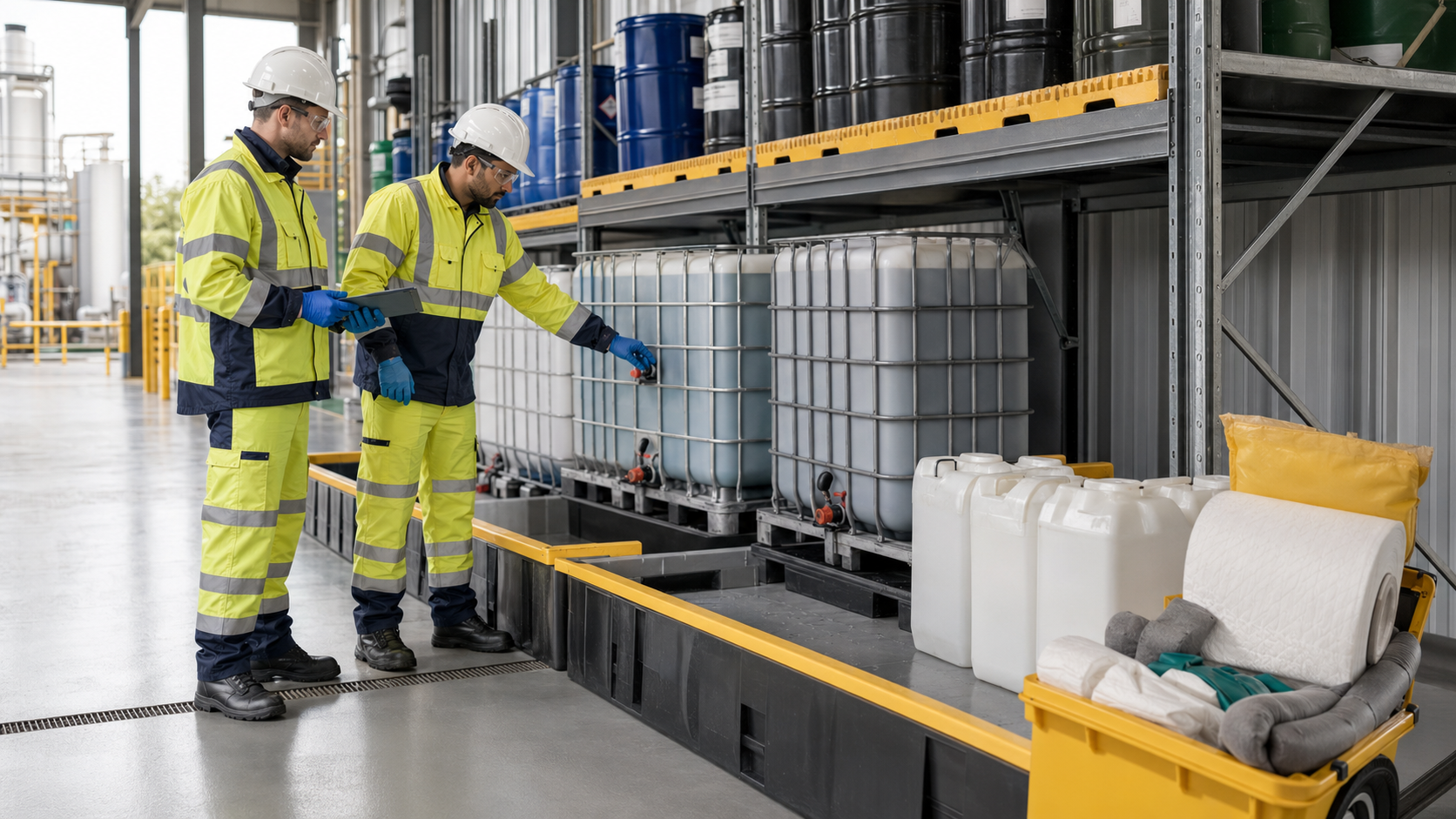
Emissions performance is built into daily operations. Preventing leaks, avoiding unnecessary flaring and using energy efficiently can protect value while reducing environmental impact.
Efficiency and emissions meet in the field
The energy transition calls for lower-emissions operations and responsible use of resources. The pathway, assumptions and business choices are matters of strategy. At operating level, the immediate lesson is simpler: material and energy that escape control usually represent both environmental impact and lost value.
A leaking valve, unstable combustion system, unnecessary recycle or avoidable flare event may have different causes, but each deserves disciplined attention. Operators cannot solve the energy transition alone; they can ensure that the equipment and decisions under their control do not create preventable loss.
Prevent releases before measuring performance
Leak prevention begins with containment integrity, competent inspection, correct assembly and early response to weak signals. Smell, staining, frost, sound, detector response or unexplained inventory imbalance must be treated under approved site arrangements. Never approach a suspected release simply to confirm it visually.
Measurement remains important because teams need credible information to prioritise and verify improvement. But a reporting number does not control the hazard. Instrument health, representative sampling, data quality and clear ownership determine whether the reported performance reflects reality. When data and field evidence disagree, investigate rather than selecting the more convenient story.
Flaring should remain controlled and purposeful
A flare is an important safety and operational system, and it must remain available for the conditions it is designed to manage. The goal is not to suppress necessary protective action. The learning opportunity is to distinguish safety-essential flaring from preventable routine or operational loss and then address the causes through sound engineering and operating discipline.
Before startup, shutdown or equipment intervention, teams can review the likely flare drivers, confirm recovery systems and stabilisation plans, and clarify the point at which safety takes priority over reduction objectives. After an event, examine the initiating condition, control response, equipment limitations and opportunities to prevent recurrence. Avoid blaming the final protective action while ignoring the disturbance that made it necessary.
Energy efficiency is an operating condition
Energy loss often hides inside accepted routines: fouled heat transfer, inefficient loading, excessive pressure drop, poor steam management, air leakage or equipment running without a current need. Trends can reveal deterioration before it becomes obvious. The right response is not an improvised optimisation that compromises reliability, but a competent review of the cause and approved improvement.
Connect environmental performance to process safety. Stable control, healthy instrumentation and well-maintained equipment support efficient operation; degraded conditions can increase both energy use and risk. A credible improvement protects the operating envelope and verifies that one environmental benefit has not created another hazard elsewhere.
- Identify one recurring loss and confirm its defect or improvement owner.
- Review flare-producing events for causes, not only duration or volume.
- Check that emissions and energy data agree with field conditions.
- Route permanent operating changes through competent review and management of change.
Team discussion
Where does our operation lose material or energy in a way that has become familiar? What evidence would distinguish a necessary condition from a preventable loss, and who owns the next technically sound action?
Editorial note: This independent Worksite Safety Hub article provides general operational learning and does not set site emissions targets or operating instructions.
Daily HSSE updates
Subscribe for practical HSSE updates.
Subscribe for the daily message, selected HSSE news and occasional new-resource alerts from Worksite Safety Hub.