Product Reviews · Fire and Rescue Vehicles
Toyota Land Cruiser LC79 Fire Truck Review: Crew, Water and 4×4 Purpose
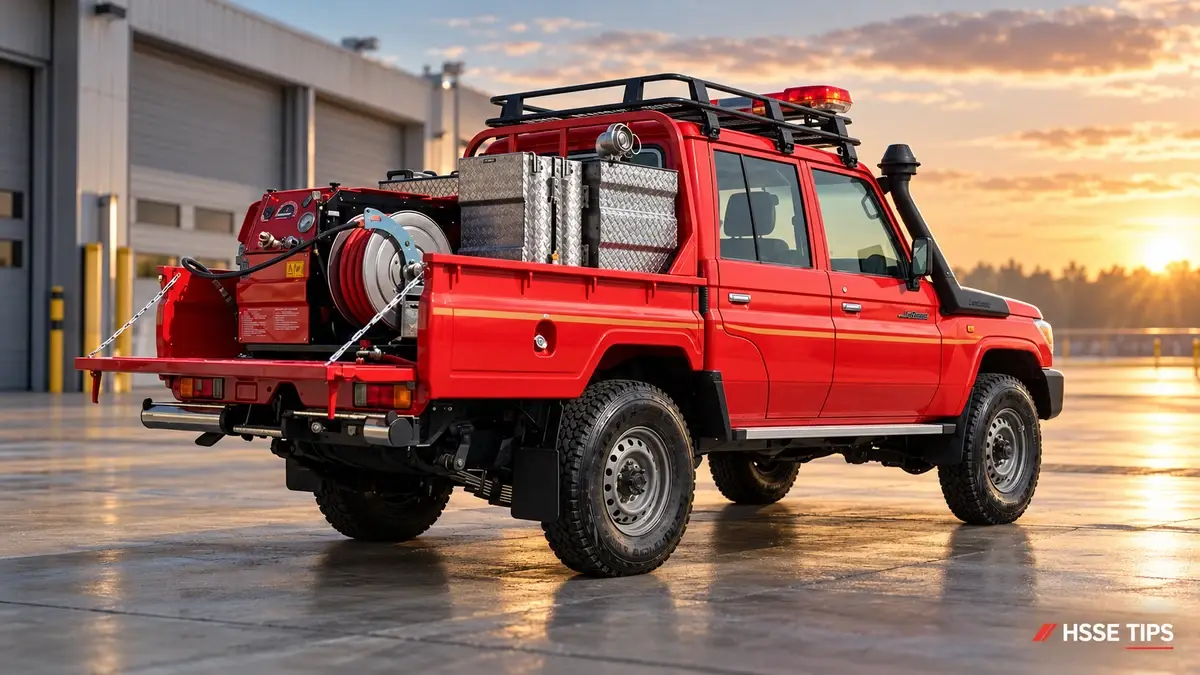
At a remote worksite, a firefighting vehicle has two jobs before its crew can begin: reach the working location and arrive with the right equipment ready to use. A four-wheel-drive pickup can be an attractive starting point, especially when the response plan calls for a compact, self-contained water-and-foam package.
The Toyota Land Cruiser LC79 Fire Truck offered by Fire Trucks 4 Africa combines an advertised 4×4 double-cab vehicle, a 500-litre water tank and a UHPS fire unit. The seller offers a diesel- or petrol-powered extinguishing unit, alongside water and foam tanks and a choice of accessories. The original gallery shows how such equipment can be arranged in the pickup bed.
This review looks at that proposition from a fleet buyer’s perspective: vehicle selection, equipment access, loading and the specification needed for an appropriate operational role. It draws on the actual listing, its photographs, the supplier’s catalogue and manufacturer information. No personal inspection, driving test or firefighting trial is claimed.
Affiliate Disclosure: Worksite Safety Hub may earn a commission if you make a qualifying purchase through links in this article. This does not change the price you pay.
EXPLORE THIS TOYOTA LC79 FIRE TRUCK
Toyota Land Cruiser LC79 Fire Truck: Overview
The advertisement identifies a new Toyota Land Cruiser LC79, with a Toyota diesel engine, two axles and 4×4 drive. Its cab field specifies a double cab, while the description also offers a single-cab alternative. The listed water capacity is 500 litres.
This is therefore a configurable firefighting offer rather than a promise that every gallery image shows one identical supplied build. A purchaser can assess the documented double-cab package, then agree the selected chassis and extinguishing installation in writing. That approach preserves the LC79’s useful identity while making equipment comparisons meaningful.
Toyota Land Cruiser 70 Series Platform
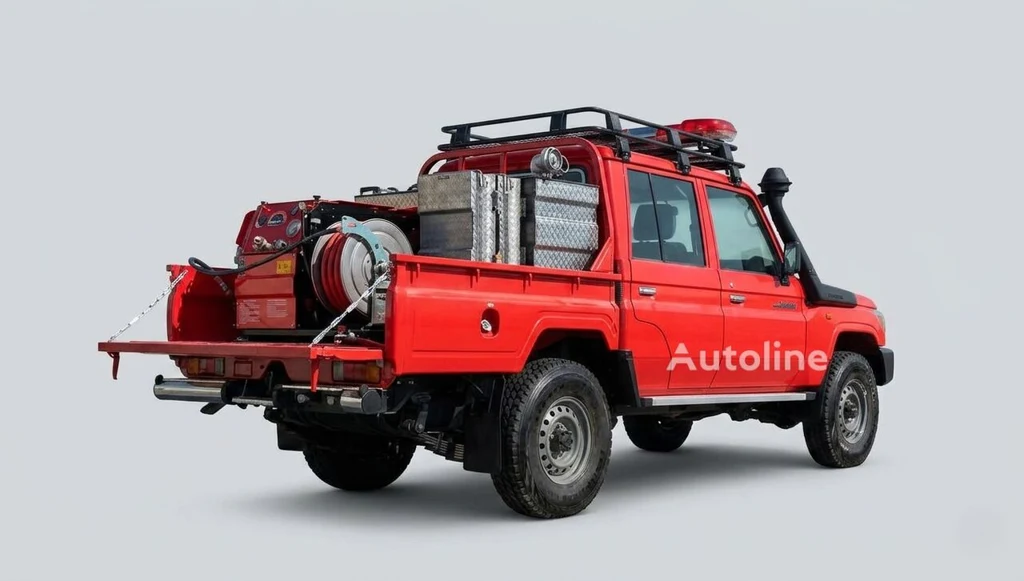
The 79 is the pickup member of the Land Cruiser 70 Series family. Its separation of passenger accommodation and rear carrying area gives a conversion supplier a defined space for the firefighting installation. In the selected double-cab photographs, the tank assembly occupies the front of the bed and the operating module sits toward the rear.
Toyota’s current South African LC79 range includes several engines and transmissions. Its 2026 announcement describes single-cab and double-cab derivatives and the continued availability of different diesel powertrains. That manufacturer context explains why “LC79” alone does not establish the engine, gearbox or complete equipment specification of an export fire vehicle.
The offered vehicle’s Toyota model code, VIN, production documents and completed dimensions should anchor the purchase. Current regional Toyota features, service plans and warranty packages are not automatically the terms of this independently supplied conversion.
Four-Wheel-Drive Engineering and Mobility
4×4 is explicitly advertised. This is the confirmed drivetrain headline. Toyota’s LC79 model material describes a four-position transfer lever for its documented range, but the exact transfer-case specification and controls of the supplied vehicle need VIN-linked confirmation.
Differential locks, suspension specification and loaded ground clearance were not itemized in the advertisement. The pictured example has a raised air intake or snorkel, a roof rack and steel wheels. Those are visual observations, not evidence of a particular wading depth, roof-load allowance or suspension upgrade.
For a mine, farm or infrastructure operator, route suitability is a loaded-vehicle question. Check the actual completed height and width against access restrictions, and assess the intended working locations under the manufacturer’s operating limits. Four-wheel drive should be matched to a route assessment rather than treated as unrestricted terrain access.
Firefighting Conversion and Equipment Configuration
Fire Trucks 4 Africa is the named supplier. A separate converter or bodybuilder is not identified in the listing, so this review does not describe the seller as the manufacturer of every component. Request the parties responsible for the conversion and its installation records.
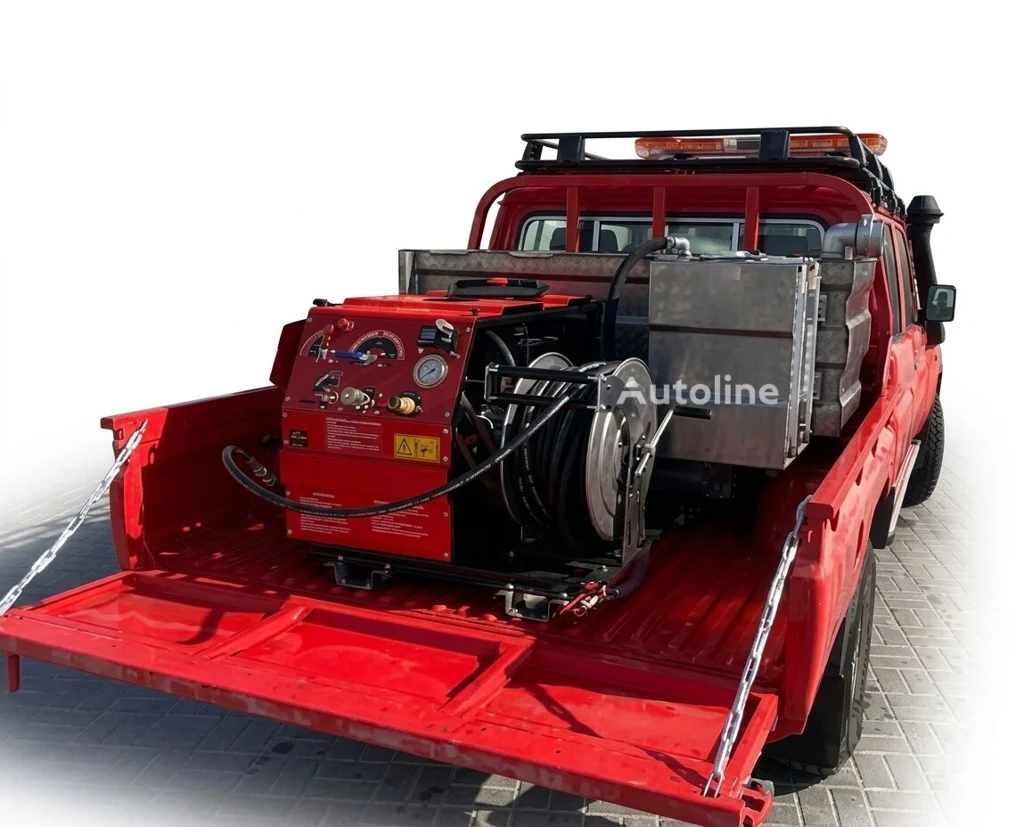
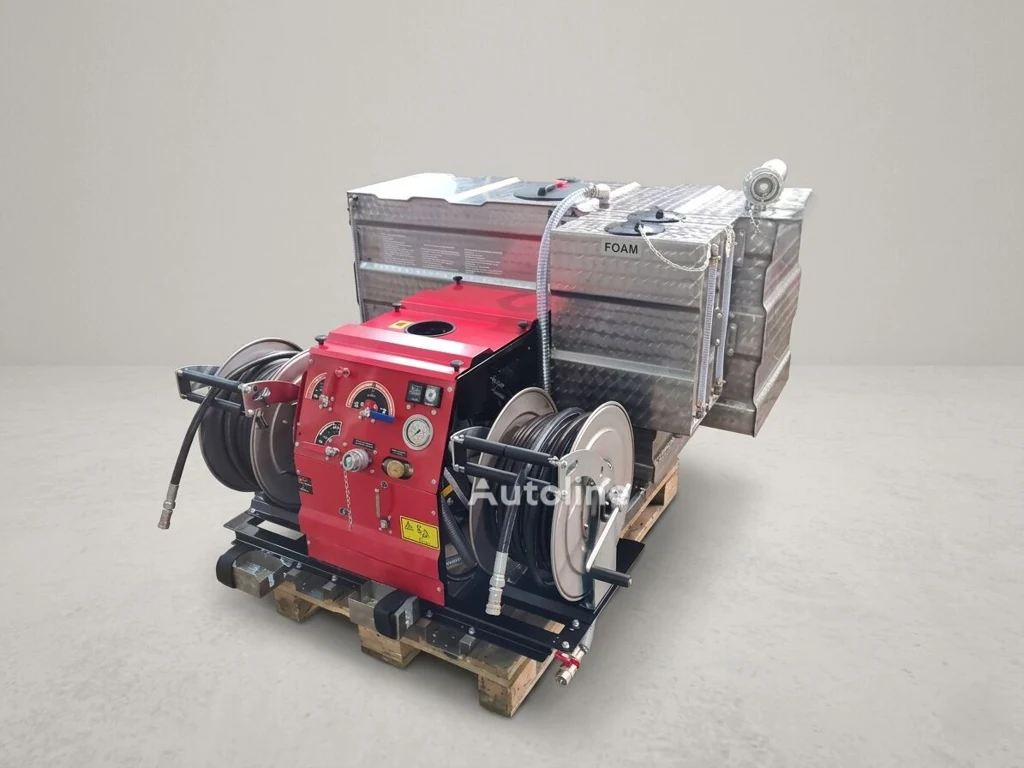
The red double-cab example shows an open pickup bed, a silver tank assembly, a rear red control module and hose-reel equipment. The lowered tailgate provides a clear view of the arrangement in the second selected photograph. A separate gallery image shows a standalone twin-reel module with a foam-labelled tank.
Other gallery views include a single-cab vehicle, another pickup, trailer-mounted systems and equipment modules. They demonstrate the range being illustrated, not an inventory of additional vehicles or accessories included with this LC79. The final quotation should identify exactly which layout, reels and fittings will be delivered.
Engine, Transmission and Vehicle Performance
The base vehicle is advertised with a Toyota diesel engine and Euro 4 emissions classification. No verified engine code, displacement, rated output, torque or transmission specification is supplied. Do not assign an engine from another LC79 market or model year.
The listing’s diesel-or-petrol choice concerns the UHPS firefighting unit’s engine. It should not be confused with a choice already made for the Toyota road engine. These two power systems need separate identification, servicing information and operating instructions.
Procurement should establish the vehicle’s fuel and emissions documentation for the destination, and the exact gearbox supplied. There is no verified fuel-consumption result, acceleration figure or driving assessment for this completed fire truck.
Water Tank and Fire Pump
The advertised 500-litre water tank gives the offer a concrete starting point for agent planning. Confirm whether that figure is nominal tank volume and what usable quantity the installation provides. Tank material, baffling, mounting and connection details should be part of the supplied equipment documentation.
The fire unit is described as UHPS, with diesel- or petrol-engine options. The reviewed advertisement does not identify its manufacturer, model, rated flow or operating pressure. The control module and hose arrangement are visible, but a photograph is not a substitute for a pump identification plate and duty specification.
For general technical background, Rosenbauer explains that its UHPS systems use a matched combination of pressure, flow and nozzle design to produce fine droplets. This explains the equipment concept; it does not identify the manufacturer or performance of the unit supplied under this offer. A complete specification must cover the chosen pump, drive engine, nozzle and hose together.
The seller’s own catalogue separately lists a Land Cruiser UHP pickup package with 500 litres of water, 60 litres of foam, a 30 l/min at 100 bar unit and a 40 m hose reel. These are useful supplier-reference details to discuss, but their application to advertisement YZ43734 has not been explicitly confirmed. They are not presented as certified specifications of the advertised build.
Hose Reels, Fire Monitors and Firefighting Accessories
The double-cab photographs show hose-reel equipment beside the operating module. The standalone module image shows a twin-reel arrangement. Establish whether the quotation includes one or two reels, the hose dimensions, rewind method, supplied nozzles and the supported operating combinations.
No fire monitor is confirmed for the listed LC79. The seller’s “choice of accessories” wording creates scope for an agreed equipment selection, rather than establishing every tool visible across the wider gallery. Ask for an itemized list with each accessory’s storage position and travel restraint.
Foam Systems and Additional Equipment
Water and foam tanks are stated in the description. The component photograph has a clearly marked foam compartment, supporting the water-and-foam configuration being illustrated. The advertisement itself does not give the foam volume or the installed proportioning specification.
Confirm the foam agent, proportioner, available concentration settings and nozzle compatibility for the intended hazards. The supplier-reference package’s 60-litre foam figure needs confirmation against the selected build. No compressed-air foam system, dry-powder unit, breathing apparatus or rescue-tool package is assumed to be included.
DISCOVER THE FIREFIGHTING EQUIPMENT
Emergency Warning Lights and Communication Equipment
A roof warning bar is visible on the red double-cab example. The rear installation also includes a round lamp visible above the tank area. These photographs do not establish the warning-bar brand, siren functions, measured scene-lighting output or destination approval.
No operational two-way radio or dispatch installation is specified. Agree the required warning and communications package before ordering, including controls, electrical integration and any documentation needed for the intended service. Equipment demonstrated at handover should match the final inventory.
Crew Cabin and Operator Environment
The listing specifies a double cab, air conditioning and powered windows. Its description offers a single cab as an alternative. This is a meaningful selection decision: crew accommodation and rear equipment packaging need to be considered together.
An approved seating count and detailed cabin layout were not provided. Confirm the number of registered seats, restraints and available space with the intended crew. Do not equate the double-cab description with a particular seating approval or specialist breathing-apparatus arrangement.
The exact driving position, controls and safety equipment should be established from the quoted vehicle’s build information. No newer-market dashboard, driver-assistance package or cabin feature is borrowed from a different LC79 brochure.
Payload, Equipment Integration and Operational Practicality
Five hundred litres of water alone represents approximately 500 kg, before the tank, foam, pump, installation structure, crew and other equipment. That basic mass relationship helps explain why the complete loading schedule matters as much as the tank headline.
No completed gross weight, remaining payload, axle-load record or measured dimensions were supplied. Request the approved limits and a weighing record for the actual configuration. The rear placement of equipment, its mountings and its secured travel arrangement belong in that assessment.
Operational practicality also includes service access and reset after use. During a demonstration, examine how the reel is deployed and rewound, how tanks are filled, how connections are reached and which service points remain accessible. These checks assess the arrangement without implying an identified equipment defect.
Firefighting Applications and Ideal Buyers
Industrial brigades and remote facilities can evaluate this combination where the response plan calls for a 4×4 vehicle with a compact water-and-foam installation. The selected agent, pump duty and supporting resources determine the specific role.
Rural, forestry and agricultural teams should compare the final loaded vehicle with their access routes, crew requirements and replenishment arrangements. The advertisement does not establish pump-and-roll operation, specialist wildfire certification or suitability for every vegetation-fire situation.
Mining, quarrying and infrastructure operators may require additional site-specific equipment or approvals. No hazardous-area certification or acceptance for a particular oil-and-gas installation is documented here. Discuss those requirements explicitly with the supplier.
For alternative configurations, read our independently researched Toyota RIV review, Hilux command-pickup review and IVECO FF135E22W review. Their equipment and operating roles differ.
Safety and Operational Considerations
Acceptance should cover both the Toyota vehicle and the installed fire unit. Confirm operating manuals, equipment securing, electrical installation, approved load limits and the documents supporting the intended service. Arrange driver familiarisation and pump training for the actual configuration.
The seller’s advertised warranty and shipping services do not establish a particular firefighting certification. Request applicable approval and test evidence, inspection arrangements and a witnessed equipment demonstration. Use the manufacturer’s limits for both road operation and the extinguishing unit.
Toyota Land Cruiser LC79 Technical Specifications
| Model | Toyota Land Cruiser LC79 |
|---|---|
| Engine brand / fuel | Toyota / diesel |
| Emissions entry | Euro 4, as advertised |
| Axles / drive | Two / 4×4 |
| Cab | Double cab listed; single-cab alternative offered |
| Cab conveniences | Air conditioning and powered windows listed |
| Water tank | 500 litres advertised |
|---|---|
| Extinguishing unit | UHPS fire unit with diesel- or petrol-engine choice |
| Foam provision | Foam tank stated; capacity and proportioner require confirmation |
| Equipment layout pictured | Open-bed tank/module installation and hose-reel equipment |
| Accessory specification | Choice offered by seller; final inventory to be agreed |
Engine output, gearbox, pump duty, dimensions and completed weights are not assigned without a vehicle-specific build sheet. The separate supplier-reference UHP figures discussed above are excluded from these advertised-vehicle tables.
VIEW CURRENT PRICE & AVAILABILITY
Current Seller Offer — Verified 24 October 2026
Product Location: Dubai, United Arab Emirates. This is the advertised vehicle-location field.
- Seller: Fire Trucks 4 Africa.
- Advertisement: YZ43734.
- Asking price: on request.
- Year: 2026, as advertised.
- Condition: new, as listed.
- Mileage: not stated; no verified zero-mileage claim.
- Vehicle: LC79 diesel, Euro 4, two axles, 4×4, double cab, air conditioning and powered windows.
- Fire equipment: 500-litre water tank; water and foam tanks; UHPS unit with diesel/petrol engine choice; accessories selectable.
- Warranty: 12 months advertised. Obtain coverage, provider, exclusions, start date and claim procedure in writing.
- Availability: listing accessible when checked; confirm the selected vehicle, stock/build status and dispatch date.
Shipment: the advertisement explicitly offers worldwide shipment. The supplier’s website describes shipping to suitable ports, export documentation, pre-delivery inspection/testing and the option of an independent inspection. It also describes testing photographs/videos, commissioning and handover through local agents, and spare-parts support as general services.
These statements do not set the delivered price or confirm a particular destination, sailing, loading arrangement or inland delivery. Request an LC79-specific quotation covering the port, transport responsibilities, documentation, insurance and costs. Domestic transport and collection arrangements should be confirmed separately. Last verified: 24 October 2026.
Questions Buyers Should Ask Before Contacting the Seller
Ask for the exact Toyota derivative, VIN, production documents, engine and gearbox details, mileage, seating approval and drivetrain equipment. Request actual dimensions and completed axle weights, including the proposed crew and equipment load.
For the conversion, establish who built it and request tank specifications, pump/drive-engine identification, pressure-flow data, foam compatibility, hose/nozzle details and included accessories. Confirm whether the supplier’s separate UHP catalogue package is the one being quoted.
Agree inspection and acceptance testing, operating manuals, training, parts support and warranty coverage. For international purchase, obtain the final payment procedures, shipping costs, destination documents and handover responsibilities before placing the order.
Buyer FAQs
What is the Toyota LC79 fire truck in this offer?
A new Land Cruiser LC79-based 4×4 firefighting pickup, advertised with a double cab, a 500-litre water tank and a UHPS unit.
What engine and gearbox does it have?
The Toyota base is listed as diesel and Euro 4. The exact engine and transmission are not specified and need build-document confirmation.
Are differential locks installed?
The listing confirms 4×4 but does not itemize differential locks or the transfer case. Request the exact drivetrain specification.
What is the water-tank capacity?
500 litres is advertised. Confirm nominal and usable capacity, construction and the completed loading schedule.
What pump and foam system are included?
A UHPS unit with a diesel- or petrol-engine choice and water/foam tanks is described. Exact pump model, performance and foam specifications require the agreed quotation.
Where is the vehicle advertised?
Dubai, United Arab Emirates.
Are shipping and warranty offered?
Yes: worldwide shipment and a 12-month warranty are advertised. Vehicle-specific transport terms and warranty coverage must be confirmed.
How do I contact the seller?
Use the seller-offer buttons in this review. Every commercial enquiry preserves the supplied affiliate URL.
Original Advertiser Images and Manufacturer Video
The three original images above come from the 13-image listing: two views of the double-cab installation and a separately captioned component module. The broader gallery includes other configurations. These website-hosted images retain source watermarks under the publisher’s previously confirmed affiliate-media permission.
No exact-vehicle advertiser video was identified. This older Rosenbauer America UHPS demonstration provides general manufacturer context. It is not footage of the advertised LC79 and does not identify its pump or verify its current specification.
Sources and Editorial Basis
Checked 24 October 2026: advertisement YZ43734 and its 13 photographs; the supplier’s UHP catalogue and shipping information; Toyota’s 2026 Land Cruiser 70 Series announcement; Toyota LC79 model information; and Rosenbauer UHPS background. Manufacturer and catalogue references are distinguished from the supplied vehicle. Commercial source pages are used for research; purchase enquiries use the affiliate buttons.
Final Verdict
The LC79 offer has a clear combination to assess: advertised four-wheel drive, double-cab accommodation, 500 litres of water and a separately powered UHPS firefighting package. Its original photographs help explain how the extinguishing equipment occupies the pickup bed.
For a brigade or site operator with a matching response requirement, the next step is a detailed supplied-build proposal. Confirm the chassis, pump, foam system, loading and accessory schedule, then agree acceptance and delivery terms. Explore the offer with those practical requirements ready.
Join the Conversation
When selecting a 4×4 firefighting pickup, what matters most—crew space, equipment access, water capacity or service support? Share your thoughts in the website’s comments below.
Your experience matters
Share your thoughts on this page
Have a question, a useful experience or a suggestion? Add your input below.
Comments are public. Keep them respectful and relevant. Do not share contact details, confidential information or emergency reports.
Comments on this page
Loading comments…