HSSE TIPS · Product Reviews · Mobile Clinical & Laboratory Facilities
Mitsubishi 20FT Mobile Clinic Laboratory Review: Equipment, Specifications & Buying Guide
Affiliate Disclosure: Worksite Safety Hub may earn a commission if you make a qualifying purchase through links in this article. This does not change the price you pay.
Introduction — Taking Healthcare and Diagnostic Services Beyond Conventional Facilities
A mobile laboratory can bring a prepared workspace closer to communities and remote projects. Its value depends on how well the truck, equipment and operating procedures work together: a microscope needs a stable bench, specimens need traceability, and instruments need suitable power and maintenance.
The advertised Mitsubishi 20FT Mobile Clinic Laboratory presents a substantial truck-mounted medical body with a particularly useful visual record of its laboratory-style interior. Opposing workbenches, turquoise cabinets, a sink, a microscope and an EOW-labelled “Safety Cabin” give institutional buyers concrete features to examine.
The title’s 20FT designation conflicts with a 40-foot operating-room description in the same advertisement. This review follows the photographed configuration, distinguishes equipment visibility from sale inclusion and identifies the specifications needed to turn an initial enquiry into a defined purchase.
EXPLORE THE MITSUBISHI MOBILE CLINIC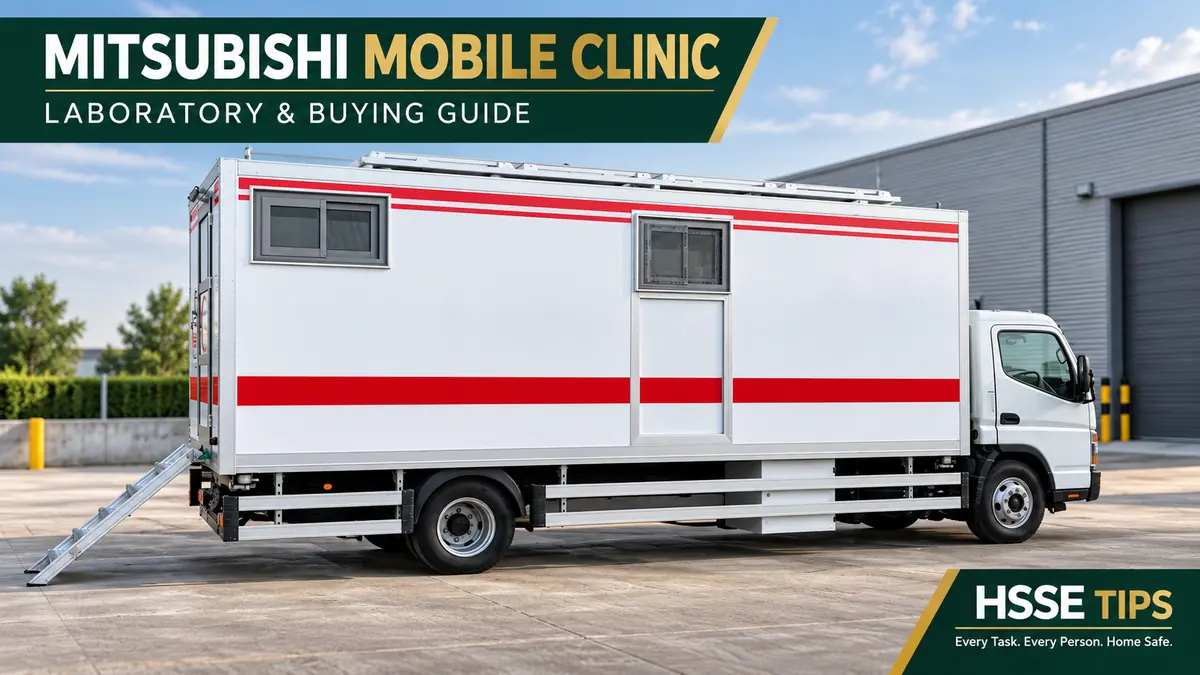
Mitsubishi 20FT Mobile Clinic Laboratory Overview
The exact offer is Autoline VW35959, supplied by AMBULANCEMED LTD.ŞTİ. The listing names Mitsubishi as the vehicle brand and describes the product as “20ft Mobile Clinic Laboratory” within its ambulance category.
Four photographs show two exterior views and two views of a fitted laboratory-style room. This supports describing a truck-mounted medical/laboratory facility. It does not independently establish an emergency patient-transport ambulance, a surgical unit or a validated diagnostic service.
Its most distinctive documented feature is the laboratory arrangement rather than a stretcher compartment: substantial counters and cabinets flank a central aisle, with multiple instruments and working positions.
Understanding the Mitsubishi Commercial Vehicle Platform
The photographs show a white cab-over truck carrying a separate rectangular medical body. Two axles are visible. The exact chassis model, variant and VIN are not provided in the reviewed specification fields, so identifying it as a Canter, Fighter or another Mitsubishi model would go beyond the evidence.
Mitsubishi Fuso’s official bodybuilder portal provides model-specific mounting information and drawings. Use those resources alongside this vehicle’s chassis plate, registration and completed-body documents once its exact identity is established.
Engine, Transmission and Drivetrain
No exact engine designation, displacement, power, torque, fuel type, gearbox or drive arrangement was verified. The advertisement enters Euro 6, but does not identify the engine or provide an emissions document.
Request a VIN-linked specification covering the complete powertrain and destination-market compliance. First registration, mileage, fuel capacity and service information also require confirmation. No fuel-consumption estimate or off-road capability can responsibly be derived from the Mitsubishi name or the photographs alone.
Chassis, Dimensions and Gross Vehicle Weight
The advertiser gives overall dimensions of 8.45 × 2.5 × 3.3 metres. These are listing values, not measured body dimensions or a verified shipping envelope.
Wheelbase, gross vehicle weight, axle limits and usable payload are not published as identified chassis data. Generic descriptive text mentions an average eight-tonne carrying capacity; it should not be used as this truck’s payload certificate.
The suspension field reads “hydraulic.” Ask whether that refers to the road suspension or another hydraulic system. The text separately describes stabilising supports, and stationary supports must not be confused with the suspension carrying the vehicle on the road.
20FT Medical Body and Exterior Design
“20FT” is a nominal descriptor in the listing title. The same description repeatedly refers to a 40-foot container and operating room. Obtain a corrected configuration sheet giving actual external body dimensions, internal usable dimensions and overall travel dimensions.
The photographed body has white sides, red striping, perimeter framing, windows and a side door. The rear view shows another door and a folding metal stairway. It does not establish a wheelchair lift, compliant access ramp, removable module or ISO-container compatibility.
The supplier’s generic clinic documentation describes composite sandwich panels, insulation, reinforced framing and plywood-based flooring. These are useful matters to specify, but no unit-specific material schedule, insulation rating, structural calculation or bodybuilder plate was verified.

Mobile Clinic Interior and Patient Examination Facilities
The photographs show the laboratory room; they do not establish a dedicated reception, waiting room or examination couch.
The supplier describes clinic layouts and possible specialties generically. Request the actual plan showing registration, private assessment and any examination area. A combined clinic/laboratory project needs an agreed arrangement separating patient consultation from specimen work.
Laboratory Layout and Diagnostic Equipment
The visible laboratory arrangement is more specific. White work surfaces run above turquoise cabinets on both sides of a central aisle. Photographs show a sink, microscope, wheeled working seats, several enclosed instruments and a larger cabinet marked EOW “Safety Cabin.” A split air-conditioning unit is visible at the far end.
This layout provides a starting point for assessing bench space and staff circulation. Instrument models and operating specifications still require an inventory.
The Safety Cabin label does not establish a biological safety cabinet class, filtration specification or certified containment performance. Likewise, enclosed benchtop instruments cannot be confidently assigned refrigeration, sterilisation or analytical functions without readable identification and manufacturer documentation.
No verified analyser, centrifuge or refrigerator model establishes a specific diagnostic test menu. Ask the laboratory lead to define the required instruments, accessories, consumables, quality controls and maintenance support, then obtain a model-numbered quotation identifying what is actually supplied.

Sample Collection, Handling and Storage
A sink and work surfaces are visible, but a dedicated sample-collection station, labelled specimen-storage system or monitored cold-storage installation is not confirmed. A useful procurement plan should distinguish patient-facing collection from receipt, preparation, testing and dispatch.
For any temperature-sensitive material, specify the intended use, storage equipment, monitoring and contingency arrangements. Do not assume an unidentified cabinet is a medical refrigerator. Identification, documentation and transfer procedures must belong to the operating laboratory’s quality system.

Electrical Power and Backup Systems
Electrical outlets are visible along the laboratory walls. The supplier’s generic clinic text describes external 220 V supply and a five-kilowatt generator, but no unit-specific generator plate, frequency, distribution drawing or verified backup installation accompanies the offer.
Obtain a load schedule covering instruments, ventilation, HVAC, lighting and any refrigeration. It should define startup loads, protection, earthing, external connection and the equipment that requires uninterrupted power. Confirm whether a generator, inverter, UPS or batteries are included, and test the delivered system under the agreed operating load.
Water Supply, Sanitation and Waste Management
A metal sink and tap are clearly photographed. Freshwater tanks, wastewater capacity, pump, water treatment, hot-water provision and a toilet are not verified for the depicted laboratory.
The wider clinic description mentions water and sanitation systems, so request a unit-specific plumbing diagram rather than assuming their presence. Specify the required water quality for each intended activity; a general sink does not establish instrument-grade water.
The operator also needs a documented plan for sharps, contaminated materials and other laboratory waste. Containers, storage, cleaning and authorised disposal arrangements should be included in the operational design and purchase scope.
Heating, Ventilation and Air Conditioning
The photographed split air conditioner indicates an installed climate-control component. Its model, capacity, heating function and performance under the intended site conditions remain unverified. Generic 9,000 BTU and temperature-range claims should not be treated as this installation’s acceptance results.
Comfort cooling, fresh-air ventilation and containment airflow serve different purposes. Neither visible unit proves HEPA filtration, negative pressure or a biosafety level. Define the risk-based requirements and commissioning tests with the laboratory specialist.
Transportation and Deployment Requirements
This is photographed as a complete truck rather than a freestanding container. It carries a fitted workspace between sites, subject to confirmed road approval, dimensions and weights.
Plan the route around the documented travel envelope, including overhead restrictions and site access. At the destination, agree parking space, ground support, safe stair access, exits and connections. Hydraulic levelling or stabilisation, if supplied, needs an approved operating arrangement and ground-loading information.
Before travel, instruments, seats, loose accessories and chemicals require suitable securing arrangements. After relocation, determine which equipment needs inspection, levelling, functional checks or specialist recommissioning before use. No verified setup duration or included commissioning service was published for this offer.
Mobile Clinic and Laboratory Workflow — General Context
A properly equipped and authorised service may organise outreach around eight stages. These are planning functions, not proof that this truck independently supports every stage.
- Patient registration and confidential identification.
- Assessment by qualified healthcare personnel.
- Sample collection where the approved service provides it.
- Sample identification and traceable documentation.
- Testing only within the validated equipment and service scope.
- Results recording and authorised reporting.
- Referral, follow-up or transfer to another facility.
- Waste management, cleaning and preparation for the next session.
WHO’s laboratory biosafety framework centres on risk assessment. The test programme, specimen types, staff competence and facility design should be assessed together; a medical body and visible equipment do not establish an accredited laboratory.
Healthcare and Diagnostic Applications
The documented laboratory layout may merit evaluation for rural outreach, hospital-supported specimen services, community screening programmes and remote industrial healthcare. Any testing role depends on the contracted instruments, qualified staff, quality assurance and local authorisation.
Humanitarian programmes and temporary healthcare expansion also need reliable utilities, consumables, equipment support and referral arrangements. Clinical examination space must be confirmed if the project requires it. The reviewed evidence does not establish surgery, intensive care, infectious-disease testing or emergency patient transport.
Mobile Clinic vs Mobile Laboratory: Understanding Their Different Functions
A mobile clinic centres on patient assessment, consultation and care. A mobile laboratory centres on controlled specimen-related work and testing within a defined service scope. Their layouts, equipment, staffing and approvals can overlap, but one name does not establish the other function.
For this offer, the laboratory interior is the clearer photographic evidence. Buyers seeking a combined service should request a drawing showing how private patient contact, specimen work, clean supplies and waste are accommodated. Compare proposals against that service brief rather than the number of medical terms in the advertisement.
Safety, Hygiene and Regulatory Considerations
Involve the laboratory lead, clinical manager, facilities team and vehicle engineer in the acceptance plan. Address safe access, fire protection, electrical testing, secured equipment, cleaning compatibility and maintenance records. Check completed-vehicle gross and axle loads with equipment, fluids and operating personnel accounted for.
For the laboratory, define specimen handling, sharps controls, waste segregation, staff protection and incident arrangements through a documented risk assessment. Require equipment identification and the relevant installation, calibration, service and performance records. No laboratory accreditation, specific biosafety level or test authorisation was independently verified for this unit.
Technical Specifications
These tables separate advertiser entries from photographic observations. They are not a conformity certificate or a confirmed included-equipment schedule.
| Item | Evidence and scope |
|---|---|
| Advertised manufacturer / designation | Mitsubishi / 20ft Mobile Clinic Laboratory; exact chassis code unverified |
| Year / condition | 2026 / new, advertiser-stated |
| Overall dimension entry | 8.45 m × 2.5 m × 3.3 m; seller values, not a verified shipping drawing |
| Emissions field | Euro 6, advertiser-entered; engine and certification documents unverified |
| Suspension field | Hydraulic, advertiser-entered; road-suspension details unverified |
| Photographed configuration | Cab-over truck with two visible axles and a mounted medical body |
| Item | Evidence and scope |
|---|---|
| Body exterior | White rectangular body, red stripes and perimeter framing |
| Side access / windows | Side door and windows visible in exterior photograph |
| Rear access | Rear door with folding metal stairway photographed |
| Laboratory arrangement | Opposing work surfaces, turquoise cabinets and central aisle |
| Staff work positions | Wheeled seats visible within the laboratory room |
| Nominal body description | 20FT in title; actual body dimensions and the conflicting 40-foot text require clarification |
| Item | Evidence and scope |
|---|---|
| Microscopy | Microscope visible; model, specification and inclusion unverified |
| Cabinet equipment | EOW-labelled Safety Cabin visible; class and certification not verified |
| Other instruments | Multiple enclosed devices photographed; exact functions and models not confirmed |
| Water fixture | Metal sink and tap visible; water/waste systems not documented for this unit |
| Electrical fittings | Wall outlets photographed; power ratings and backup installation unverified |
| Climate-control component | Split air-conditioning indoor unit visible; capacity and ventilation specification unverified |
Current Seller Offer — Verified 25 October 2026
The advertisement was checked on this date. Seller statements remain distinct from independently inspected specifications.
Product Location: Türkiye — country-level listing entry only. A physical dispatch city or site is not specified. The seller’s office and factory addresses are not substituted.
- Product / reference
- Mitsubishi 20FT Mobile Clinic / Laboratory Ambulance / Autoline VW35959
- Manufacturer / exact model
- Mitsubishi is the advertised brand; 20ft Mobile Clinic Laboratory is the listing descriptor. Exact chassis model unverified.
- Supplier / medical body manufacturer
- AMBULANCEMED LTD.ŞTİ is the seller. The finished-body manufacturer and serial-specific documentation require confirmation.
- Asking price
- €120,000. VAT basis, equipment inclusions, freight and commissioning costs not established.
- Production year / condition
- 2026 / new, advertiser entries; chassis and conversion build records not reviewed.
- First registration / mileage
- Not specified for an identified vehicle.
- Engine / transmission / drivetrain
- Not verified. Euro 6 appears as an advertiser field.
- Gross vehicle weight / payload
- Not verified from chassis and completed-vehicle documents.
- Medical body dimensions
- 20FT in title; actual body and internal dimensions not published. Overall vehicle entry: 8.45 × 2.5 × 3.3 m.
- Clinic equipment
- No dedicated examination or reception configuration confirmed in the four photographs.
- Laboratory equipment
- Benches, cabinets, microscope, Safety Cabin and other devices photographed; contractual inclusion list unverified.
- Power systems
- Outlets visible; generic 220 V / 5 kW generator description is not an installed-system certificate.
- Availability
- Offered for sale when checked. Stock quantity, exact supplied configuration and dispatch date require confirmation.
- Delivery / shipping / export
- No product-specific destinations, freight charges, lead times, Incoterms or commissioning package verified. Registration, customs and medical-equipment document responsibilities require a quotation.
Delivery destinations, shipping arrangements, and applicable transport terms were not specified in the information reviewed. Prospective buyers should confirm these details directly with the seller.
The supplier describes export activity generally, but that does not establish a delivered package for this truck. Request separate prices and responsibilities for the vehicle, devices, freight, insurance, import requirements, installation and handover.
CHECK DELIVERY & EXPORT OPTIONSWhat Buyers Should Confirm Before Purchasing
Begin with the service brief and a corrected technical offer resolving the 20FT/40-foot conflict. Obtain the VIN, chassis data, build records, dimensioned floor plan, completed weights and a clear statement of whether the medical body is permanently mounted or designed for removal.
Next, request a photographed, model-numbered equipment inventory separating installed fittings, included loose devices, optional items and buyer-supplied equipment. Agree test scope, utilities, storage, consumables, training, warranties, spares and local support. Use documented factory and site acceptance criteria so that commercial completion reflects the specified facility, rather than visual similarity to an advertisement.
Frequently Asked Questions
What exact Mitsubishi chassis is used?
The listing does not establish a VIN-linked model code. Do not assume Canter, Fighter or a specific engine from the cab appearance.
Is 20FT the overall truck length?
No such conclusion is supported. The title uses 20FT, while the overall dimension field gives 8.45 m length. Actual body dimensions require a corrected drawing.
Why does the description mention a 40-foot operating room?
That wording conflicts with the title and photographed configuration. Obtain a corrected specification; it is not evidence of a supplied surgical facility.
What laboratory equipment is visible?
The photographs show opposing workbenches, cabinets, a sink, microscope, EOW-labelled Safety Cabin and other enclosed instruments. Exact models and sale inclusions are unverified.
Is the Safety Cabin a certified biological safety cabinet?
No class, model or performance certificate was verified. Its label alone does not establish containment capability or a biosafety level.
Does it include a generator or medical refrigerator?
No unit-specific generator specification or identified medical-refrigeration system was verified. Generic clinic descriptions are not a final equipment inventory.
Can it perform a specific diagnostic test?
A validated test menu was not supplied. Capability depends on identified instruments, methods, quality systems, trained personnel and applicable authorisation.
Can it transport patients as an ambulance?
Autoline categorises the offer as an ambulance, but the photographs document a laboratory-style medical truck. An approved patient-transport configuration was not established.
Final Verdict
The Mitsubishi 20FT Mobile Clinic Laboratory stands out through its photographed laboratory arrangement: a truck-mounted body, opposing workbenches, fitted cabinetry, sink, microscope and labelled Safety Cabin. Those features make it a concrete starting point for an institutional mobile-laboratory enquiry.
The purchasing decision should rest on a corrected configuration sheet, identified chassis, confirmed device inventory and agreed commissioning criteria. These documents let buyers compare a defined facility against their healthcare programme.
CONTACT THE SELLERJoin the Conversation
What would decide a mobile laboratory purchase for your programme: the test menu, access, power reliability, equipment support or deployment logistics? Share your practical experience or procurement question in the comments.
Research and Editorial Basis
Exact Autoline reference VW35959, reached through the supplied affiliate redirect, checked 25 October 2026. All four advertiser photographs were inspected; three relevant originals are embedded with source attribution and their original watermarks retained. No video of this exact unit was verified. Engineering reference: Mitsubishi Fuso bodybuilder information portal. Supplier context: AmbulanceMed’s generic mobile-clinic specification and mobile-laboratory overview. Operational references: WHO laboratory biosafety risk-assessment guidance, primary containment guidance and laboratory design and maintenance. This is a desk-based review; no road test, vehicle inspection, instrument testing or laboratory accreditation assessment was conducted.
HSSE TIPS — Worksite Safety Hub
Every Task. Every Person. Home Safe.
Your experience matters
Share your thoughts on this page
Have a question, a useful experience or a suggestion? Add your input below.
Comments are public. Keep them respectful and relevant. Do not share contact details, confidential information or emergency reports.
Comments on this page
Loading comments…