Aspects & impacts
Identify how activities interact with air, water, land, resources, communities and biodiversity.
Protect resources · Prevent pollution · Improve performance
Practical guidance for understanding environmental impacts, strengthening operational controls and building continual improvement into everyday work.
A dedicated knowledge hub
Environmental management connects work planning, resource efficiency, legal compliance and operational discipline. This hub brings those subjects together so visitors can move from awareness to practical action.
Identify how activities interact with air, water, land, resources, communities and biodiversity.
Apply controls at source to prevent spills, releases, nuisance and environmental harm.
Reduce waste generation, segregate correctly and recover value wherever responsible options exist.
Protect surface water and groundwater while managing consumption, drainage and wastewater.
Understand energy use and emissions, then prioritise practical reduction opportunities.
Translate legal and other requirements into controls, inspections, records and corrective actions.
Management system thinking
A strong system follows the Plan–Do–Check–Act cycle and makes environmental responsibility part of normal operational decision-making.
Define the activities, environmental setting, interested parties and obligations that shape the system.
Evaluate aspects, impacts, risks and opportunities using a consistent, documented method.
Apply operational controls and measurable improvement plans to the most important issues.
Monitor performance, investigate deviations, audit the system and act on lessons learned.
Featured learning
 6 min read ·
World Cleanup Day on 20 September reminds us that collecting litter matters—but preventing waste from escaping control creates the lasting environmental benefit.
Read article → 6 min read ·
Cleanup treats the visible consequence. Prevention addresses the source—and turns World Cleanup Day into lasting environmental improvement.
Read article →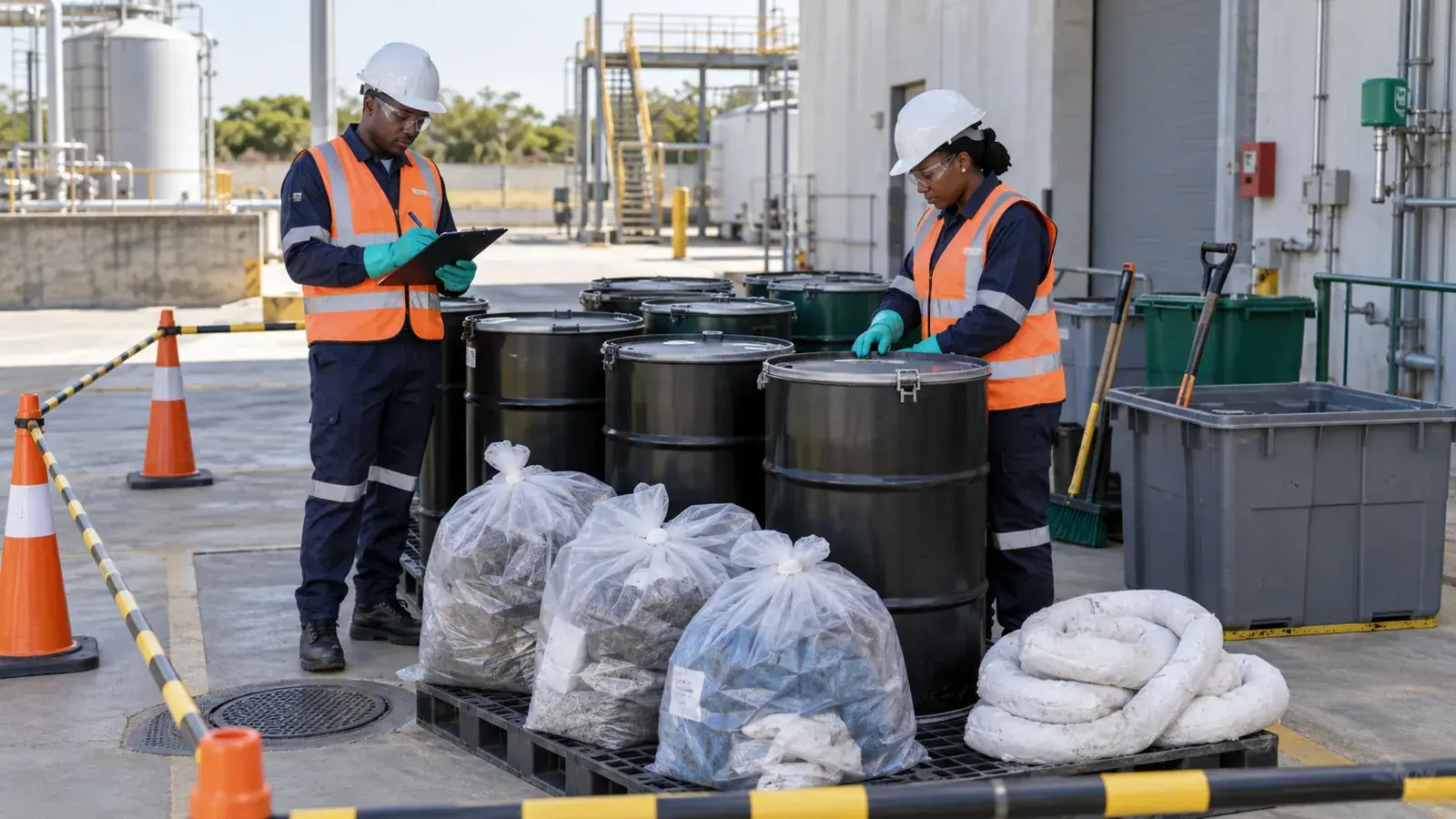 6 min read ·
Poorly managed waste can injure workers, contaminate water, obstruct drainage, attract disease vectors and create harmful smoke when burned.
Read article →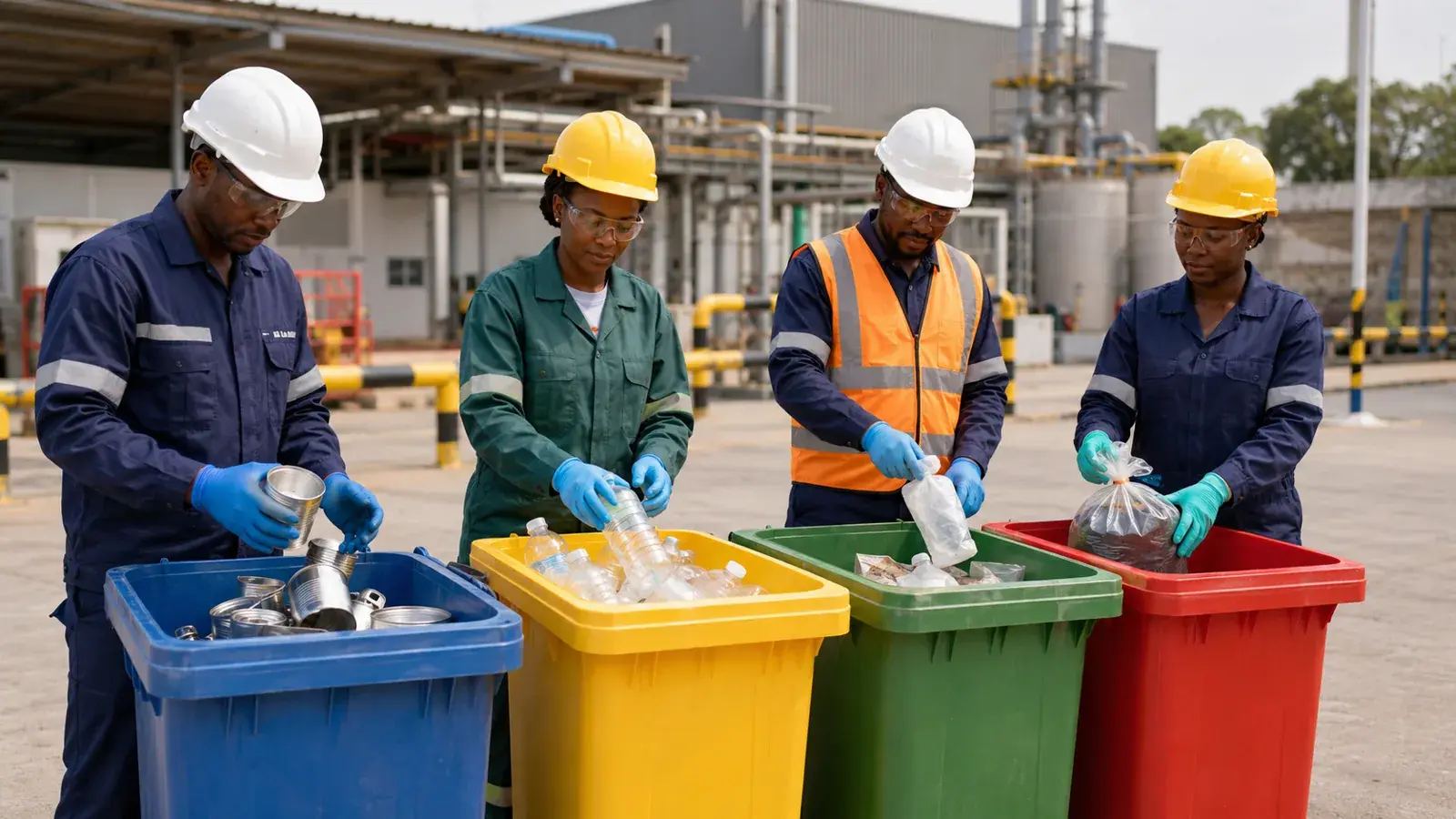 5 min read ·
Individual choices may look small, but repeated across a workforce or community they create either pollution—or a culture of care.
Read article → 6 min read ·
A successful World Cleanup Day campaign is measured by the systems and behaviours that remain after the photographs and collected bags are gone.
Read article →3 min read · Why repeated refrigerant charging deserves investigation, reliable records and verified repairs. A practical World Ozone Day guide for workplace teams.
Read article → Climate and Asset Integrity · 28 October 2026
WMO’s 2026 greenhouse-gas bulletin highlights record SF6 growth and rising atmospheric hydrogen. Turn the finding into practical leak-prevention and integrity controls.
Read the full article → Climate Risk Readiness · 27 October 2026
WMO’s 2026 El Niño outlook signals increased risks of flood, drought, heat, smoke and water stress. Use regional forecasts to trigger practical worksite action.
Read the full article → Storm Readiness · Updated 24 October 2026
PAGASA’s final bulletin says Rosal exited PAR and no wind signal remains, but strong gusts and rough seas still require activity-specific restart checks.
Read the full article → Climate Risk · Published 21 October 2026
UNEP’s 2026 assessment shows current commitments still leave a large climate gap. Translate the global warning into site resilience, credible emissions controls and safer transition projects.
Read the full article →Put it into practice
Future HSSE email updates
Record your interest in future Worksite Safety Hub messages, selected HSSE news and new-resource alerts. Email delivery is not connected yet.
Your experience matters
Share your thoughts on this page
Have a question, a useful experience or a suggestion? Add your input below.
Comments are public. Keep them respectful and relevant. Do not share contact details, confidential information or emergency reports.
Comments on this page
Loading comments…