Security · HSSE Watch
AZINI Piracy Alert: Reassess the Voyage, Not Just the Report
Published
Reported hijacking: 29 October 2026, approximately 09:00 UTC · MSCIO update page: 31 October 2026, 09:24, timezone unstated · New position fix time unstated
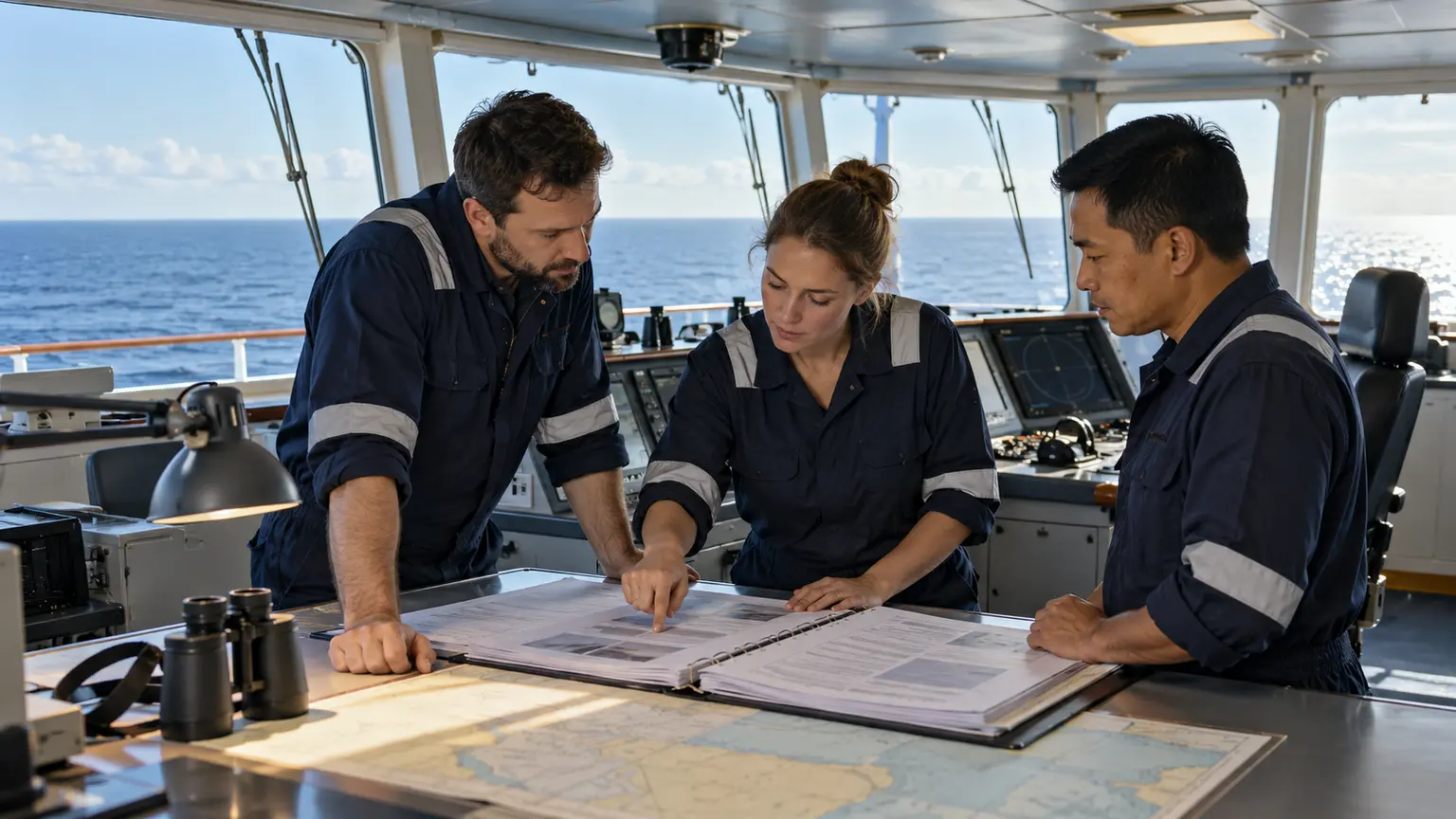
A reported hijacking can change more than one vessel’s situation. It can require other operators to reconsider their assumptions about exposure, readiness and the information supporting the next voyage decision. The review must retain uncertainty rather than turn a warning into a claim of confirmed future attacks.
What MSCIO has reported
MSCIO Alert 161/26 reports that armed pirates hijacked the Iranian fishing vessel AZINI on 29 October 2026 at approximately 09:00 UTC, off northeastern Somalia. Crew safety remains unknown in the alert.
The page displays 31 October 2026 at 09:24, without a timezone. Update 01 gives a newer reported position and says the vessel is approaching the maritime traffic lane. It warns that AZINI could potentially be used as a mothership for further piracy attacks. Operation ATALANTA continues to investigate.
Potential mothership use is not confirmed use. The newer position has no stated fix time and is not a live track. No linkage to another approach or attack is established here. This article deliberately does not reproduce coordinates as navigational advice.
Why this warrants a fresh review
The practical change is the reported hijacking and the authority’s updated concern about potential further use of the vessel. Operators should not treat this as merely another number in an incident list. They should also avoid treating every fishing vessel or small craft as hostile.
MSCIO advises heightened vigilance, adherence to BMP Maritime Security and immediate reporting of relevant information. UKMTO’s BMP page describes a threat and risk-management approach for voyage planning and incident avoidance. The applications below are general defensive management questions, not tactical instructions or findings about AZINI’s crew.
Update the decision basis before the next movement
Have the Master, Company Security Officer and relevant shore team review the current official information against the planned voyage and approved arrangements. Identify which assumption the update changes and what further advice is needed before continuation.
Make responsibilities and escalation clear without prescribing a universal safe route, speed or separation distance. Competent voyage decisions must account for the actual vessel, conditions and current authority advice. A general public article cannot establish that a particular transit is safe.
Keep the report’s time and confidence attached
Retain the original source, incident time, publication time and uncertainty when briefing the crew. Distinguish an observation, a report received later and an authority assessment of possible future use. Do not move an old position forward on a chart as if it were current.
Assign someone to check for superseding official products. When sharing an update, explain what changed from the previous version. This helps prevent different shifts making decisions from different snapshots of the same report.
Verify readiness as a functioning arrangement
Check that the responsible people know their roles, reporting channels and approved response arrangements. Confirm that communications, essential equipment and handovers support the plan. Escalate deficiencies through the established security process before relying on a readiness declaration.
Include fatigue and workload in the assessment. A briefing attendance sheet does not establish sustained awareness. Arrange staffing and duties so that required vigilance can be maintained without creating an additional navigational or occupational safety problem.
Report observations without creating new exposure
Use the current official reporting channels and the vessel’s approved procedures. Distinguish what was directly observed from interpretation or information received from others. Preserve relevant records through authorized arrangements.
Do not approach a suspect vessel, pursue it or attempt independent investigation to obtain better evidence. Do not publish sensitive ship-security plans, crew locations or operational arrangements on social media. Authority reporting is not a public tracking exercise.
Support people and preserve professional judgement
Brief crew members calmly and provide a route to raise concerns. Avoid speculation about the welfare or actions of those on the reported hijacked vessel. Company communications should use verified updates and protect personal information.
IMO’s maritime-security framework recognizes case-specific risk assessment and the Master’s professional judgement. Commercial pressure or an unchanged schedule should not substitute for a competent security decision. Document significant decisions and the information available at the time.
Leadership and bridge-team questions
- Which voyage assumption needs reassessment after this update?
- Do we know the difference between the report’s date and its position-fix time?
- Who checks for superseding authority information?
- What readiness gap needs resolving before the next movement?
- Can the crew report concerns without delay or pressure?
Video availability
No directly relevant authoritative embeddable video was verified for Alert 161/26. Promotional naval footage and unrelated attack clips have not been inserted. Read the official alert and current BMP guidance through the source links below.
Sources and dates
- MSCIO — Alert 161/26, including Update 01 ↗Official page displays 31 October 2026 at 09:24 without a timezone. Hijacking reported on 29 October; updated position has no stated fix time. Investigation continuing.
- UKMTO — BMP Maritime Security ↗Official access to the current threat and risk-management publication; checked 31 October 2026.
- IMO — Maritime security framework and the Master’s judgement ↗Existing risk-management and ship-security context. It does not establish the circumstances of this incident.
Sources checked 31 October 2026. Source statements and original practical applications are distinguished above. Always consult current official advice and applicable local requirements.
Share the lesson
Open the separate 9:16 Pinterest poster
Illustrative prevention visual, not an actual incident or a technical procedure. HSSE TIPS branding appears only in the designed poster footer.
Your experience matters
Share your thoughts on this page
Have a question, a useful experience or a suggestion? Add your input below.
Comments are public. Keep them respectful and relevant. Do not share contact details, confidential information or emergency reports.
Comments on this page
Loading comments…