Product Reviews · Safety footwear · 8 min read
SPIEZ Nimbus Geneva 280 Review: Steel-Toe Slip-On With Puncture Protection Claims
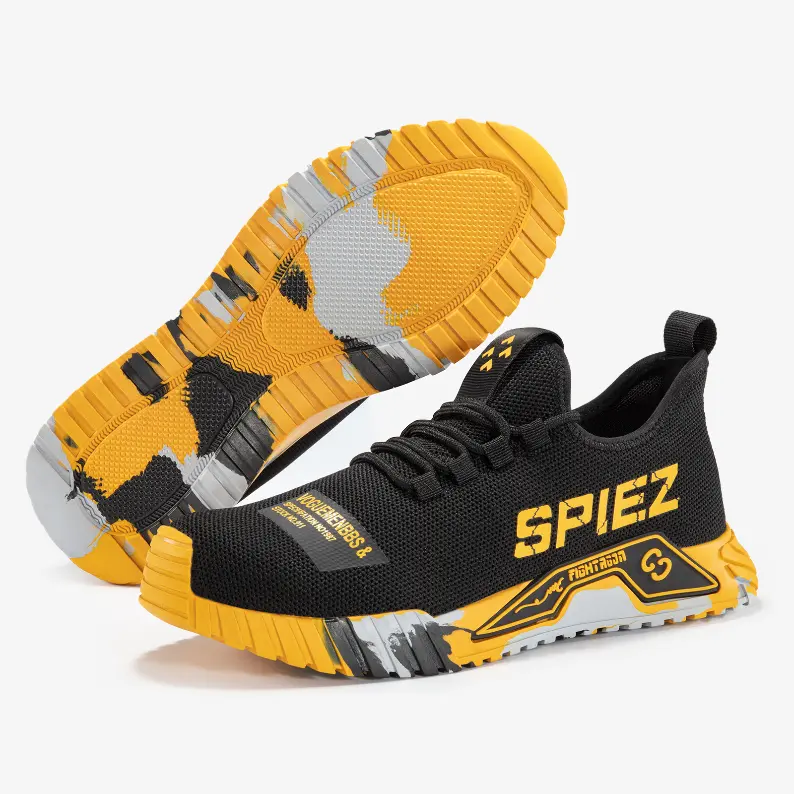
The bright yellow 280 promises the convenience of a low-cut slip-on with a steel toe, underfoot protection and a grippy sole. The design is appealing, but the exact markings matter more than any lifestyle image when footwear is required PPE.
Quick verdict
The Nimbus Geneva 280 is a promising candidate for someone who wants a conspicuous, low-cut safety shoe with advertised toe and underfoot protection. SPIEZ describes a steel toe cap, puncture-resistant midsole, slip-resistant outsole and elastic slip-on collar. The current page also cites a 200 J toe-impact claim. We would consider it only after the delivered pair's label and declaration confirm the protection class the workplace requires. We have not worn, cut open or independently tested this shoe.
This is a different construction from the composite-toe Nimbus Geneva 390 and 060C already reviewed here. The 280's steel-toe and puncture claims are its distinguishing features, not a reason to assume every other safety property.
What the current product page says
SPIEZ lists the men's 280 in yellow with a steel toe cap, woven upper, elastic collar and a midsole described as puncture-proof. It promotes a textured slip-resistant outsole and an easy-on design. The claim of 200 J toe-impact resistance resembles a common protective-footwear test level, but the number on a marketing page is not itself a certificate.
Toe and sole protection need separate proof
A steel toe helps address impact and compression hazards at the front of the foot; a puncture-resistant insert addresses sharp objects entering from below. Neither feature covers the entire range of foot hazards. The insert's material, coverage and tested classification can matter when the threat is a thin nail or small sharp offcut. Ask for the exact 280 model code, size label, applicable standard edition and its complete markings.
SPIEZ's indexed product descriptions are not fully consistent: a current summary refers to ASTM F2413-24 and EN ISO 20345 S1/S1P, while an older regional 280 page cites ASTM F2413-18 and EN ISO 20345:2022 S1 PL. These are manufacturer statements from different pages, not independent verification of the pair delivered today. Obtain the current declaration and ensure its model identifier, standard edition and protection symbols match the shoe and your site's footwear requirement. Do not assume electrical-hazard, ESD, waterproof or heat resistance unless separately marked.
Traction and everyday handling
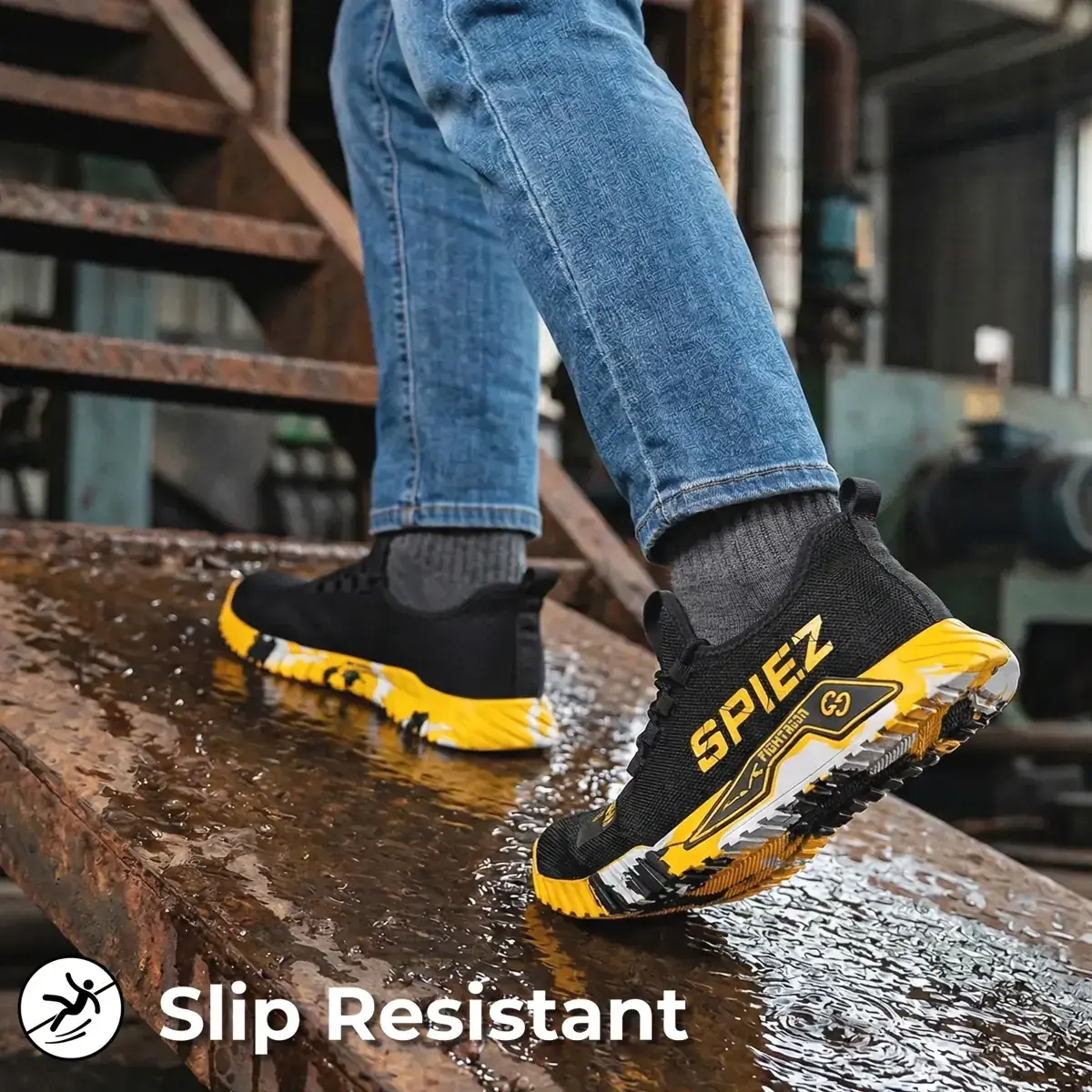
SPIEZ describes a slip-resistant sole intended to cope with oil contamination. The photographed tread suggests multiple channels and contact edges, but neither the image nor the maker's analogy proves grip on your floor. Seek the relevant slip-test result for the exact model and surface. Remove spills promptly and inspect tread wear; footwear supports the floor-control programme rather than replacing it.
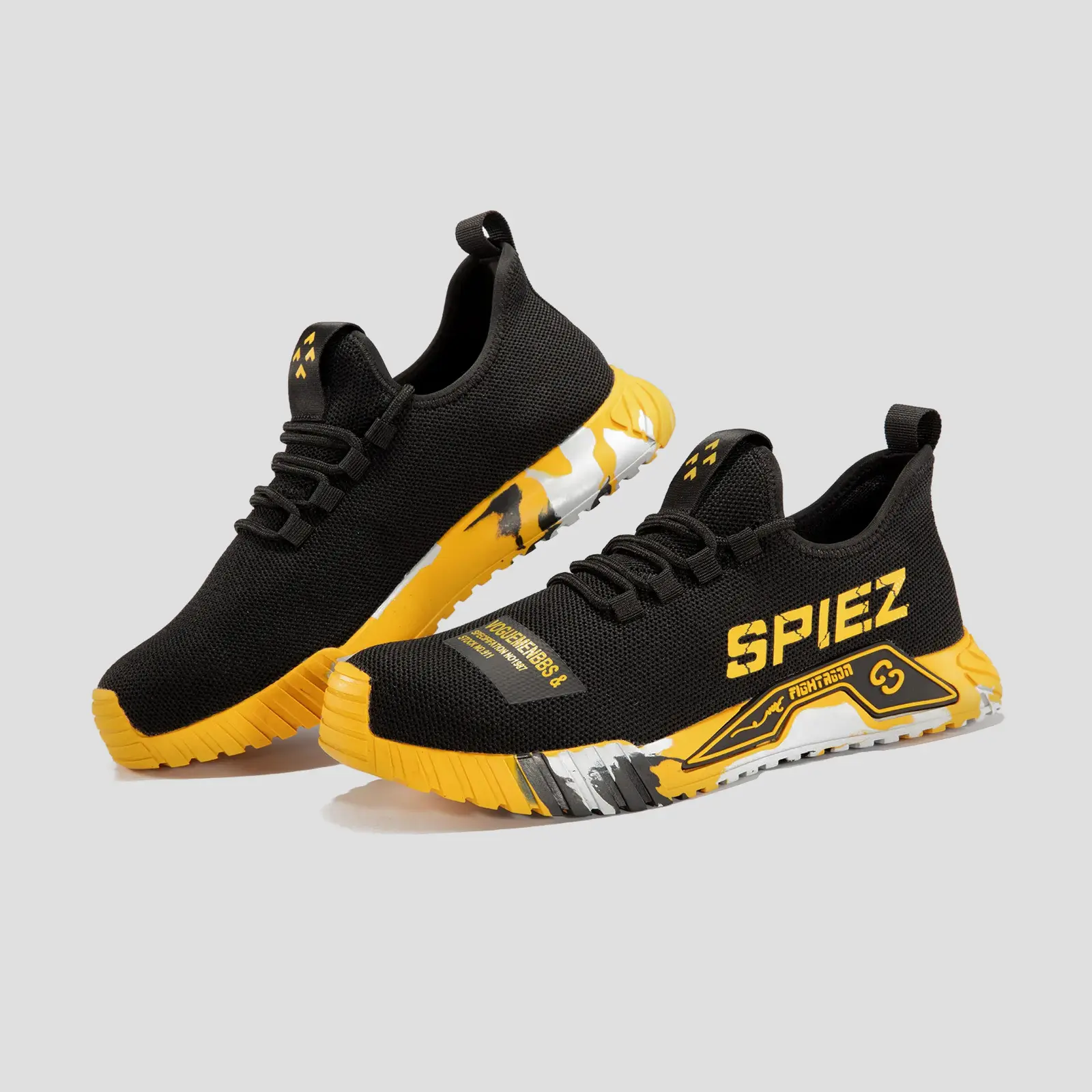
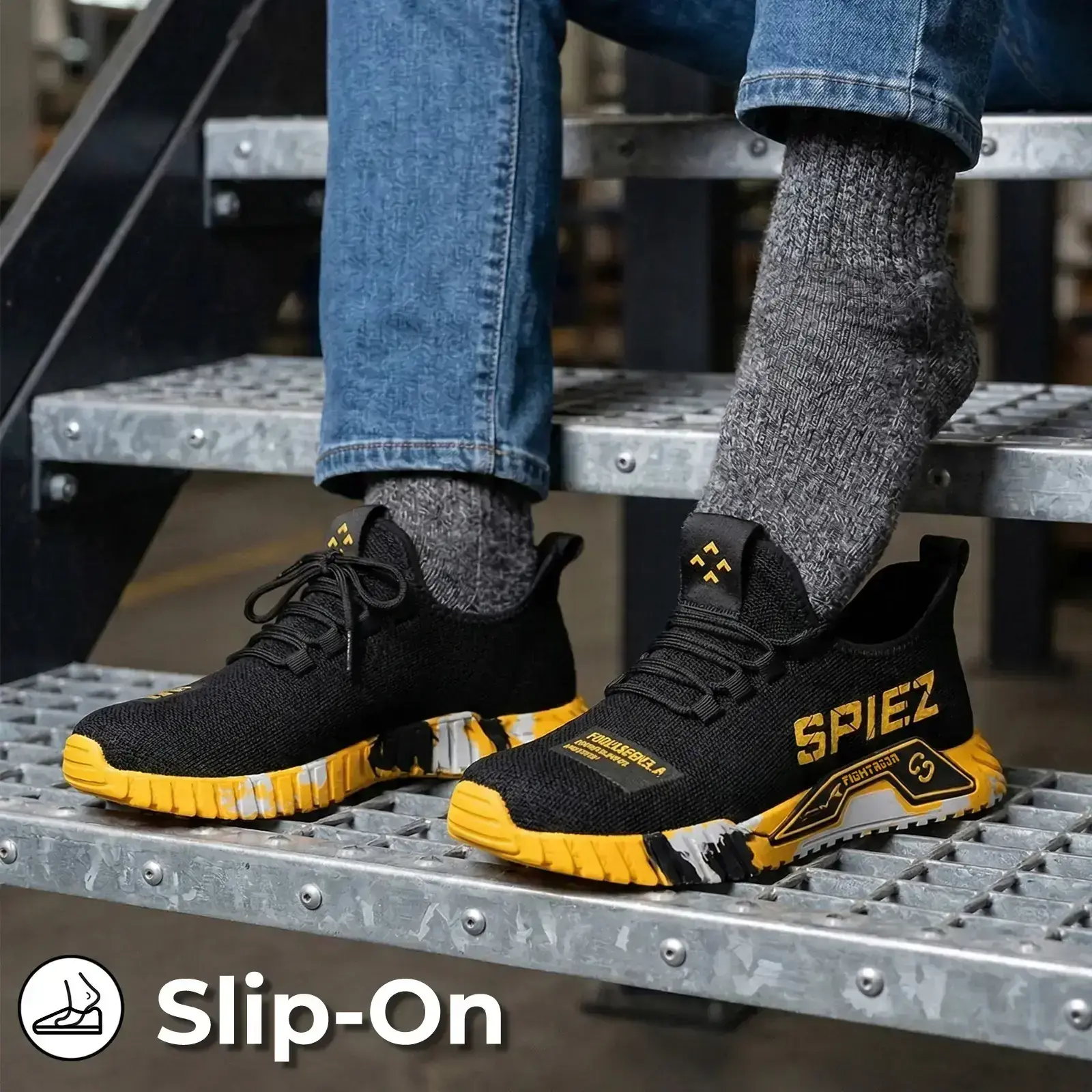
The elastic collar can speed footwear changes and avoids loose laces. Check that your heel remains firmly seated while walking briskly, turning, crouching and climbing. A low-cut shoe that slips off or rolls on uneven ground is not saved by a protective toe. The bright colour improves conspicuity in ordinary light, but should never be substituted for required high-visibility clothing.
Where the 280 makes sense
With its exact protection verified and the employer's approval, the 280 may suit warehouse, light manufacturing and maintenance work where toe and underfoot hazards are present and low-cut footwear is permitted. It is less convincing for deep mud, persistent water, molten-metal or welding exposure, aggressive chemicals, or work needing ankle or metatarsal protection. The woven upper should not be treated as waterproof simply because the sole is shown around a wet floor.
Buying checklist
- Confirm the live offer is the Nimbus Geneva 280 in the correct size, and check delivery, returns and duties for your location.
- Request a photo of the footwear marking and its current declaration or test report. Match model, standard, class and any puncture or slip symbols to the actual pair.
- Measure both feet and trial with your normal work socks. Check toe-cap clearance, heel hold, and comfort after a short indoor walk.
- On arrival inspect stitching, sole bond, cap position and tread. Remove damaged footwear from service under your PPE procedure.
See the current SPIEZ Nimbus Geneva 280 offer ↗
Price, stock, size options and shipping terms can change. Confirm them on the live offer before ordering.
How we reviewed it
Assessment dated 26 September 2026. We examined SPIEZ's current 280 listing, an older regional listing, and four manufacturer photographs. The affiliate short link resolved to the 280 product page in our check. We did not physically test the footwear or its certifications. We found no verified video of this exact 280 model suitable to embed.
Your experience matters
Share your thoughts on this page
Have a question, a useful experience or a suggestion? Add your input below.
Comments are public. Keep them respectful and relevant. Do not share contact details, confidential information or emergency reports.
Comments on this page
Loading comments…