Environment · 6 min read
Spill Prevention Begins with Strong Everyday Barriers
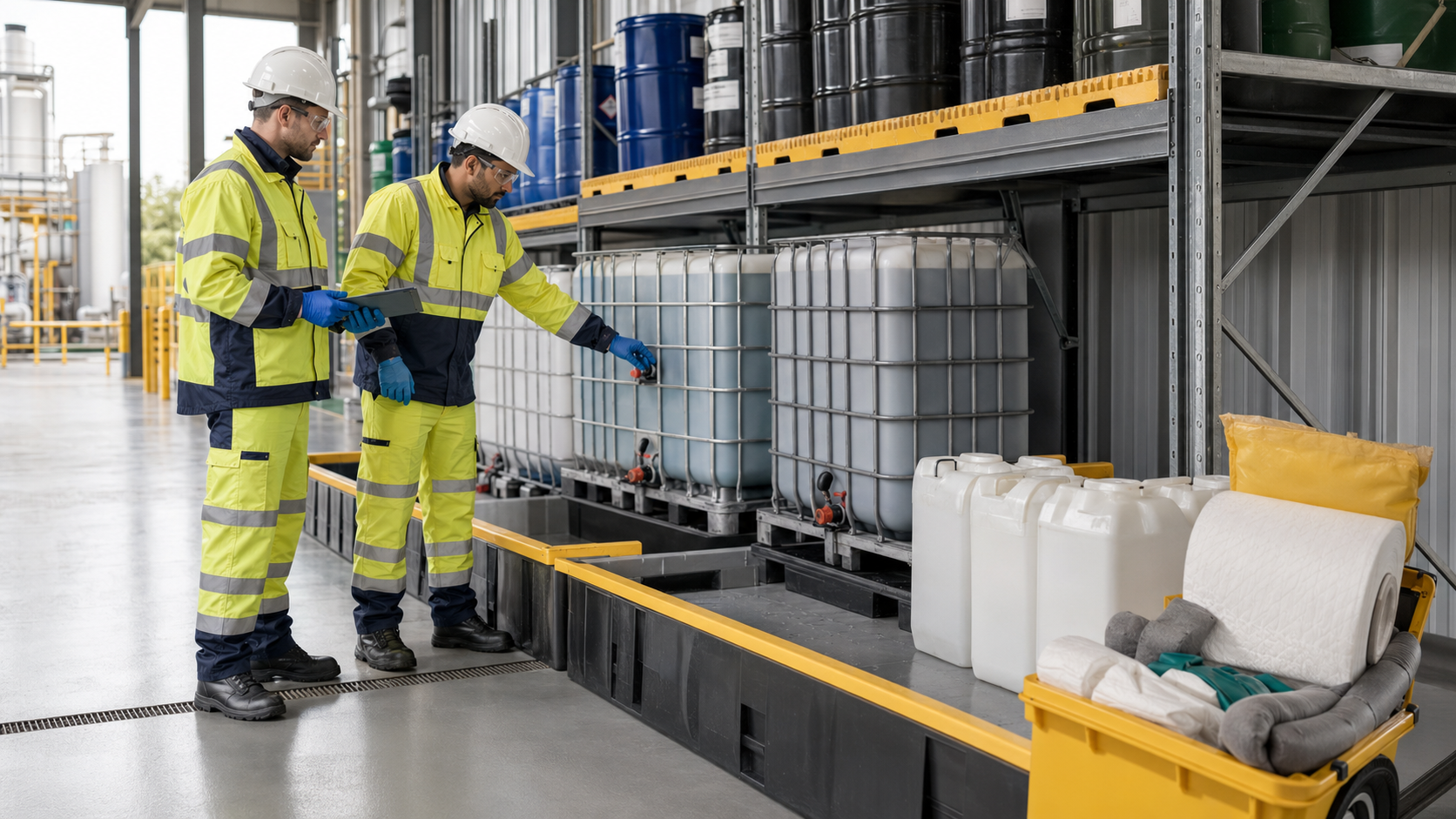
A closer look at containment, inspection, housekeeping and response readiness as parts of responsible environmental management.
Prevention starts before transfer
Environmental protection is strongest when it is built into planning. Before handling fuel, chemicals, waste or process liquids, the team should understand what could be released, where it could travel and which controls will prevent it from reaching drains, soil or water.
Maintain several layers of protection
Containment should not rely on one item. Good practice combines equipment integrity, operating discipline and response readiness.
- Inspect hoses, connections, valves and containers before use.
- Provide suitable secondary containment and protect nearby drains.
- Control transfer rates and maintain attendance during critical operations.
- Keep compatible spill-response materials accessible.
- Stop, contain and report any loss promptly according to site procedures.
Learn from weak signals
Staining, recurring drips, damaged bunds and poor waste segregation are early warnings. Correcting them promptly prevents normalisation and strengthens environmental performance. Trends from inspections and minor events should inform maintenance and future planning.
Global Partnership on Marine Litter · UN Environment Programme
Daily HSSE updates
Subscribe for practical HSSE updates.
Subscribe for the daily message, selected HSSE news and occasional new-resource alerts from Worksite Safety Hub.