Security · HSSE Watch
M/V Huda Incident: Test Ship–Shore Warning Escalation
Published
CENTCOM release and reported event: 7 November 2026. Article/source review: 8 November 2026. The command’s account is attributed, not an independent finding about the crew’s conduct.
An urgent warning needs a reliable route from receipt to a decision. CENTCOM’s new account of disabling a civilian cargo vessel is a serious prompt to test that route between bridge and shore—without turning an interested party’s statement into a completed investigation.
What was reported on 7 November
CENTCOM’s release dated 7 November 2026 says a U.S. military aircraft fired precision munitions at the stern of the St. Kitts-flagged M/V Huda in the Gulf of Oman, disabling the vessel. The command says it had directed the crew to leave the targeted spaces before firing.
CENTCOM alleges repeated warnings were ignored and attempts were made to breach its naval blockade. Those are the command’s assertions. The release does not establish the crew’s condition, a complete damage assessment or environmental outcome. This article does not determine legality, responsibility or what the crew received, understood or did.
The practical angle: test escalation, not assumptions
The following is an original management application, not a reconstruction of the incident. UKMTO’s existing Best Management Practices place reporting within a broader threat-and-risk process. A company can review its own communications arrangements now without pretending to know why this event unfolded as reported.
Live decisions belong with the Master, company security arrangements and responsible authorities using current advice. This article gives no route, manoeuvre, radio-frequency or blockade-avoidance instruction. Keep vessel-specific security information out of public discussions.
Make the receipt point explicit
Identify which duty role monitors relevant warnings and how an urgent message reaches the Master. Check the night watch, relief staff and contractor interfaces. A shore email received in an unattended mailbox is not evidence that the bridge received the message.
Keep the source, receipt time and exact operational concern attached to the report. Use the approved process to resolve uncertain authenticity while escalating an urgent safety concern through the command chain. Do not let informal social-media summaries replace official information.
Give shore escalation a working backup
Confirm the responsible shore contact, an out-of-hours alternative and the point at which an unanswered request is escalated. Test the arrangement through an authorised exercise rather than assuming a phone number on a plan is reachable.
Shore support should make information and assistance available without issuing competing instructions around the Master’s authority. An acknowledgement should identify who has accepted the issue and what follow-through is pending, not merely say that somebody is looking at it.
Track the decision state
Separate received, escalated, acknowledged and action-confirmed entries. Record who owns the next step and when the status was last checked. These distinctions expose a missing handover before it disappears behind a reassuring “message sent” entry.
Retain relevant logs and records under the organisation’s approved preservation process. Do not publicly disclose restricted communications or speculate about missing evidence. A gap should remain a gap until an authorised source resolves it.
Leadership and exercise questions
- Who receives an urgent warning when the normal contact is unavailable?
- What proves it reached the person with decision authority?
- Can ship and shore distinguish acknowledgement from completed action?
- Who owns the next update, and what is still unconfirmed?
Video verification
An official DVIDS search index listed CENTCOM footage, but a stable individual video URL and embeddable player were not verified. No video has been embedded. The release and its document reproduction provide the dated evidence used here.
Key takeaway
Test whether warnings reach authority and produce traceable follow-through. Do not infer crew safety, pollution status or culpability from a short statement about vessel disablement.
Sources and dates
- CENTCOM — 7 November release, archived by Forth ↗Original release reproduced with its document image. CENTCOM’s main site returned an access error during review. The command is a participant in the incident, not an independent investigator.
- CENTCOM release 20261107-02 — document reproduction ↗Dated 7 November 2026. Used to verify the issuer, wording and date, without adopting its allegations as independent findings.
- UKMTO — Best Management Practices ↗Existing risk-management and reporting framework; not a finding about M/V Huda.
Sources checked 8 November 2026. Source statements and original practical applications are distinguished above. Always consult current official advice and applicable local requirements.
Share the lesson
Open the separate 9:16 Pinterest poster
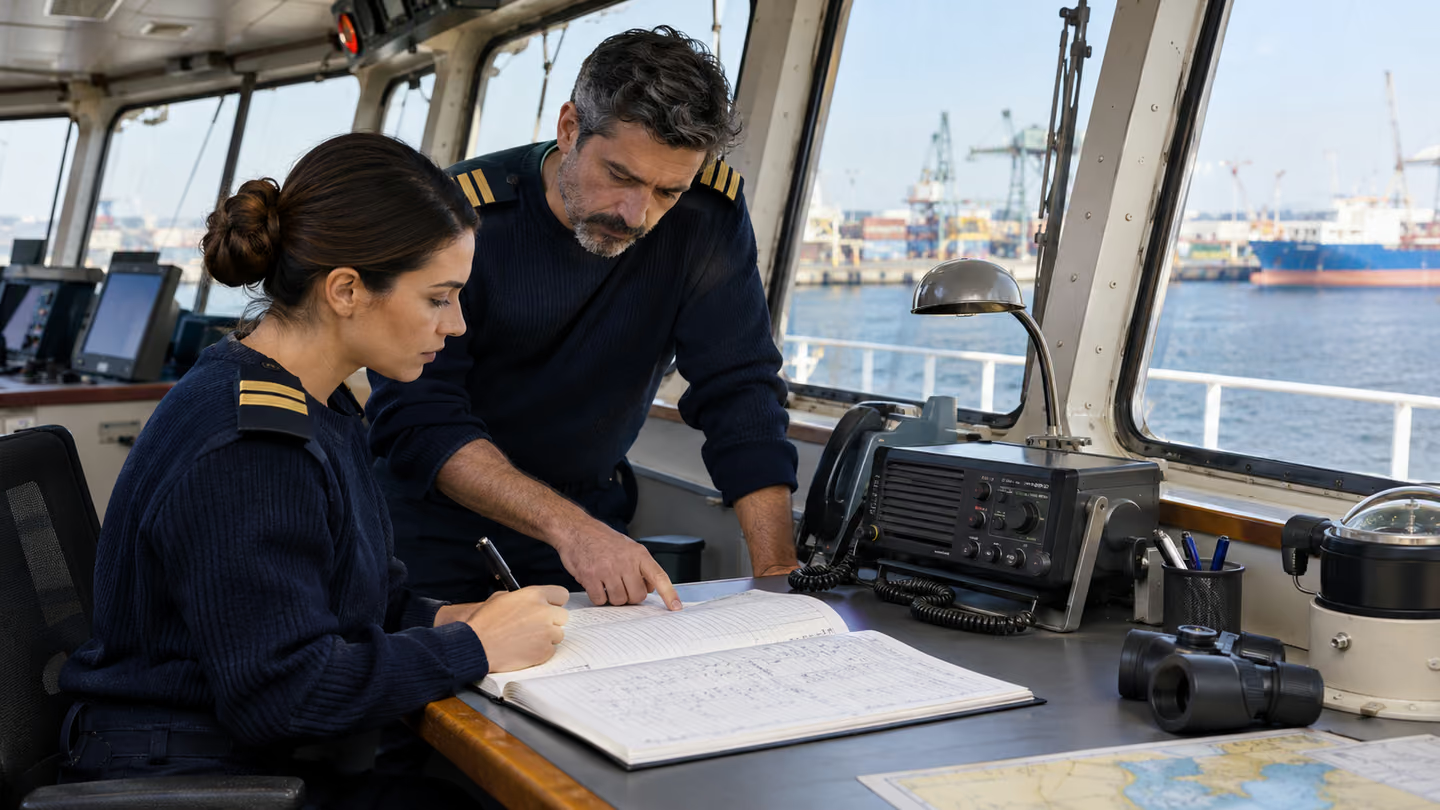
Illustrative planning scene, not an actual incident or a technical procedure. HSSE TIPS branding appears only in the designed poster footer.
Your experience matters
Share your thoughts on this page
Have a question, a useful experience or a suggestion? Add your input below.
Comments are public. Keep them respectful and relevant. Do not share contact details, confidential information or emergency reports.
Comments on this page
Loading comments…