Safety · HSSE Watch
Baoding Bridge Failure: Launch-Stage and Road-User Safety
Published
Event report received: 7 November 2026 at 10:50 China Standard Time (02:50 UTC). Government bulletin dated 7 November; Beijing Daily reproduction published at 15:16 that day. Article/source review: 7 November 2026. Preliminary information; cause under investigation.
A construction failure can reach people who have no role in the job. A new preliminary bulletin from Baoding, China, reports injuries to three construction workers and a passing truck driver during steel truss bridge launching. It is a prompt to review both the construction sequence and the public interface—not to guess the cause.
What the dated bulletin says
Qingyuan District People’s Government’s notice dated 7 November 2026 says the fire and rescue brigade received a report at 10:50 local time. A bridge section fell during steel truss launching at a construction project crossing the Cangyu Expressway, Cangzhou-bound, at K105+550 in Baoding, Hebei.
The preliminary count was four injured: three construction workers and one passing truck driver. Two workers were described as seriously injured, and all injured people were taken to hospital. The notice said response, traffic management and hazard checks were under way, with the cause still being investigated.
The report-received time is not a separately established exact failure time. The bulletin does not explain the mechanism, temporary-support condition, traffic-control arrangements or responsibility. It does not establish that a particular design, procedure or person caused the event.
Why the road-user interface matters
An injured passing driver makes exposure beyond the work crew an immediate review question. A project boundary drawn on a plan is not necessarily the boundary of a falling structure or moving equipment. Road owners, construction managers, designers and traffic-control teams need a shared understanding of the area that must remain clear during each stage.
The following controls are original practical review questions informed by established temporary-works guidance. They are not investigation findings about this project, a launching procedure, or a substitute for competent engineering. UK HSE guidance is cited as background good practice; it is not presented as Chinese law.
1. Check the construction stage, not just the finished bridge
Confirm that the approved engineering basis covers the actual sequence and intermediate configurations, including temporary supports and foreseeable loads. A permanent structure’s completed capacity is not evidence that every erection stage is safe. Complex temporary works require appropriately competent design and checking, with responsibilities made explicit.
2. Make public protection a release condition
Before authorising a movement, confirm the agreed road closure, exclusion arrangements and communications with the responsible road authority. Match the protected area to the assessed hazard, not convenience. Do not assume cones or a warning sign protect someone from structural collapse. Reopening needs its own authorised acceptance decision.
3. Reconcile drawings with the field
Have the responsible competent team check that the installation and site conditions match the current approved design. Keep evidence of inspections, changes and unresolved defects available at the release point. A changed support, sequence or site condition must reach the designer and designated approver before the next step.
4. Give each hold point a decision owner
Record what must be checked, who can accept it and who authorises the next stage. The person coordinating temporary works needs effective stop-work authority. A radio message that the team is ready should not conceal missing engineering acceptance or an unconfirmed closure. Keep the decision traceable across contractor and shift handovers.
5. Plan for a safe stop and controlled recovery
Agree task-specific stop triggers, communications and emergency arrangements before movement starts. If conditions depart from the approved basis, follow the engineered safe-stop plan. Do not send people into a potential collapse area to investigate or improvise recovery. Stabilisation, rescue access and any restart require the appropriate specialists and authorities.
Leadership and toolbox questions
- What proves that the next intermediate stage—not only the final structure—has been checked?
- Who confirms that workers and road users are outside the assessed danger area?
- Which unresolved condition would prevent the next move?
- Can every contractor identify the person authorised to stop and release the work?
- Who accepts the structure and route before traffic is allowed back?
Video availability and source limits
No directly relevant authoritative video was verified as embeddable for this incident or its specific launching method. No incident video is embedded. The government’s dated bulletin is available through the attributed reproduction linked below; the original notice’s direct government URL was not verified. The injury count and cause remain subject to official updates.
Key takeaway
Review the construction sequence and the public interface together. Require evidence for the actual stage, keep exclusion and closure decisions explicit, and preserve stop-work authority while the official investigation establishes what happened.
Sources and dates
- Qingyuan District People’s Government — 7 November situation bulletin, reproduced by Beijing Daily ↗The full reproduced notice attributes the source to the district government. Its injury figures are preliminary. Reproduction timestamp: 7 November 2026, 15:16 China Standard Time. The original notice’s direct government URL could not be verified.
- Xinhua — report of the district government bulletin ↗7 November 2026, 15:37 China Standard Time. Corroborating report, not a final investigation report or a separate primary finding.
- UK Health and Safety Executive — Temporary Works ↗Existing authoritative guidance on design, foreseeable loads, coordination and independent checking of complex work. Not a new rule or a finding about Baoding.
- UK Health and Safety Executive — Temporary works FAQs ↗Supporting guidance on competence and coordination through design, installation, use and removal. Apply the laws, standards and approvals relevant to the actual project.
Sources checked 7 November 2026. Source statements and original practical applications are distinguished above. Always consult current official advice and applicable local requirements.
Share the lesson
Open the separate 9:16 Pinterest poster
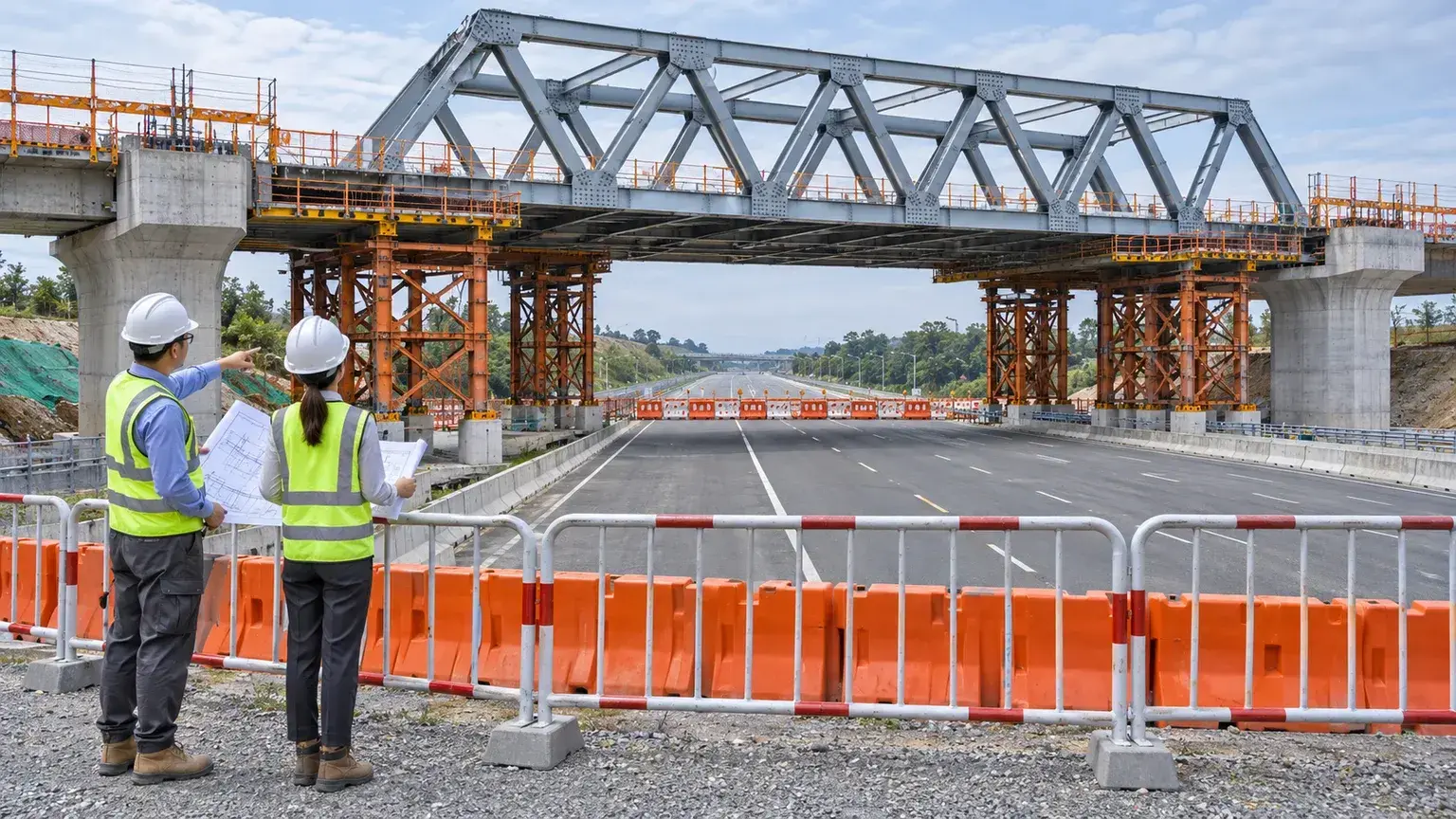
AI-generated illustration, not an actual incident or a technical procedure. HSSE TIPS branding appears only in the designed poster footer.
Your experience matters
Share your thoughts on this page
Have a question, a useful experience or a suggestion? Add your input below.
Comments are public. Keep them respectful and relevant. Do not share contact details, confidential information or emergency reports.
Comments on this page
Loading comments…