Product Reviews · Piling and foundation equipment
Turchi 300F Pile Driver Review: Plan Your Next Piling Project
A clear installation plan starts with equipment built for the task. This Turchi 300F review brings together the advertised machine specification, product photographs and practical project planning guidance in one place.
The linked offer describes a self-propelled hydraulic pile driver for foundation micropiles, light piling, ground consolidation and construction work. Its tracked design and adjustable mast are the focus of this guide.
Affiliate disclosure: We may earn a commission or referral fee if you purchase through links in this article. This is a research-based review of published information, not a hands-on test. Machine specifications below are attributed to the seller; the agreed quotation and supplied documentation define your selected package.
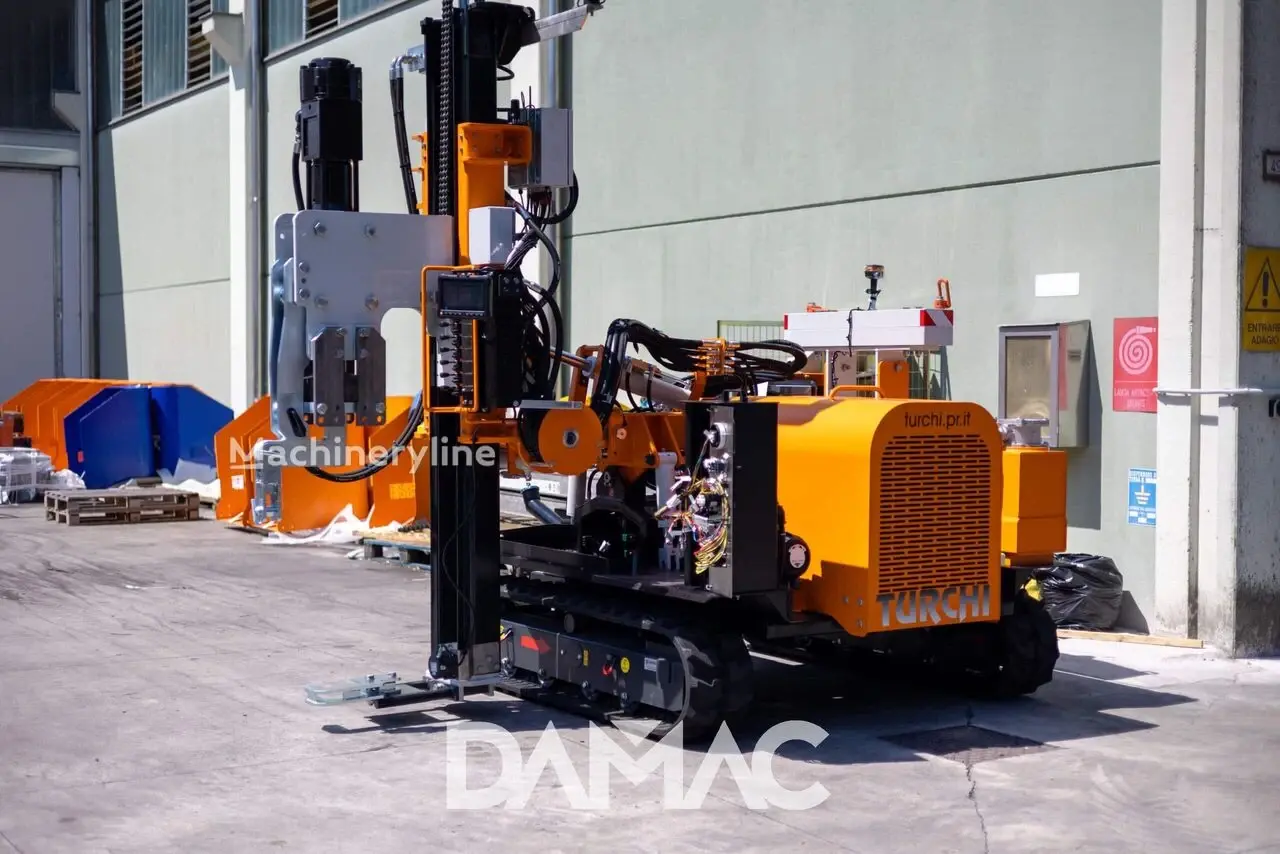
Turchi 300F: the advertised specification
The following snapshot comes from DAMAC’s Machineryline listing NA50654, reviewed on 2 October 2026.
| Feature | Seller-listed detail |
|---|---|
| Machine | Turchi 300F; new, 2026 |
| Hydraulic hammer | 1,200 J; adjustable frequency 620–1,500 blows/min |
| Engine | Doosan D18 diesel, 45 kW |
| Hydraulics | 180 bar, gear pump, 140-litre hydraulic tank |
| Mast positioning | Tilt +10°/−51°; slide inclination ±9.5°; side shift 130 + 130 mm |
| Working height | 6.0 m, as described in the sales specification |
| Undercarriage and travel | Rubber tracks; 2.12 km/h |
| Total weight | 4,500 kg |
| Price | On request |
Plan the machine around your installation workflow
For a piling project, begin with the installation drawing. Note the pile locations, profile, length, required embedment and installation criteria. That brief gives the equipment supplier and your project team a shared reference for selecting the driving head and working arrangement.
Think through the sequence too: where materials will be delivered, how piles will reach each installation point and how the team will record completed work. An organised layout helps connect the machine’s role with the rest of the job.
Adjustable positioning and project options
The advertised mast adjustments provide several positioning movements. GPS positioning, automatic verticality, extraction, drilling and screw-installation equipment are listed as options available on request.
Build your enquiry around the operations you intend to carry out. Include the installation drawings and tell the supplier which options you would like in the quotation. Record the selected attachments and operating arrangement in the final package so that everyone preparing the job has the same information.
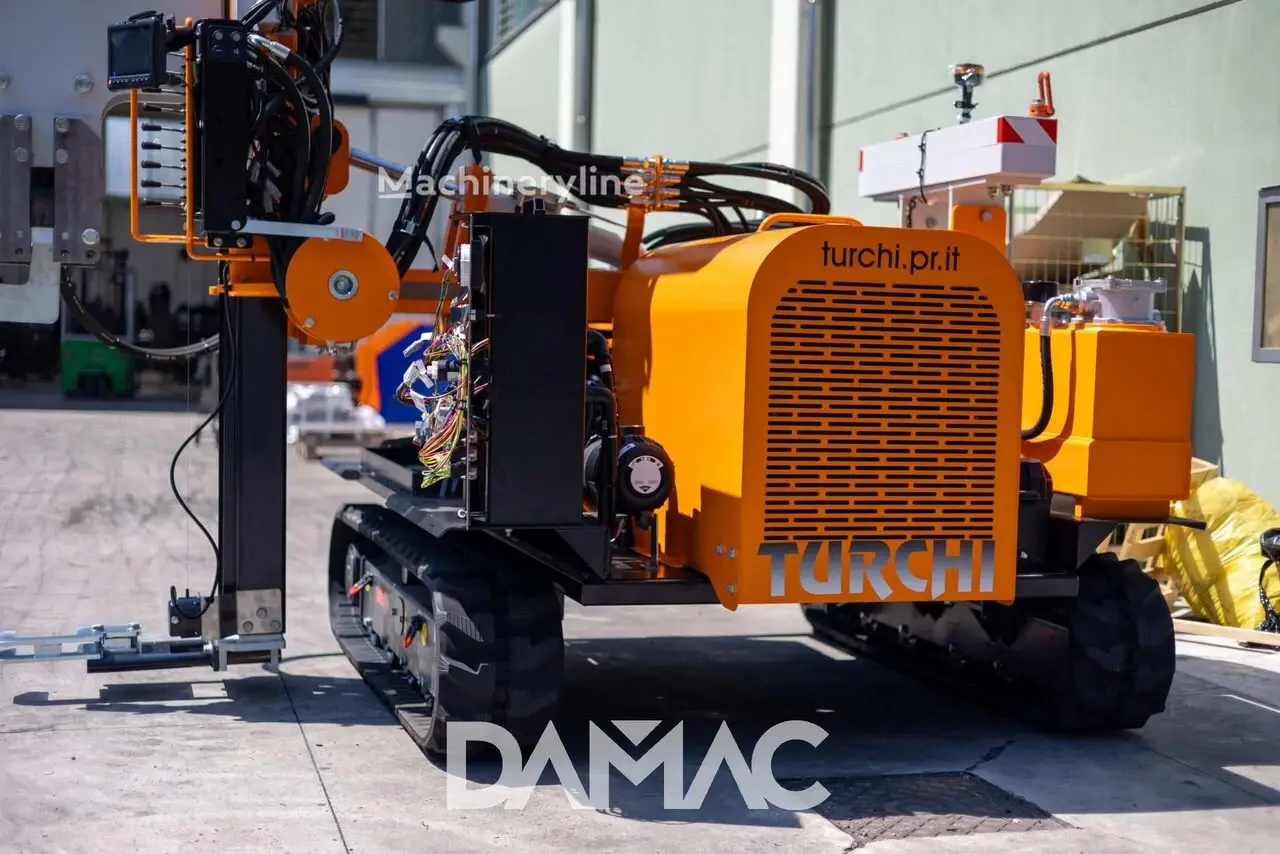
A simple guide to requesting a quotation
A useful enquiry can be short and specific. Bring these details together before contacting the seller:
- Project: intended installation work, site location and planned schedule.
- Piles: drawings, dimensions, material and installation requirements.
- Site arrangements: ground information, access routes and planned material handling.
- Equipment package: selected driving head, requested attachments and positioning options.
- Supply arrangements: delivery destination, commissioning, operator familiarisation and service support.
Ask for an itemised quotation covering the machine, selected accessories, transport and applicable taxes. Keep the delivery schedule, warranty terms, manuals and documentation together with that quotation. This creates a clear reference for procurement and site preparation.
Arrange a project demonstration
A demonstration is a useful way to bring the specification into your team’s planning. Share the pile profile and project requirements in advance, then agree what you would like to see: machine positioning, controls, pile handling and the installation sequence.
If the supplier provides a demonstration video, use it to brief the team alongside the operator’s manual. Identify the model and attachment shown, and describe any illustrative footage accurately when sharing it with colleagues.
Prepare the work area and team
Include underground services, overhead lines, access and ground conditions in the project’s safe system of work. HSE guidance emphasises planning and identifying buried services, and consulting line owners when work is near overhead electricity lines.
Use the supplied operating instructions and the site method statement to organise trained operators, pile handling, work-area boundaries and communication. Agree the installation criteria and inspection records with the responsible project professional before work begins.
Frequently asked questions
What should I include in my first enquiry?
Send your intended application, pile drawings, site information, preferred equipment package and delivery destination. Those details make the quotation relevant to your project.
How should I use the specification table?
Use it as a convenient summary of the published offer. Keep the supplied model documentation and agreed configuration with your project records.
How do I plan for attachments?
List each operation in your project brief and ask the supplier to specify the corresponding attachment, setup instructions and familiarisation arrangements in the quotation.
Take the next step with a clear project brief
The Turchi 300F offer gives you a starting point for discussing a dedicated piling package. Bring your installation requirements to the enquiry, agree the configuration and organise the supply arrangements around your planned work.
Your experience matters
Share your thoughts on this page
Have a question, a useful experience or a suggestion? Add your input below.
Comments are public. Keep them respectful and relevant. Do not share contact details, confidential information or emergency reports.
Comments on this page
Loading comments…