Product Reviews · Commercial Vessels & Marine Support · 6 min read
Thetis Tugboat Review: Explore Its Vessel and Working Equipment
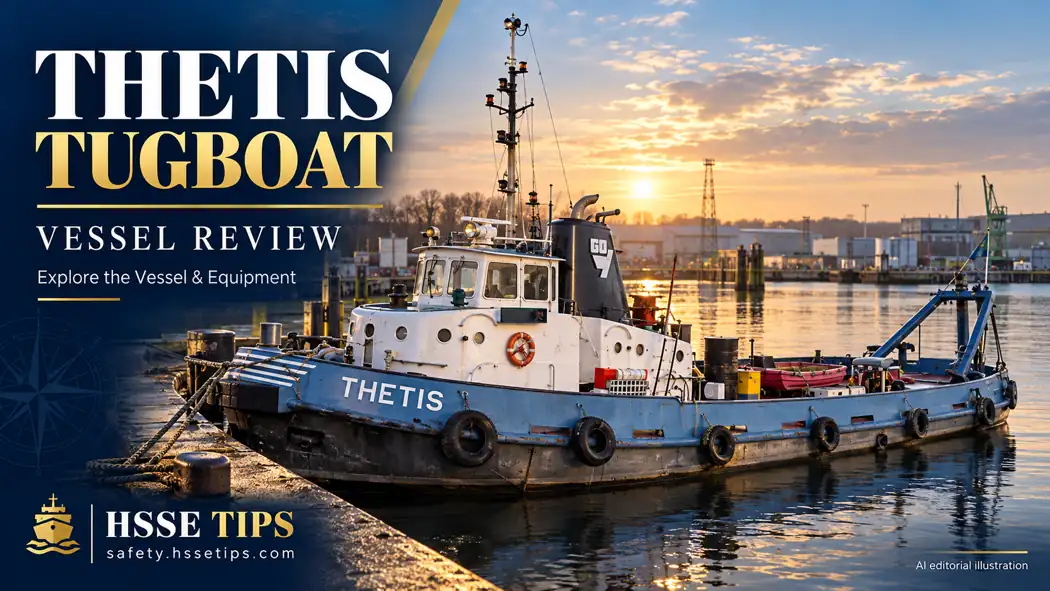
A tugboat enquiry becomes more useful when the work is clearly defined. The tow, the berth, the water depth and the deck equipment all belong in the same conversation. Thetis offers a specific vessel and equipment package to explore with that practical brief in mind.
Advertised by Aertssen Trading, Thetis combines a conventional tug layout with seller-listed machinery, navigation equipment and a plough system. Its substantial photo gallery gives buyers a starting point for discussing the vessel and arranging a focused inspection.
Review method: desk-based assessment of Autoline LB52521, Aertssen reference ATR-2230, matching ENI-based broker particulars and seller photos. We have not boarded, surveyed or operated the vessel. Technical and condition statements are attributed to their published sources.
Thetis tugboat: offer at a glance
| Vessel / type | Thetis / used tugboat |
|---|---|
| Seller / stock reference | Aertssen Trading NV / ATR-2230 |
| Listing location / price | Stabroek, Belgium / price on request |
| Vessel identifier | ENI 02717009 |
| Build year / yard | 1974 / De Rotterdamsche Droogdok Maatschappij N.V., Rotterdam |
| Advertised length / beam / draught | 25.50 m / 6.85 m / 3.60 m |
| Listed main engine | B&W Alpha 8V23L-Vo / 911 kW |
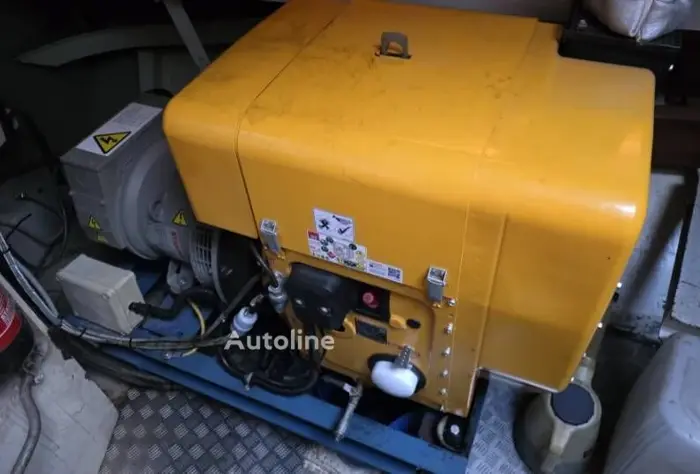
| Listed generating sets | MWM D226-6: 69 kVA; HATZ 2L41C harbour set: 15 kVA; MWM D226-4 backup: 35 kVA |
| Listed fuel capacity | 12,000 litres |
| Additional working equipment | Plough system with hydraulic winch, described as dating from 1998 |
Use both the stock reference and ENI number when requesting information. Ask for the current specification, exact viewing berth, equipment schedule and written quotation.
Why Thetis is worth a focused enquiry
A defined vessel for a towing discussion
Begin with the operation you want the tug to support. Describe the tow or floating equipment, loading condition, operating area, working distances and environmental conditions. Have a competent marine professional assess the complete vessel against that brief.
The engine figure is useful machinery information. For a towing assessment, also request current bollard-pull evidence, the approved towing arrangement and the ratings of the relevant equipment. Keep the intended task and its operating limits central to the discussion.
Tasneef’s tug bollard-pull rules describe a measured trial and resulting statement. That provides separate technical context: machinery power and measured towing pull answer different questions. Ask the surveyor what evidence is appropriate for the proposed work.
A plough-equipped package to explore
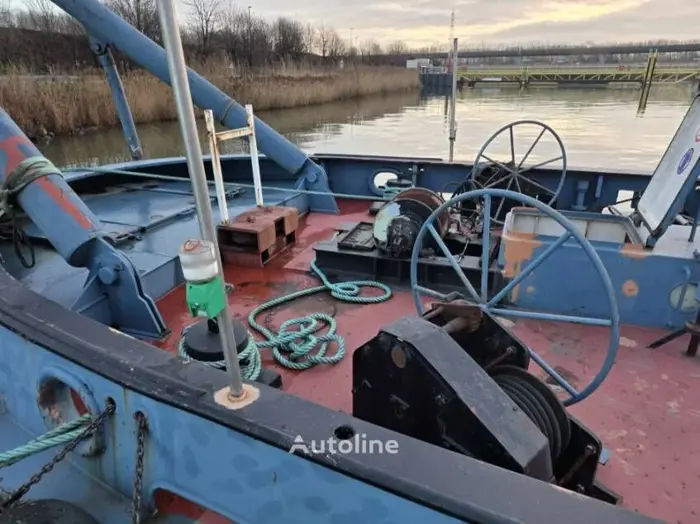
The seller lists a 7 m by 2 m plough with a stated operating-depth range to 15 m. These are working-equipment particulars, separate from the vessel’s draught.
If this equipment relates to your project, send the supplier a clear task description. Request drawings, winch and lifting-equipment information, operating instructions and an inventory of the parts included. Agree an appropriate inspection and function demonstration with competent personnel.
Power generation and onboard systems
The listed generating sets give a useful starting point for the electrical-system enquiry. Ask for identification, ratings, operating records and information on the distribution and changeover arrangements. Have a competent specialist assess them against the loads required by your planned operation.
Include starting arrangements, alarms, relevant protective devices and maintenance access in the agreed demonstration. Request service records and the applicable machinery documentation so the handover supports an organised maintenance routine.
Navigation, communication and crew coordination
The published equipment list includes Sailor VHF, Furuno radar, a rate-of-turn indicator, an electronic chart/GPS arrangement, echo sounding, AIS and an intercom. Request the installed equipment inventory, identification and relevant service or test records.
During the survey and familiarisation, have the fitted systems identified and demonstrated. Agree which items, software, chart access and accessories are included in the sale, and what is required for the intended operating area.
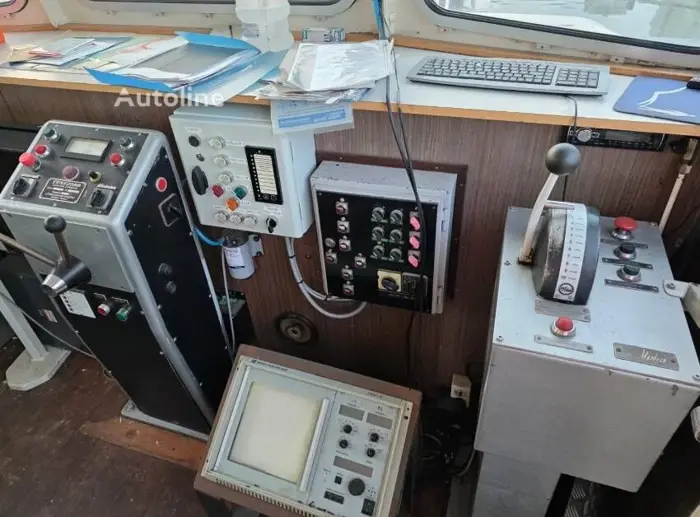
For a practical crew handover, discuss wheelhouse visibility, deck communication, access and work positions. Connect those arrangements with the towing or equipment task being proposed.
Vessel identity and dimensions
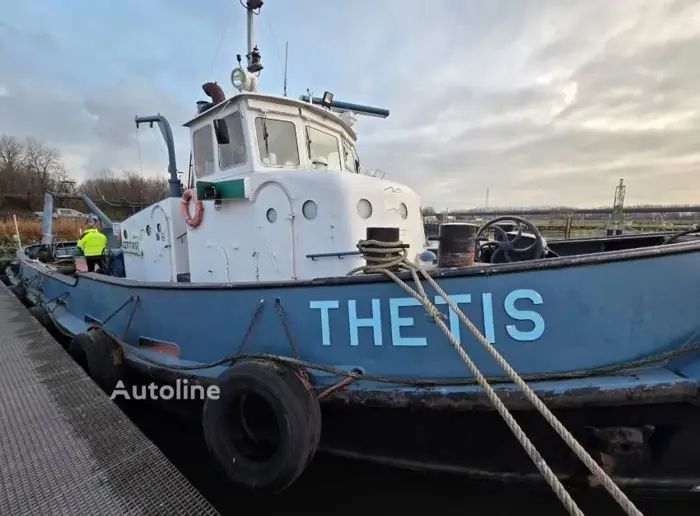
The gallery’s identification board carries the ENI number used in the listing. It also shows length and breadth figures of 24.80 m and 6.51 m. Ask the seller and surveyor to establish the measurement bases and confirm the applicable dimensions from current vessel documents.
For berth and movement planning, obtain the relevant length, beam, air draught and loaded draught, along with displacement and any required clearance information. Use the confirmed values for your specific loading and equipment configuration.
Certificates and the proposed operating area
The seller marks a Community Inland Navigation Certificate as present. The listing marks Certificate of Inspection, Certificate of Approval, Zone 1 & 2 and pushing-certificate fields as “No.”
Request the current certificate pack, validity dates, survey endorsements and authorised service and operating areas. Have the relevant authority and your marine adviser confirm what applies to the work you intend to perform. A sales-listing field should be followed through with the actual documents.
Build the inspection around the whole vessel
Ask an independent marine surveyor to propose a suitable pre-purchase assessment. Discuss the hull and underwater areas, propulsion, steering, electrical systems, deck equipment and the arrangements needed for the intended service.
Include fire and bilge systems, lifesaving equipment, access, communications and the proposed working equipment in the agreed scope. Let the surveyor and relevant authority determine the inspections and tests required.
A written report and an agreed demonstration help define the handover, any preparation and the commissioning plan. Include the supplied manuals, records, spares and loose equipment in the commercial schedule.
Actual photos and video availability
Four seller photographs are included here, showing the exterior, working equipment, generating machinery and wheelhouse controls. The listing gallery contains further views to discuss with the supplier.
No verified video tied to this vessel’s identity was located in the reviewed sources. Request a dated walkaround covering the vessel identifier, decks, wheelhouse and machinery spaces, followed by an agreed demonstration where appropriate.
OPEN THE THETIS OFFER AND REQUEST A CURRENT WALKAROUND →
Turn the offer into a quotation for your operation
Share the intended service, operating area and delivery location. Ask for an itemised proposal showing the exact vessel, included equipment, documents, inspection arrangements and responsibilities for preparation and handover.
If relocation is required, have competent maritime specialists prepare the movement plan using the confirmed vessel particulars. Agree the berth, route, applicable permissions, insurance arrangements and delivery terms with the relevant parties.
Our view: assess the vessel and equipment together
Thetis presents a defined tugboat offer with a detailed published equipment list and useful seller photographs. Its machinery and working-equipment package provide several concrete topics for a project-specific supplier discussion.
Start with your intended task, confirm the current documents and arrange a competent survey and demonstration. A quotation tied to the identified vessel gives you a practical basis for the purchasing decision.
Frequently asked questions
What should my first enquiry include?
The intended service, operating area, tow or working-equipment requirements and desired delivery location. Include the seller’s stock reference and vessel identifier.
Does engine power establish towing capability?
Use documented performance evidence and a competent assessment of the towing arrangement, stability and proposed operation together. Ask for the relevant bollard-pull documentation.
What should be included in the handover?
Agree the vessel and equipment inventory, current documents, available records, operating manuals, familiarisation and delivery responsibilities in writing.
Sources and editorial information
- Autoline LB52521 / Aertssen ATR-2230 — linked seller offer, equipment particulars and photographs.
- Aertssen Trading published stock list — matching seller reference.
- PC Shipbrokers: Thetis, ENI 02717009 — separate matching broker particulars; not a survey or current operating approval.
- Tasneef bollard-pull certification rules — general technical reference, not certification of Thetis.
Reviewed 15 October 2026. Confirm current availability, price, particulars and terms with the seller. This review adds original enquiry and survey-planning guidance from published information without claiming hands-on inspection or current operating approval.
Explore more vessel and equipment reviews →
HSSE TIPS — Worksite Safety Hub
Every Task. Every Person. Home Safe.
Your experience matters
Share your thoughts on this page
Have a question, a useful experience or a suggestion? Add your input below.
Comments are public. Keep them respectful and relevant. Do not share contact details, confidential information or emergency reports.
Comments on this page
Loading comments…