Product Reviews · Forestry Equipment
Silvatec Sleipner Mountaineer F/B Review: The Head Makes the Difference
Affiliate Disclosure: Worksite Safety Hub may earn a commission if you make a qualifying purchase through links in this article. This does not automatically increase the price you pay.
A forestry machine earns its place through the work it helps organise: reaching the selected stem, controlling the cut and placing timber where the next stage can handle it. The carrier, crane and head need to work as one system.
The Silvatec Sleipner Mountaineer F/B is an interesting example of that relationship. The advertised machine combines an eight-wheeled forestry carrier with a Loglift 220 V crane and a seller-described new Sawo feller-buncher head. A Waratah harvesting head and its corresponding telescopic boom may also accompany it, subject to agreement.
That equipment distinction is central to this review. Felling and bunching has a different role from delimbing and cutting stems into measured lengths. Understanding the intended workflow makes the offer more useful to a professional buyer than a broad “harvester” label alone.
This researched review separates the advertised configuration, historical Sleipner family information and practical forestry analysis. It does not claim personal operation, testing or inspection.
EXPLORE THIS SILVATEC FORESTRY HARVESTER
Silvatec Sleipner Mountaineer F/B: Professional Mechanized Forestry Harvesting
The seller identifies the machine as a Silvatec Sleipner Mountaineer F/B. It sits within the mechanized forestry equipment market, where a mobile carrier positions a crane-mounted attachment around the work area.
In the reviewed offer, the installed equipment is described as a Sawo feller-buncher head with a new telescope section. This makes felling and grouping stems the relevant starting point for assessing its applications. The possible Waratah package should be discussed separately, including the head model and controls.
Machine Design and Forestry Engineering
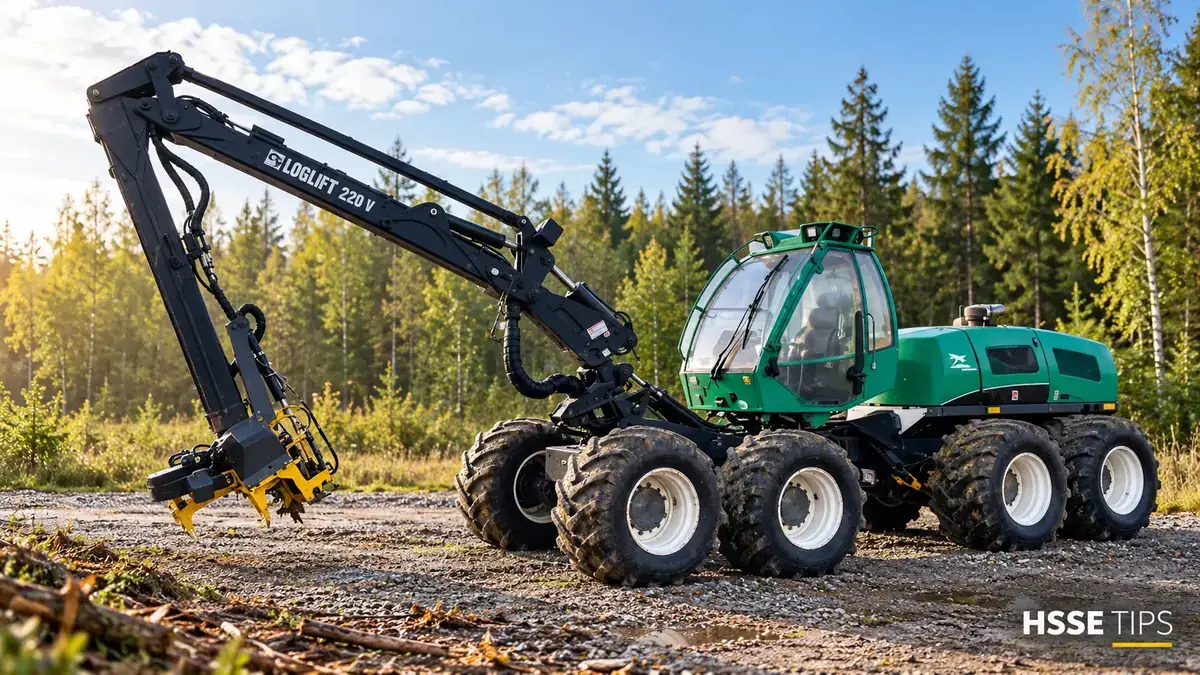
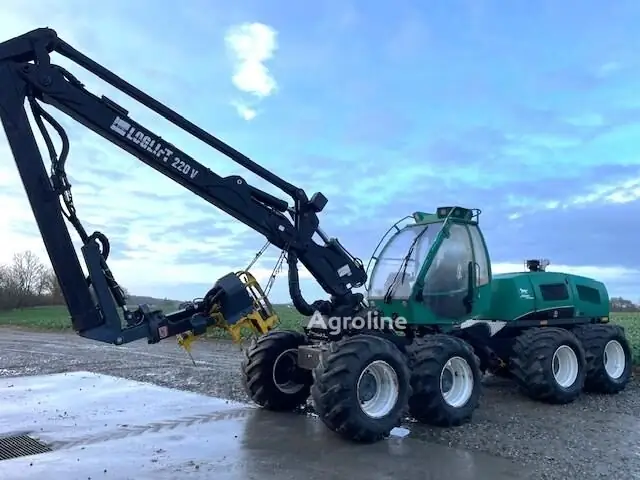
The listing photographs show a green forestry chassis with a rounded glazed cabin, rear engine housing and large tyres on four axles. Eight wheels are visible across the configuration, while the dark crane and yellow attachment give the machine a distinctive working profile.
The carrier is articulated, with front and rear sections arranged around the central connection. For a buyer, the relevant inspection includes the articulation, bogies, clearance and service access, together with how the crane and attachment are supported.
Published tyre information names Alliance 344 at the front and Trelleborg 422 at the rear, in a seller-stated 710 × 26.5 size notation. Confirm the full markings and installed tyre specification. Actual overall dimensions and operating weight were not established for this configuration, so obtain them before selecting transport or planning access.
Engine, Powertrain and Mobility
PH Trading’s own stock page identifies a Mercedes engine with 285 hk; the marketplace displays 285 HP / 209 kW. These are seller-published figures. The exact engine code and fuel specification should be confirmed from the engine plate and records.
A historical Silvatec brochure describes a diesel-powered, hydrostatic-drive Sleipner 8266 TH with eight-wheel drive. It is useful background to the wider family, but it is not a build sheet for this Mountaineer F/B. This review therefore does not assign that brochure’s engine code, torque or gearing to the advertised machine.
Assess mobility and working power together during a demonstration. Ask the seller to show travel, steering and the intended crane-and-head functions under appropriate conditions. No measured fuel use, production rate or tractive performance is claimed here.
Boom, Crane and Working Reach
The seller confirms a Loglift 220 V crane and lists 10 metres of reach. The gallery shows the articulated boom, hydraulic cylinders, hose routing and the extension area near the attachment.
Reach is useful when planning machine positions and access to selected stems. Its practical value depends on the approved head, stem load, working direction and ground conditions. A reach figure alone does not define a lifting capacity or a safe operating envelope.
The seller describes a new telescope section with the Sawo equipment and says the corresponding Waratah boom section may accompany the machine. Ask for the exact supplied arrangement, load information and attachment compatibility. Those details determine how the package should be evaluated for your intended work.
Harvester Head and Timber Processing
The advertised Sawo setup is a feller-buncher configuration. In general forestry terminology, a feller-buncher cuts trees and groups the felled stems for the next operation. A processing harvester head adds functions such as feeding, delimbing and cutting a stem into lengths, according to its particular design.
This matters when matching the Silvatec to a harvesting system. A contractor planning to fell and arrange stems for separate processing or extraction has different equipment needs from one seeking a complete cut-to-length operation at the stump.
The listing does not identify the Sawo model number, cutting diameter, saw specification or accumulation capacity. It also does not identify the optional Waratah model, feed rollers, measuring system or processing limits. Obtain those specifications from the actual head plates and manuals.
DISCOVER THE HEAD, BOOM & MACHINE DETAILS
Hydraulic System and Machine Controls
The seller states that all pumps were renovated at 13,000 hours. That is a useful service-history item to discuss, supported by the relevant invoices, component details and subsequent maintenance records.
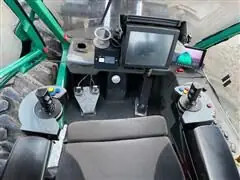
The photographs show hydraulic hoses and cylinders around the crane, plus joystick and switch controls in the cabin. They establish the presence and arrangement of visible equipment, rather than measured pressure, flow or operating condition.
Historical Sleipner literature describes load-sensing hydraulics and IQAN control. These are family references, not verified identification of the installed system. Request the current hydraulic schematic, pump specifications and control-system details, especially if the head and telescope package has been changed.
Operator Cabin and Working Environment
The rounded cabin is one of the machine’s most recognisable features. The gallery shows broad glazing around the operator position, a seat, armrest-mounted controls and a console with switches and displays. Roof-mounted working lights are also visible.
For forestry work, the useful question is how that environment supports observation of the attachment, travel path and surrounding work area. A demonstration from the seat can establish sightlines, control access and the operation of lights and wipers.
Ask the seller to confirm the installed heating, air conditioning, seat adjustments, glazing specification and emergency arrangements. Their exact equipment and present operation were not verified from the advertisement. The original family brochure’s cab description should not be treated as certification of this individual machine.
Terrain Applications and Mobility
The eight-wheeled layout and forestry tyres are relevant to off-road work, but the word “Mountaineer” does not establish a slope rating. No verified maximum gradient, side-slope limit or ground-pressure figure was found for the offered configuration.
Terrain suitability needs a site assessment alongside the machine’s operating instructions. Ground strength, moisture, roughness, stem size and crane position all influence the working plan. HSE guidance similarly stresses that difficult-ground decisions depend on more than slope angle alone.
For thinning or selective work, assess access width, residual-tree spacing and the intended machine routes. The listed reach may inform that assessment, while the actual footprint, head and approved operating limits establish what the machine can do on the site.
Safety and Operational Considerations
Use competent operators trained for the carrier, attachment and planned tasks. Establish communication with other workers and control access to the machine’s working area through a site-specific plan.
Set exclusion arrangements using the applicable manufacturer instructions and current forestry guidance, accounting for falling stems, machine movement, attachment operation and any chainshot exposure where relevant. FISA’s mechanical-harvesting guidance was updated in September 2026; consult the current document rather than relying on a generic clearance distance.
Before acceptance, establish the machine’s guarding and cab-protection documentation, emergency stops, fire equipment and maintenance-isolation procedures. The console photograph shows an emergency-stop-style control, but a photograph does not confirm its function or the machine’s protective certification.
Plan servicing with the attachment safely supported, stored energy controlled and the manufacturer’s isolation method followed. These are normal operational requirements, not a finding about the condition of this advertised machine.
Forestry Applications and Ideal Buyers
Logging contractors can assess the advertised Sawo configuration for mechanized felling and bunch placement within a wider harvesting system. Match its verified head capacity and crane limits to the actual tree sizes and extraction method.
Thinning and forest-management operators may investigate the carrier’s access and reach for selected-stem work. Suitability depends on the stand, retained trees, soil conditions and approved equipment configuration; it is not established by the model name alone.
Businesses seeking processing capability should request a separate description of the possible Waratah package. Establish its functions, compatibility, calibration and the scope of supply before planning timber measurement or cut-to-length production.
Fleet fit also involves operator familiarity, workshop capability and parts arrangements. Our John Deere 1270E harvester review offers another configuration to research, while our hydraulic-system safety reminder provides relevant general maintenance awareness.
Technical Specifications
The table records verified published entries and identifies information requiring machine-specific documentation. Family brochure specifications are not substituted for missing vehicle records.
| Manufacturer / designation | Silvatec / Sleipner Mountaineer F/B |
|---|---|
| Year / condition | 2007 / used, seller entry |
| Published hours | 18,300; current reading to confirm |
| Engine / output | Mercedes, seller stock page; 285 HP / 209 kW displayed on marketplace |
| Engine code / fuel / drive | Exact engine code, fuel specification and transmission require machine records |
| Wheels / axles | Eight wheels visible; four axles listed; exact driven-wheel arrangement to confirm |
| Tyre entry | Alliance 344 front / Trelleborg 422 rear; 710 × 26.5 notation as published |
| Crane / listed reach | Loglift 220 V / 10.00 m; approved attachment and load information to confirm |
| Advertised working head | Sawo feller-buncher, described as new, with telescope section |
| Additional package | Waratah harvesting head and corresponding telescope boom may accompany machine; scope and price to confirm |
| Cutting / feed specification | Head model, cutting diameter, feed rollers and processing limits not stated |
| Hydraulic history | Seller states all pumps renovated at 13,000 hours; records to request |
| Cab / controls | Rounded glazed cab, joysticks, console and working lights visible in photographs |
| Dimensions / weight | Exact operating and transport dimensions and configured weight not established |
| Terrain / protection | Slope limits, cab certification and current safeguards require machine-specific documentation |
| Price / identification | Price on request; seller stock 69-07; marketplace YZ48525 |
VIEW SPECIFICATIONS & THE CURRENT OFFER
Current Seller Offer — Verified 23 October 2026
Advertised machine location: Ulstrup, Denmark. The seller is PH Trading A/S. Quote stock 69-07; the marketplace reference is YZ48525.
The machine is advertised as used, year 2007, with 18,300 operating hours. The seller describes one previous owner, good running condition, a new Sawo feller-buncher head and telescope section, and pump renovation at 13,000 hours. These remain seller statements to confirm through records and inspection.
Price is on request. No numeric asking price or applicable tax amount was published in the reviewed offer. Ask for a written quotation identifying the machine, included equipment, optional Waratah package, taxes and final transaction terms.
The seller describes immediate supply, but current availability, collection readiness and hours should be reconfirmed. That wording does not identify delivery destinations or establish an inclusive transport service.
Delivery destinations, shipping arrangements, and applicable transport terms were not specified in the information reviewed. Prospective buyers should confirm these details directly with the seller.
Any marketplace delivery-service link should be discussed separately from a seller commitment. Request loading arrangements, transport dimensions, costs, insurance responsibilities and any export-document assistance in writing.
Last verified: 23 October 2026. This offer section can be updated independently if the machine sells or the equipment package changes.
REQUEST PRICE, AVAILABILITY & TRANSPORT DETAILS
Questions Buyers Should Ask Before Contacting the Seller
Explain the intended forestry work and quote stock 69-07. Ask for information that connects the advertised machine with your operating requirements.
- Machine identity: serial number, engine plate, current hours, drive specification and operating manuals.
- Working equipment: exact Sawo model, cutting limits, crane configuration and load information; written inclusion or separate pricing for the Waratah head and boom.
- Service and controls: maintenance records, pump-renovation documents, hydraulic schematics, software details and a suitable demonstration.
- Support and inspection: parts identification, service contacts, inspection arrangements, protective-equipment records and written warranty terms if offered.
- Transport and payment: actual shipping dimensions and weight, loading assistance, destinations, costs, insurance, export documentation and agreed payment procedure.
For an international purchase, establish the destination’s machinery and import requirements with a qualified adviser before transport is booked.
Photographs and Video
View the authentic machine, head and cabin photographs in the seller gallery.
The seller gallery contains 13 images covering the carrier, wheels, crane, attachment and cabin controls. No exact-machine official or seller video was verified in the reviewed sources. Request a current demonstration showing the quoted configuration and its functions.
Authentic photographs remain useful alongside any demonstration. Ask for readable machine, crane and head plates, the complete controls, the supplied attachments and transport-ready views. These help connect the offer to the documents and equipment you will receive.
Frequently Asked Questions
What is the Silvatec Sleipner Mountaineer F/B?
A wheeled forestry machine advertised with a Loglift crane and Sawo feller-buncher setup. Its exact working role depends on the installed head and controls.
Which forestry operations may suit it?
The advertised setup is relevant to mechanized felling and bunch placement. Match tree sizes, site conditions and extraction plans to the verified equipment limits.
What engine and powertrain are confirmed?
The seller’s own page identifies Mercedes and 285 hk; the marketplace displays 285 HP / 209 kW. Exact engine code, fuel and drive specification require records.
Which harvesting head is installed?
A Sawo feller-buncher head described as new. A Waratah harvesting head and corresponding telescope boom may accompany the machine; inclusion and models need confirmation.
What is the listed working reach?
The seller lists a Loglift 220 V crane and 10 metres of reach. Obtain the approved configuration and load information for the actual attachment.
Where is the machine and what is its price?
Ulstrup, Denmark. Price is on request. The 23 October 2026 offer snapshot records a used 2007 machine with 18,300 hours.
Are delivery or export services confirmed?
No destinations, shipping costs or export terms were specified. The seller’s immediate-supply wording does not establish a destination-specific delivery commitment.
How should a buyer enquire?
Use an offer button and quote stock 69-07 or YZ48525. Confirm configuration, current hours, price, records, inspection and transport arrangements.
Sources and Editorial Method
Research checked 23 October 2026. The exact marketplace listing and PH Trading’s own stock 69-07 page were crosschecked. Seller statements, photographic observations and historical family information are distinguished. No personal inspection, operating test, rating or ownership experience is claimed. Two original advertiser images are included in this article with source branding retained.
- PH Trading stock 69-07, crosschecked with its own machine page; exact offer via affiliate link
- Silvatec-authored historic Sleipner / 8266 TH brochure; family context only
- SAWO manufacturer product-information index; installed head model not established
- US Forest Service glossary: feller-buncher and harvester functions
- HSE: working on steep or difficult ground
- FISA 603 mechanical harvesting; September 2026 update
Final Verdict
The Silvatec Sleipner Mountaineer F/B presents a specific forestry proposition: an eight-wheeled carrier, a listed 10-metre Loglift crane and a seller-described new Sawo feller-buncher setup. Its strongest appeal is to buyers who understand where felling and bunching fits within their wider operation.
The possible Waratah package adds another configuration to discuss, with its own identification and compatibility requirements. Establish the exact scope of supply, supporting records and site fit, then request the current price. That makes the enquiry a useful step toward selecting machinery for a defined forestry workflow.
CONTACT THE SELLER ABOUT THIS SILVATEC
Join the Conversation
What matters most when choosing a forestry machine—head capability, mobility, operator environment or service support? Share your thoughts in the comments below.
Your experience matters
Share your thoughts on this page
Have a question, a useful experience or a suggestion? Add your input below.
Comments are public. Keep them respectful and relevant. Do not share contact details, confidential information or emergency reports.
Comments on this page
Loading comments…