PRODUCT REVIEWS · DUMP TRUCKS
Scania G 500 Dump Truck Review: Match the Truck to the Job
HSSE TIPS Editorial Team · Published 22 October 2026 · Research-based buying guide
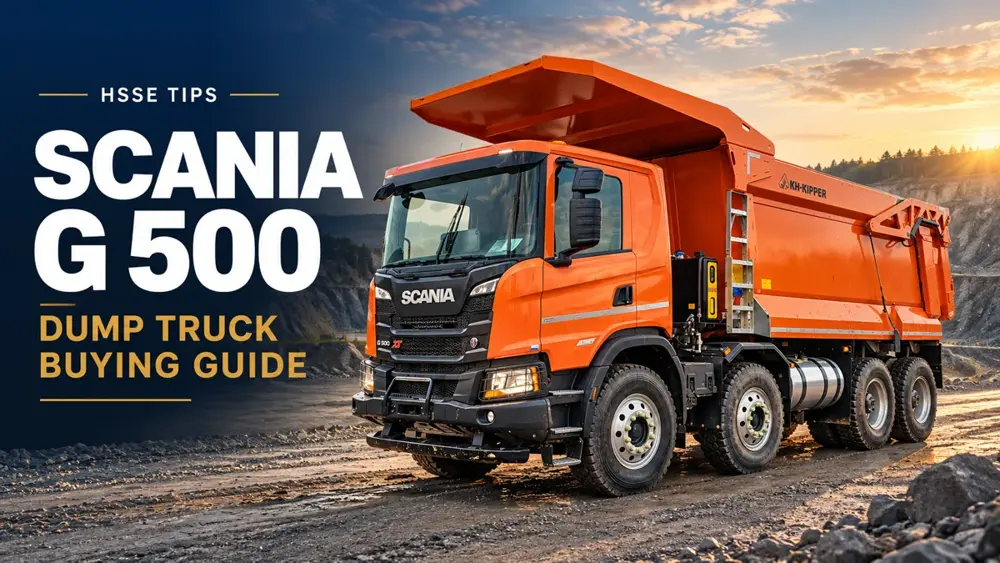
The right dump truck does more than carry a load. It fits the material, the route and the rhythm of your working day. That is the useful way to approach the Scania G 500: as a complete hauling package, with the cab, drivetrain, chassis and tipper body working together.
For construction and bulk-material operators, this model offers a focused starting point for a buying conversation. This guide explores applications, body matching and practical questions, followed by a separately dated seller offer. It is a research-based review using manufacturer information and seller material; we have not inspected or driven the advertised truck.
Affiliate disclosure: Worksite Safety Hub may earn a commission if you purchase through the affiliate links in this article. This does not change the price you pay.
Scania G 500: a working platform for construction haulage
Scania includes the G-series among its recommended models for building and construction operations. The manufacturer describes the range as adaptable, with an emphasis on driveability, visibility and cab space. Those qualities give buyers a useful framework for assessing a truck that may alternate between access roads, loading areas and customer sites.
The model name is the beginning of the specification. The axle arrangement, transmission, body and tipping installation determine how an individual G 500 fits your contracts. A productive comparison therefore puts the completed vehicle beside your intended work, rather than treating every G 500 as the same truck.
Applications: match the truck to the material
Consider the G 500 tipper for a shortlist covering aggregate deliveries, earthmoving support and construction-material movements, subject to the individual body’s approved use and vehicle documentation. Begin with the material you move most often and the sites you visit repeatedly.
For each contract, write down the loading method, typical journey, access restrictions, unloading area and expected daily trips. Ask the supplier to explain how the proposed body and chassis specification match that schedule. This gives you a practical way to judge the package before discussing extras.
Compare the truck with your loading equipment too. Confirm loading height, bucket clearance and the body manufacturer’s guidance for the intended material. A machine that suits the loader at your own yard should also fit the arrangements at your regular suppliers.
Body volume and payload: plan with both
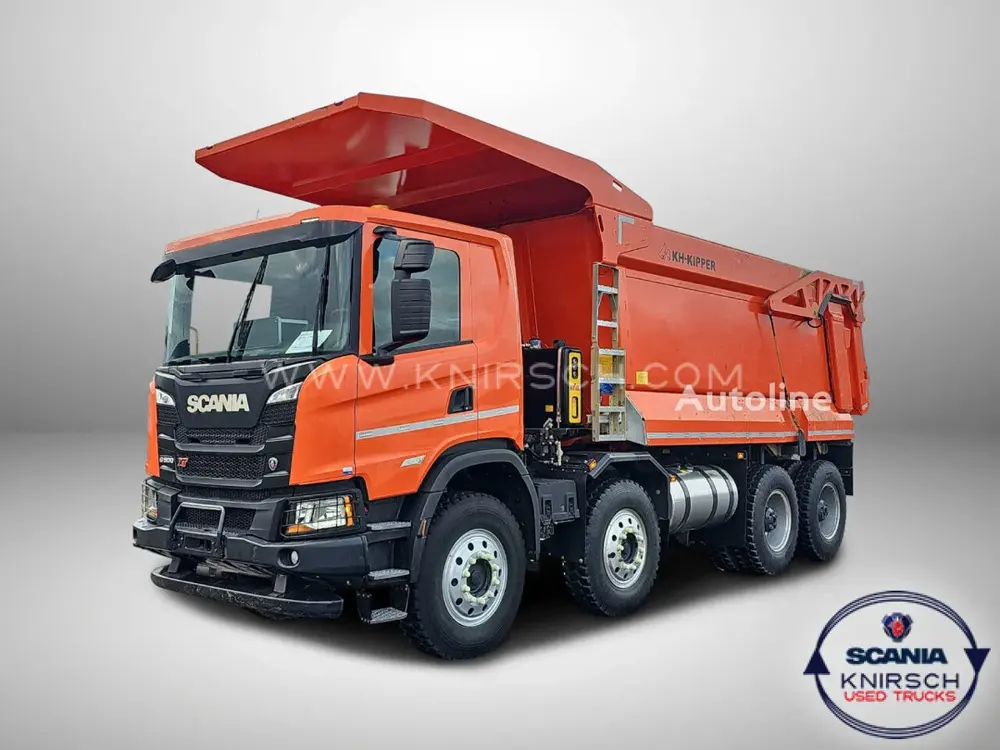
Body volume describes space; payload describes mass. To build a usable loading plan, request the body specification, vehicle plates, tare weight and axle ratings. Your transport specialist can then establish the permitted load for the destination and route.
Ask for internal body measurements and information about the floor, sides, tailgate and discharge arrangement. Discuss whether your priority is a particular material, loading method or unloading location. These details make it easier to compare two trucks with similar headline power.
A useful buying question is: “Can you show how this completed vehicle matches my typical load?” Include your material and route when asking. That invites an answer based on the specific truck’s records.
Tipping hydraulics and equipment compatibility
Treat the body, subframe and hydraulic installation as one system. Request the body and hoist identification, hydraulic documentation and operating instructions. Ask a competent inspector to review the installation and arrange a demonstration by an authorised operator.
If you plan to use a trailer, provide its specification and ask the supplier to confirm the towing ratings, coupling, electrical connections and braking interface. The presence of a coupling is one part of that assessment; compatibility should be documented for the intended combination.
For regular worksite operation, discuss the controls and indications available to the driver. Ask how the supplied instructions address the tipping sequence, body-down confirmation and inspection points. Have the body supplier explain the setup for your actual unloading environment.
Cab layout: make the working day part of the review
Scania’s G-series information highlights the driver’s position, glazing, dashboard layout and storage options. When assessing a used example, sit in the cab and walk through a normal shift: entering, setting the seat and mirrors, storing work items and reaching the controls.
Make your inspection practical. Check the sightlines relevant to your yards, identify the fitted controls and ask for an explanation of the transmission and auxiliary braking functions. Confirm the equipment on this vehicle from its build specification and inspection, as model-range options can vary.
Current seller offer — checked 22 October 2026
Product location: Karlsruhe, Germany. Martin Knirsch Kraftfahrzeuge GmbH advertises the following used truck. The details below describe that individual offer and should be reconfirmed when enquiring.
| Item | Seller-listed detail |
|---|---|
| Model | Scania G 500 dump truck |
| Manufacture / first registration | 2021 / April 2024 |
| Recorded mileage | 23,000 km |
| Engine output | 500 HP (368 kW) |
| Axles | 8×4, four axles |
| Transmission | Automatic; seller describes two-pedal Opticruise |
| Body volume | 25 m³ |
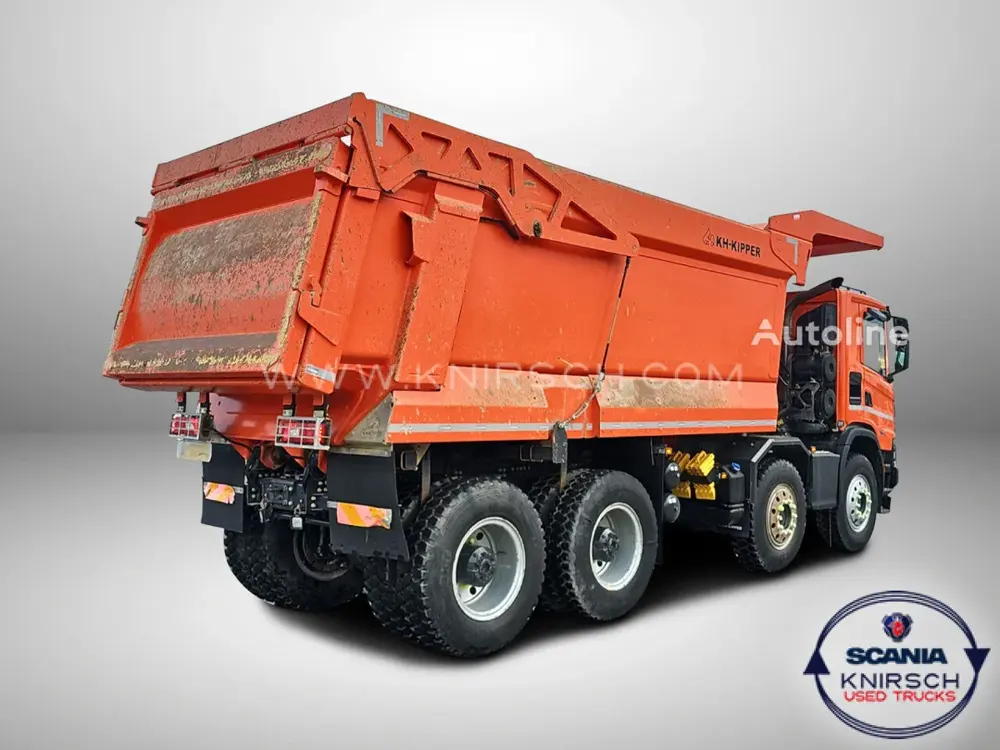
| Installation | KH tipper body; tipping hydraulics |
| Listed equipment | Retarder, differential lock, climate control, auxiliary heater and trailer coupling |
| Advertised price | €159,000 net / €189,210 gross |
| Reference | Autoline XR48876 / seller stock 5639372 |
Use the listing reference when requesting the current price, availability, build specification and condition report. Ask for registration documents to confirm the relevant dates and destination requirements. This dated offer can be updated separately when the vehicle sells.
Delivery areas and shipping terms
The reviewed advertisement and supplier used-vehicle page do not specify delivery countries, a worldwide-shipping commitment, freight charges or a delivery schedule for this truck. Delivery to your destination therefore needs direct confirmation.
Send your country and preferred delivery point when asking for a quotation. Request written details of collection or transport arrangements, export preparation, insurance, handover documents, payment terms and responsibility for destination charges. Ask whether the offer is for collection, port delivery or delivery to your premises.
The supplier’s used-vehicle page mentions a general warranty offering. Ask which written warranty terms, duration, coverage and territory apply to this particular sale, including any arrangements relevant to an overseas buyer.
Questions buyers should prepare before contacting the seller
- Work profile: What material will you move, on which routes and for how many trips per shift?
- Identity and records: Can the supplier provide the build specification, current mileage photograph and maintenance history?
- Body matching: Which body and hoist models are fitted, and what documentation covers their intended use?
- Loading plan: What are the documented weights and axle ratings for the completed truck?
- Hydraulics: What inspection records and operating instructions accompany the installation?
- Trailer use: Can the seller confirm compatibility with your proposed trailer and its interfaces?
- Inspection: Can you arrange an independent inspection and a controlled equipment demonstration?
- Commercial package: What exactly is included in the price, warranty and destination quotation?
Video: meet the Scania G-series
Scania Group’s “New generation G-series – powerful technology” introduces the model family. It is manufacturer background, rather than footage of the offered truck; equipment shown may differ from this example.
Watch the Scania G-series introduction on YouTube.
Scania G 500 dump truck FAQs
Does an 8×4 configuration mean all-wheel drive?
An 8×4 designation describes a four-axle arrangement with two driven axles. Ask the supplier for the axle specification and confirm how it matches the access conditions on your routes.
Does the body volume establish the permitted load?
Use body capacity alongside the completed vehicle’s weight records and destination requirements. Ask your transport specialist to confirm the permitted load for your material and intended route.
Can I use the truck with a trailer?
Provide the proposed trailer details and request confirmation of the complete combination’s ratings and connections. Include this question in the enquiry so the supplier can answer against the actual specification.
Can the supplier deliver internationally?
No destination-specific shipping commitment was found in the reviewed offer. Request a written answer for your country, together with the scope and price of any transport service.
Put the G 500 to work on paper first
A strong shortlist starts with a clear working brief. Match the material, loading equipment, route and unloading arrangements to the truck’s documented specification. Then use the seller enquiry to obtain the records, demonstration and commercial terms that make your decision concrete.
Sources and review basis
Reviewed on 22 October 2026: the linked seller advertisement; Knirsch’s used-vehicle information; Scania’s construction-transport guidance; Scania G-series overview; and the manufacturer video above. Original listing photographs show the advertised truck. The featured image is a generated visual based on its appearance.
Join the discussion
What would you prioritise in your next dump truck: body matching, route access or the tipping installation? Share your material, intended application or buying question in the comment section below.
Your experience matters
Share your thoughts on this page
Have a question, a useful experience or a suggestion? Add your input below.
Comments are public. Keep them respectful and relevant. Do not share contact details, confidential information or emergency reports.
Comments on this page
Loading comments…