PRODUCT REVIEWS · AIRPORT FIRE TRUCKS
Protector Airport Fire Truck Review: A 4×4 Fleet Buying Guide
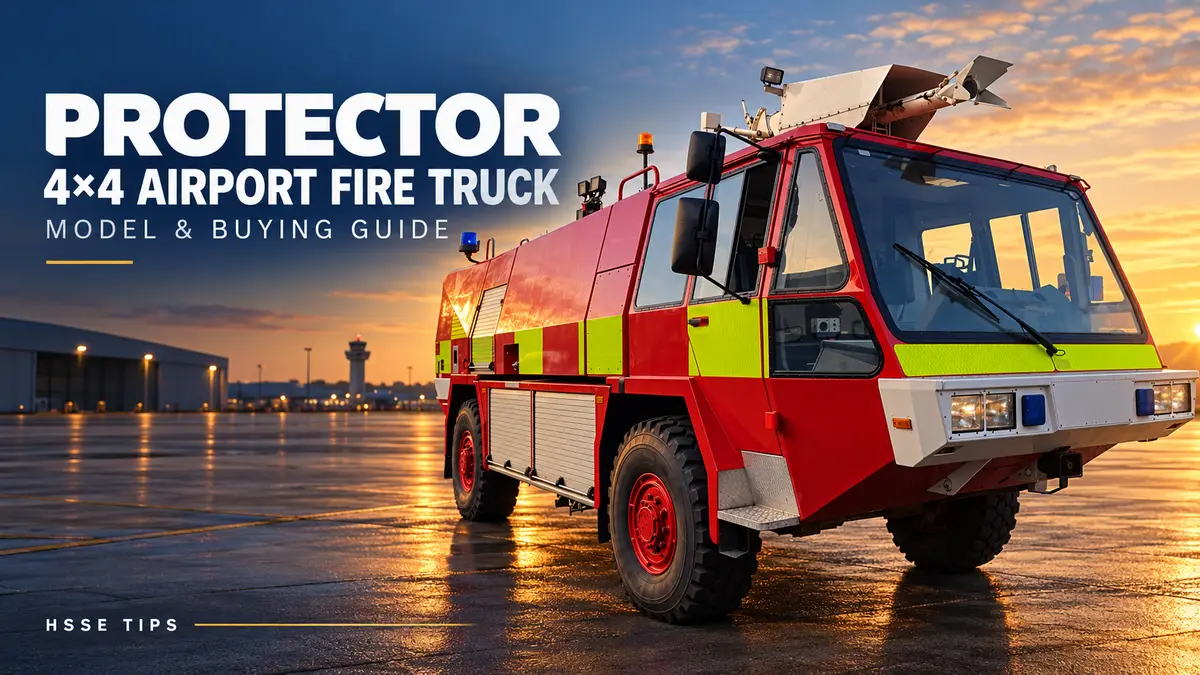
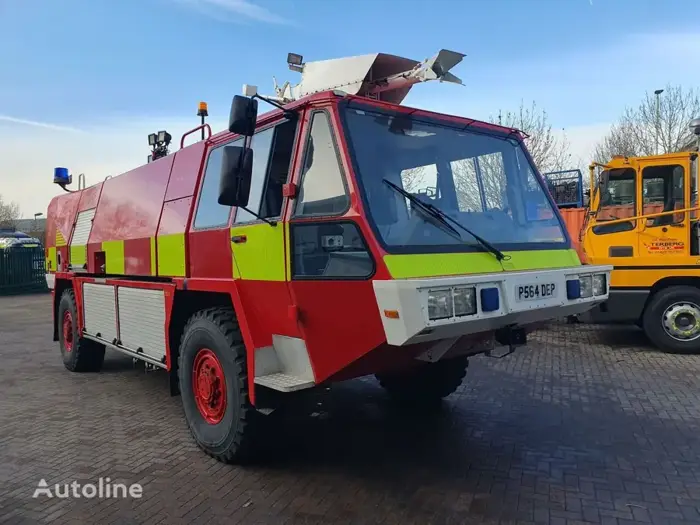
A bold wedge-shaped cab. Two axles. A distinctive airport firefighting profile. The Protector offers a focused starting point for buyers researching a specialist 4×4 fire appliance. The most useful review connects the vehicle’s crew space and firefighting installation to a clearly defined fleet role.
This guide explores the Protector configuration advertised in the linked offer and the questions that help a technical team assess it. A separate, dated seller section records the individual vehicle, so the buying guidance remains useful when availability changes.
Affiliate disclosure: We may earn a commission if you purchase through links in this article, at no additional cost to you. We have not inspected, driven or independently tested the advertised truck or its firefighting equipment.
Confirm availability and request the vehicle-specific build and equipment records.
Start with the Protector’s Intended Fleet Role
The offer identifies the model as Protector and classifies it as an airport fire truck. Begin your enquiry by defining the proposed application with the receiving fire-service team: an operational fleet addition, reserve coverage or a training resource.
Set out the equipment interfaces, crew plan, site access and performance evidence needed for that role. Ask the supplier to assemble the original chassis and firefighting-body records around those requirements.
Use the VIN and build plates to establish the vehicle’s exact identity. Request the chassis, body, engine, transmission, pump and monitor identification details so the right manuals and support information can be matched to the installation.
The model name introduces the enquiry. The vehicle-specific documentation gives the technical team a practical basis for assessment.
Five Advertised Seats: Make Crew Layout Part of the Viewing
The listing specifies five seats. Ask for cab photographs showing seating positions, access, restraint arrangements and the storage available for the intended crew’s equipment.
Have the operations team review control positions, communications and the equipment carried during the proposed duty. Request a guided demonstration using the vehicle’s operating instructions.
Include workshop and station-access questions in the same viewing plan. Obtain measured dimensions, turning information, plated weights and axle loads, and share them with the team assessing movement routes and parking arrangements.
Water Storage, Pump and Monitor: Review Them Together
The offer states a 6,000-litre water tank. For an operational assessment, request the tank documentation alongside the pump curve, rated flow and pressure, monitor specification and control-system instructions.
Ask the supplier to identify any foam-proportioning or complementary-agent equipment fitted, its approved agents and the accessories included in the sale. Have the relevant service records and test reports supplied with the component identification details.
Prepare a demonstration plan with a competent specialist. Agree the functions to be shown, the conditions for testing and how the results will be recorded. That allows the receiving team to assess the installation against its own requirements.
Storage capacity is one part of the technical brief. Use documented ratings and agreed demonstrations to establish the complete package for the intended duty.
A Practical Compatibility and Handover Plan
| Area to assess | Information to request |
|---|---|
| Crew and operations | Cab photographs, seating documentation, controls and familiarisation |
| Site access | Measured dimensions, turning information, weights and axle loads |
| Equipment interfaces | Hose connections, refill arrangements and included adaptors |
| Workshop support | Build records, component serial numbers, manuals and service history |
| Handover | Agreed preparation, equipment inventory, records and delivery responsibilities |
Send the identification details to the service providers who would support the truck at your destination. Ask what parts information, maintenance support and operator familiarisation can be arranged for this particular vehicle.
Have the responsible airport and relevant authority establish the required acceptance process before operational deployment. This research-based guide does not assign an airport response category or certify readiness.
Dated Seller Offer: Checked 21 October 2026
The linked advertisement provides these seller-stated particulars:
| Item | Advertised detail |
|---|---|
| Model / type | Protector / airport fire truck |
| Year / condition | 1996 / used |
| Mileage | 24,904 km |
| Seats | Five |
| Axles / drive | Two / 4×4 |
| Water tank | 6,000 litres |
| Overall dimensions | 8.8 × 3.5 × 4 metres |
| Colour / lighting | Red / auxiliary lamps listed |
| Product location | Quedgeley, United Kingdom |
| Price | On request |
| Supplier / reference | Terberg DTS UK Ltd – Fire & Rescue Division / Autoline TV31972 |
Request current mileage and operating-hour photographs, identifying each counter. Confirm the sale inventory, applicable taxes and measured dimensions directly with the supplier before finalising the quotation or transport plan.
As availability changes, this dated section can be updated while retaining the Protector application and buying guide.
Product Location: Quedgeley, United Kingdom
Quedgeley, United Kingdom is the product location in the advertisement. Confirm the exact viewing and collection arrangements for TV31972 before travelling or booking transport.
Delivery Destinations and Shipping Terms
No unit-specific destination list or shipping terms were verified for this Protector. Terberg’s general ARFF information, published in 2013, refers to UK and export markets. Treat that as company background and request a current delivery proposal for this vehicle.
Give the supplier your receiving port or delivery point. Ask whether it can arrange transport there, and request a quotation separating the vehicle, preparation, loading, export documents, freight, insurance and handover responsibilities.
Have the transporter confirm the measured shipping envelope and weight. Agree the preparation requirements for tanks and any remaining agents, the Incoterm, payment schedule and lead time. Establish who handles customs, destination charges and onward transport.
Ask a relevant local specialist to confirm destination import and vehicle-acceptance requirements before shipment.
Photos, Video and Inspection Evidence
The original listing includes a photo gallery. No verified video of this exact Protector was located during this review.
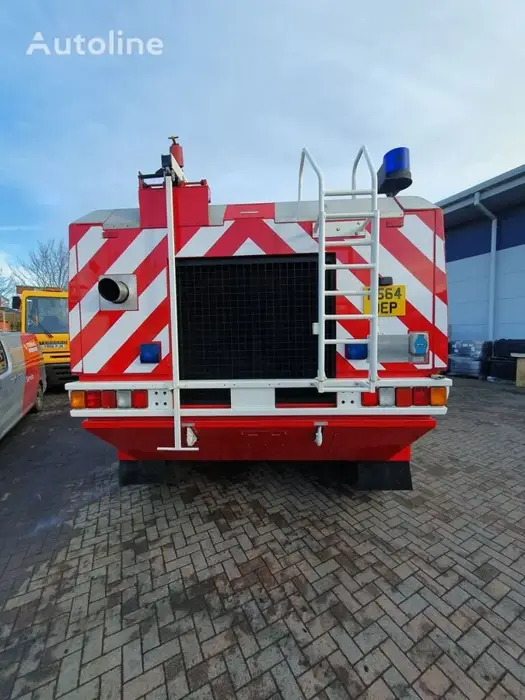
Request a dated walkaround showing the identification plates, cab, chassis and firefighting installation. Agree any driving and system demonstrations in advance with a competent representative.
Terberg’s own used-vehicle page asks buyers to discuss requirements because fleet availability changes frequently. Use the listing reference throughout your enquiry so the supplier can confirm the current offer.
Questions Buyers Can Prepare Before Contacting the Seller
- Is the Protector in advertisement TV31972 still available?
- What does the quotation include, and which taxes apply?
- Can you provide the VIN, build plates and exact chassis and body specifications?
- What are the current mileage and operating-hour readings?
- What pump, monitor and any fitted agent-system ratings are documented?
- Which service records, test reports and operating manuals accompany the sale?
- Can we arrange an independent inspection and agreed demonstrations?
- Which hoses, adaptors, loose equipment and spares are included?
- Can you quote delivery to our destination with shipping measurements, preparation and responsibilities itemised?
Give the Enquiry a Clear Operational Purpose
The Protector’s advertised 4×4 layout, crew seating and water storage provide a useful starting point for a specialist fleet discussion. Connect those particulars to your intended role, then ask for the records and demonstrations your technical team needs.
Send the supplier your application, destination and equipment requirements. A specific brief makes it easier to discuss the complete vehicle and handover package.
Sources and Editorial Notes
Research checked on 21 October 2026. Offer information and photographs are seller-provided and may change. Supplier background is distinguished from vehicle-specific terms. This guide is based on published research and carries no hands-on rating.
- Autoline TV31972: individual specification and original photos
- Terberg: used fire vehicles and availability guidance
- Terberg: ARFF and UK/export-market background, published May 2013
Join the Discussion
What would your team prioritise when assessing a Protector: crew layout, firefighting-system records or destination support? Share your fleet requirements in the comment section below.
Your experience matters
Share your thoughts on this page
Have a question, a useful experience or a suggestion? Add your input below.
Comments are public. Keep them respectful and relevant. Do not share contact details, confidential information or emergency reports.
Comments on this page
Loading comments…