HSSE TIPS · Product Reviews · Mobile Catering / Commercial Food-Service Vehicles
Mitsubishi Mobile Kitchen Food Truck Review: Equipment, Specifications & Buying Guide
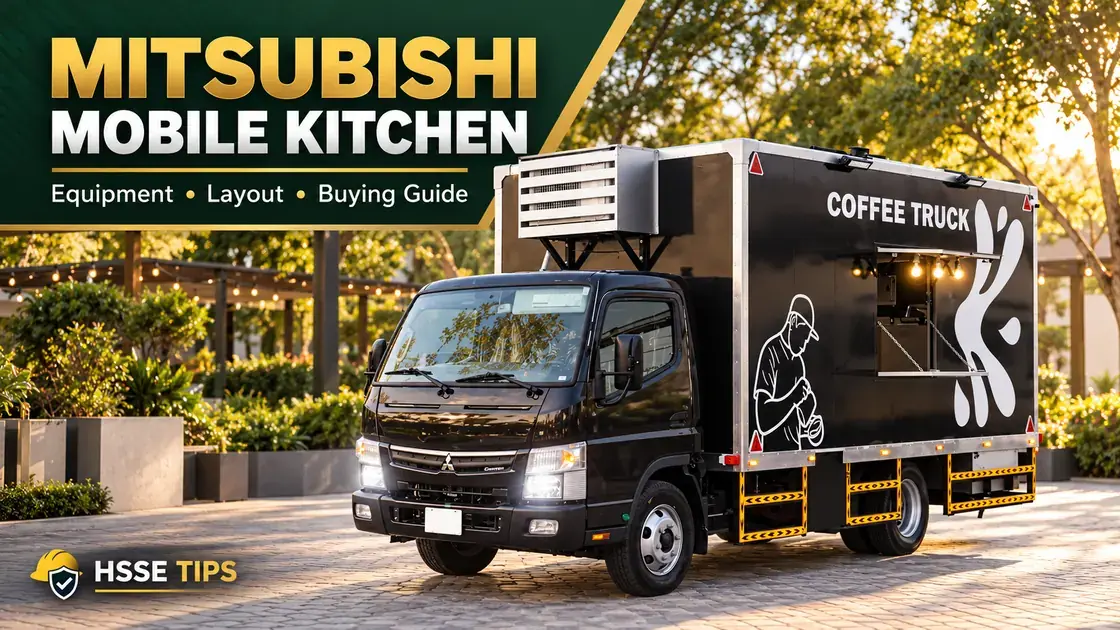
Introduction — Bringing Food and Beverage Service to the Customer
A useful catering truck starts with a clear menu. The drinks you serve, the ingredients you carry and the places you trade determine what the vehicle needs to do. A carefully planned layout brings those choices together in one compact workspace.
The Mitsubishi Mobile Kitchen is advertised as a Mitsubishi Fuso-based mobile coffee shop. Its published package combines beverage and frozen-dessert equipment with work surfaces, storage and utilities. For buyers exploring mobile refreshments, the central question is how that package fits the intended service—not simply how many appliances appear in a photograph.
This review examines the published information and original gallery, then translates them into practical purchasing questions. It is a document-based assessment, with no physical inspection or appliance testing. The final quotation and acceptance documents should identify the exact vehicle and supplied equipment.
Affiliate Disclosure: Worksite Safety Hub may earn a commission if you make a qualifying purchase through links in this article. This does not change the price you pay.
EXPLORE THE MITSUBISHI MOBILE KITCHEN
Mitsubishi Mobile Kitchen Overview
The advertised name is broad, but the description is more specific: a coffee and beverage operation with frozen-dessert equipment. That distinction helps a buyer develop a realistic menu and equipment schedule. “Mobile kitchen” should not automatically be read as a complete hot-food cooking installation.
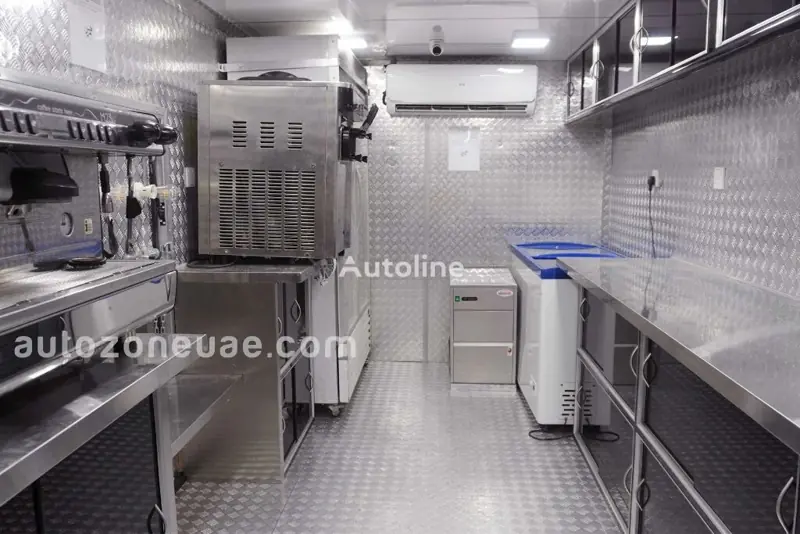
The exterior gallery shows a black cab-over truck, a tall rectangular catering body, a side service opening and coffee-themed graphics. Interior photographs show opposing work surfaces, cabinets, a central aisle and installed appliances. These are useful layout observations; they do not establish appliance ratings or contractual inclusion.
Use three documents together: the vehicle specification, the conversion drawing and the itemized appliance schedule. Agree how they relate to the actual build being quoted, including any customer-selected changes. This gives both parties a common basis for inspection, commissioning and handover.
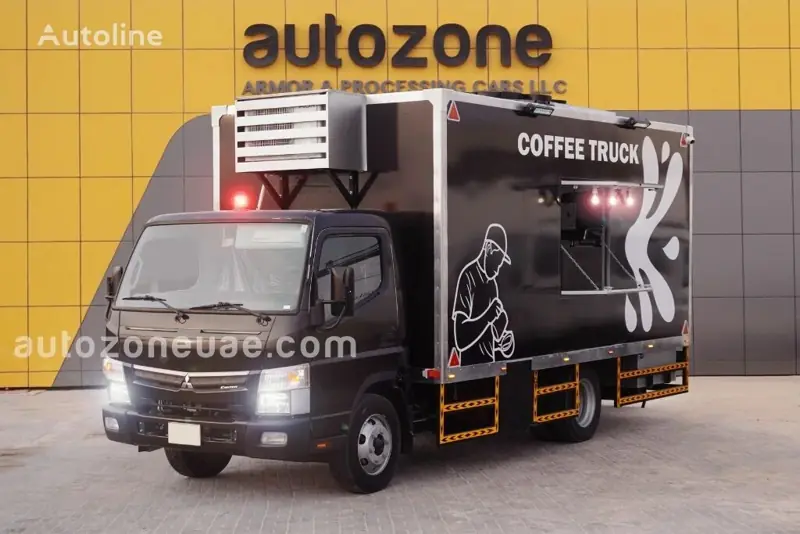
Understanding the Mitsubishi Fuso Platform
The seller identifies a Mitsubishi Fuso platform. A Canter badge is visible in the front photograph, but a badge cannot establish the precise chassis code, model year or market variant. Ask for the VIN, identification plate and registration or export records before selecting chassis-specific technical data.
The listing reports diesel power, four cylinders and a five-speed manual gearbox. Its wording “Engine: 4.2 TON” is ambiguous: tonnes are not an engine-displacement unit. This review therefore does not convert that entry into engine capacity, output, gross weight or payload. The description also uses “2×4”; request the actual drivetrain specification rather than normalizing unclear text.
For a catering conversion, remaining payload deserves particular attention. Request completed-vehicle weight and axle loads with the agreed appliances fitted, then account for water, stock, staff and operating supplies. The useful load must come from the actual vehicle records, not an assumed rating based on its appearance.
Body Conversion, Serving Layout and Staff Workflow
The advertised structure includes an aluminium frame, metal subframe, fiberglass exterior and chequer-plate interior. The gallery shows reflective patterned surfaces and a narrow working aisle. Material names alone do not establish food-contact suitability, slip resistance or compatibility with cleaning chemicals; request the finish schedule and maintenance instructions.
Map a typical order through the workspace: take payment, retrieve ingredients, prepare the drink, hand it over and clean the tools. Check whether those movements cross each other and whether a staff member can reach frequently used supplies without blocking the aisle. A dimensioned drawing is more useful here than a wide-angle photograph.
Confirm the service opening, hatch supports and locks, staff access, step arrangement and clearances around the equipment. Cabin seating is not evidence of safe staffing capacity inside the catering body. Plan the number of operators from the agreed layout, tasks, emergency access and local requirements.
Coffee, Frozen Desserts and Advertised Catering Equipment
The published package lists a coffee machine, freezer and ice-cream machine. Their manufacturers, exact models, quantities and output ratings are not established by the reviewed description. Request a schedule showing each appliance, accessories, installation requirements and what is included in the price.
For coffee service, establish whether a grinder, water treatment and the necessary plumbing are supplied. Match the machine to the proposed drinks and expected service pattern using its actual documentation. Photographs can help locate equipment, but cannot support a promised cups-per-hour figure or an assumption about brewing functions.
For frozen desserts, confirm the machine type, ingredients, cleaning process and service support. A freezer is not automatically a refrigerator suitable for every chilled ingredient. Likewise, the advertised package does not establish a supplied oven, fryer, grill, extraction hood or LPG system. Specify those separately if the menu requires them.
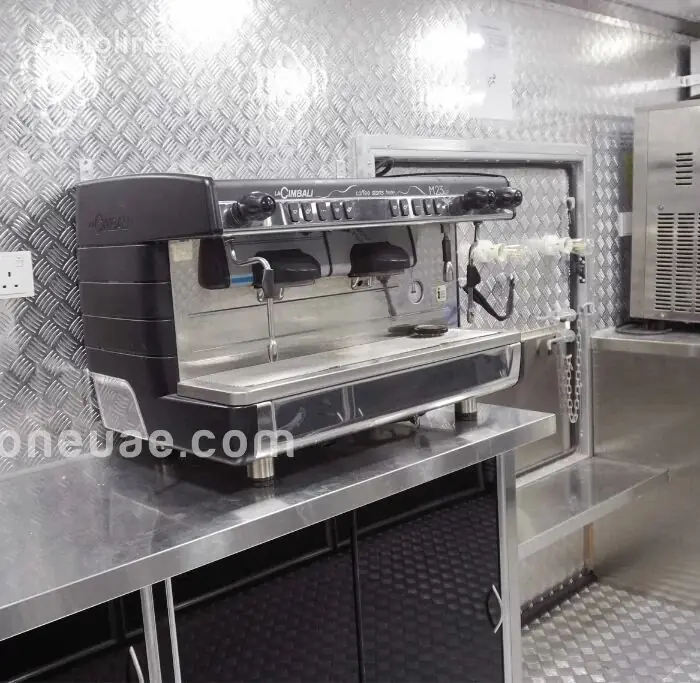
DISCOVER THE CATERING EQUIPMENT & LAYOUT
Work Surfaces, Cabinets and Secure Storage
Cabinets and tables are advertised, and the gallery shows storage above and below the work areas. Ask for usable internal dimensions rather than judging capacity from closed doors. Allocate dedicated positions for ingredients, packaging, personal items, cleaning materials and waste.
Check transport locks, shelf retention and appliance mountings with the converter. Items that remain stable while parked also need an appropriate travel arrangement. Confirm which components are removable, how heavier supplies are loaded and how service technicians reach connections without dismantling unrelated cabinetry.
Build replenishment into the layout. A menu that needs frequent restocking may require access to a support facility, even when the truck carries water and power equipment. Practical storage planning protects the working aisle and helps operators maintain a repeatable cleaning routine.
Generator, Electrical Distribution and External Power
A generator and electrical panel are listed. Their manufacturer, output, fuel, voltage, frequency and protective devices are not specified in the information reviewed. A generator mention does not establish that every installed appliance can run together, or that the truck operates for a stated duration.
Request a load schedule covering normal demand and starting loads for the actual appliances, air conditioning, pumps and any water heater. Ask a competent electrical specialist to review compatibility, cable sizing, protective devices and the installation documents. Identify which loads have priority during service.
External power, batteries, an inverter and solar provision are not confirmed. If shore power is required, specify the inlet, supply rating, earthing, changeover and operating procedure. Confirm whether the generator is portable or permanently installed, and obtain its approved placement, exhaust and service arrangements.
Freshwater, Wash Basin and Greywater Management
The listing names a wash basin and separate clean-water and greywater tanks. Capacities, tank materials, hot-water provision and the number or purpose of sinks are not specified in the information reviewed. The advertised 100-litre figure concerns vehicle fuel, not washing water.
Plan potable water for the menu, handwashing, equipment cleaning and the service period. Request the filling point, pump specification, drainage diagram, tank-cleaning access and level monitoring arrangements. Greywater storage and an authorized disposal point should form part of the deployment plan.
Agree washing facilities with the relevant local authority before finalizing the conversion. One basin does not prove that separate handwashing and utensil-washing needs are met. Official UK mobile-food guidance illustrates the importance of that separation; requirements for the actual operating jurisdiction must be checked locally.
Refrigeration, Ventilation and Air Conditioning
A freezer and split air-conditioning unit are advertised. Ask for appliance identity, intended storage conditions and suitable temperature monitoring. Identify which ingredients need frozen storage, which need chilled storage and how deliveries will be transferred into the truck.
Comfort cooling and cooking extraction serve different purposes. An air-conditioning unit does not establish removal of cooking fumes or grease. If hot-food preparation is proposed, the appliance, extraction, make-up air and fire arrangements must be designed around that menu and installation.
Discuss heat from appliances, access for condenser cleaning and the conditions under which equipment performance is supported. Require documented operating limits and commissioning results rather than a general promise that the interior will remain at a particular temperature everywhere.
Technical Specifications and Equipment Tables
| Specification | Published Information | Buyer Confirmation Needed |
|---|---|---|
| Identity | Mitsubishi Mobile Kitchen; description references Fuso | Exact chassis code, year and VIN; Canter badge alone is insufficient |
| Engine | Diesel; four cylinders reported | Engine model, displacement, power and torque; clarify “4.2 TON” |
| Transmission / drive | Five-speed manual; “2×4” wording | Actual gearbox and drivetrain |
| Dimensions | 6.03 × 2.03 × 2.21 m in listing fields; detail text gives 2.035 m width | Chassis versus completed-body dimensions and all operating clearances |
| Weights / payload | Not specified in the information reviewed. | Completed weight, axle loads and remaining payload |
| Cabin / chassis features | Three seats, two axles, ABS, airbag and cabin AC advertised | Vehicle-specific records, steering position and final safety equipment |
| Vehicle fuel tank | 100 litres advertised | Confirm actual tank; not freshwater capacity |
| Body construction | Aluminium frame, metal subframe, fiberglass exterior, chequer-plate interior advertised | Materials schedule, cleanability and food-contact surfaces |
| Year / mileage / wheelbase | Not specified in the information reviewed. | Identification, registration and dimensional records |
| Facility or Equipment | Evidence Status | Practical Application |
|---|---|---|
| Coffee machine | Advertised; machine visible in gallery | Beverage preparation subject to documented model and accessories |
| Freezer / ice-cream machine | Advertised; exact models unspecified | Menu-specific frozen storage and dessert service |
| Counters / cabinets | Advertised and visible | Preparation and organized storage; confirm dimensions and restraints |
| Wash basin / tanks | Basin and clean/greywater tanks advertised | Specify washing duties, hot water, tank capacities and drainage |
| Generator / panel | Advertised; ratings unspecified | Confirm load schedule, protection and approved installation |
| Split AC / lighting | AC advertised; interior cooling unit and lighting visible | Comfort and task visibility; not cooking extraction |
| Refrigerator / shore power | Not specified in the information reviewed. | Specify if required; do not assume supplied |
| Cooking / LPG / extraction | Not specified in the information reviewed. | Only include in menu planning after equipment and installation are agreed |
VIEW CURRENT PRICE & AVAILABILITY
Mobile Catering Applications and Business Planning
Coffee and beverage service is the clearest match to the advertiser’s description. Potential locations include permitted event pitches, corporate premises and hospitality sites. Frozen-dessert service may also be considered where the supplied machine, ingredient storage and cleaning arrangements support it.
Institutional refreshment teams and private caterers can assess a truck for temporary service points, while branded businesses may value a consistent presentation at different venues. Each application depends on the final configuration, trained staff, site permission and relevant food-business approvals.
Build the business plan from a menu and service schedule. Identify purchasing, preparation, replenishment, travel, setup, cleaning and maintenance tasks. Use supplier quotations and the operator’s own demand research for financial planning. The vehicle advertisement does not establish profitability, staffing efficiency or a payback period.
Food Hygiene, Cleaning and Waste Management
A mobile workspace still needs a food-safety system appropriate to the menu. Plan ingredient separation, allergen information, cleaning schedules and temperature controls before service begins. Record how staff receive stock, monitor storage conditions and keep packaging and utensils protected.
Agree the cleaning products and methods for each appliance and finish. Store chemicals separately from food and follow the applicable labels and safety data. Provide suitable refuse containers and arrange collection so waste does not accumulate in the working area or customer queue.
UK council guidance is useful planning context for potable water, separate washing facilities and contained wastewater. It is not approval for this offered build or a statement of law in every country. Verify local registration, hygiene, inspection and disposal requirements with the authority responsible for the intended locations.
Operator Safety and Fire Precautions
Review hot surfaces, hot liquids, electrical connections, lifting, slips and the space available around operators. Keep exits and the working aisle accessible, secure equipment for travel and provide training tied to the supplied manuals. Fire precautions must reflect the appliances and fuels actually installed.
Generator exhaust requires deliberate planning. CDC workplace guidance identifies carbon monoxide risks from combustion equipment, especially in enclosed or partly enclosed spaces. Portable equipment must be positioned according to authoritative guidance and its manufacturer’s instructions; a built-in installation needs documented ventilation and exhaust design.
Do not treat an open serving hatch or running air conditioner as proof of safe exhaust control. Confirm the installation with competent specialists. If LPG is included in a later specification, obtain the relevant cylinder storage, restraint, ventilation, inspection and operating documentation before acceptance.
Transportation, Parking and Deployment
Assess the route and destination using completed-vehicle dimensions and weight. A serving hatch, staff step or customer queue can require additional space beyond the parked footprint. Agree level parking, secure setup, access for replenishment and a safe separation between pedestrians and moving vehicles.
Before travel, follow the converter’s procedure for appliances, loose supplies, hatches and connections. At the pitch, confirm utilities and waste arrangements before opening. Site access or a mobile food-business registration does not automatically grant permission to trade at every location.
Current Seller Offer — Verified 27 October 2026
“Verified” here means that published listing information was checked on this date. It does not establish inspected condition, ready stock, appliance performance or operational readiness.
Advertised product: Mitsubishi Mobile Kitchen food truck, Autoline WU43735.
Advertiser: Autozone UAE.
Product location: Ajman, United Arab Emirates.
Condition: Advertised as new.
Asking price: On request.
Exact chassis, year and mileage: Not specified in the information reviewed.
The published configuration describes a Fuso-based coffee truck with coffee and frozen-dessert equipment, cabinets, wash basin, generator, split AC, water tanks and an electrical panel. Confirm the final schedule and quotation. Stock or production status, lead time, commissioning, training, warranty and after-sales arrangements were not specified in the information reviewed.
Delivery destinations, shipping arrangements, and applicable transport terms were not specified in the information reviewed. Prospective buyers should confirm these details directly with the seller.
Request a written proposal identifying collection arrangements, freight charges, insurance, export documentation, applicable Incoterms and responsibility for registration. A supplier’s general international activity does not establish a delivery commitment for this vehicle.
What Buyers Should Confirm Before Purchasing
Begin with a menu and a layout brief. Give the seller an appliance list, proposed service locations and anticipated utility connections. Ask for a dimensioned drawing and a quotation that distinguishes standard supply, selected options, installation work and exclusions.
Request the VIN and chassis records, completed weight report, appliance schedule, electrical load calculation and water-system drawing. Establish which surfaces contact food, where staff wash hands and utensils, how ingredients are stored and how equipment can be serviced.
Agree acceptance checks before payment milestones: document review, demonstration of installed systems, suitable temperature monitoring, leak checks, protective-device verification and a handover package. Define who performs commissioning and what evidence is supplied. These are purchasing criteria, not claims that this review performed those checks.
Finally, confirm local operating approvals, vehicle registration, insurance, spare parts and support in the destination country. A conversion warranty and an appliance warranty may have different terms. Record the responsible party and service route for each part of the package.
Frequently Asked Questions
Is this a mobile kitchen or a coffee truck?
It is advertised as Mitsubishi Mobile Kitchen, while the description focuses on a coffee shop with frozen-dessert equipment. Confirm the proposed menu and final configuration; the name alone does not establish a full cooking installation.
What exact Mitsubishi chassis is offered?
The description references Fuso and the photograph shows a Canter badge. The precise chassis code, year and market variant need vehicle records. Do not interpret “4.2 TON” as engine displacement or a confirmed weight rating.
Which catering appliances are included?
A coffee machine, freezer and ice-cream machine are advertised. Obtain an itemized quotation with models, quantities, accessories and installation scope before treating them as contractual inclusions.
Does it include cooking equipment or extraction?
An oven, grill, fryer, LPG system and cooking extraction are not specified in the information reviewed. If needed, include them in an agreed menu-specific design.
Are a grinder and refrigerator supplied?
Neither is established by the reviewed equipment list. A freezer is listed; confirm separate chilled storage, coffee accessories and water treatment where required.
Can the generator run every appliance together?
Its rating and a simultaneous load schedule are not published. Ask for normal and starting loads, generator documentation and the approved electrical arrangement.
What are the water capacities and washing facilities?
Clean-water and greywater tanks and a basin are advertised, but capacities, hot-water provision and separate washing arrangements need confirmation. The 100-litre published figure refers to vehicle fuel.
How many people can work inside?
Three seats are advertised, which does not establish safe catering-body staffing. Assess the dimensioned layout, tasks, access and operating requirements.
What permits and training are needed?
Requirements depend on location and menu. Confirm food-business approvals, trading permission, vehicle registration, insurance and staff training with the relevant authorities and suppliers.
What are the price, location and availability?
At the dated review check, the published location was Ajman, United Arab Emirates and the asking price was on request. Ready stock and delivery readiness were not confirmed.
Does the seller offer international delivery and support?
Product-specific destinations, freight terms, lead time, warranty and support arrangements were not specified in the information reviewed. Request a written destination-specific proposal.
Final Verdict
The Mitsubishi Mobile Kitchen presents a useful starting point for buyers planning a coffee and beverage operation with an advertised frozen-dessert component. The original photographs make the exterior and working layout tangible, while the published equipment list provides a basis for a detailed procurement brief.
Its suitability should be decided through the actual menu, final equipment schedule, utilities, vehicle records and operating permissions. Agree those elements together, then evaluate the completed package against documented acceptance criteria. That approach turns an attractive truck into a clearly specified business asset.
Sources and Editorial Method
Research checked 27 October 2026: Autoline advertisement WU43735, reached through the publisher’s affiliate link, and its five-image gallery. Specifications above remain advertiser-reported unless described as photographic observations. No physical inspection, seller contact, road test or appliance trial was performed.
The converter’s separate mobile kitchen page identifies a Peugeot Boxer. It was reviewed but its vehicle specifications and equipment were not transferred to this Mitsubishi. No matching chassis-specific official document or itemized appliance manual was established. No product-specific advertiser video was identified in the reviewed material.
Planning references: Bradford Council mobile food-business guidance, Babergh mobile food-business guidance, and CDC/NIOSH carbon monoxide hazards at work. These inform general planning, not certification or approval of this vehicle. Original media and generated editorial artwork are captioned separately.
Explore more Product Reviews and practical HSSE articles. These are verified existing site archives; other product reviews do not establish specifications for this truck.
Join the Conversation
If you were choosing a mobile catering truck, which would shape your decision most—menu equipment, workspace layout, reliable power or water capacity? Share your priorities and experiences in the comments below.
Your experience matters
Share your thoughts on this page
Have a question, a useful experience or a suggestion? Add your input below.
Comments are public. Keep them respectful and relevant. Do not share contact details, confidential information or emergency reports.
Comments on this page
Loading comments…