Product Reviews · Compaction Equipment · 6 min read
Hydraulic Reversible Plate Compactor Review: Prepare the Ground for the Next Step
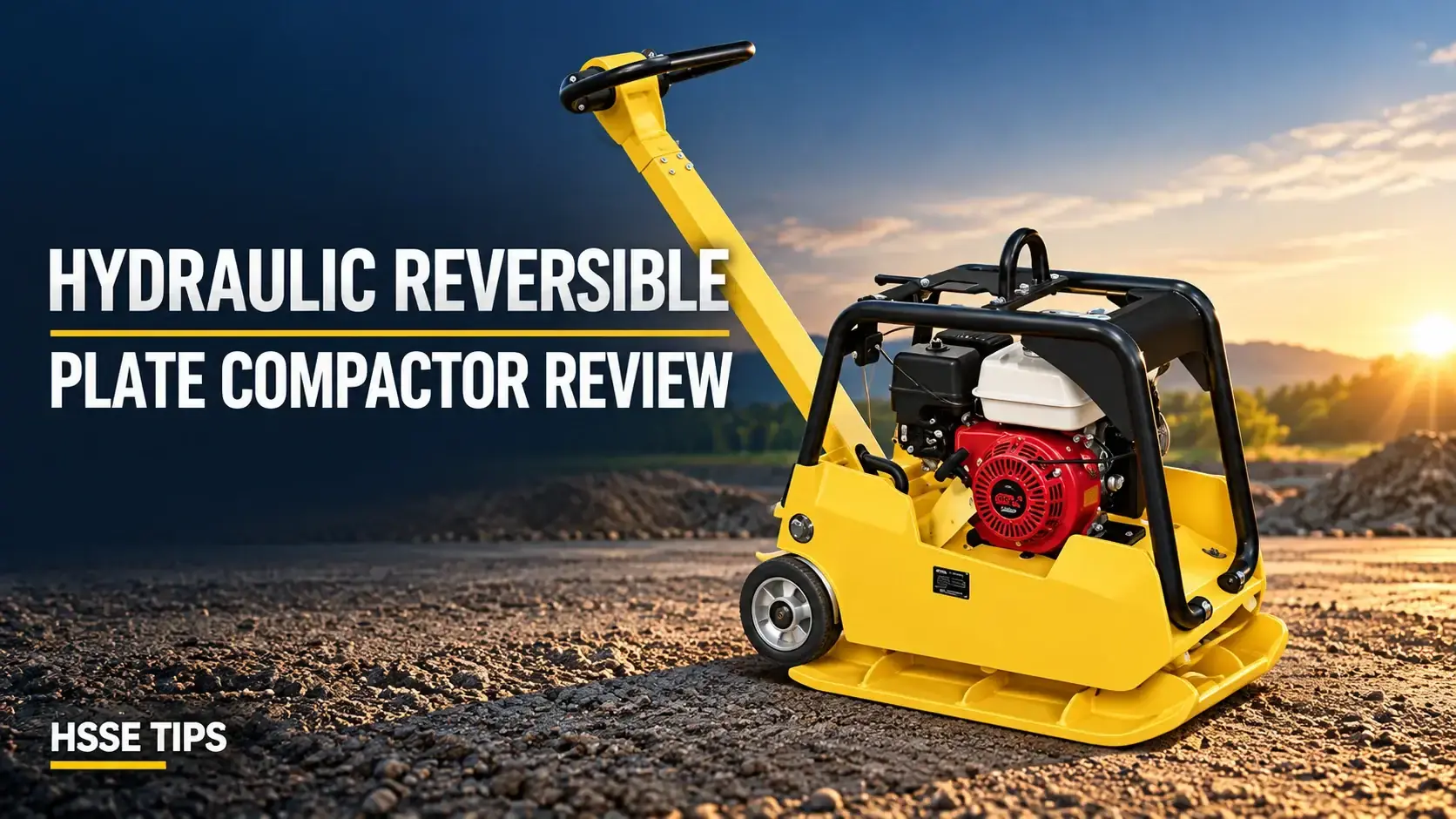
A good surface starts below the surface. Before paving, patching or finishing a prepared area, the compaction plan needs equipment suited to the material and the working space. This hydraulic reversible plate-compactor offer gives buyers a walk-behind machine format to explore for approved soil, base and asphalt-related tasks.
The supplied seller graphics show yellow plate compactors, several model and engine options, and close-ups of handles, plates, guards and water-tank arrangements. A short supplied clip shows a similar machine operating alongside a wall. Together, they provide useful starting points for a configuration-specific enquiry.
This is a desk-based review of supplied seller materials and demonstration footage, not a hands-on test or an independent compaction assessment. The affiliate URL redirects to AliExpress, but its live item details could not be independently read. Confirm the current model, hydraulic reversing system, included equipment and delivered terms with the seller.
What the supplied product materials show
| Product offered | Hydraulic reversible plate compactor; confirm the selected reversing system |
|---|---|
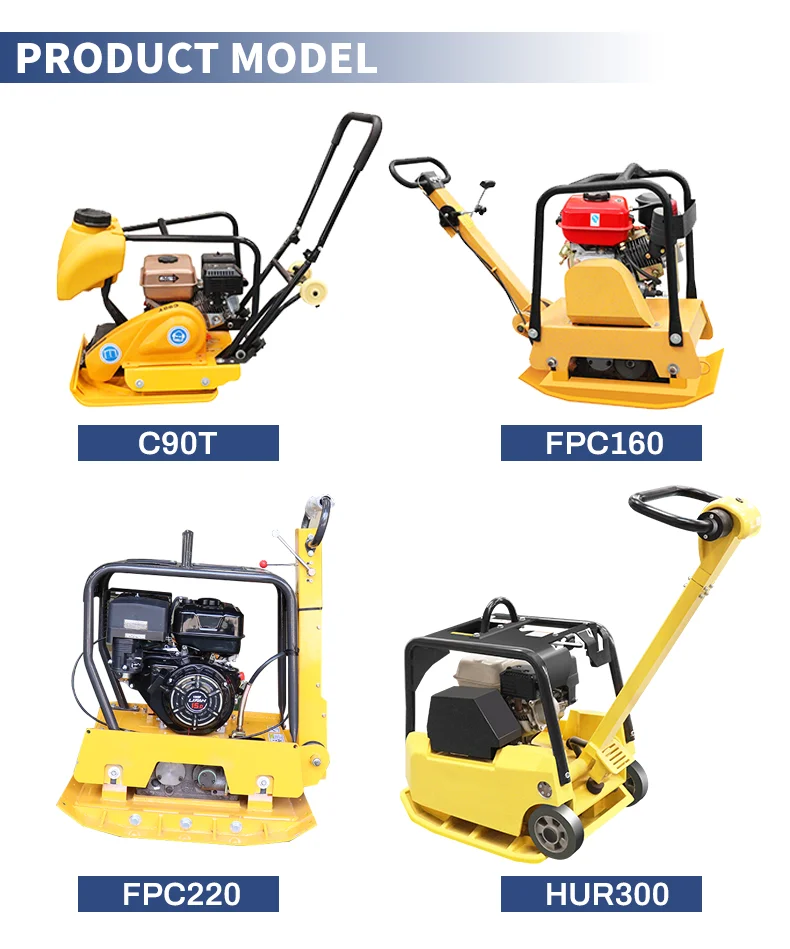
| Models in supplier panel | C90T, FPC160, FPC220 and HUR300 |
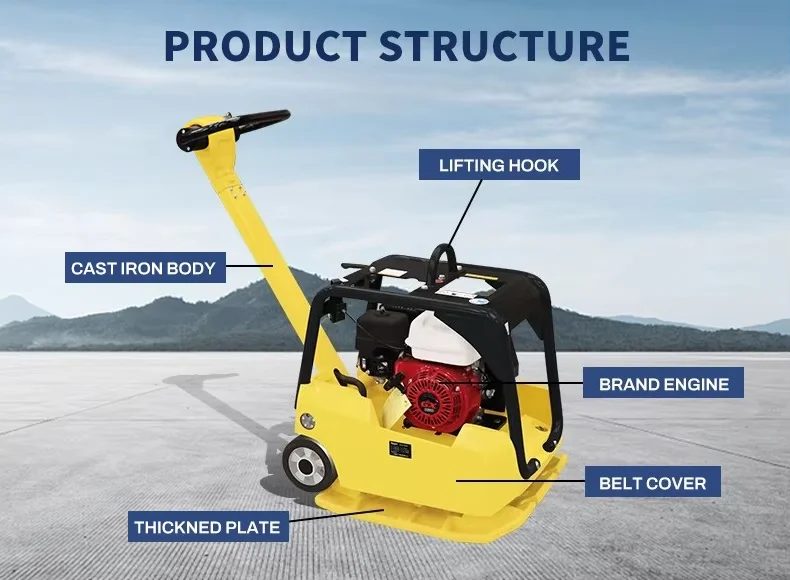
| Structure labels | Body, plate, engine, lifting point and belt cover |
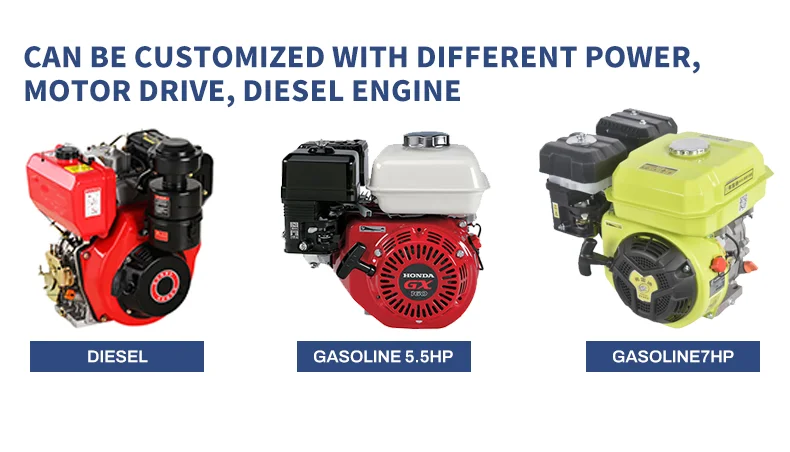
| Engine-option graphic | Diesel and petrol examples; petrol images labelled 5.5 HP and 7 HP |
| Pictured range details | Water tanks, folding-handle arrangement and transport wheels |
| Supplied demonstration | Approximately 15 seconds; model and engine to be confirmed |
The model panel presents a range rather than one complete specification sheet. Ask which machine the quotation covers, then obtain its operating mass, plate dimensions, vibration frequency, centrifugal force, travel controls and approved applications. Keep those details tied to the exact engine and equipment package.
Reversible movement: discuss the control arrangement
The offer is described as a hydraulic reversible plate compactor. The practical feature to ask the supplier to demonstrate is controlled forward and reverse travel, together with the start, stop and direction-control arrangements.
For a work area bounded by a wall or another fixed feature, those controls are relevant to planning the machine’s route. Send the seller a sketch showing the working width, access and clearances. Request a demonstration of the selected machine in a representative setting and follow its operating manual for positioning and use.
Have the supplier identify the reversing system and its maintenance requirements in writing. A range photograph or a push-pull handle description should be matched to the actual machine’s controls before the purchase is finalised.
Look closely at the plate, frame and belt cover
The supplied structure graphic labels a cast-iron body, lifting hook, engine, belt cover and thickened plate. The photograph also shows a black protective frame, a yellow angled handle and a small transport wheel.
These details make a useful inspection checklist. Ask the seller to confirm the plate material and dimensions, guard arrangement, transport-wheel equipment and the designated lifting point. Obtain the lifting and transport instructions and the actual machine weight before arranging handling.
For service planning, request the belt, mounting, plate and hydraulic-component references that apply to your selected version. A clear parts list helps you prepare routine maintenance and identify the correct replacements later.
Engine options and the quoted power rating
The engine-options panel depicts diesel and petrol packages, with petrol examples labelled 5.5 HP and 7 HP. The supplied video filename advertises 6.5 HP. Ask for the actual engine make, model, fuel type and power-rating basis on the machine quoted.
Confirm the engine plate and available service documentation, along with the start and stop controls and destination-specific requirements. Choose the package around the approved application, working environment and parts support you need.
Pictured water tanks, handles and transport details
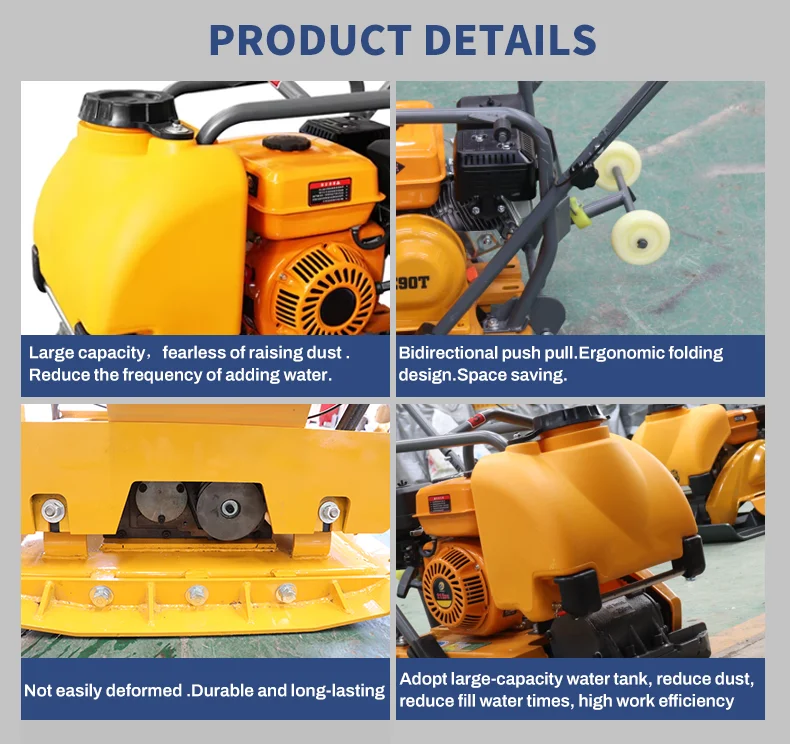
The detail panel includes water-tank views, plate and drive close-ups, and a folding-handle arrangement with small transport wheels. Its accompanying text describes bidirectional push-pull operation.
Ask which features are fitted to your selected model. If the work includes asphalt, confirm the approved watering arrangement and its intended use with the supplier. Request tank capacity, delivery controls and maintenance information where applicable.
For moving and storing the machine, establish the handle positions, transport-wheel setup, securing points and the space needed. Use the manufacturer’s instructions for folding, lifting and loading.
Watch the supplied plate-compactor demonstration
Approximately 15 seconds of supplied footage showing a yellow plate compactor working alongside a wall, with a Jincheng Machinery watermark. The clip provides visual context; request a current demonstration identifying the model and engine in your quotation. It is not proof of density, compaction depth or operating instructions.
Where could this equipment fit?
The supplier’s application panel proposes backfill soil compaction, asphalt-pavement repair, roadbed compaction and stabilised-soil work. Suitability depends on the selected model, material and the project’s compaction requirements.
- Backfill and base preparation: confirm the material, layer thickness and acceptance criteria with the responsible person.
- Asphalt-related work: identify the approved plate and watering configuration for the intended repair or finishing task.
- Restricted working areas: measure the route, operating width and clearances before selecting the machine.
- General contractor support: compare the machine’s documented capabilities with the tasks performed most often.
Describe the material, work area, access and required result in the enquiry. Agree the compaction method and verification arrangements with the responsible project professional. A supplier demonstration is a useful equipment reference; project acceptance should use the required checks.
Plan operator exposure and the working environment
Arrange training for the selected compactor and follow its manual for operating controls, refuelling, inspection and maintenance. Establish a clear working area and suitable protection for the task, including any required hearing, eye and foot protection.
Request the machine’s vibration and noise information and assess exposure for the actual work pattern. HSE’s construction-vibration guidance recommends assessing exposure, selecting suitable equipment, maintaining it and managing working practices. A handle photograph does not establish a measured vibration value.
For a petrol-powered version, assess exhaust and ventilation before use. HSE identifies indoor and enclosed work areas, including excavations, as settings where carbon monoxide can accumulate. Have the competent person plan an appropriate equipment choice and controls for the location.
A ready-to-use seller enquiry
Check what the offer includes: the complete machine, selected engine, accessories, documentation and packing. Agree shipping, import and unloading arrangements where applicable, and obtain the final delivered quotation in writing.
Our view: connect the machine to the material
The supplied materials present a walk-behind compactor range with reversible-machine options, multiple engine packages and clearly pictured construction details. The diagrams, close-ups and short clip make it easier to prepare a targeted purchasing enquiry.
For buyers planning soil, base or asphalt-related compaction, the next step is to confirm one complete configuration against the work brief. Match the technical data, controls and equipment to the approved task, then agree documentation, delivery and support.
Frequently asked questions
Which model names appear in the supplied graphic?
C90T, FPC160, FPC220 and HUR300. Ask which model and reversing arrangement the current offer supplies.
What engine power does the offer include?
Confirm the actual engine and power rating with the seller. The supplied materials show multiple engine options and use different promotional power references.
Does every version include a water tank?
The detail panel shows water-tank-equipped examples. Obtain a written equipment list for the exact version you select.
How should compaction depth be confirmed?
Request the model’s approved material and layer information, then agree the method and acceptance checks required by the project. No tested depth is established by the supplied clip.
Sources and editorial information
- User-supplied structure, model, engine, detail and application graphics, plus duplicate copies of the same demonstration video.
- HSE construction-vibration guidance — general exposure-planning reference.
- HSE carbon-monoxide guidance — general work-environment reference.
Prepared 13 October 2026. Confirm the exact current product, specification and delivered terms with the supplier. No third-party model specifications, performance ratings or certifications have been assigned to this offer.
Explore more equipment reviews · Plan your pre-work checks
HSSE TIPS — Worksite Safety Hub
Every Task. Every Person. Home Safe.
Your experience matters
Share your thoughts on this page
Have a question, a useful experience or a suggestion? Add your input below.
Comments are public. Keep them respectful and relevant. Do not share contact details, confidential information or emergency reports.
Comments on this page
Loading comments…