HSSE TIPS · Product Reviews · Geotechnical Drilling Equipment
Diesel-Powered Hydraulic Crawler Geotechnical Drilling Rig Review: SPT, Coring Applications & Buying Guide
Introduction — Bringing Ground Investigation to the Worksite
Before a foundation is designed or an earthworks program begins, the project team needs useful information about the ground. A drilling rig helps obtain that information when it is matched to the investigation method, sampling tools and site conditions.
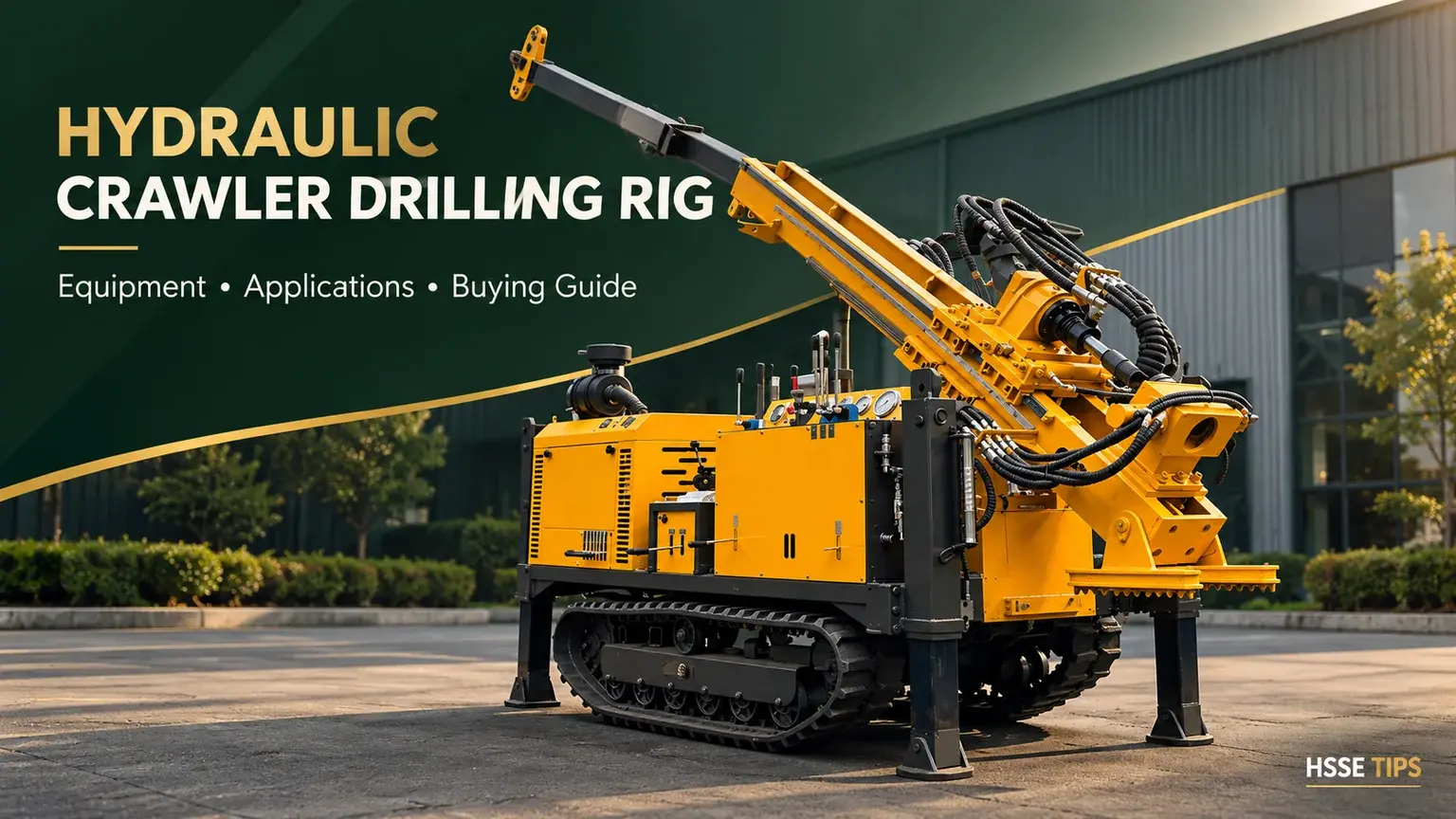
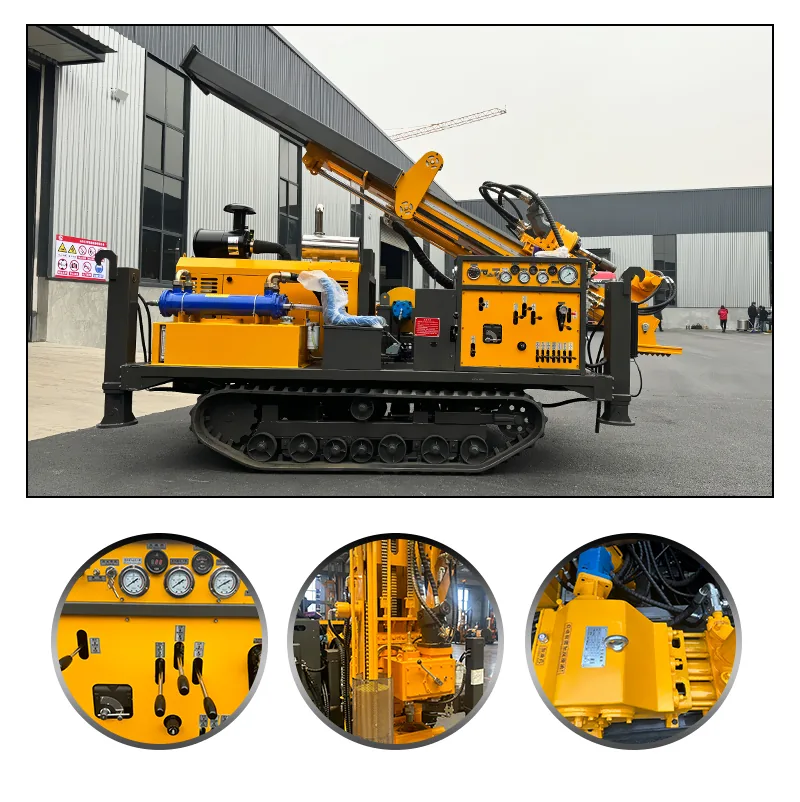
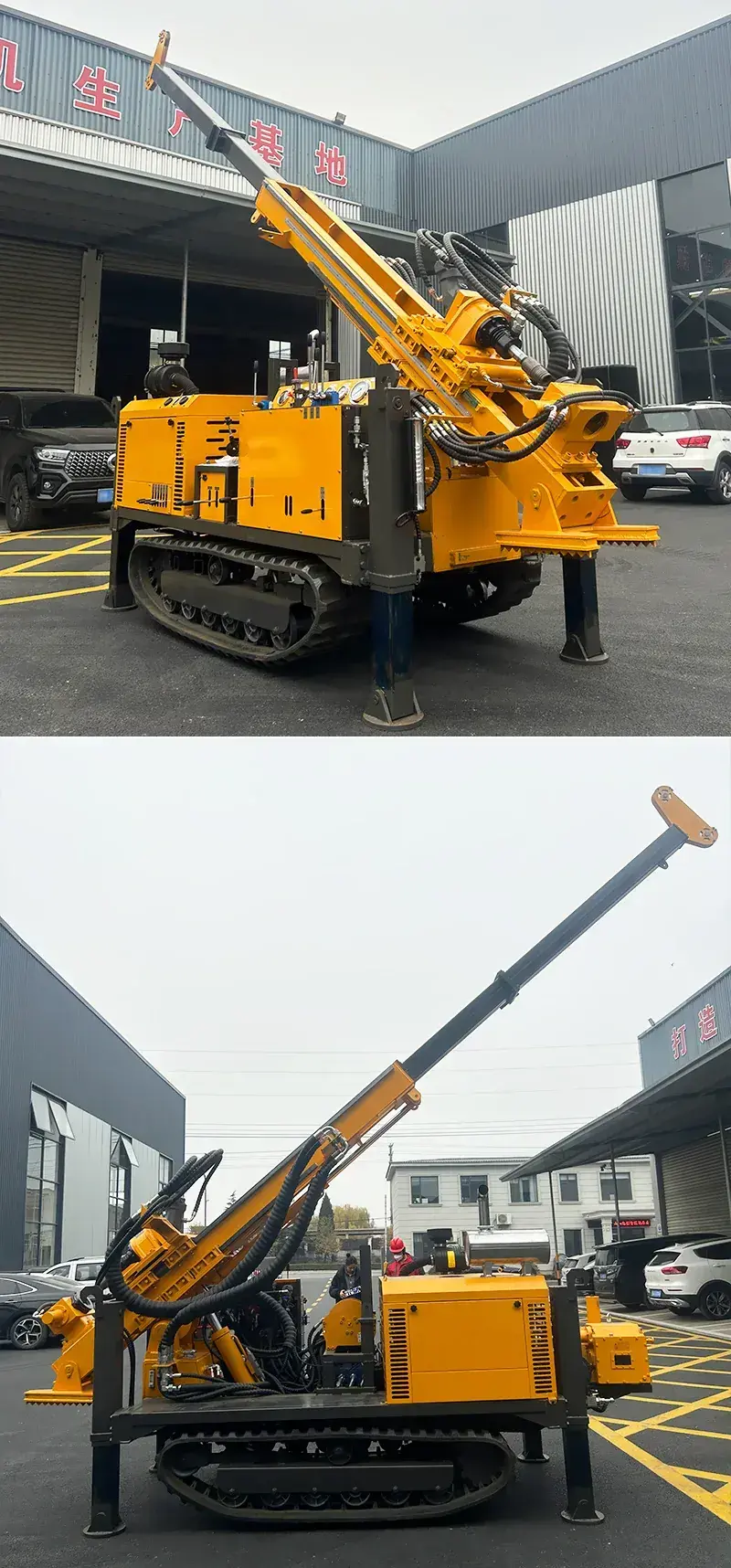
This diesel-powered hydraulic crawler rig is presented through supplier photographs and a short demonstration video. Its tracked undercarriage, mast, rotary-head arrangement, hydraulic lines, stabilizing legs and gauge-and-lever console provide a practical starting point for evaluating a mobile drilling package.
For contractors, consultants and equipment buyers, the central question is straightforward: can the complete quoted package carry out the specified investigation? This review explains the visible configuration, separates SPT from coring, and identifies the documents needed to turn an attractive machine into a defined procurement.
Affiliate Disclosure: Worksite Safety Hub may earn a commission if you make a qualifying purchase through links in this article. This does not change the price you pay.
EXPLORE THE HYDRAULIC CRAWLER DRILLING RIG
Hydraulic Crawler Geotechnical Drilling Rig Overview
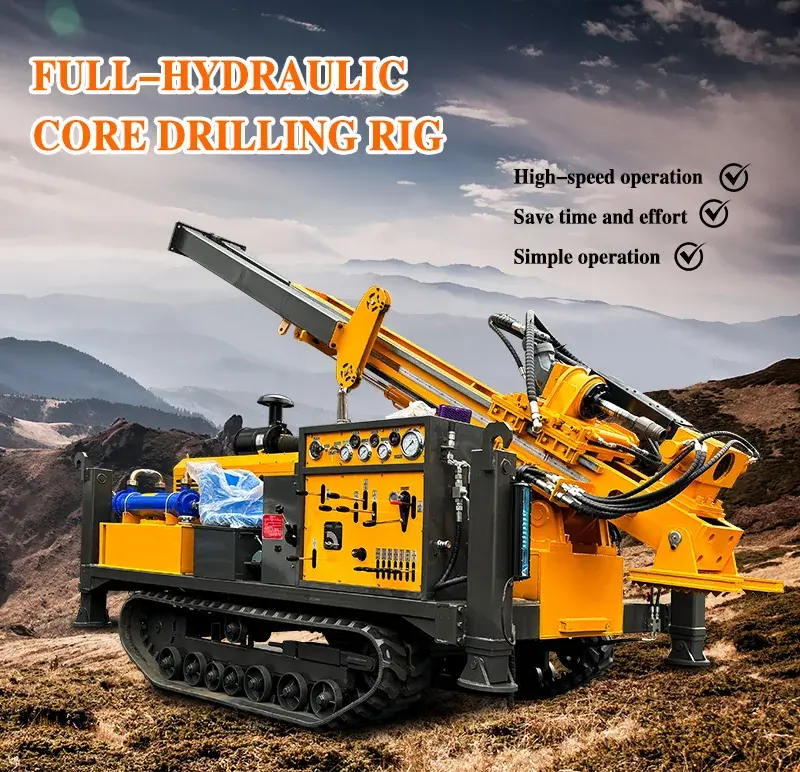
The supplied media describe a full-hydraulic core drilling rig. They show a yellow machine with a dark chassis, crawler tracks and an inclined mast. The submitted video depicts the drilling assembly working beside the machine, but does not establish drilling depth, sample quality or a complete test sequence.
The affiliate link redirected to an AliExpress short link during our check. The destination returned “Site Unavailable,” so an exact item number, current specification sheet and purchasable configuration could not be confirmed. The observations below concern the supplied media, rather than an independently inspected machine or a verified ready-stock offer.
Product Identity, Manufacturer and Configuration
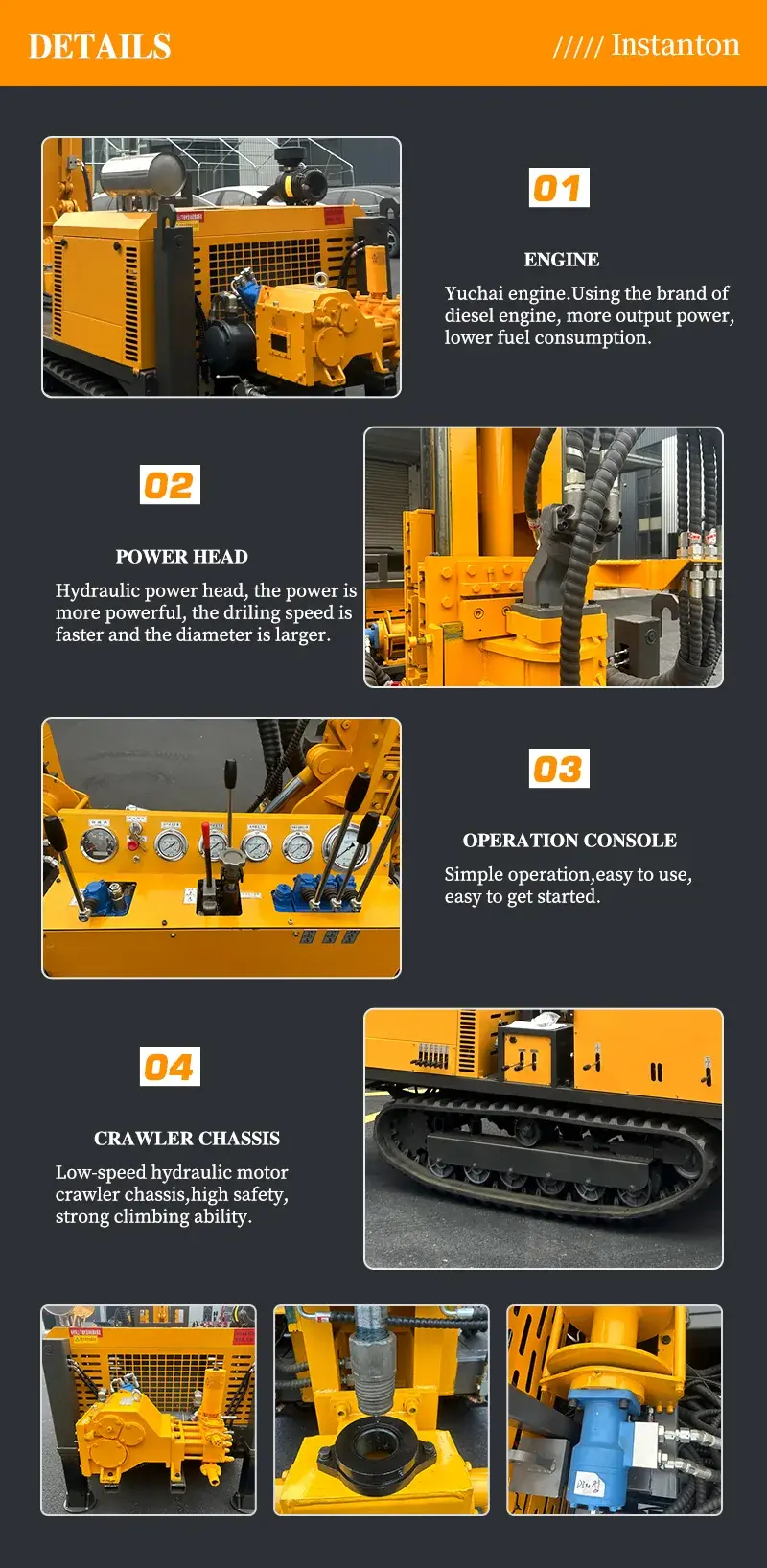
The component graphic carries the name “Instanton” and identifies the engine as Yuchai. These are supplier-media statements; the exact rig manufacturer, model, serial number and engine designation remain unconfirmed. A readable machine plate and engine plate should accompany the quotation.
Request a configuration-specific manual and a signed equipment schedule. Identify which photographs depict the offered build, which show examples, and which accessories are separately priced. This matters because similar-looking rigs can be supplied with different heads, pumps, rods and sampling systems.
Diesel Engine and Hydraulic System
A diesel-engine enclosure, hoses and hydraulic components are visible. The supplier graphic promotes a Yuchai engine, but does not provide a confirmed model, rated power, emissions specification or fuel-consumption test. Its comparative power and fuel-economy language is not adopted as a measured finding here.
Ask for the engine data sheet, destination-market documentation and service requirements. For hydraulics, obtain the circuit diagram, pump identification, operating limits, fluid specification and filtration schedule. Confirm service access and local availability of filters, seals, hoses and compatible fittings before agreeing the maintenance package.
Rotary Head, Mast and Feed Arrangement
The photographs show a rotary-head assembly carried on a mast with hydraulic lines and a feed arrangement. This layout is relevant to positioning and advancing drilling tooling, but photographs cannot establish torque, spindle speed, feed force, pullback capacity or usable stroke.
Request those ratings together with their operating conditions. A maximum figure should identify the selected speed range, tooling, borehole diameter and ground assumptions. Obtain the permitted mast positions and setup procedure; the inclined mast in a photograph does not establish an approved drilling-angle range.
Crawler Chassis, Stabilizers and Site Access
The machine is shown on crawler tracks with stabilizing legs. This configuration is relevant to movement around a prepared worksite and setting the rig into its working position. Rated travel speed, gradient capability, ground pressure and operating mass were not established.
Assess the complete access route: gate widths, turning areas, ground bearing, slopes, edges and the setup footprint. Use the supplier’s limits and competent site assessment rather than the mountain backdrop in the promotional image. Agree whether ground protection or supporting mats are needed for the planned locations.
SPT Capability: Specify the Complete Testing Package
Standard Penetration Testing is a defined field-testing operation, not another name for rotary drilling. The submitted video filename mentions SPT, but a filename does not verify the supplied hammer, release mechanism, sampler, rods or test documentation.
If SPT is required, specify the applicable project standard and ask for the complete compatible assembly, operating instructions and relevant energy-measurement records. FHWA guidance explains that SPT results depend on equipment and hammer energy. The engineer should agree recording and interpretation requirements; this review does not certify the rig or provide a field-test procedure.
Soil Sampling and Rock-Coring Applications
Rotary drilling creates or advances a borehole; sampling retrieves material for assessment. Rock coring requires an appropriate core barrel, bits, rods and flushing arrangement. Soil sampling may require a different set of tools and handling procedures.
Specify the formations, target depths, hole sizes, sample requirements and reporting scope before requesting a package. Ask the supplier to identify the supported method and tooling for each task. Neither the “core drilling” headline nor the machine’s appearance establishes core recovery, sample disturbance, production rate or suitability for every formation. CPT, down-the-hole drilling, piling and water-well capability are not confirmed here.
Drill Rods, Pumps, Accessories and Support Equipment
A useful quotation extends beyond the machine. Request an itemized list of rods, casing, bits, barrels, adapters, clamps and handling tools, with dimensions, connections and quantities. Confirm which consumables are included and which must be purchased for the first project.
The media show auxiliary components, but their identification and ratings require documentation. If a flushing or mud pump is offered, confirm its model, pressure, flow, connections and compatible fluids. A compressor, water tank, generator, rod rack or recovery system should only be treated as included when listed in the accepted offer.
Controls, Inspection and Maintenance
The console has multiple gauges and levers. Their functions, ranges, labels and protective features should be explained in the manual and commissioning demonstration. The graphic’s “simple operation” wording does not replace task-specific operator training.
Agree pre-use checks, service intervals, fault reporting and isolation procedures. Include access to engine service points, hydraulic filtration, hoses, track adjustment and mast components. Ask for illustrated parts information and a named route for technical support. Record who supplies replacement parts and how warranty claims will be handled at the buyer’s destination.
DISCOVER THE DRILLING FEATURES & EQUIPMENT
Technical Specifications and Equipment
Use these tables to structure a supplier enquiry. “Visible” describes the supplied media; it does not establish the final delivery package. Where numerical data are absent, obtain a configuration-specific schedule rather than adopting figures from a similar machine.
Vehicle and Rig Specifications
| Specification | Published Information | Buyer Confirmation Needed |
|---|---|---|
| Rig identity | Full-hydraulic core drilling wording; Instanton name in graphic | Manufacturer, model, serial number and quoted build |
| Power source | Diesel described; Yuchai named in supplied graphic | Engine plate, model, rated output and emissions documents |
| Rotary and feed system | Hydraulic head, mast and lines visible | Torque, speeds, feed force, pullback and stroke |
| Crawler chassis | Tracked undercarriage visible | Mass, ground pressure, travel and gradient limits |
| Stabilizers | Support legs visible | Setup footprint, support loads and approved procedure |
| Depth and diameter | Not specified in the information reviewed. | Method-, tooling- and formation-specific capacity |
| Dimensions and transport mass | Not specified in the information reviewed. | Stowed dimensions, lifting points and shipping weight |
| Compliance and documentation | Not specified in the information reviewed. | Applicable machine documents for destination and use |
Drilling Equipment and Accessories
| Equipment | Evidence Status | Practical Application |
|---|---|---|
| Mast and rotary head | Visible in supplied photographs | Tool positioning and rotary drilling, subject to ratings |
| Gauge-and-lever console | Visible; functions not documented | Machine control and indication |
| SPT assembly | Complete inclusion not established | Required separately specified package for SPT |
| Core barrels, bits and rods | Models and quantities not established | Method-specific coring package |
| Pumps and flushing connections | Auxiliary components visible; identities unconfirmed | Confirm agreed circulation system |
| Guards, stops and isolation | Complete arrangement not established | Review documented protective systems at acceptance |
| Service kit and spares | Not specified in the information reviewed. | Maintenance and planned replacement support |
VIEW CURRENT PRICE & AVAILABILITY
Geotechnical and Commercial Applications
Potential buyers include ground-investigation contractors, engineering consultancies, construction firms and research teams procuring field equipment. Candidate work could include foundation investigations, infrastructure studies or geological sampling when the agreed rig and tooling support the engineer’s scope.
Evaluate the machine against an actual work program. For example, a soil investigation requiring SPT needs a documented testing package; a rock investigation needs an appropriate coring setup and sample-management plan. These are different purchasing decisions even when one carrier can be configured for both. Assess utilization, crew requirements, consumables and service support without assuming revenue or profitability.
Safe Operation and Crew Planning
Prepare a site-specific work plan with competent personnel. Locate underground services, assess overhead obstructions and electricity risks, and establish suitable ground support before moving or raising the mast. HSE’s work-near-electricity guidance supports planning, service information and appropriate detection; local requirements and utility-owner instructions govern each site.
Review guarding, emergency controls, rod-handling arrangements and separation from moving parts. Keep clothing and personnel clear of rotation, feed and pinch zones. Secure rods and tools, control pedestrian and vehicle access, and agree communication between the operator and assistants.
Maintenance must address stored hydraulic energy and supported loads. HSE warns that pressurized fluid can penetrate skin: do not search for leaks with bare hands, and use the manufacturer’s isolation and pressure-release procedure. Plan diesel-exhaust control, fire precautions, noise and dust assessment, task-appropriate PPE and emergency arrangements. The supplier video should not be treated as a complete safe system of work.
Environmental Management and Sample Quality
Plan water supply, drilling-fluid containment, fuel handling and disposal before mobilization. Identify collection points for cuttings and wash water, protect nearby drainage, and provide appropriate spill-response materials. Waste classification and disposal depend on site conditions and applicable requirements.
The supplied media do not establish integrated recycling, wastewater recovery or environmental certification. Specify any containment equipment needed for the job separately. Record borehole identification, sample depths and handling information, protect samples from mix-ups and contamination, and arrange suitable transfer to the laboratory. Agree borehole completion or closure with the responsible engineer and relevant authority.
Transportation, Loading and Deployment
Crawler travel around a site and transport between sites require separate planning. Obtain the stowed dimensions, operating and shipping weights, center-of-gravity information and approved lifting or tie-down points. Match the transport vehicle and loading arrangement to that documented configuration.
Include rods, pumps, fluids and accessories in the load plan. Agree how the mast and moving components are secured, who performs loading, and what access is needed at collection and delivery. Packaging, corrosion protection and destination unloading should be defined for export shipments.
Current Seller Offer — Verified 27 October 2026
Verification scope: We checked the supplied affiliate redirect and reviewed the publisher-supplied media on this date. The destination product page was unavailable. This heading records the check date; it does not establish a verified current offer, inspected condition, ready stock or delivery readiness.
Product: Diesel-powered hydraulic rotary crawler geotechnical drilling rig, as described by the supplied link and media.
Exact model and listing number: Not specified in the information reviewed.
Product Location: Not specified in the advertiser’s listing.
Current price, condition, availability and lead time: Not confirmed from an accessible current listing.
Equipment package: The media show the rig configuration described above; contractual inclusions require a signed schedule.
Warranty, training, commissioning and after-sales terms: Not specified in the information reviewed.
Delivery destinations, shipping arrangements, and applicable transport terms were not specified in the information reviewed. Prospective buyers should confirm these details directly with the seller.
Request machine-specific collection and freight terms, packaging, insurance, customs documents, charges and responsibilities. Confirm any applicable Incoterm and named place in writing. A factory-yard photograph does not establish where the offered machine is stored.
CHECK SHIPPING & DELIVERY OPTIONS
What Buyers Should Confirm Before Purchasing
Start with a written investigation scope: methods, expected ground, hole diameter, depth and sample requirements. Ask the supplier to return a matching equipment schedule and identify the assumptions behind each capacity claim. Agree a demonstration and acceptance criteria that reflect the intended work.
Before payment, reconcile the machine plate, engine plate, photographs, drawings and quotation. Confirm all tooling connections, accessory quantities, protective systems, operating manuals and destination documentation. Include transport costs, import responsibilities, service parts, training and commissioning in the purchasing comparison.
Record inspection, payment and handover arrangements through the appropriate purchasing process. Clarify warranty coverage, response arrangements and the availability of technical assistance. A well-defined package allows the buyer to compare offers on the same basis and prepare the crew before mobilization.
Frequently Asked Questions
What is this rig designed to support?
The supplied media describe a hydraulic core drilling rig. Geotechnical use depends on the accepted tooling, documented capacity and project methods.
What is its exact manufacturer and model?
The graphic carries Instanton branding, but a confirmed manufacturer and model plate were not available. Request both with the quotation.
Does it include a Yuchai diesel engine?
The supplier graphic names Yuchai. Confirm the supplied engine’s plate, model, output and supporting documentation.
Is SPT equipment included?
A complete SPT package was not established. Ask for the hammer, release, sampler, rods, compatibility and relevant energy records.
Can it recover rock cores?
Core drilling is advertised in the media. Confirm the specific barrels, bits, rods, circulation arrangement and capacity for your geology.
What drilling depth and hole diameter are supported?
No verified numerical capacity was available. Obtain figures tied to method, tooling, ground assumptions and operating conditions.
Are pumps, rods and accessories supplied?
Their complete identities and quantities were not established. Use a signed, itemized inclusions list.
What are its mass and transport dimensions?
Not specified in the information reviewed. Obtain stowed dimensions, shipping weight and approved loading and securing information.
Is operator training required?
Plan competent operators and configuration-specific familiarization. Agree training, manuals, commissioning and maintenance responsibilities with the supplier.
Where is the product and what does it cost?
The physical unit location, current asking price and stock status were not confirmed. Request a dated offer identifying the actual machine.
Can the supplier deliver to my country?
Product-specific destinations and shipping terms were unavailable. Confirm freight, import documents, charges, insurance, responsibilities and unloading arrangements.
Final Verdict
The supplied photographs give this crawler drilling rig a clear practical identity: a tracked platform with a hydraulic mast and rotary assembly, support legs and a central control console. Those features make it a relevant candidate for a method-led equipment enquiry.
The purchasing decision should rest on a documented package matched to the investigation. Confirm identity, capacity, SPT or coring tools, protective systems, transport requirements and service support. With those details agreed, buyers can assess project fit and compare the complete offer with confidence.
Sources and Editorial Method
This is a desk-based purchasing review of four supplier image files and a 37-second video supplied by the publisher, plus the affiliate redirect checked on 27 October 2026. No physical inspection, seller contact or drilling trial was performed. The supplied media were authorized by the publisher for this article; promotional composites and generated artwork are captioned separately.
Method context: FHWA — Geotechnical Exploration and Testing. General safety references: HSE — Work near electricity and HSE — Hydraulic injection injury. These references inform purchasing considerations and do not certify this machine. Consult the current project specification, local requirements and manufacturer instructions.
For more equipment buying guides, browse our Product Reviews and HSSE articles.
Join the Conversation
For your next ground-investigation project, which requirement would matter most—SPT capability, coring equipment, site access or local service support? Share your project priorities and professional experiences in the comments below.
Your experience matters
Share your thoughts on this page
Have a question, a useful experience or a suggestion? Add your input below.
Comments are public. Keep them respectful and relevant. Do not share contact details, confidential information or emergency reports.
Comments on this page
Loading comments…