Electric mobility review · Compact folding e-bike
ENFFE Campus Folding Electric Bike Review & Buyer Guide
The ENFFE Campus is a compact adult folding electric bike designed for short commutes, campus movement, errands and mixed-mode travel. Its small wheels, removable battery, rear rack and folding frame aim to make everyday electric mobility easier to store and transport. This buyer guide separates manual-confirmed specifications from advertiser claims, explains the practical applications and highlights the questions worth answering before payment.
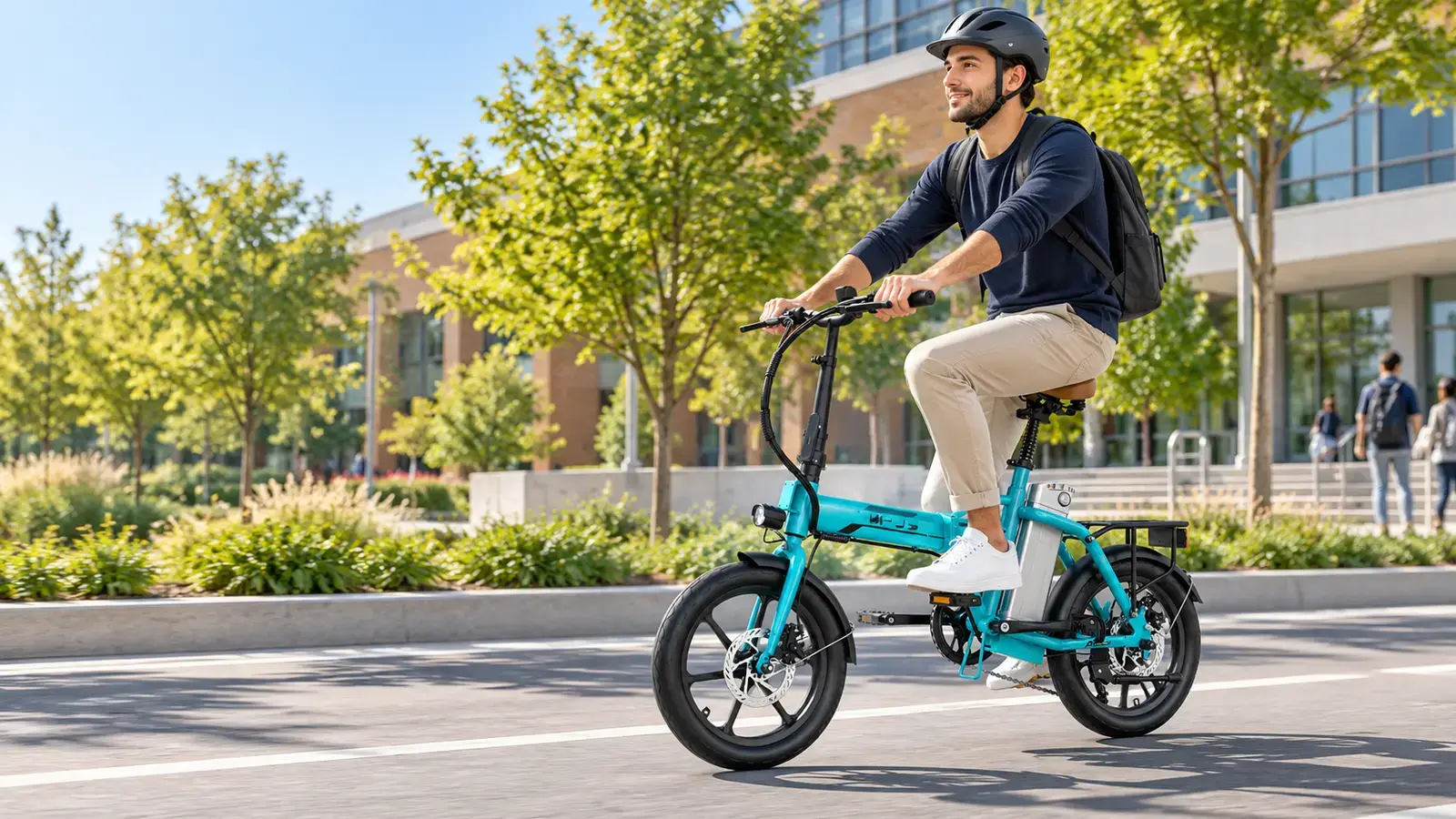
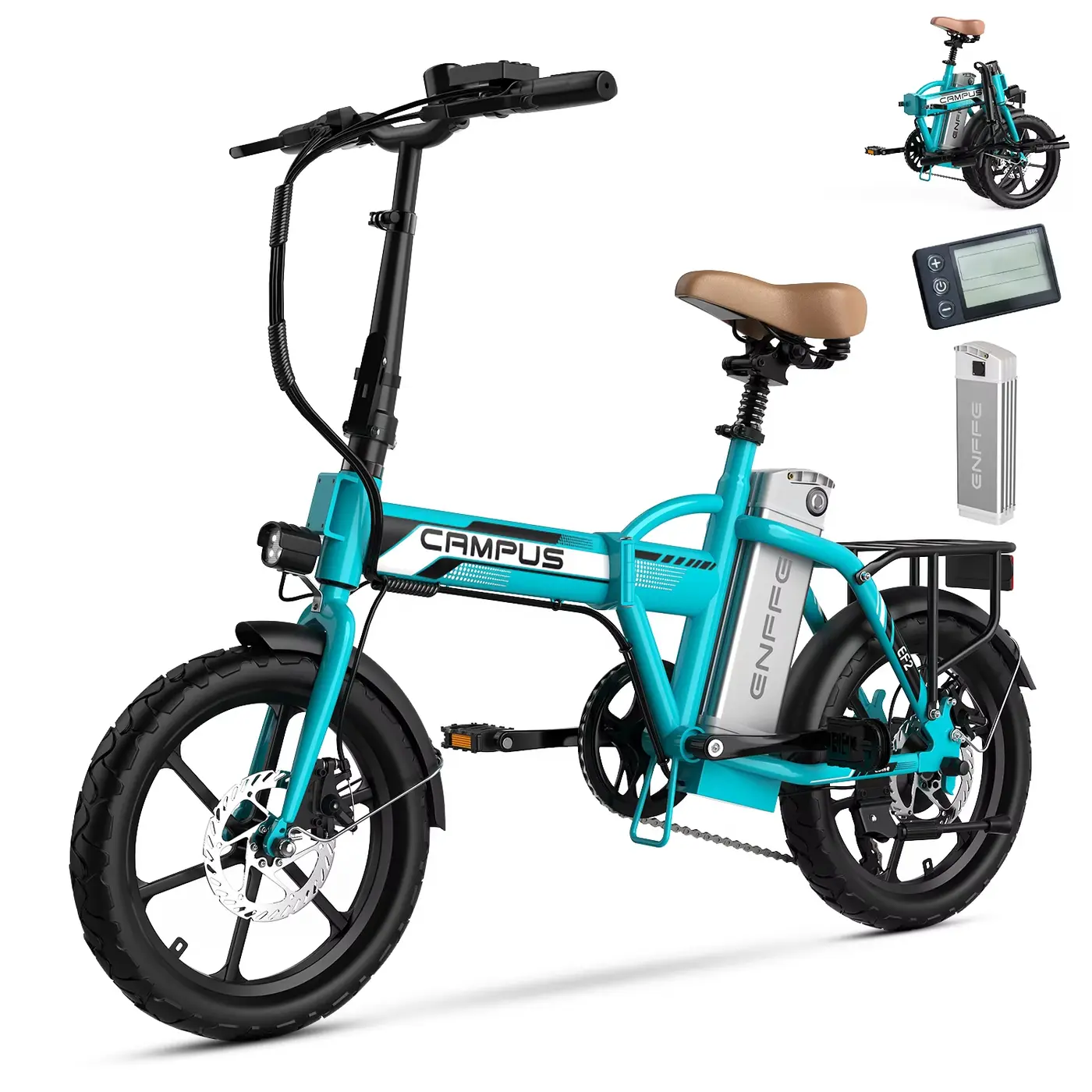
The ENFFE Campus combines a 500W rated rear hub motor, removable 36V 13.5Ah battery, 16-inch tyres, mechanical disc brakes and a folding steel frame in a compact format. It is a promising fit for riders who value storage and portability more than full-size bicycle geometry. The supplied manual says “Campus,” while some indexed seller material uses Campus 2.0 or EF2 Campus; confirm the exact version because specifications can differ.
ENFFE Campus specifications at a glance
| Product type | Adult compact folding electric bicycle |
|---|---|
| Model identity | Campus in the supplied manual; some seller material uses Campus 2.0 or EF2 Campus—confirm before ordering |
| Frame | High-carbon steel, according to the supplied manual |
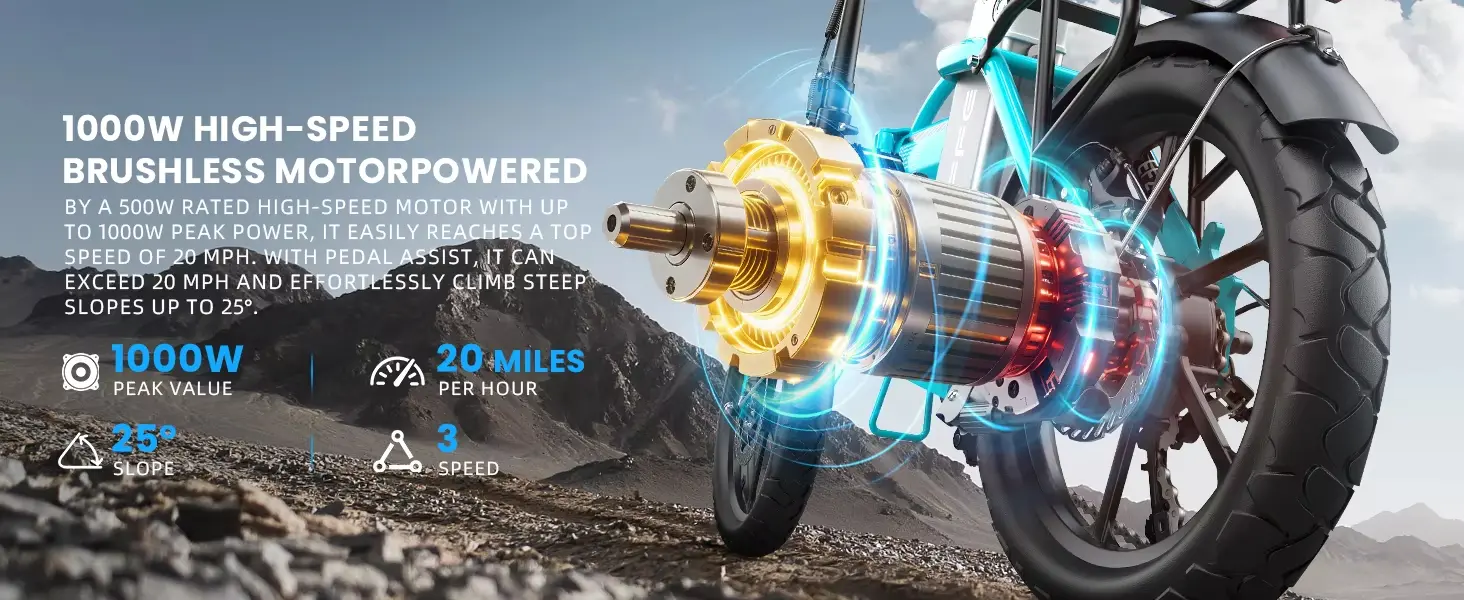
| Motor | 36V 500W rear hub motor; advertiser states up to 1000W peak |
| Maximum stated speed | 32 km/h / 20 mph |
| Battery | Removable 36V 13.5Ah |
| Charger / charge time | 42V 1.5A / approximately 6–8 hours in the manual |
| Display | 2.4-inch LCD |
| Gearing | 7-speed shifter and rear derailleur |
| Tyres | 16 × 2.5 inch front and rear |
| Brakes | Front and rear mechanical disc brakes with 160 mm rotors |
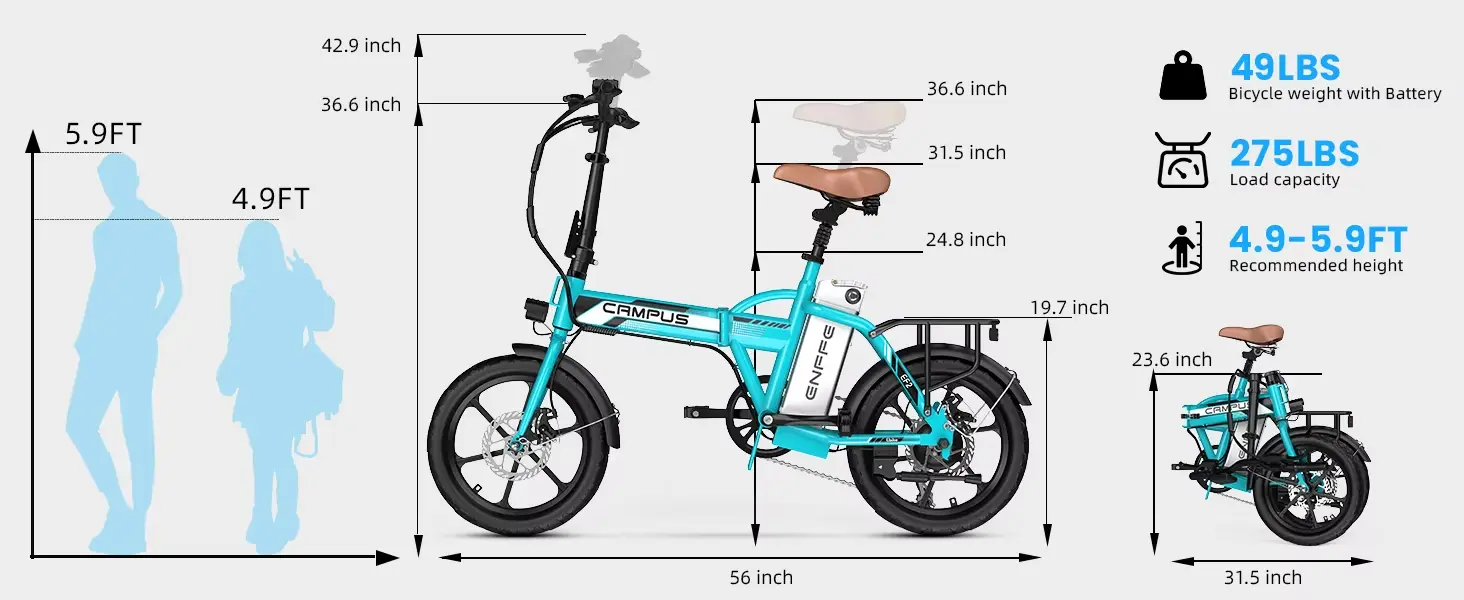
| Stated bicycle weight | 22 kg / approximately 48 lb |
| Stated maximum load | 125 kg / approximately 276 lb |
| Stated rider height | 150–190 cm |
| Product location | Not independently confirmed; supplied video filename advertises U.S. stock |
| Delivery areas | Not confirmed in the supplied materials; verify for the buyer’s destination |
Folding design and everyday portability
The Campus uses a central frame hinge and folding handlebar stem to reduce its storage footprint. This can help apartment residents, students, caravan users and commuters who combine cycling with a car or public transport. The small-wheel format also makes the folded package shorter than a conventional bicycle, although the manual’s stated 22 kg weight means “folding” should not be confused with ultralight.
Before every ride, unfold the frame in the sequence described by the manual, fully close each latch and verify the secondary safety mechanism. Keep fingers clear of hinge areas. Never ride with a partly engaged latch, and do not use the hinge as a lifting handle unless the manufacturer expressly allows it. Buyers should also measure the boot, cupboard, lift or train space where the folded bike will be stored rather than relying on the word “compact.”
500W rated motor and 1000W peak claim
The supplied manual identifies a 36V 500W rear hub motor. Advertiser graphics describe 1000W as a peak value, which is not the same as continuous rated power. Peak figures usually refer to brief output under acceleration or load, while the rated figure is more useful for comparing normal operation and legal classifications.
The manual states a maximum assisted speed of 32 km/h (20 mph). Actual speed and hill performance depend on rider and cargo weight, battery state, tyre pressure, gradient, wind, temperature and selected assistance. The advertiser also claims up to a 25-degree slope; treat that as promotional test information, not a guarantee for every surface or payload.
Battery, charging and realistic range planning
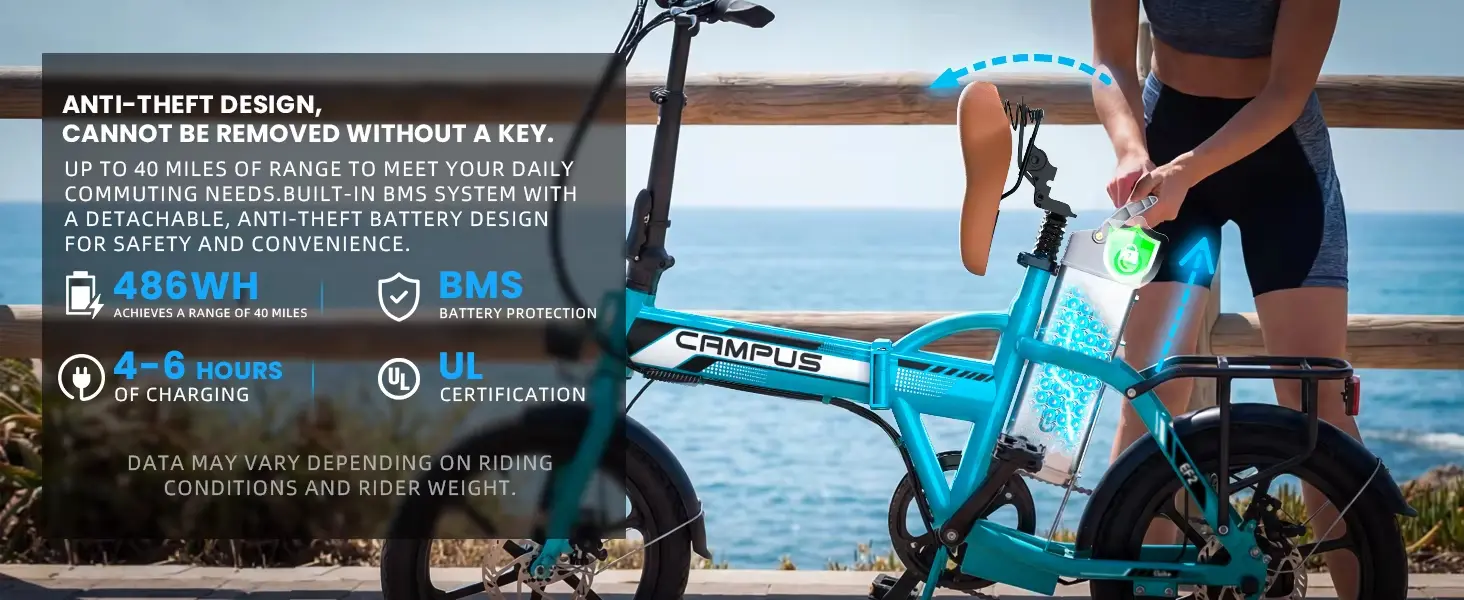
The manual lists a removable 36V 13.5Ah battery and a 42V 1.5A charger, with approximately six to eight hours for charging. The battery can be removed for charging and storage. Use only the charger specified for the battery, charge in a dry, ventilated area away from combustible storage, and do not charge or use a battery that is swollen, damaged, wet or unusually hot.
Advertiser media claims up to 40 miles of range. Range claims are test-dependent, so plan conservatively until real performance is known on the intended route. Assistance level, throttle use, stops, hills, temperature, tyre pressure and total load all matter. For a daily commute, retain a battery reserve and check whether workplace or campus rules permit indoor e-bike battery charging.
One advertiser graphic states a four-to-six-hour charge time, while the supplied manual states six to eight hours. This review uses the more conservative manual figure. Ask the seller to confirm the exact battery capacity, charger specification, plug type, replacement-battery availability and any certification that applies to the complete bike-and-battery system.
Brakes, tyres and drivetrain
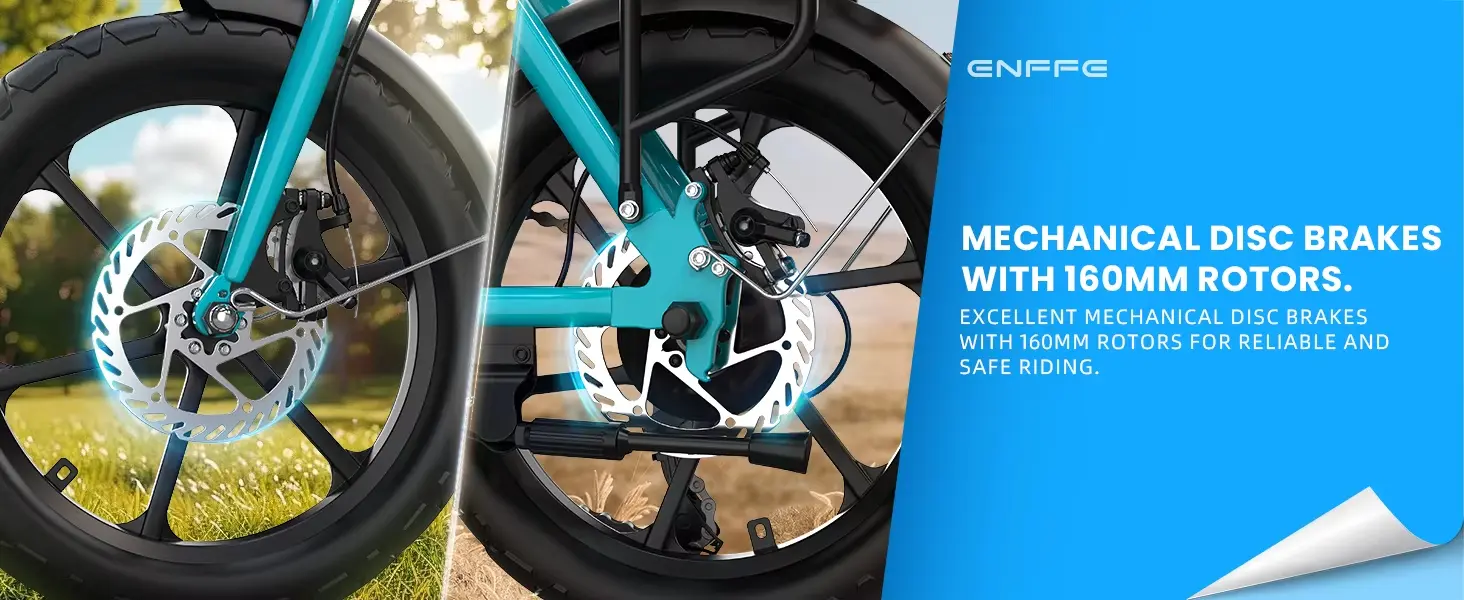
Front and rear mechanical disc brakes with 160 mm rotors are listed in the manual. Mechanical systems are serviceable and familiar to many bicycle technicians, but cable tension, pad alignment, rotor condition and bedding-in still require attention. Arrange a competent pre-delivery or pre-ride inspection, especially if the bike arrives partly assembled.
The 16 × 2.5-inch tyres add volume and grip compared with narrow commuter tyres. Their compact diameter supports the small folded package and quick steering, but riders should approach potholes, kerbs and loose surfaces sensibly. Maintain the pressure stated on the tyre sidewall and inspect for damage before riding.
A seven-speed drivetrain gives the rider mechanical gear choices when pedalling. Select lower gears before climbs and avoid shifting under excessive load. Keep the chain clean and correctly lubricated and ensure the rear derailleur is aligned after shipping.
Controls, display and riding modes
The supplied product media shows an LCD, handlebar controls, brake levers and electric-assistance controls. Seller listings may describe multiple operating modes, but the buyer should confirm which modes are enabled on the exact regional version and how the throttle behaves. Read the manual before changing display parameters; speed, wheel-size or assistance settings can affect safe operation and legal compliance.
The front headlight and rear reflector shown in the media support visibility, but riders should verify whether a powered rear light is included and whether the lighting meets local road requirements. High-visibility clothing, reflectors and a properly fitted helmet add useful layers of protection.
Comfort, fit and useful applications
The manual states a suitable height range of 150–190 cm and a maximum load of 125 kg. Fit is personal: confirm saddle-height range, handlebar reach and standover clearance rather than relying only on height. The sprung seat post shown by the advertiser may soften smaller bumps, but correct tyre pressure and saddle setup remain important.
Likely applications include campus travel, short urban commuting, errands, recreational rides and journeys where storage space is limited. The rear rack may support compatible cargo, but confirm its separate load rating and use approved luggage rather than allowing straps or loose items near the wheel. This is a single-rider bicycle; the rack is not a passenger seat unless a compliant passenger system is specifically approved.
Assembly and first-ride checklist
- Match the carton, frame label, battery label and manual to the ordered model.
- Check the frame and battery for transit damage before assembly or charging.
- Follow the manufacturer’s assembly sequence and torque requirements.
- Verify the folding-frame and handlebar-stem latches are fully locked.
- Check wheel security, tyre pressure, brake operation and steering alignment.
- Confirm the pedals are installed on the correct sides and tightened properly.
- Charge only with the supplied compatible charger in a suitable location.
- Test the brakes and assistance at low speed in a traffic-free area.
- Register the product and retain the order, serial number and packaging.
Road legality and safe operation
E-bike laws vary by country, state and city. Motor rating, throttle function and maximum assisted speed can affect whether the Campus is treated as a bicycle, a particular e-bike class or another vehicle category. Confirm the rules for roads, cycle lanes, campuses and public transport before ordering. Wear required protective equipment and never change settings simply to bypass a legal limit.
Plan routes with suitable surfaces, control speed around pedestrians and leave extra braking distance in rain. Do not ride through deep water, carry loads that affect steering, or use the phone while moving. Battery fires are uncommon but serious: follow the manual, keep exits clear during charging and use smoke detection appropriate to the premises.
Product location, delivery and shipping
Product location: the supplied video filename advertises “U.S. stock,” but a specific dispatch warehouse or inspection address was not independently confirmed. Buyers should ask where their exact unit is physically stored and dispatched from rather than inferring location from currency, marketplace region or delivery estimate.
Delivery coverage: the supplied materials did not provide a complete list of eligible countries, states or postcodes, nor universal shipping fees or delivery times. Check the live offer after setting the correct destination. Before payment, confirm the carrier, dispatch and arrival estimate, taxes, remote-area fees, battery-shipping restrictions, signature requirements and the process for transit damage.
Seller Offer and Availability — Checked 1 November 2026
Seller offers can change or sell out. This dated section can be refreshed without weakening the lasting value of the model, application, safety and buyer guidance above.
Advertiser-supplied demonstration video
Advertiser-supplied product demonstration. Playback does not constitute an independent hands-on test.
What to ask before contacting the seller
- Is this Campus 1.0, Campus 2.0, EF2 Campus or another version?
- Can you provide photos of the frame, motor and battery specification labels?
- Is 500W the continuous rated motor output and 1000W the peak claim?
- What range test conditions support the stated figure?
- Which charger plug and input voltage will be supplied?
- What complete-bike and battery safety certifications apply to this exact unit?
- What assembly remains, and is professional setup recommended?
- Are replacement batteries, chargers, brake pads, tyres and displays available?
- What warranty, return and damaged-on-arrival procedures apply?
- Where will the bike be dispatched from?
- Can it be delivered to the required postcode, and what charges apply?
- What documents are included for local registration or compliance, if required?
Frequently asked questions
What motor does the ENFFE Campus use?
The supplied manual identifies a 36V 500W rear hub motor. Advertiser media describes 1000W as a peak figure. Buyers should distinguish rated power from short-duration peak output and confirm the exact version offered.
How fast is the ENFFE Campus electric bike?
The supplied manual states a maximum assisted speed of 32 km/h (20 mph). Local rules may require a lower setting or restrict throttle use, so buyers should check the law where the bike will be ridden.
What battery is supplied?
The supplied manual lists a removable 36V 13.5Ah battery and a 42V 1.5A charger. Confirm the battery label, charger input, certification and plug type on the live offer.
How long does charging take?
The supplied manual states approximately six to eight hours. Advertiser graphics show four to six hours, so this review uses the more conservative manual figure and recommends confirming the exact battery and charger combination.
Is the ENFFE Campus foldable?
Yes. The supplied media shows the main frame and handlebar stem folding into a compact package. Follow the manual, keep fingers clear of hinges and check that every latch is fully locked before riding.
What rider size and load are stated?
The supplied manual states a suitable rider height of 150–190 cm and a maximum load of 125 kg. One graphic rounds those values to 4 ft 9 in–5 ft 9 in and 275 lb; confirm the delivered model label and manual.
Where is the bike located and where can it be delivered?
A verified dispatch address and complete delivery territory were not confirmed. The supplied video filename refers to U.S. stock, but buyers should verify the current dispatch warehouse, eligible postcode, fees and delivery date on the seller page.
Does it arrive fully assembled?
Do not assume so. Confirm the required assembly, included tools and whether a qualified bicycle technician should complete the setup and brake inspection before the first ride.
Final assessment
The ENFFE Campus presents a useful combination of compact storage, removable-battery convenience and familiar bicycle components. The manual-confirmed 500W rear hub motor, 36V 13.5Ah battery, seven-speed drivetrain, 16 × 2.5-inch tyres and mechanical disc brakes make the core proposition easy to understand.
The buying decision should turn on version confirmation, legal suitability, battery documentation, after-sales parts and destination-specific delivery—not on a single peak-power or maximum-range headline. With those points verified and a competent pre-ride setup completed, the Campus may be a practical choice for short commutes, campus movement and space-conscious everyday riding.
Join the discussion
Would you use a compact folding e-bike for commuting, campus travel or errands? Share your route, storage needs and most important buying question in the comment section below.
HSSE TIPS — Worksite Safety Hub
Every Task. Every Person. Home Safe.
Your experience matters
Share your thoughts on this page
Have a question, a useful experience or a suggestion? Add your input below.
Comments are public. Keep them respectful and relevant. Do not share contact details, confidential information or emergency reports.
Comments on this page
Loading comments…