Product Reviews · Vehicle recycling equipment
Bring Baling to Your Recycling Operation: ENERPAT Mobile Car Baler Review
Give prepared vehicle bodies an organised route to onward recycling. From vehicle receiving to collection of finished material, a clear processing workflow helps your team coordinate its daily work.
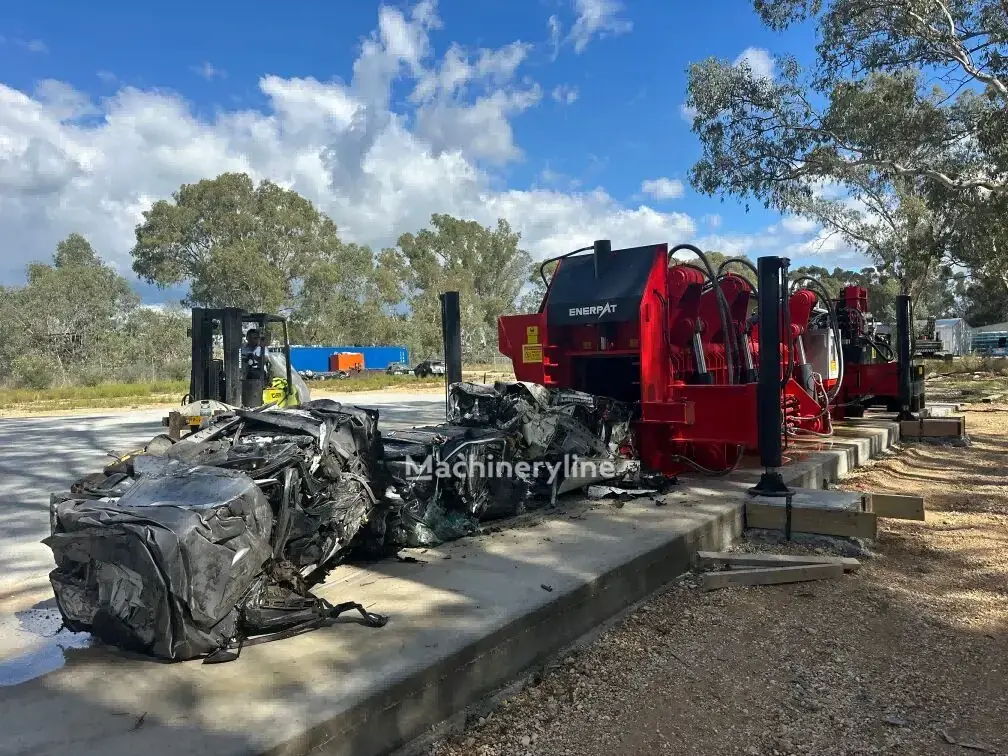
The ENERPAT Mobile Car Baler is part of the manufacturer’s AMB-SC range, designed for hydraulic compaction of vehicle bodies and suitable metal scrap. This research-based review introduces its intended uses and documented features, with listing photographs, an illustrative video and a direct route to request a quotation.
What is the mobile car baler intended to do?
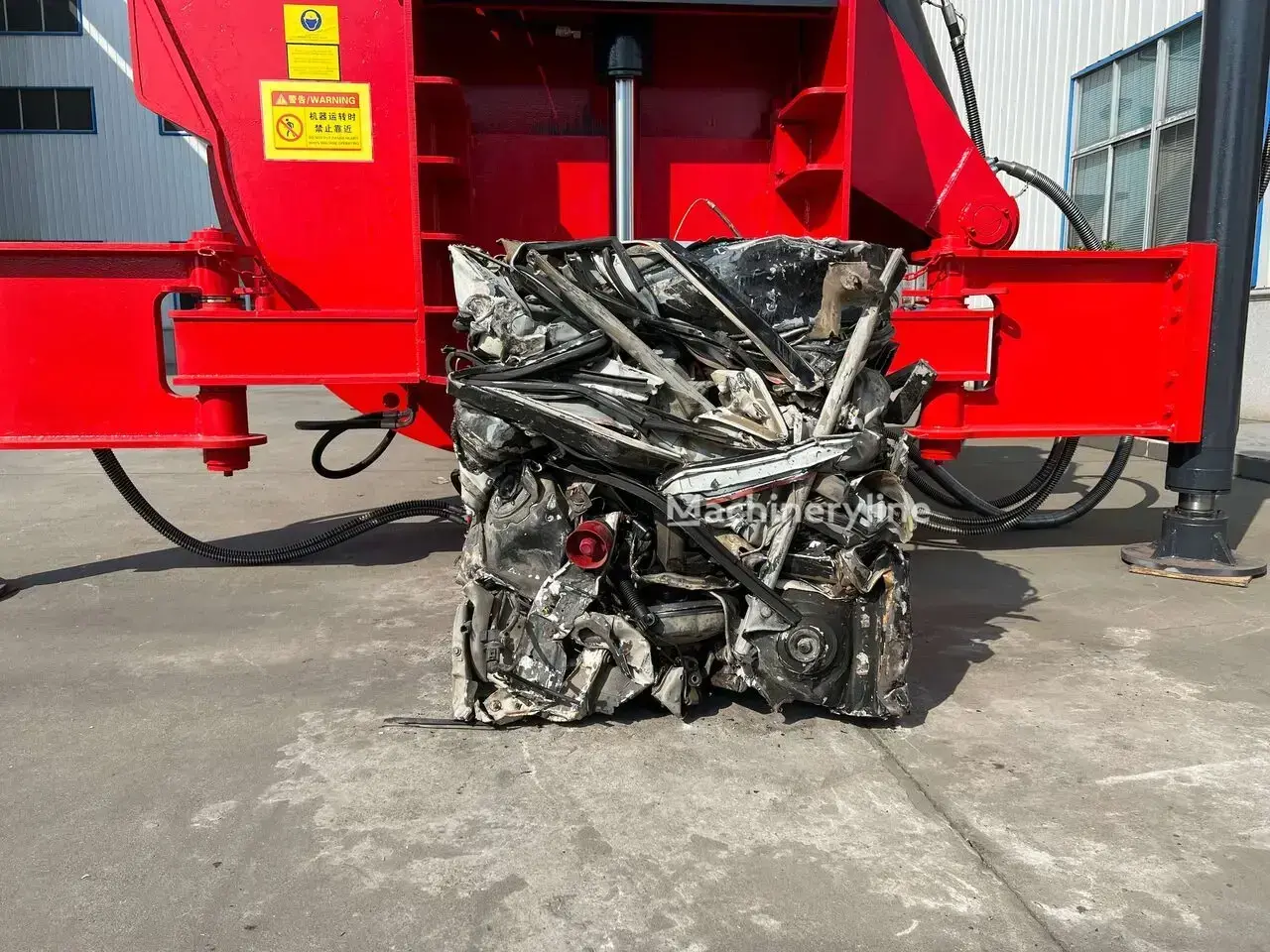
ENERPAT describes the AMB-SC range for end-of-life vehicle bodies, light scrap steel and mixed metal scrap. Hydraulic compression prepares the material as compact bundles for handling and onward recycling.
In your project plan, place baling after the appropriate vehicle preparation and material acceptance stages. Then coordinate loading, discharge, bale handling and collection around the agreed equipment configuration.
Documented AMB-SC features
ENERPAT’s current product page describes:
- Diesel power: supporting operation without a grid electricity connection.
- Hydraulic compression: forming compact metal bundles.
- Mobile deployment: intended for scrap yards and vehicle recovery locations.
- PLC controls: Siemens/Schneider controls are described for the range.
- Configuration choices: single-ram front-eject, grapple-fed and dual-cylinder arrangements are described.
These points provide model-family context. Agree the loading system, discharge arrangement and supplied equipment in the quotation for your project.
Technical source: ENERPAT Mobile Car Baler product information, checked 2 October 2026.
Where it fits into a recycling workflow
Vehicle recycling and dismantling operations
Receiving, identifying and preparing vehicles gives the team a clear starting point for processing. Establish the required treatment and material acceptance procedures before scheduling bodies for baling.
Scrap recovery locations
Where your project involves more than one location, plan each site’s access, working area and material-handling arrangements. Coordinate equipment delivery, positioning and collection with the people responsible at each location.
Preparing material for the receiving recycler
Discuss the metal grade, output format and collection method with your recycling partner. Share those requirements with the equipment supplier so the proposed package supports the next stage of your material route.
Explore the linked Machineryline offer
The offer reviewed on 2 October 2026 advertises a new, 2026 ENERPAT Mobile Car Baler, with a location in Melbourne, Australia, and price on request. Its Machineryline reference is EQ50837, with seller stock reference AMB-SC 2601.
Use these references when contacting the supplier. Request current availability, the model-specific data sheet and a quotation describing the complete supply package for your destination.
Watch the seller-linked demonstration
This promotional video is included to illustrate vehicle-body baling. The project quotation and handover documentation identify the equipment supplied for your operation.
Watch the seller-listed demonstration on YouTube if the player is unavailable.
Prepare a project brief for the supplier
A useful enquiry connects the equipment to your intended work. Describe the prepared bodies or metal scrap you plan to process, the working schedule and the sites involved.
- Material: vehicle-body types, dimensions and preparation procedures.
- Output: the required bale format and receiving recycler’s arrangements.
- Loading: the proposed handling method and equipment to be supplied.
- Site: access, working area, ground conditions and vehicle routes.
- Delivery: destination, transport arrangements and preferred schedule.
- Handover: demonstration, commissioning, manuals and operator training.
Include photographs and a site layout where available. They give the supplier a practical basis for discussing the configuration and delivery scope.
Coordinate transport and site preparation
Ask for the machine’s transport dimensions, weight, securing instructions and working-layout drawing. Use these documents with your transport provider and site specialists to organise receiving, positioning and setup.
Agree the machine’s support requirements and the access needed by loading and bale-handling equipment. Include the operating area and pedestrian routes in the site plan.
For work across multiple locations, prepare a deployment schedule covering travel, receiving, setup and collection. This helps the supplier, operators and site teams coordinate the project.
Vehicle preparation comes before baling
Arrange vehicle depollution and hazardous-component treatment through competent personnel before compaction. Preparation includes the applicable removal or treatment of fluids, batteries, refrigerants, gas tanks and pyrotechnic components.
For electric and hybrid vehicles, use trained specialists and vehicle-specific procedures for high-voltage systems and battery handling. Record the preparation status and agreed material acceptance requirements before bodies enter the baling workflow.
Reference: Environment Agency guidance on end-of-life vehicle treatment. This guidance applies to permitted facilities in England; use the rules and procedures applicable to your location.
Plan a clear handover
Agree the commissioning process and training for operators and maintenance personnel. Obtain the model-specific manuals, operating limits, safe-access arrangements and maintenance procedures.
During operation, keep people outside the machine’s designated loading, compression and discharge areas. Before maintenance or blockage clearance, trained personnel should follow the machine-specific energy-isolation procedure, including stored-energy control and verification.
What should the quotation cover?
| Item | Details to include |
|---|---|
| Machine | Model code, power unit, loading and discharge arrangement. |
| Material and output | Agreed feedstock specification, preparation and bale format. |
| Accessories | Complete equipment and handling package. |
| Delivery | Transport scope, destination and receiving responsibilities. |
| Commissioning | Setup, demonstration, training and manuals. |
| Support | Applicable warranty, service contacts and parts arrangements. |
An itemised quotation gives purchasing, transport and operating teams a shared record of the project. Add site preparation, fuel, labour, servicing and handling equipment to your working budget.
Frequently asked questions
How do I obtain the price?
The reviewed offer lists price on request. Use the enquiry link for current pricing and a quotation for your destination.
What is the baler’s role in vehicle recycling?
It compacts appropriately prepared vehicle bodies and agreed scrap into bundles for subsequent handling and recycling.
Which loading arrangement should I request?
Discuss your material and site layout with the supplier, then record the agreed loading equipment and configuration in the supply schedule.
What information supports transport planning?
Request the model-specific dimensions, weight, securing instructions and receiving requirements.
What documentation supports handover?
The package should include the operating and maintenance manuals, material acceptance requirements, training arrangements and applicable service and warranty terms.
Bring your recycling requirements to the conversation
The ENERPAT Mobile Car Baler gives vehicle recyclers a defined equipment range to explore for their material-processing plans. Begin with prepared feedstock and the required output, then coordinate the machine package, transport and trained operation.
View the listing media and contact the supplier to discuss a project-specific quotation.
Related reading: ENERPAT continuous-feed light-scrap baler review and ENERPAT lid-style metal baler review, covering other recycling applications.
Review sources: the linked Machineryline offer, ENERPAT’s Mobile Car Baler product page and Environment Agency vehicle-treatment guidance, reviewed 2 October 2026. Photos and the promotional video were supplied through the listing. Current pricing, availability and supply terms are provided by the seller.
Your experience matters
Share your thoughts on this page
Have a question, a useful experience or a suggestion? Add your input below.
Comments are public. Keep them respectful and relevant. Do not share contact details, confidential information or emergency reports.
Comments on this page
Loading comments…