Product Reviews · Metal Recycling Equipment · Product location: USA · 6 min read
ENERPAT AMB-L1480-160 Review: Turn Loose Scrap into Compact Bales
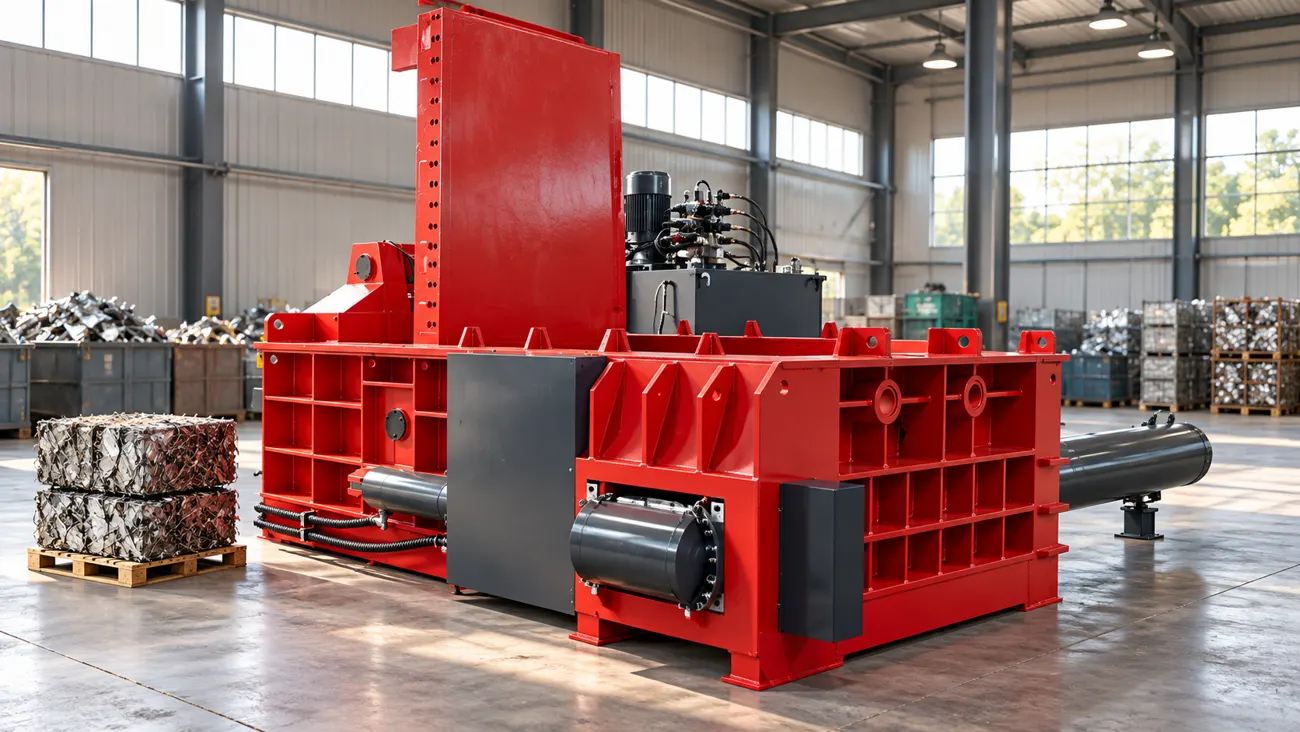
Loose scrap fills space. A planned baling process gives that material a more manageable form. For recycling yards and manufacturers reviewing how scrap moves through their operation, the ENERPAT AMB-L1480-160 is a machine to explore around the material you actually produce.
This metal recycling baler is advertised as a new 2026 machine in the USA, with price on request. Its lid-type hydraulic design compresses scrap into compact bundles, creating a defined output for the next stage of storage, handling or onward processing.
Review method: desk-based research using seller listing QD51255, its image and video gallery, and ENERPAT’s model information. We have not independently tested or inspected a supplied machine. Manufacturer references and listing application images are identified separately from the quoted configuration.
ENERPAT AMB-L1480-160 specifications at a glance
| Product location | USA; confirm the exact dispatch or inspection site |
|---|---|
| Model / type | ENERPAT AMB-L1480-160 / lid-type hydraulic metal baler |
| Advertised condition / year | New / 2026 |
| Price | On request |
| Press force | 160 tons, as specified by the supplier |
| Compression chamber | 1,400 × 800 × 700 mm |
| Listed bale size | 350 × 350 mm; confirm cross-section, finished length and weight for your material |
| Advertised steel-scrap output | 2.0–2.5 tonnes/hour; request a material-specific production assessment |
| Manufacturer reference motor power | 22 kW; confirm the supplied electrical specification |
| Advertised warranty / reference | 12 months; obtain written coverage terms / QD51255 |
What the baler is designed to do
ENERPAT describes the model as a hydraulic cold-press baler with PLC control. Its operating sequence covers loading, compression and bale ejection. The manufacturer identifies ferrous and non-ferrous scrap applications, including steel offcuts and aluminium materials.
That makes the first enquiry straightforward: describe the scrap, its dimensions and how it arrives at the machine. Ask the supplier to recommend the suitable configuration and demonstrate the resulting bale with representative material.
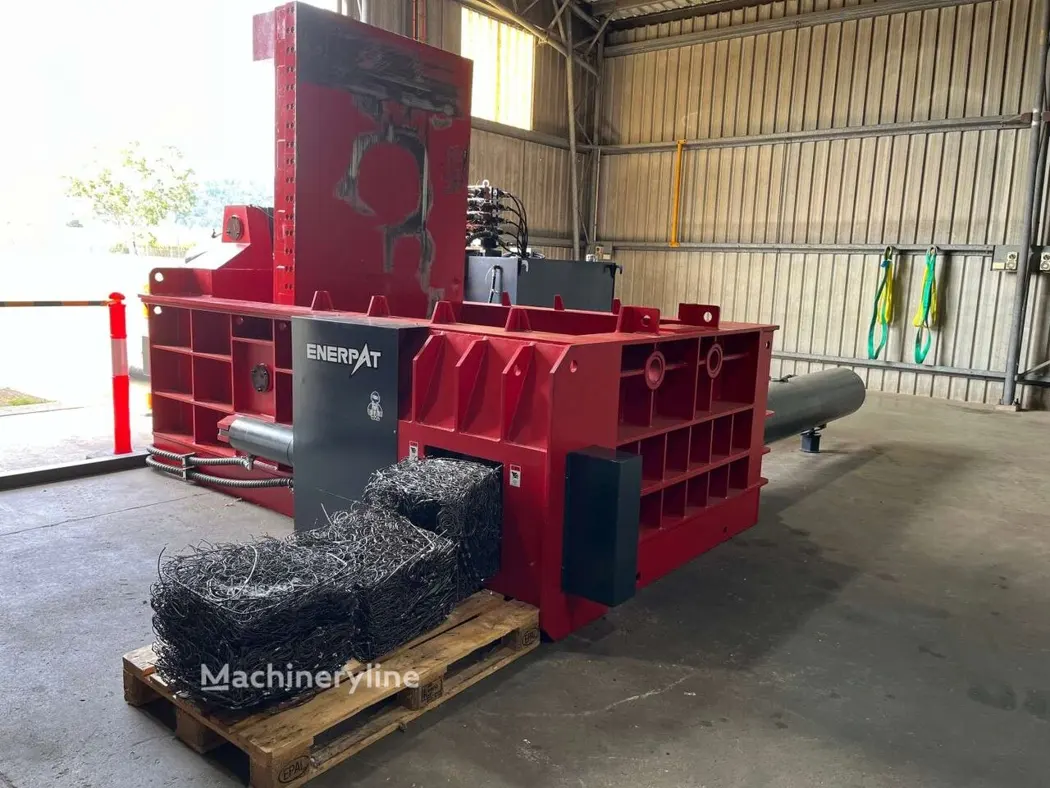
Why compact bales can matter to your workflow
A clearer way to plan storage and collection
Consider a fabrication workshop collecting sheet-metal offcuts in several bins. Its equipment decision involves more than pressing force: the team needs to know how material reaches the chamber, where completed bales will be placed and how the receiving recycler wants them presented.
Use a trial to establish the finished bale dimensions and weight for your scrap. Then compare the proposed output with available storage positions, handling equipment and collection arrangements. This connects the machine to the full work cycle.
A defined feed material for the next buyer
Send your intended buyer or downstream processor the proposed bale specification. Agree acceptable materials, segregation, contamination limits and the preferred form before designing the collection routine.
A practical example is an operation generating both aluminium and steel offcuts. Ask the supplier to assess each stream separately, then plan a clear route from collection to the relevant finished-bale storage area. The assessment should reflect the materials you intend to process.
A measured production plan
The advertised steel output gives you a starting point for discussing workload. Share the tonnes generated per shift, peak arrival periods and available operating hours. Ask for a timed test that includes the loading and discharge arrangements proposed for your site.
Use the resulting production information to plan staffing, collection frequency and shift schedules. The useful purchasing question is how the complete installation will handle your material over the working day.
Match the chamber to the scrap
The 1,400 × 800 × 700 mm chamber dimensions make material preparation part of the enquiry. Provide photographs and typical dimensions of your offcuts, wire or other proposed scrap, together with details of thickness, bulk density and any attachments or contamination.
Ask for a written statement of the materials and preparation accepted by the supplied machine. For scrap from dismantling work, describe the prepared pieces rather than assuming an entire assembly fits the chamber.
Specify loading, controls and discharge together
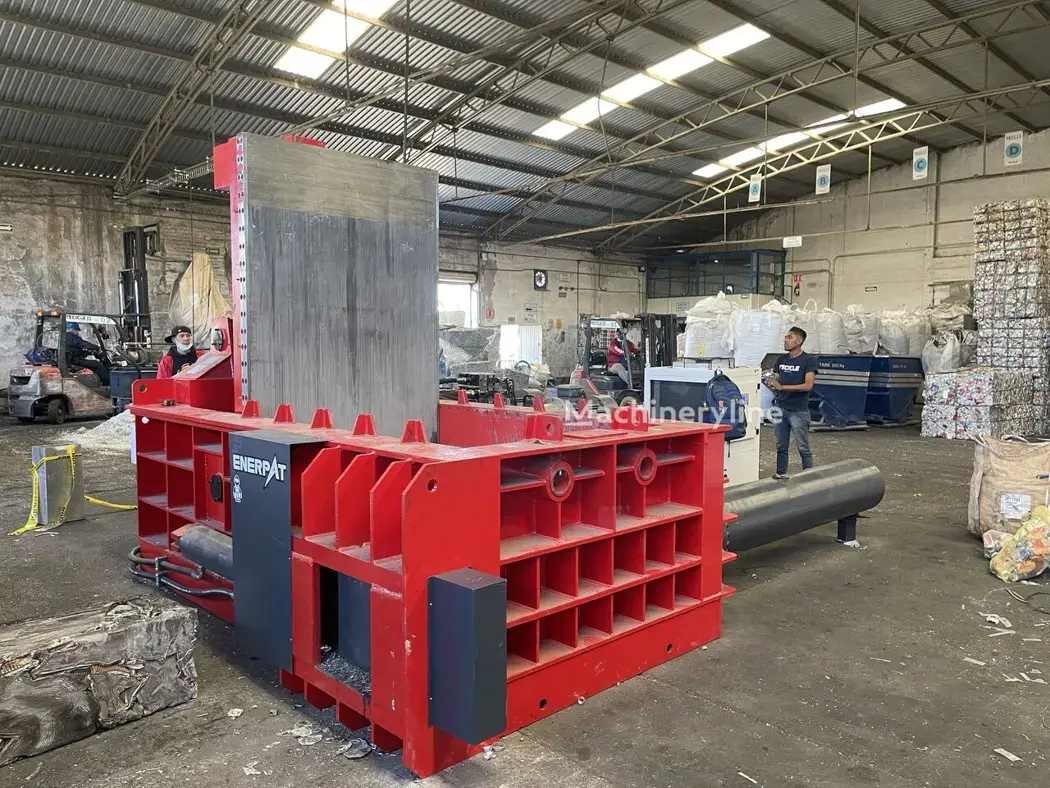
ENERPAT’s model information describes an optional tipper for feeding. If that suits your process, ask for it to be identified in the quotation alongside its compatibility, installation needs and operating instructions.
Discuss the complete sequence: where incoming material waits, how it is loaded, who controls the machine and how completed bales are removed. Request a layout that shows the equipment footprint, working clearances, service access and traffic routes.
Ask the supplier to identify the fitted control system and provide a demonstration of the proposed cycle. Confirm the included power unit, cooling equipment and electrical requirements against the final configuration.
Watch a seller-linked metal-baler demonstration
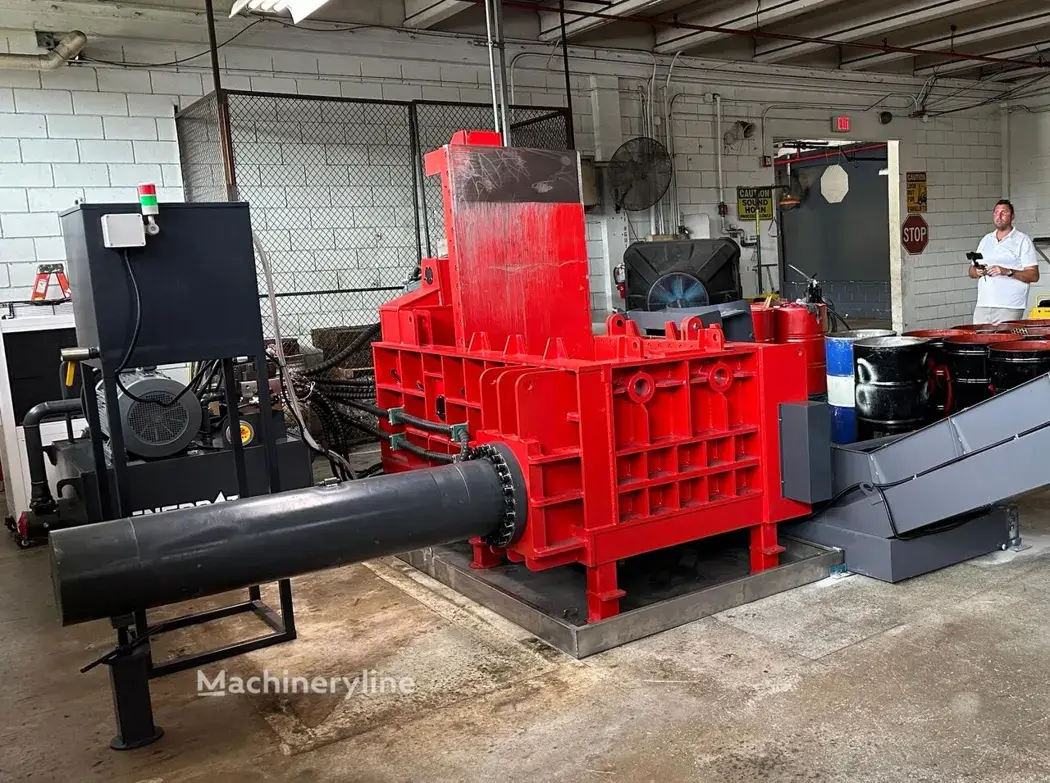
Open the ENERPAT-Hedy application video linked in the seller’s gallery. It shows a separate baler installation and provides workflow context. Request a demonstration of the quoted AMB-L1480-160 configuration using material representative of your operation.
Product location and delivery planning
Product location: USA. Use that published location as the starting point, then request the exact machine inspection or dispatch site and current supply status. Ask which unit or build configuration the quotation covers.
Provide your delivery destination and request an itemised offer. Include transport dimensions and weight, loading and unloading arrangements, installation scope and commissioning. For an overseas destination, agree the delivery term and documentation responsibilities, and obtain current destination requirements from a qualified local clearing professional.
Prepare the site for a useful handover
Ask for the installation drawing, foundation or anchoring requirements, electrical specification and maintenance-access information before finalising the layout. Have competent personnel assess how the proposed machine will fit the site and the intended work.
Include operator training, the applicable manual, guarding and interlock demonstrations, emergency-stop functions and safe isolation procedures in the handover. Agree how cleaning, blockage handling and servicing will be carried out under the manufacturer’s instructions.
Request written warranty coverage, commissioning responsibilities and spare-parts arrangements. These details help connect the supply contract to the people who will operate and maintain the equipment.
A ready-to-send equipment enquiry
Our view: buy the process your scrap needs
The AMB-L1480-160 provides a defined starting specification for buyers planning a metal-baling operation. The chamber dimensions, advertised press force and steel-output reference help frame a focused supplier enquiry.
The strongest next step is a material-based assessment followed by a written configuration and installation proposal. That lets you judge how the baler, loading method, finished bales and support package fit your recycling workflow.
Frequently asked questions
Where is the product located?
The listing states USA. Confirm the exact inspection or dispatch site for the machine being quoted.
Does the advertised hourly output apply to every metal?
The 2.0–2.5 tonnes/hour reference is stated for steel scrap. Request a production assessment using your material and proposed handling arrangement.
Is a feeding tipper part of the standard offer?
The manufacturer describes it as an option. Have the quotation identify the feeding equipment included in your configuration.
Sources and editorial information
- Seller listing QD51255 and its media gallery — reviewed through the supplied affiliate link on 15 October 2026.
- ENERPAT AMB-L1480-160 manufacturer model information — specifications, operating sequence and feeding option.
- ENERPAT-Hedy seller-linked demonstration — separate application footage, linked above.
Confirm the current quotation, availability, product location, final configuration and contract terms directly with the supplier.
Explore more equipment reviews
HSSE TIPS — Worksite Safety Hub
Every Task. Every Person. Home Safe.
Your experience matters
Share your thoughts on this page
Have a question, a useful experience or a suggestion? Add your input below.
Comments are public. Keep them respectful and relevant. Do not share contact details, confidential information or emergency reports.
Comments on this page
Loading comments…