Process Safety · Lesson 29 · 7 min read
Nitrogen Removes Oxygen From the Process—and From People
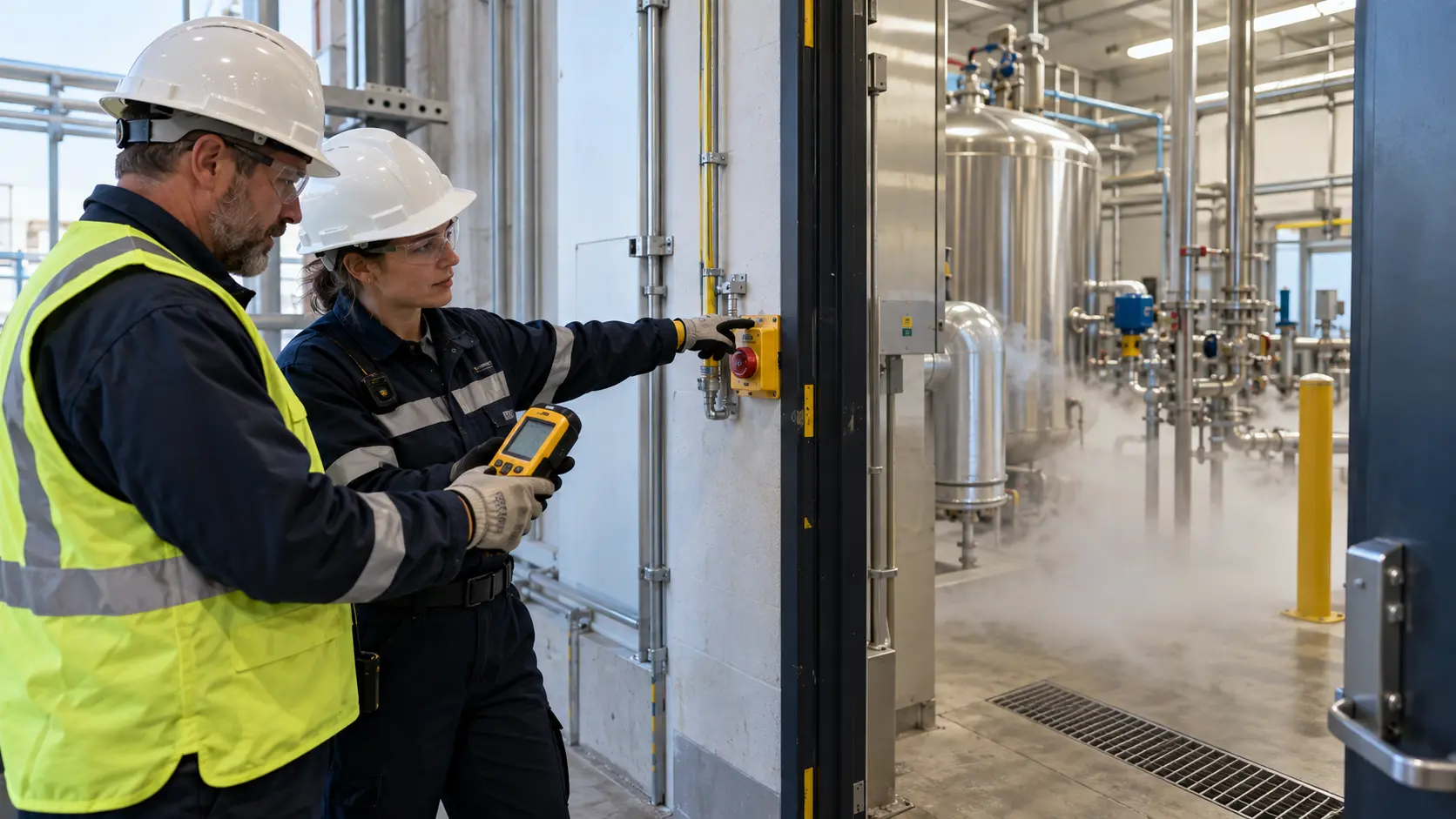
Nitrogen is widely used to inert, purge, blanket and transfer process equipment because it does not support combustion. That benefit comes from lowering oxygen concentration. If nitrogen escapes into a module, enclosure, vessel, pit or poorly ventilated space, it can make the atmosphere unable to support life without colour, odour or reliable warning from human senses.
Why the hazard can remain hidden
A release does not need to fill an entire room uniformly before it creates danger. Gas movement depends on release direction, temperature, ventilation, geometry and obstructions. Local low-oxygen pockets can form, and a visible cloud from cold nitrogen does not define the full hazardous boundary.
Normal gas detectors selected for flammable or toxic hazards may not warn of oxygen deficiency. Personnel can become confused, lose coordination and collapse before recognising the cause. An unplanned rescue can then create additional casualties when colleagues enter without suitable protection and control.
A practical operating scenario
Hypothetical example: A nitrogen purge is established on process pipework during maintenance. The intended discharge point is outside, but a temporary hose is rerouted to avoid another job. Its outlet finishes close to a partially enclosed lower deck. Nothing smells unusual and the work party sees no persistent cloud. The altered discharge location changes the atmospheric risk and requires the purge to stop until the arrangement is reassessed.
Critical controls
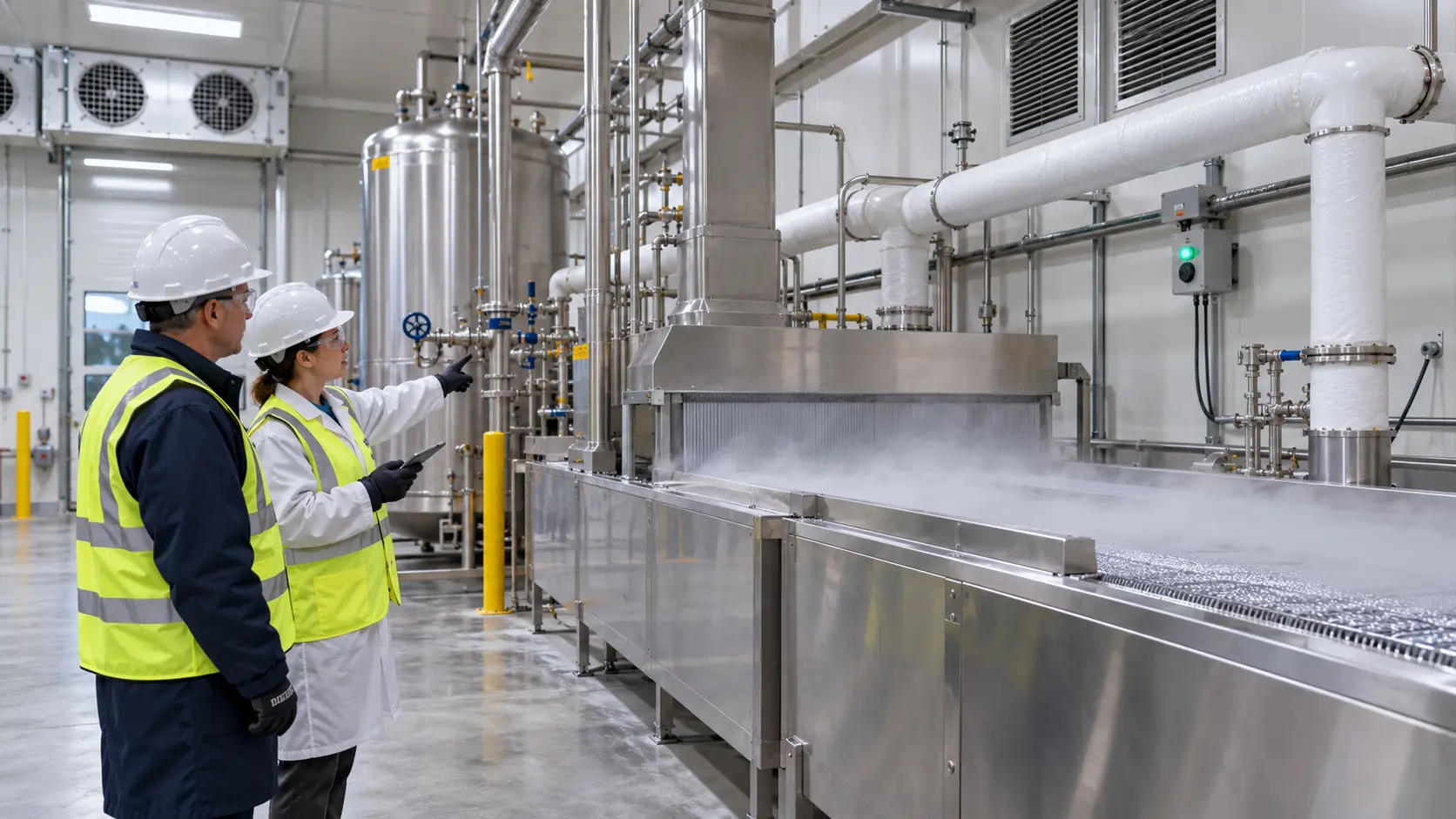
Understand the dependency. Engineer the discharge. Route purge and relief flows to a verified safe location, size ventilation for the credible release and prevent temporary hoses or open ends from discharging into occupied or enclosed areas.
Verify the barrier. Detect the hazard. Identify where fixed or portable oxygen monitoring is needed, locate sensors based on release and ventilation behaviour, maintain them and define clear alarm actions. A personal monitor does not replace source control.
Control the operation. Plan isolation and rescue. Make nitrogen valves and connections identifiable, provide a way to stop flow without entering the hazard where reasonably practicable, control access and ensure rescue arrangements do not depend on an unprotected spontaneous entry.
What strong leadership looks like
Nitrogen tasks can become routine because the gas is not flammable or toxic in the conventional sense. Leaders should make oxygen-deficiency scenarios visible in permits, SIMOPS reviews, temporary-change control and emergency exercises.
Supervisors should make the current barrier status visible at handover, connect related defects and deviations, and ensure that temporary operating arrangements have clear limits and escalation triggers. Where required evidence is missing, the conservative response is to stabilise the process and seek competent support rather than allow schedule pressure to decide.
Actions for today
- Choose one relevant safety-critical function and trace it from process hazard to final protective action.
- Check the latest inspection, test or operating evidence—not only the design intention or status label.
- Resolve any discrepancy through the approved defect, risk-assessment and escalation process.
Manage changing work interfaces
A purge that was safe when established may become unsafe when scaffolding, sheeting, temporary ventilation, open access covers or another simultaneous activity changes airflow and occupancy. Reassess the discharge before each shift and whenever the worksite changes. Brief nearby teams who may not be named on the original permit, and keep hose routing protected from movement or damage. When an oxygen alarm activates, personnel should withdraw in accordance with the approved emergency plan; investigation and rescue must not depend on holding a breath or making an unprotected entry.
Team discussion question
Where could nitrogen collect beyond its intended process boundary on our installation, and could we isolate the source without entering that atmosphere?
Your experience matters
Share your thoughts on this page
Have a question, a useful experience or a suggestion? Add your input below.
Comments are public. Keep them respectful and relevant. Do not share contact details, confidential information or emergency reports.
Comments on this page
Loading comments…