Process Safety · Lesson 16 · 5 min read
Never Blow Fuel Gas Into a Work Area
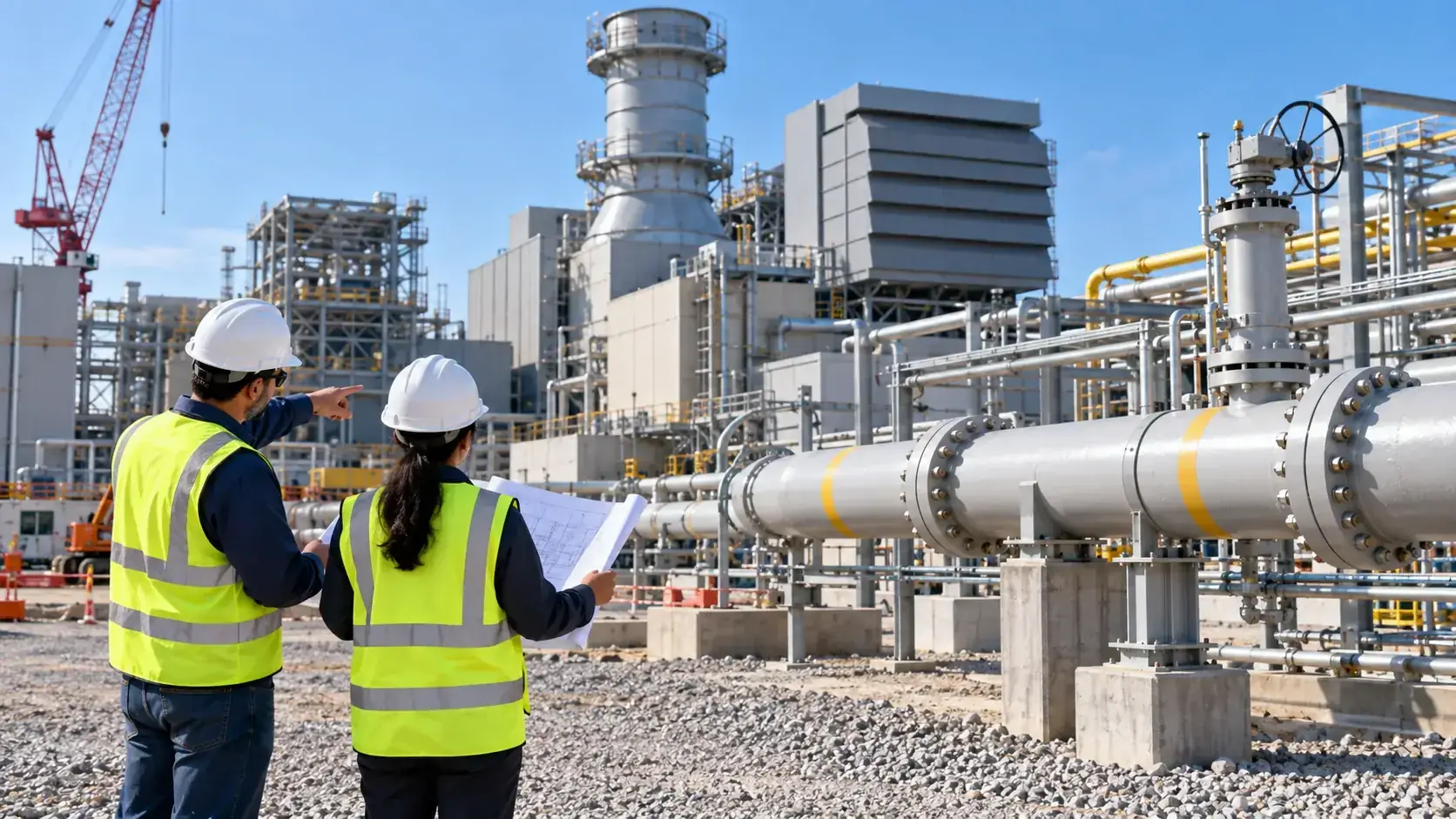
A pipe-cleaning or purging job can become a major-accident hazard when flammable gas is deliberately discharged where people work. Engineer the method and discharge destination before commissioning begins.
The cleaning method creates the hazard
New fuel-gas piping may need debris removed before service. If the chosen method pushes natural gas through the line and vents it to the atmosphere, the work creates a large intentional flammable release. The gas may travel or accumulate beyond the immediate vent point. A lack of visible vapour is not evidence that the area is safe.
At the Kleen Energy power plant under construction in Connecticut, workers used high-pressure natural gas to clean new piping on 7 February 2010. The gas found an ignition source and exploded. The U.S. Chemical Safety Board (CSB) reported six worker fatalities. Its “Deadly Practices” video also examines a separate ConAgra incident involving a natural-gas purge into an occupied utility room. These are documented events, not examples of the illustrated site.
Choose a method that avoids a flammable release
The first decision is whether fuel gas is necessary for cleaning or purging. A competent engineering review should evaluate safer cleaning media or methods suited to the equipment and service. Compressed air, nitrogen and other alternatives have their own pressure, oxygen-deficiency or compatibility hazards; none should be selected by habit. The approved procedure must define the medium, pressure limits, connection points, containment or discharge route and verification criteria.
If a hazardous gas release remains part of an approved operation, the release rate, duration and likely dispersion must be assessed. A vent location must be justified against nearby work, buildings, air intakes, ignition sources and changing wind conditions. An exclusion zone and ignition control can reduce exposure, but they do not make an unsuitable discharge route acceptable.
Control commissioning as one coordinated operation
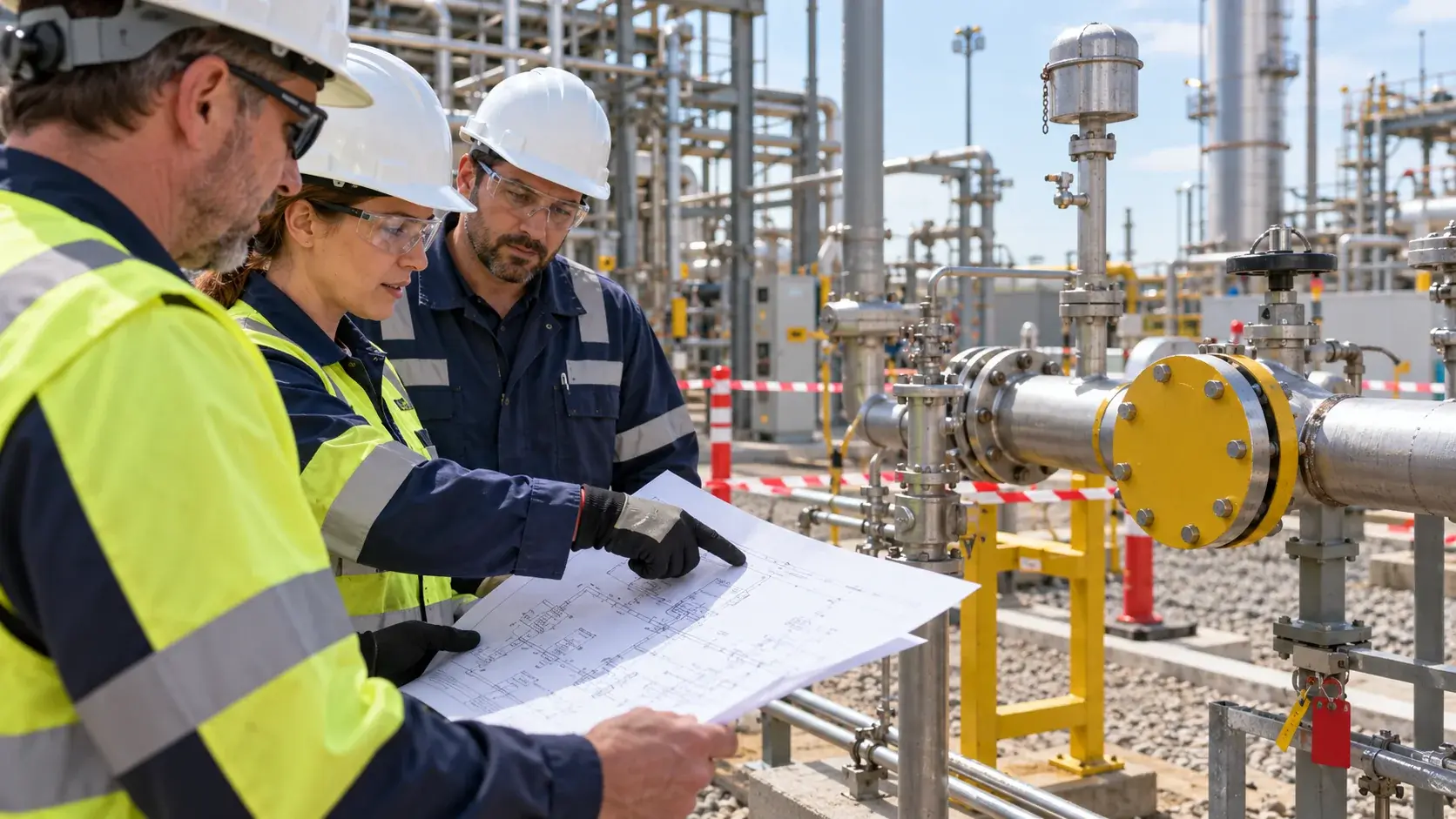
Before the work, walk the full piping and discharge path in the field. Confirm who authorises the activity, who controls the gas supply, how communications work, which neighbouring tasks must stop, and how the operation will be terminated if conditions change. Protect workers and contractors who may be outside the immediate job team, including those in buildings or other work fronts.
Use explicit hold points before introducing the medium, opening a discharge path and restarting work afterward. Monitor as required by the risk assessment; establish a stop rule for unexpected gas detection, a changed wind direction, loss of communications or a deviation from the plan. Record the final safe line-up and hand it over to operations. A permit alone does not replace the engineering decision about whether the release should occur at all.
Watch the CSB case study
The CSB’s “Deadly Practices” video examines the Kleen Energy and ConAgra explosions and the danger of intentionally releasing fuel gas near work areas.
A question for today’s team
Which commissioning or maintenance step at our facility intentionally releases fuel gas, and what evidence shows that a safer method and a safer discharge route were evaluated before the work was approved?
Your experience matters
Share your thoughts on this page
Have a question, a useful experience or a suggestion? Add your input below.
Comments are public. Keep them respectful and relevant. Do not share contact details, confidential information or emergency reports.
Comments on this page
Loading comments…