Process Safety · Lesson 27 · 7 min read
A Temporary Repair Is a Controlled Degradation, Not a Permanent Solution
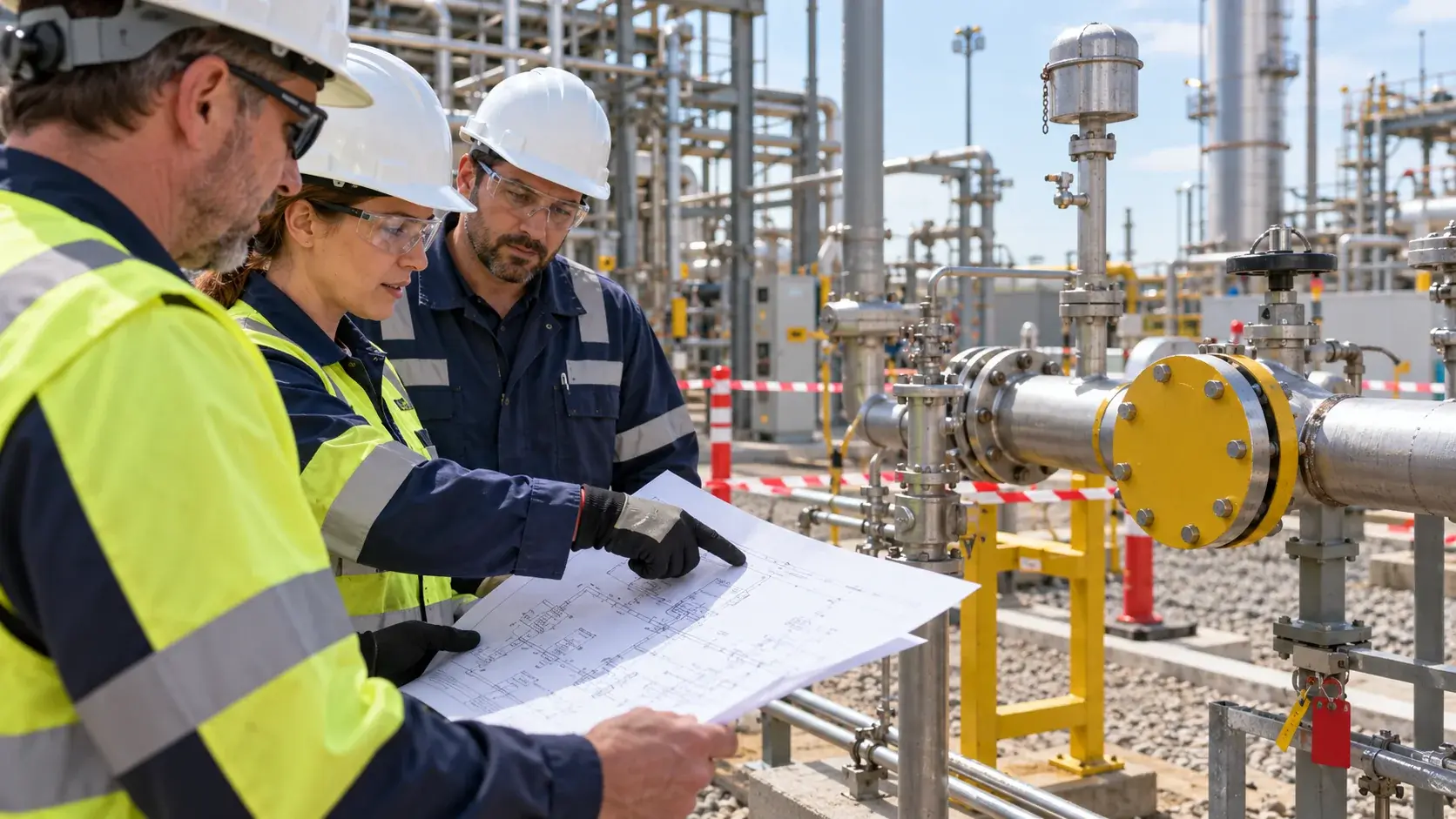
A temporary repair may be necessary to place equipment in a controlled condition or manage a defect until permanent work can be completed. It does not restore the pressure boundary simply because leakage stops. The repair introduces its own design assumptions, installation hazards, inspection needs and expiry conditions.
Why the hazard can remain hidden
The remaining pipe wall, defect geometry, material, pressure, temperature, vibration, corrosion mechanism and credible transient loads all influence whether a proposed repair can perform safely. A clamp fitted over unknown thinning, or a composite system applied to a surface that cannot be prepared correctly, may hide deterioration without stopping it.
Installation can also expose people to a live process. Tightening hardware, injecting sealant or preparing a surface near a leak may place workers in the release path. The decision must therefore consider whether shutdown and permanent replacement provide the safer overall option, not only whether a repair product is available.
A practical operating scenario
Hypothetical example: A small weep is discovered on a hydrocarbon utility connection. A repair enclosure is proposed so the unit can remain online. Before approval, the integrity team finds that nearby readings indicate a wider corrosion mechanism. The local repair might control the visible point while leaving the surrounding pressure boundary unresolved. The scope must be reassessed against the full degradation mechanism.
Critical controls
Understand the dependency. Require a competent engineered assessment. Confirm defect dimensions, remaining strength, material compatibility, loads, process conditions, repair design life and the suitability of the selected repair technology. Base the assessment on verified field information.
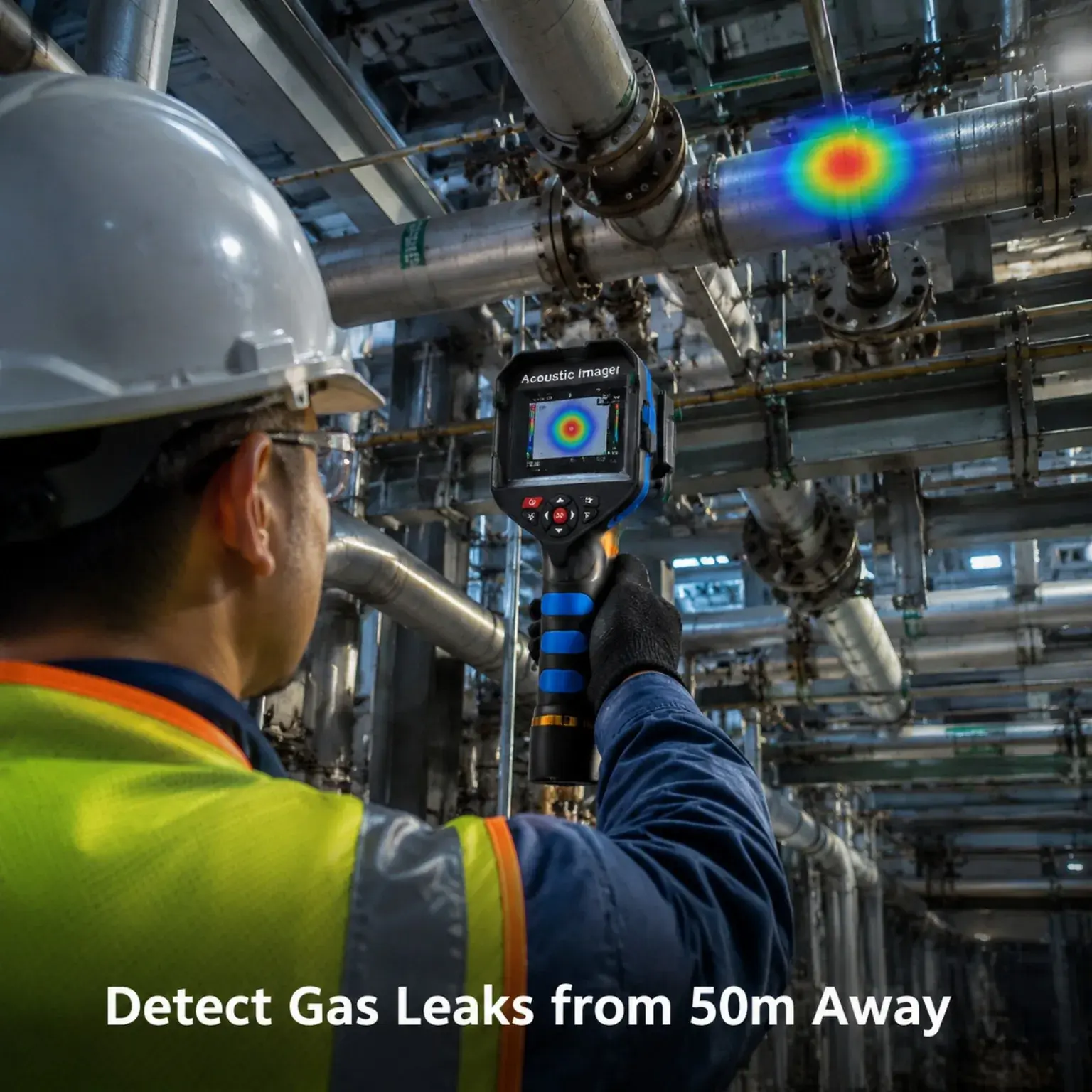
Verify the barrier. Control installation risk. Define isolation or operating restrictions, exclusion zones, ignition control, leak monitoring, emergency actions and the conditions that require the work to stop. Never place personnel in a credible release path merely to avoid downtime.
Control the operation. Manage the repair through to removal. Give it a unique record, owner, inspection plan, marked expiry or review date, operating limits and permanent replacement work order. Changes in process conditions or defect behaviour require reassessment.
What strong leadership looks like
Temporary repairs often become vulnerable when ownership changes or the plant repeatedly defers the permanent job. Leaders should review the population as a barrier-health indicator, challenge overdue items and confirm that each remains within its approved technical basis.
Supervisors should make the current barrier status visible at handover, connect related defects and deviations, and ensure that temporary operating arrangements have clear limits and escalation triggers. Where required evidence is missing, the conservative response is to stabilise the process and seek competent support rather than allow schedule pressure to decide.
Actions for today
- Choose one relevant safety-critical function and trace it from process hazard to final protective action.
- Check the latest inspection, test or operating evidence—not only the design intention or status label.
- Resolve any discrepancy through the approved defect, risk-assessment and escalation process.
Keep the defect visible
The control system should make the temporary nature of the repair obvious to operations, maintenance and integrity personnel. Include it in handovers, inspection plans and management reviews, and ensure field identification matches the technical record. If leakage, vibration, pressure, temperature or the surrounding wall condition changes, stop relying on the original assessment. Revalidation must be completed by competent personnel before continued service is accepted. The permanent repair should remain planned, funded and scheduled—not displaced by the apparent success of the temporary measure.
Team discussion question
Which temporary repair on our installation would present the greatest consequence if its assumptions were no longer true, and when was that basis last verified?
Your experience matters
Share your thoughts on this page
Have a question, a useful experience or a suggestion? Add your input below.
Comments are public. Keep them respectful and relevant. Do not share contact details, confidential information or emergency reports.
Comments on this page
Loading comments…