Process Safety · Lesson 26 · 7 min read
A Healthy Reading Can Come From an Unhealthy Impulse Line
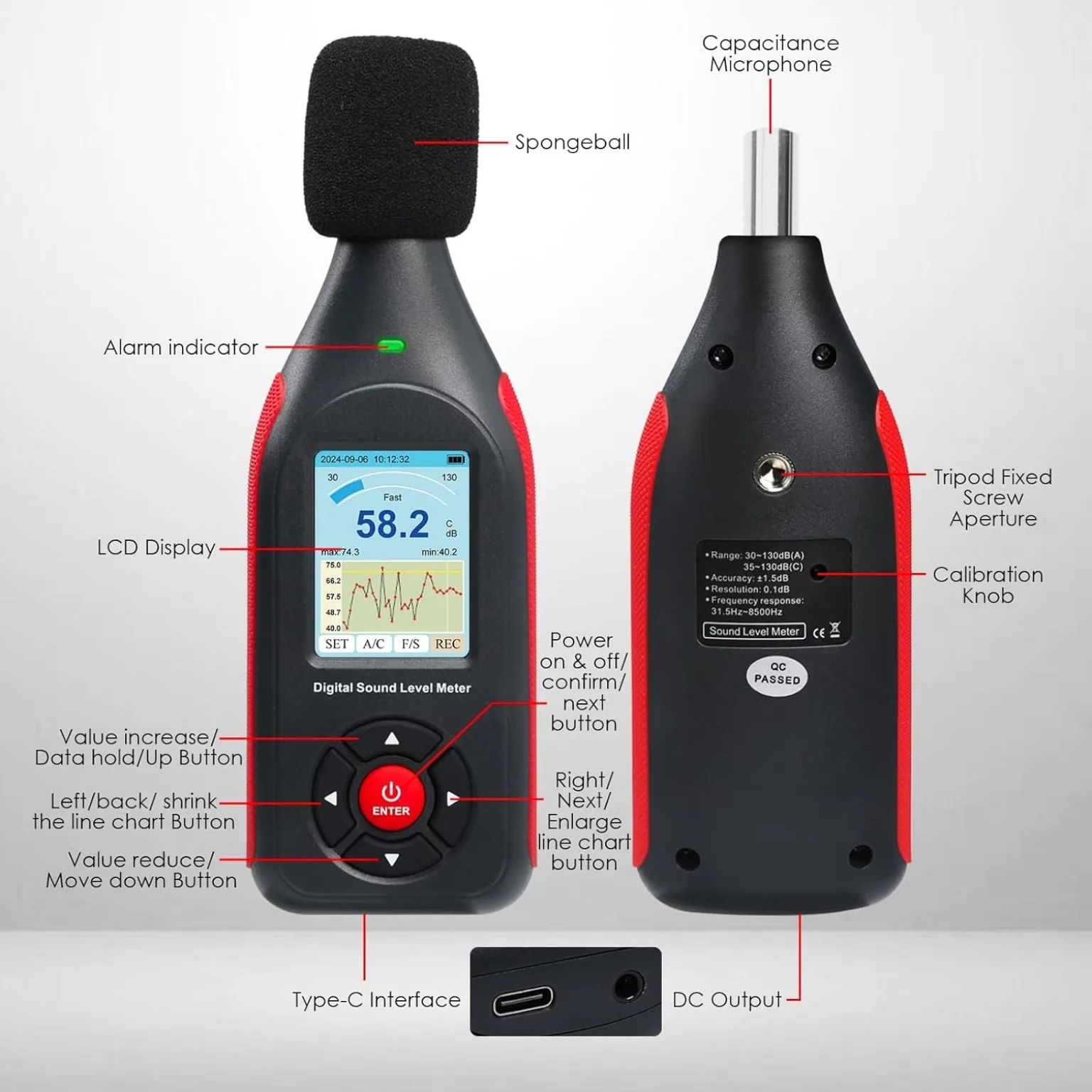
Operators make decisions from instruments, but the transmitter can only report what reaches its sensing element. A blocked, leaking, frozen, vapour-filled or incorrectly lined-up impulse connection can hold a plausible value while the real process moves elsewhere. When the same measurement supports control, alarms and protection, one unhealthy connection can become a common cause of failure.
Why the hazard can remain hidden
Small-bore impulse lines are part of both the measurement chain and the pressure boundary. They can accumulate solids, condensate or gas; suffer corrosion and vibration fatigue; lose heat tracing; or be left with an isolation valve closed after maintenance. Differential-pressure measurements can also be distorted when one side is affected differently from the other.
A flat trend may therefore mean that the process is stable, but it may also mean that the measurement is no longer responsive. Diagnostics within a smart transmitter cannot always detect a plugged process connection because the electronics and sensor may remain healthy. Confidence must come from independent process evidence, suitable inspection and testing, correct valve line-up and an understanding of the service.
A practical operating scenario
Hypothetical example: During a cold-weather startup, a vessel pressure transmitter remains steady while temperature and upstream flow rise. Because the value is within the expected range, the team initially assumes the vessel is responding normally. A second independent indication begins to diverge. The mismatch does not prove which instrument is wrong, but it is enough to stop relying on the original value until the process connection and measurement chain are verified.

Critical controls
Understand the dependency. Treat the full chain as safety-critical where applicable: process tapping, root valves, manifolds, tubing, heat tracing, transmitter, power, signal conditioning, logic and display. Assign inspection and proof-test tasks that can reveal service-specific failure modes.
Verify the barrier. Cross-check independent evidence. Compare related pressure, level, flow, valve position and material-balance information. Define how much disagreement or lack of response requires the process to be stabilised and the instrument investigated.
Control the operation. Control maintenance and reinstatement. Verify the correct line-up, leak tightness, zero or calibration condition and expected dynamic response after work. Do not close the task merely because the transmitter powers up and displays a credible number.
What strong leadership looks like
Instrument anomalies should not be allowed to survive through repeated verbal workarounds. Recurring line blockages, frozen connections or unexplained discrepancies require a responsible owner, technical review and a lasting correction appropriate to the service.
Supervisors should make the current barrier status visible at handover, connect related defects and deviations, and ensure that temporary operating arrangements have clear limits and escalation triggers. Where required evidence is missing, the conservative response is to stabilise the process and seek competent support rather than allow schedule pressure to decide.
Actions for today
- Choose one relevant safety-critical function and trace it from process hazard to final protective action.
- Check the latest inspection, test or operating evidence—not only the design intention or status label.
- Resolve any discrepancy through the approved defect, risk-assessment and escalation process.
Verification after intervention
After calibration, flushing, valve operation or heat-tracing work, compare the restored signal with an independent indication and with the response expected from a controlled process change. Record the as-found condition because it may reveal a recurring failure mechanism. Confirm that caps, plugs, supports and insulation are restored, that no leak has been introduced, and that alarm or trip functions using the signal have returned to their approved status. A maintenance completion note should communicate what was actually proved and any limitation that remains.
Team discussion question
Which safety-significant measurement on our plant could remain plausible after its process connection stopped responding, and how would the shift recognise that failure?
Your experience matters
Share your thoughts on this page
Have a question, a useful experience or a suggestion? Add your input below.
Comments are public. Keep them respectful and relevant. Do not share contact details, confidential information or emergency reports.
Comments on this page
Loading comments…