Health · HSSE Watch
Shamonda Virus: Turn Emerging Evidence into Clear Workplace Reporting
Published
WHO Disease Outbreak News page dated 2 November 2026; its citation footer says 1 November. Illness began 23 September; death occurred 8 October; France notified WHO 20 October. Sources checked 3 November 2026.
An emerging infection requires a reliable route from workplace observation to qualified advice. It does not justify turning an uncertain transmission route into a confident claim.
What WHO’s new assessment says
WHO's Disease Outbreak News page, headed 2 November 2026, assesses the first documented human Shamonda virus infection, in a severely immunocompromised man in France. Neurological illness began on 23 September; he died on 8 October; France notified WHO on 20 October. This is not a newly occurring November infection.
The source and route of infection remain unknown. No additional human cases were reported in the assessment. WHO says the public-health risk cannot yet be reliably quantified and calls for coordinated human, animal and environmental surveillance, targeted investigation and proportionate communication.
The page's citation footer says 1 November, while its displayed publication heading says 2 November. We retain that discrepancy rather than inventing a precise release time. Earlier French public-health information was published on 23 October.
Why HSSE teams should pay attention
WHO recommends clinical consideration and testing where relevant symptoms and compatible occupational or environmental exposure warrant it. This is a matter for qualified clinicians and public-health authorities, not workplace self-diagnosis. Animal circulation does not establish a worker's infection, a particular transmission route or sustained human spread.
The following is an original workplace preparedness framework, not evidence that an employer failed or a new mandatory testing regime.
Map the people who need a reporting route
For farms, veterinary services, animal transport and relevant outdoor work, identify who owns occupational-health referral and who receives official animal-health updates. Include contractors, temporary staff and people working away from the main site. Do not assume a contractor will see the same briefing as permanent employees.
Use a short responsibility list: operational supervisor, occupational-health contact, veterinary adviser and public-health liaison. Keep contact details current in the languages used by the workforce.
Record exposure context without diagnosing
Give workers a confidential way to report illness and relevant work activities to the appropriate health service. Useful context can include dates, locations, animal-contact tasks and reported insect exposure. Describe observations without labelling them as a confirmed source of infection.
Do not circulate medical histories in group messages or compile informal lists of vulnerable workers. Any individual adjustments should be handled confidentially through competent occupational-health advice and applicable employment protections. Urgent or severe illness requires prompt medical care, not completion of a workplace reporting form.
Keep routine protections credible
Review existing animal-health, hygiene and bite-prevention arrangements with competent advisers. Confirm that workers can actually use the facilities, equipment and reporting arrangements described in the plan. Do not invent a Shamonda-specific PPE specification from a photograph or another pathogen's guidance.
Avoid unapproved pesticide use, unsupervised specimen collection or improvised testing. Those actions can add chemical, biological and handling risks while providing no reliable answer. Specialist investigations belong to authorized, competent teams.
Communicate uncertainty in a controlled update
Separate three fields in each briefing: what the authority confirmed, what remains under investigation and what your workplace is doing. Name the source and date. Assign one person to check for a superseding assessment and document why any control changes are made.
Do not present a single fatal case as a population fatality rate. Do not equate “not yet established” with either “impossible” or “proven.” A clear uncertainty statement supports proportionate decisions.
Leadership and toolbox questions
- Who receives animal-health and occupational-health alerts?
- Can contractors obtain confidential advice as readily as employees?
- Are we recording an observation or assuming a transmission route?
- Who authorizes changes to the risk assessment?
- When will we check the next official update?
Video availability
No directly relevant authoritative embeddable Shamonda video was verified. Unrelated outbreak footage has not been inserted.
Sources and dates
- WHO — Shamonda virus in human, France ↗Page headed 2 November 2026; citation footer differs by one day. Risk assessment and advice, not a new case occurring in November.
- Santé publique France — earlier case information ↗Published 23 October 2026; confirms that the case was already publicly reported.
Sources checked 3 November 2026. Source statements and original practical applications are distinguished above. Always consult current official advice and applicable local requirements.
Share the lesson
Open the separate 9:16 Pinterest poster
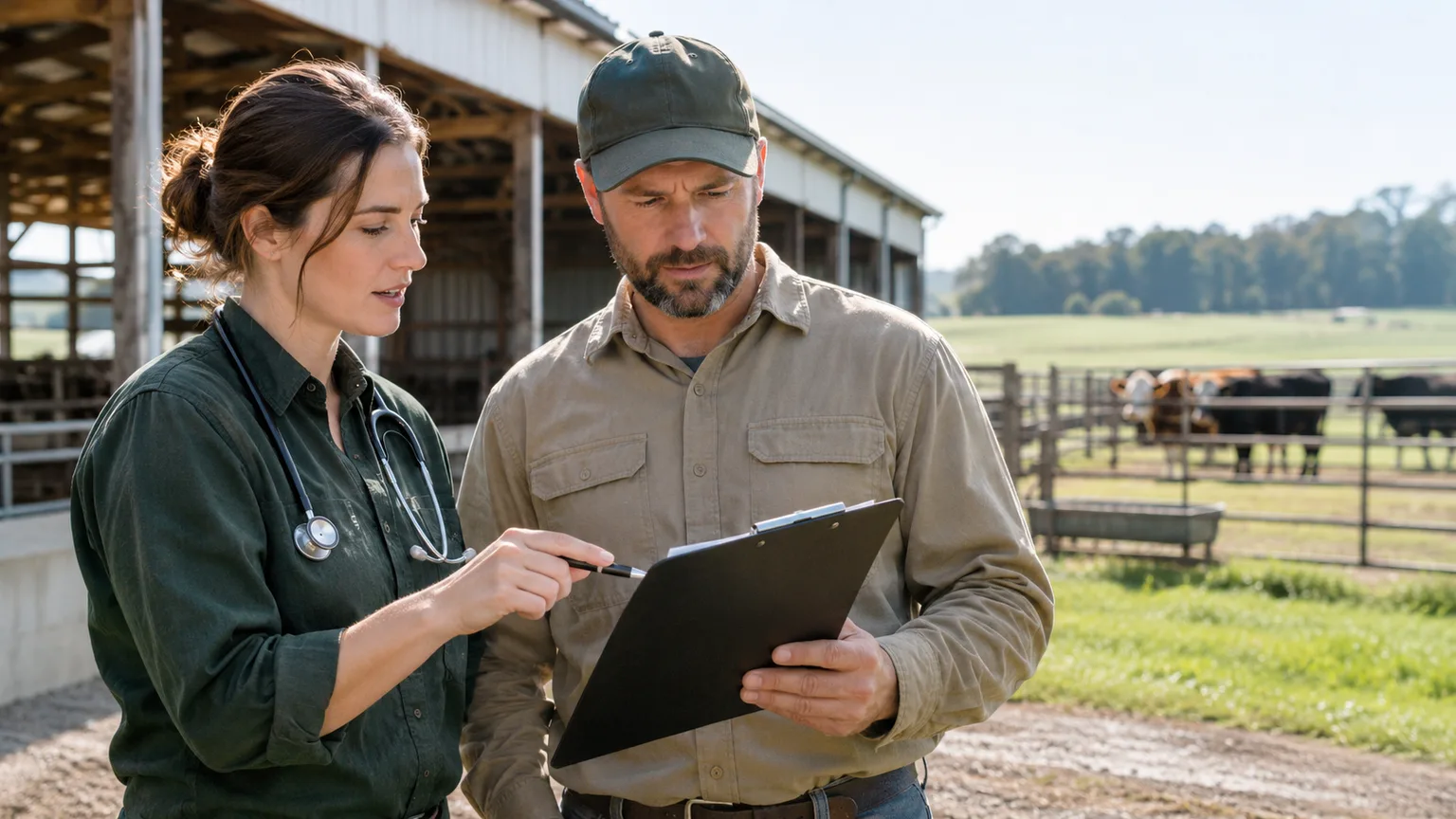
Illustrative planning scene, not an actual incident or a technical procedure. HSSE TIPS branding appears only in the designed poster footer.
Your experience matters
Share your thoughts on this page
Have a question, a useful experience or a suggestion? Add your input below.
Comments are public. Keep them respectful and relevant. Do not share contact details, confidential information or emergency reports.
Comments on this page
Loading comments…